When you’re designing a new house, it’s important to take your eco-friendly options into account. If you make some common mistakes, you could wind up building a home that’s not very green at all.
In this article, we’ll discuss some of the most common errors people make when designing a new house and offer tips on how to avoid them. So read on to learn more.
Not Getting a 3D Render of Your Design First
One of the most important tips to remember when designing an eco-friendly house is to always get a 3D render of your design first so that you know there won’t be any surprises down the line.
A 3D render will help you get an idea of how your home will look and feel once it’s finished. This way, you can avoid making costly mistakes that could be difficult or impossible to fix later on. To get a 3D render, using an online digital tool can be much easier and more efficient than drawing out every detail by hand.
Working With the Wrong Builder
When designing a new house, it is important to work with the right builder. Make sure that your contractor has experience building eco-friendly homes and understands how best to leverage the latest sustainable technologies.
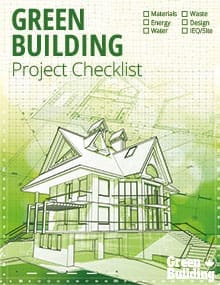
Get the Green Building Project Checklist
Use this handy checklist on your next project to keep track of all the ways you can make your home more energy-efficient and sustainable.
Additionally, make sure that the contractor is certified in green building practices and materials so that you can be sure your home will meet all of the standards required for an eco-friendly dwelling.
Building a new house with the wrong builder can undo all of your hard planning when designing your house. Choose wisely when it comes to who builds your eco-friendly home.
Choosing a Bad Location
When designing an eco-friendly house, location is key. It’s important to consider how close your home will be to public transportation and other amenities such as grocery stores and entertainment.
Additionally, certain climates are more suitable for eco-friendly design than others – drier regions with minimal cloud cover typically require less energy for cooling and heating systems, for example.
Before beginning the design process, make sure your chosen location is conducive to an eco-friendly lifestyle. Otherwise, you may find that you need to make expensive changes to adapt your home’s environment down the line.
Also, consider potential natural disasters such as flooding and wildfires to protect yourself from costly damage later on. If possible, choose a location that is in a safe zone, free of any potential natural disasters or severe weather. By doing this research up front, you can design with peace of mind and avoid costly repairs later on.
Thinking You Can Do It All Alone
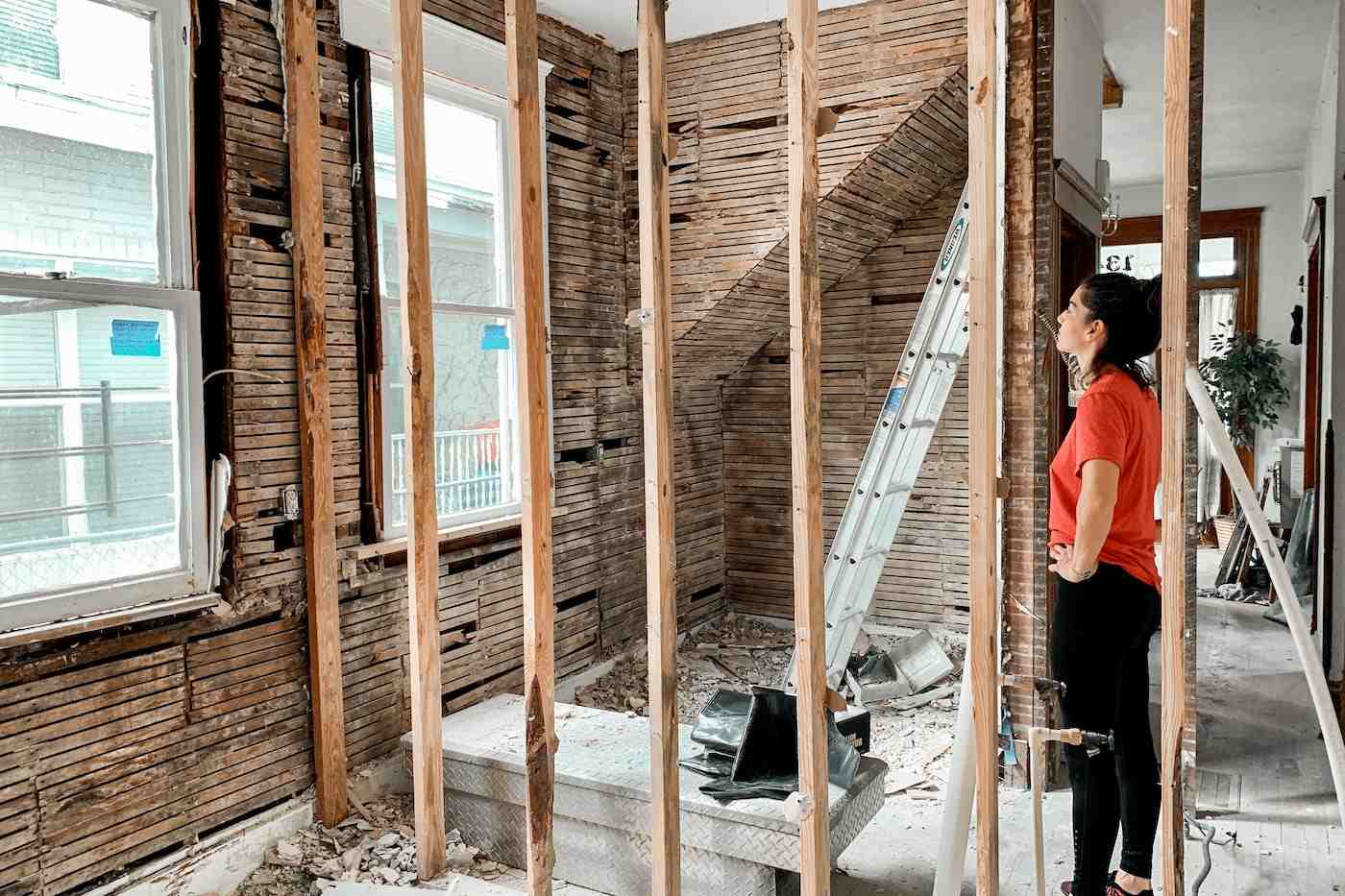
When it comes to designing an eco-friendly house, many homeowners may feel like they can handle the entire process on their own. While some aspects of the design and construction process can be handled independently, attempting to take on too much at once can lead to delays, mistakes and frustrations that could have been avoided with the help of professionals.
Hiring experienced designers, architects or contractors can save time and money while ensuring that your eco-friendly house is designed to the highest standards.
It’s important to understand that some tasks are best left to those with years of experience in the industry. Doing so will help prevent costly mistakes and create a home you can enjoy for years.
Taking a Laid Back Approach
When designing a new home, it is important to consider the environment. However, many people take too laid-back of an approach and don’t do enough to ensure that their house is eco-friendly. This can lead to wasted resources as well as excessive energy use and greenhouse gas emissions.
To avoid this, be sure to research what steps you can take to make your home more eco-friendly and integrate those into the design process.
Additionally, be sure to work with an experienced architect who is knowledgeable about green building techniques and materials. Taking this proactive approach will ensure that you are making a house that is both comfortable for its occupants and kinder to the planet.
Under-Communicating
When designing a new, eco-friendly home, it is important to remember that under-communicating could lead to mistakes. It’s not just about speaking to the right people – it involves keeping track of what everyone has said in order to ensure everyone is on the same page.
Even if they have previously agreed upon something, double-check to make sure that everyone is still in agreement.
This will prevent any new ideas or changes from being implemented without everyone’s approval, leading to expensive mistakes and potential delays in the project.
Additionally, communication should be kept open between designers, contractors and other stakeholders.
By doing this, you can be sure that everyone has a clear understanding of the plans and that all parties agree with them. This will ensure a seamless process and help to avoid any misunderstandings.
Not Thinking Enough About the Materials Involved
When designing an eco-friendly house, it is important to think about the materials that will be used in its construction.
Too often, people focus on energy performance and overlook the environmental impact of the materials they are using. For example, many types of wood can be harvested sustainably, but some woods are not harvested in a way that is friendly to the environment.
Additionally, certain types of plastics or other synthetic materials have a large carbon footprint when produced and used. Doing research on the impact of different materials can help ensure that your eco-friendly house is truly sustainable for generations to come.
In conclusion, designing a new eco-friendly house can be an exciting and rewarding process. However, to ensure that your home is built to the highest standards and remains energy efficient for years to come, it is important to be aware of common mistakes that could compromise the sustainability of your home.
By researching materials, communicating clearly with all parties involved and hiring experienced professionals, you can make sure that your new house is both comfortable and eco-friendly.
Read more on this topic in Green Building Guide to Sustainable Design
Feature image: Tom; Image 1: Monica Silvestre