A recently published article in the journal Sustainability finds that mining waste, which has been long treated as a disposal problem, could instead serve as a viable, large-scale source of construction materials.
Researchers analyzed nearly 200 studies to assess how materials such as mine tailings, waste rock, bauxite residue and metallurgical slags perform in real-world construction applications. The findings suggest that, with proper processing, these materials can partially replace traditional aggregates, cement and fillers in roads, concrete and other infrastructure.
A Massive Waste Stream With Untapped Potential
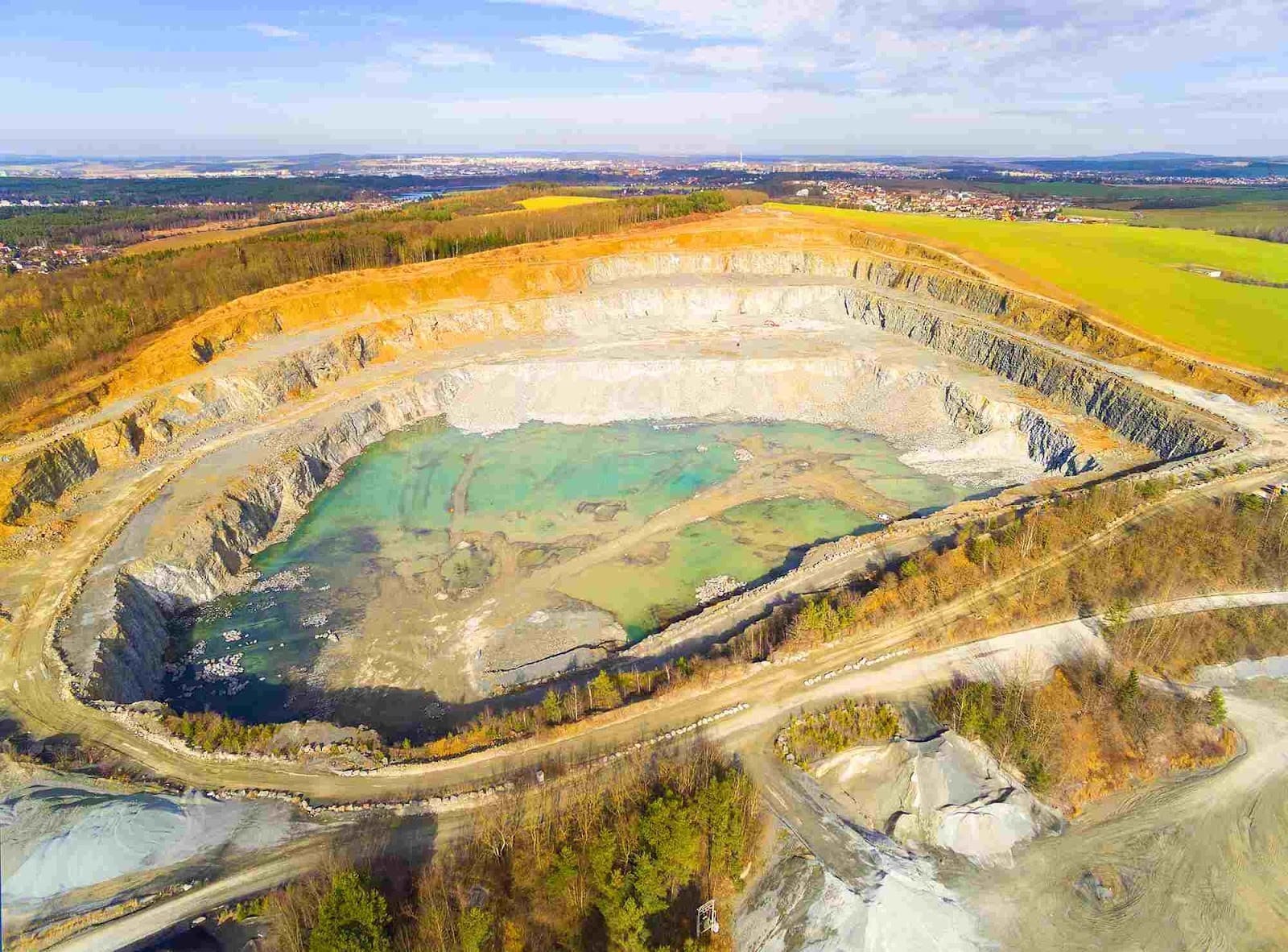
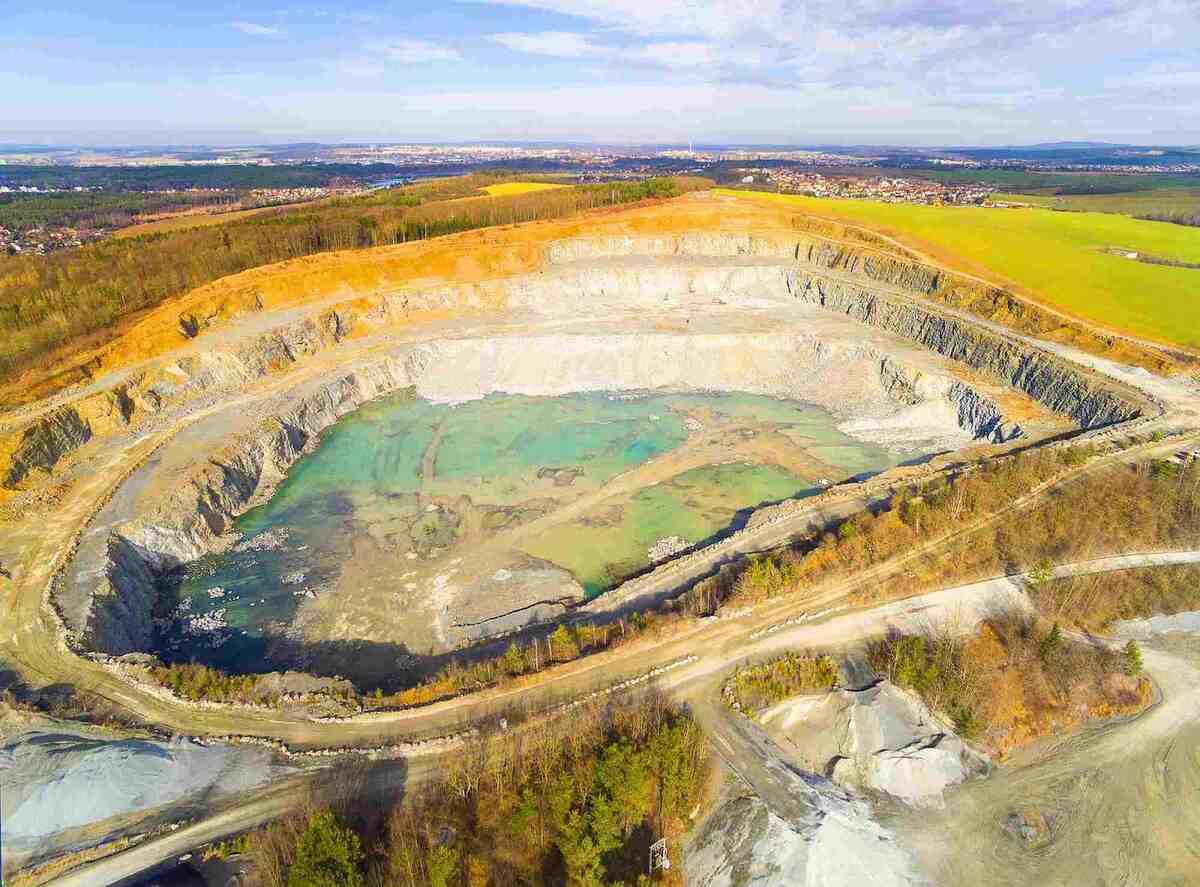
Mining operations generate more than 100 billion tonnes of waste globally each year. Much of it is stored in tailings ponds or waste piles, posing long-term environmental risks including contamination, land degradation and structural failures.
The study highlights a growing shift towards treating this waste as a secondary resource. This approach aligns with circular economy principles, where materials are reused rather than discarded. Construction, particularly road building, stands out as a practical application due to its high demand for raw materials.
WATCH | Recycling Mining Waste

Get the Green Building Project Checklist
Use this handy checklist on your next project to keep track of all the ways you can make your home more energy-efficient and sustainable.
How It Works in Construction
The research outlines several pathways for integrating mining waste into construction systems, with varying levels of maturity and performance.
Mine Tailings
Mine tailings, which are fine-grained byproducts of mineral processing, can be used as fillers or partial replacements for cement and sand. Studies show they can replace 10 to 40 percent of fine aggregates in concrete while maintaining acceptable strength levels.
Chemical and Physical Properties of Mine Tailings
| Properties | Manganese | Iron | Gold | Copper | Bauxite | Molybdenum | Tungsten | Graphite | Coal Gangue |
| CaO | 0.11 | 4.56 | 5.92 | 6.75 | 2.21 | 3.36 | – | – | 0.29 |
| SiO₂ | 46.95 | 66.70 | 41.08 | 49.24 | 27.64 | 71.84 | 44.83 | 23.52 | 50.42 |
| Al₂O₃ | 34.10 | 8.06 | 14.76 | 21.19 | 32.61 | 11.47 | 18.39 | 2.28 | 46.11 |
| Fe₂O₃ | 7.33 | 9.52 | 13.04 | 6.63 | 20.65 | 1.85 | 11.85 | 55.30 | 0.56 |
| SO₃ | 0.40 | – | 2.76 | 3.34 | 0.69 | – | 10.94 | – | 0.01 |
| P₂O₅ | 0.17 | 0.43 | – | – | 1.77 | – | – | – | 0.51 |
| MgO | – | 5.28 | 2.40 | 1.47 | – | – | – | – | 0.10 |
| MnO | 14.95 | – | 2.02 | 1.47 | 0.02 | 0.05 | – | – | – |
| K₂O | 0.98 | 2.53 | 10.79 | 9.02 | 0.02 | 7.32 | 3.62 | – | 0.23 |
| Density (g/m³) | 2.95 | 2.95 | 2.75 | 2.87 | 3.12 | 2.64 | 2.89 | 2.94 | 2.27 |
| Water Absorption (%) | – | 1.20 | – | 0.30 | – | 0.24 | 0.18 | – | – |
Waste Rock
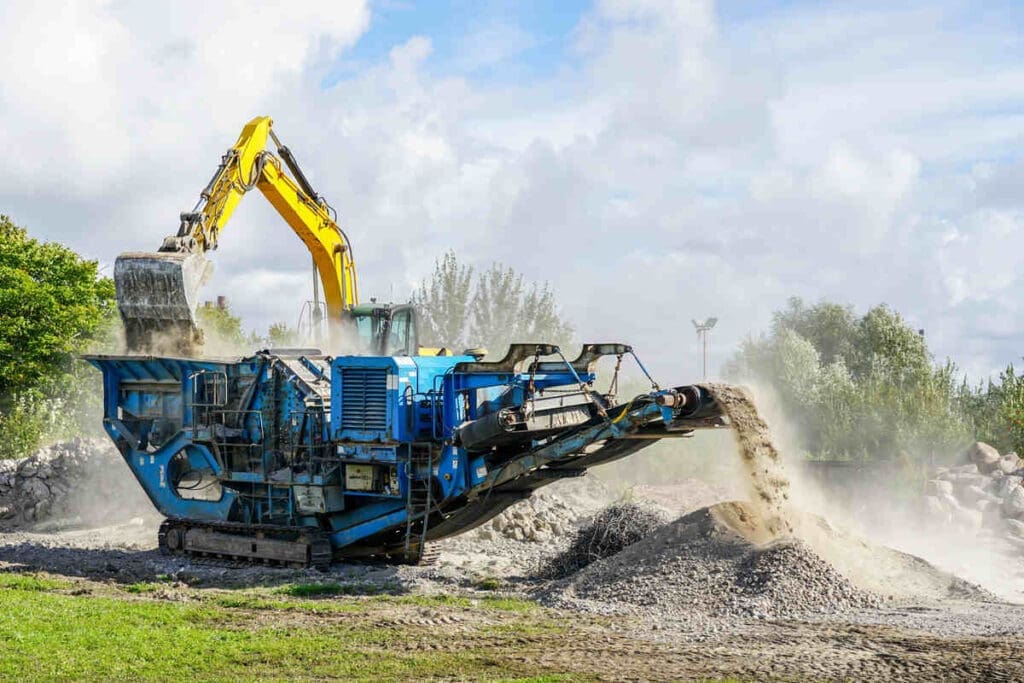
Waste rock and overburden, produced in even larger volumes, are well suited for structural uses such as road bases and embankments. When crushed and compacted, these materials can perform similarly to natural aggregates, making them one of the most immediately scalable options.
Metallurgical Slags
Metallurgical slags, including those from copper and nickel processing, offer consistent material properties. Their angular structure improves durability in asphalt and concrete, with some studies showing longer pavement lifespans and cost reductions of up to 17 percent.
Red Mud
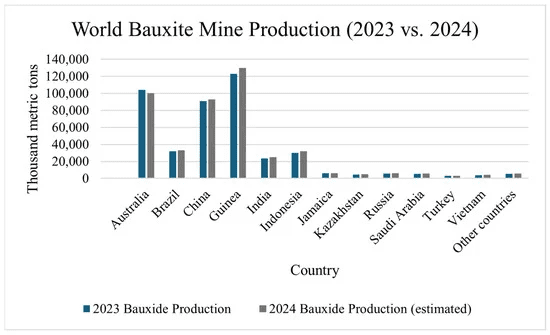
Bauxite residue, or red mud, presents a more complex case. Its chemical reactivity can improve binding strength in construction materials, but its high alkalinity and potential environmental risks require pretreatment before use.
Benefits and Real-World Impact
The study points to measurable environmental and economic gains. Using mining waste in construction can reduce reliance on natural aggregates, lower material costs and cut carbon emissions by as much as 21 to 26 percent in certain applications.
In addition, repurposing waste reduces the need for long-term storage and monitoring, addressing one of the mining sector’s most persistent challenges.
Barriers to Widespread Adoption
Despite promising results, large-scale implementation remains limited. One of the biggest challenges is variability; mining waste differs widely depending on source and processing methods, requiring site-specific testing.
Environmental concerns also persist, particularly around heavy metal leaching and chemical stability. Regulatory frameworks and standardized guidelines are still evolving, slowing approval and adoption in many regions.
Field validation is another hurdle. While laboratory results are encouraging, long-term performance data under real conditions remains limited.
Images from Mining Waste as a Resource in Construction: Applications, Benefits, and Challenges | MDPI and Depositphotos