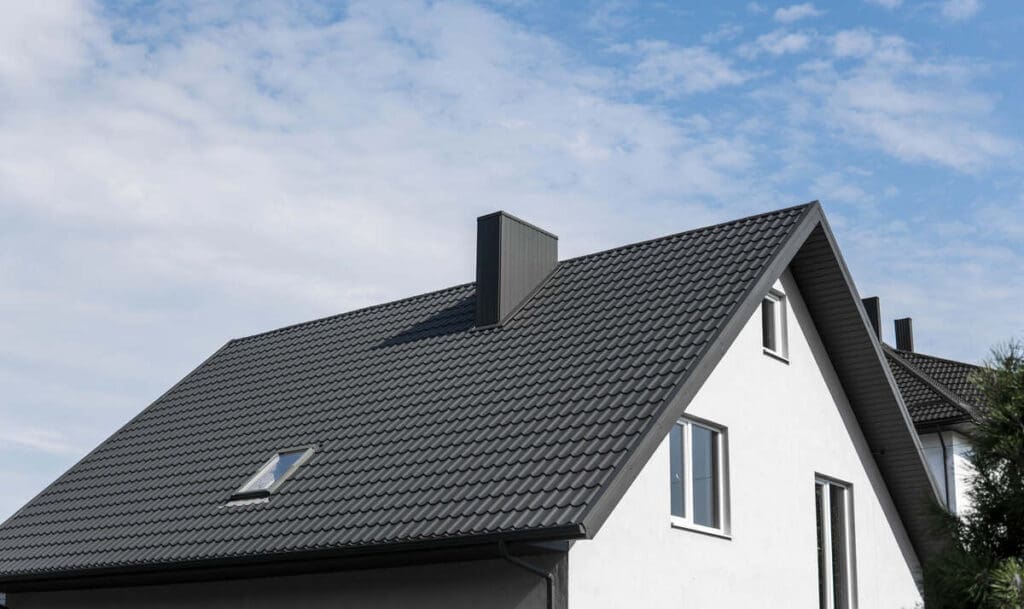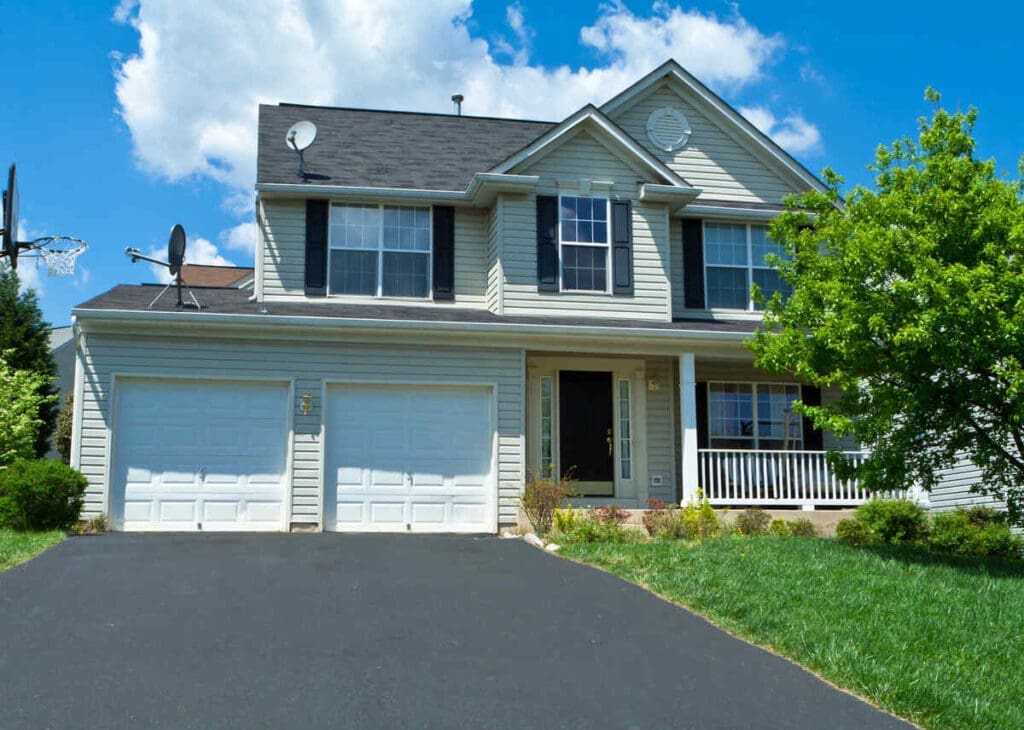
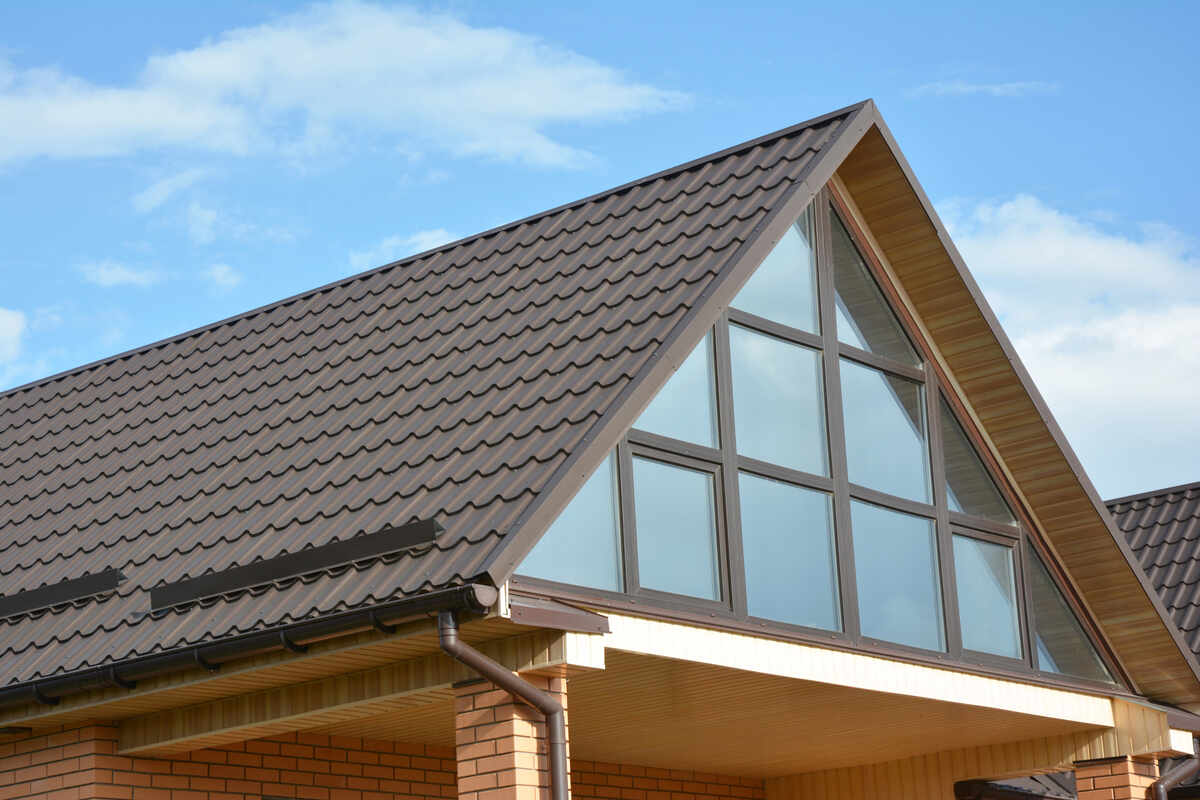
Choosing the right roofing material for your home isn’t just about how much you’ll spend. It’s a decision that will affect the aesthetics, durability, comfort and energy efficiency of your house. With a decision this big, it can be a challenge to decide. So if you’re getting a new roof or replacing an old one, and are deciding between metal and shingle roofs, read on as we’ll look at the pros and cons of these two popular types of roofing materials, assessing their differences in terms of durability, energy efficiency, cost and other factors.
Cost Comparison
Metal roofs have a higher upfront cost than shingle roofs. Installing a metal roof can cost two to three times more than asphalt shingles. So in Canada, on average, for a 2,000 square-foot home we’re talking about $8,000 to 20,000 for a shingle roof replacement compared to $15,000 to $60,000 for a metal roof. For a more detailed look at metal roof replacement costs refer to How Much Does It Cost to Install a Metal Roof?
The amount you’ll want to spend will depend on your particular situation. The higher initial investment in metal can be worthwhile in the long run given the longevity, low maintenance and long-term energy savings that come from metal roofing.
That being said, shingle roofs are more budget friendly upfront so they’re a popular choice for homeowners looking for a more affordable option. But remember that although you will save money upfront buying a shingle roof, depending on what kind of rates you’re getting for roof replacement where you live it can end up costing you more in the long-run if you go with a shingle roof as you will have to replace it more often. However, if you don’t plan on living in your house for long then that’s not as important of a thing. You can also use an online roofing calculator to find out the cost difference between metal and asphalt shingles based on your size roof.
How Durable are Metal Roofs and Shingle Roofs?
Durability is one of the top considerations when deciding between different types of roofs. Thanks to their inherent strength, metal roofs are known for their longevity: 40 to 70 years depending on the specific type of metal.
Get the Green Building Project Checklist
Use this handy checklist on your next project to keep track of all the ways you can make your home more energy-efficient and sustainable.
Asphalt shingle roofs, on the other hand, last about 15 to 30 years. Architectural shingles are more durable than traditional asphalt shingles but still don’t come close to the lifespan of a metal roofing system.
A metal roof can withstand heavy rain, snow and even hurricane force winds better than an asphalt shingle roof. A metal roof is also highly fire resistant so it’s a great choice for wildfire-prone areas.
Which Roofing Material is More Energy Efficient?
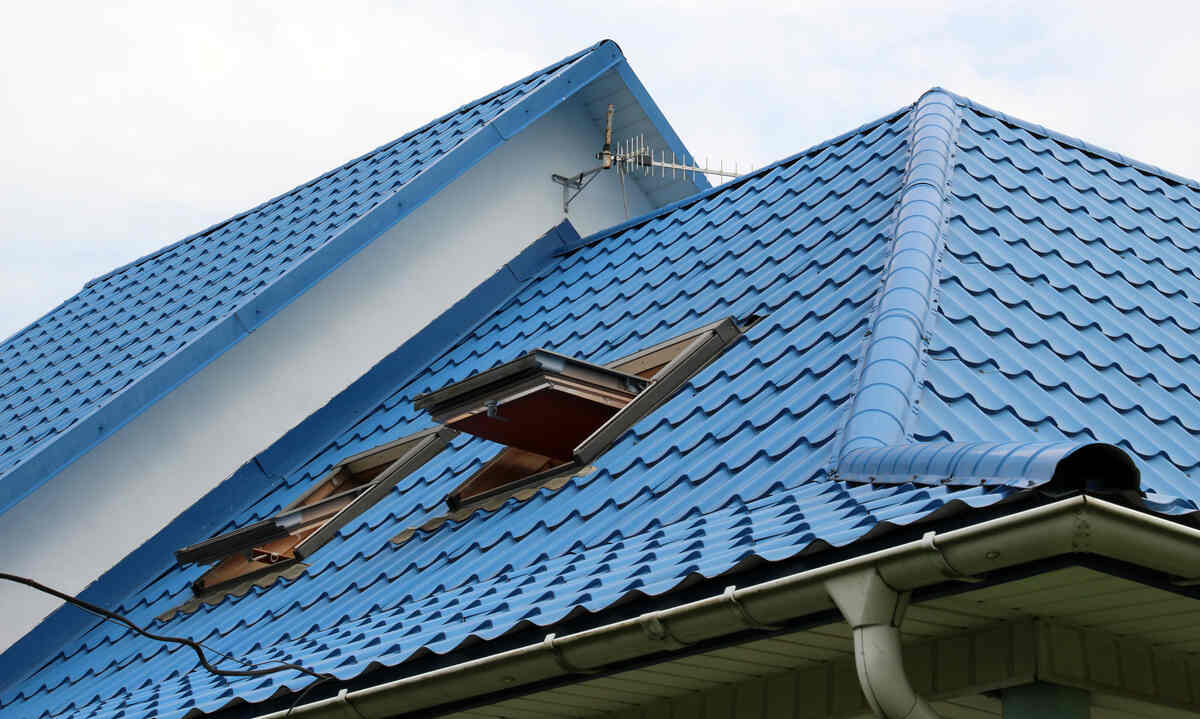
Energy efficiency is another big consideration when comparing a metal roof vs a shingle roof. Metal roofs cool off quickly and they excel at reflecting solar radiant heat which can save you 10 to 25 percent on cooling costs. This reflective property makes metal roofing great for warmer climates.
Asphalt shingles absorb more heat which can increase cooling demands in hot weather. But with advancements in roofing products, energy efficient asphalt shingles with reflective granules have been developed to reduce heat absorption. Despite these improvements, metal roofs are generally still more energy efficient in the summer.
In cold climates, it’s the opposite. Since metal roofs reflect the heat away, it will cost you more heating than a shingle roof which absorbs more heat. However, in both cases what’s more important than the roof material is the insulation underneath the roof.
Metal Roofs vs Shingles: Which Is More Sustainable?
Metal roofs are generally the more eco-friendly options since they are usually made from recycled materials (typically metal roofs contain at least 25 percent recycled material) and they are fully recyclable at the end of their lives.
Asphalt shingles can be recycled, but they usually are not as only about 10 percent or less of them actually get recycled. Shingles are difficult to recycle, they’re often contaminated with construction debris and there are not enough facilities that can recycling them.
Metal roofs are a lot more likely to get recycled (nearly 100 percent) since metal is a lot more valuable than asphalt and it has more uses so there’s a larger market for metal recycling and, consequently, more facilities that will handle their recycling.
Both materials are energy intensive to produce and have a high impact on the environment, however when you consider the much higher recyclability rate, the greater longevity and their increased energy efficiency, metal wins this battle hands down.
How Do Metal and Shingle Roofs Compare in Terms of Their Versatility and Ease of Installation
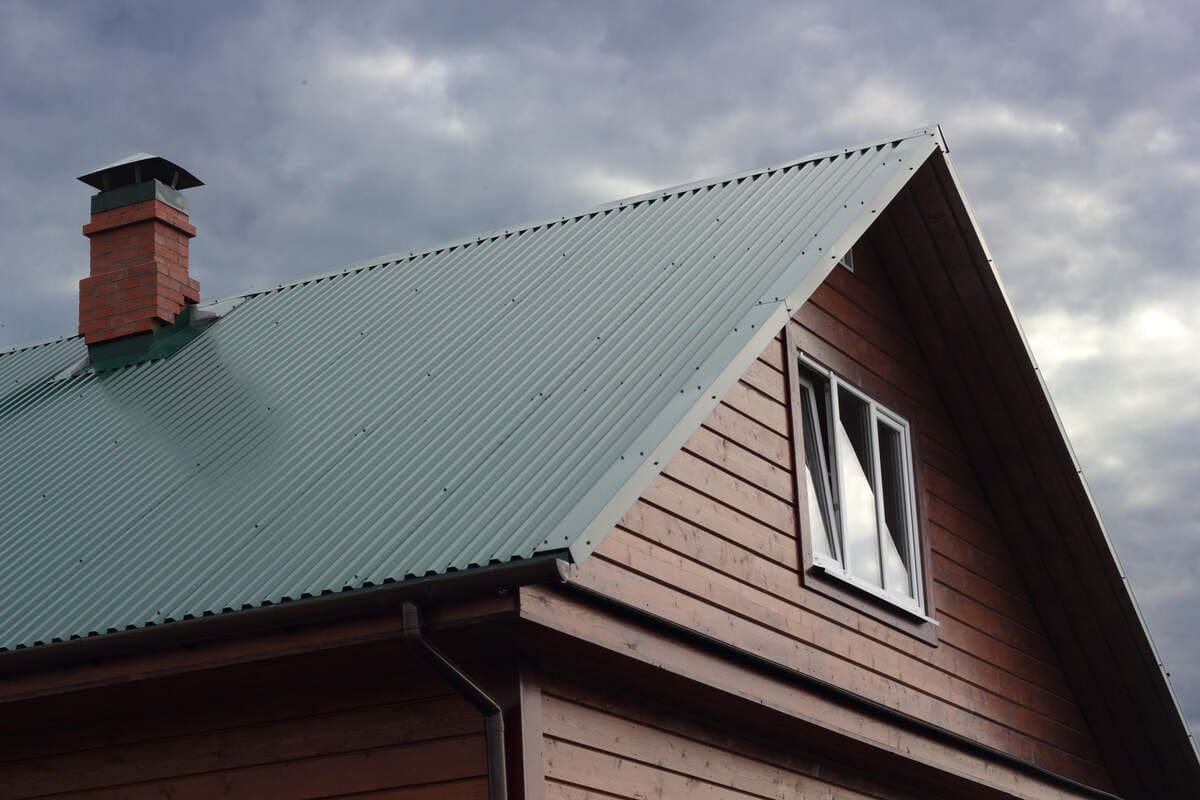
Metal roofing is lightweight, reducing the load on the roof deck and supporting structures. And with seam metal and other metal roofing products, you have many styles and colours to choose from to get the look you want for your home.
Shingle roofs also come in many styles and colours, so the look can be customized. Shingles are also easier to install than metal roofing, so they’re a popular choice for many homeowners.
The installation process is simple and less labour intensive, so it’s less expensive. This means repairs and replacements can be done faster and with less disruption to the homeowner’s daily life. Plus, there are more roofing contractors familiar with asphalt shingle installation so it’s easier to find a contractor, which can lead to getting a better quote.
What About Climate Conditions?
Metal roofs are versatile and can work in many climates. In climates with hot summers like southern Ontario, a metal roof is a good choice as they will better reflect the sun and reduce cooling costs. In areas with heavy snow, they allow for easy snow shedding and prevent roof collapse. In hail-prone areas, some types of metal roofing can be dented, however, many modern metal roofing systems are hail-impact resistant.
Asphalt shingle roofs perform well in many weather conditions. They’re good in rain and wind, and technology has improved their performance in severe weather. But in extreme heat, they can become brittle and crack. In cold climates, they can be prone to ice damming if not properly ventilated. But shingles are a good roofing option for many environments, especially when high-end architectural shingles are used.
What’s the Long-term Maintenance for Each?
Long-term maintenance is a big consideration when choosing a roof. Metal roofs require less maintenance than shingle roofs, as they’re less prone to moss and algae growth. However, they still need to be inspected periodically for damage or wear.
Shingle roofs need more frequent maintenance, including cleaning and replacing damaged shingles. Knowing the maintenance requirements for each roof will help homeowners plan and budget for future maintenance.
Since shingled roofs don’t last as long they’ll be meeting the end of their lifespan more quickly, which will require more maintenance.
Read more on this topic in Can You Put a Metal Roof Over Shingles?
Images by Depositphotos