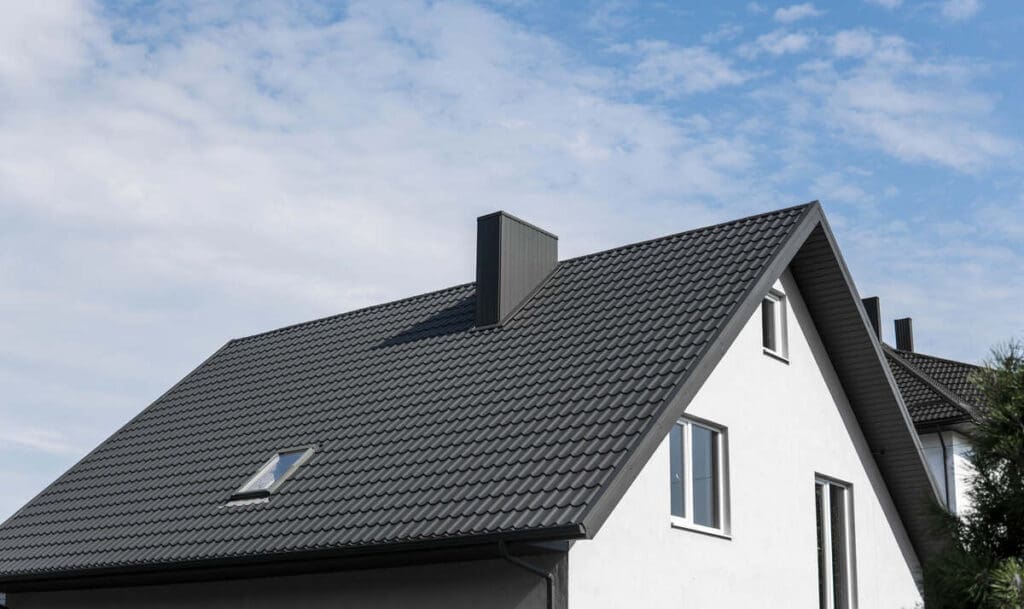

Choosing the right roofing option can be a daunting task given all the choices and variables to consider. One common question homeowners have is whether it’s possible to install a metal roof over existing shingles.
Generally speaking, you can install metal roofing over existing shingles if the roof structure is sound and the local codes allow it. Going this route saves on costs and is better for the environment but there are some important considerations to keep in mind as it might not be the best option in all cases. Have a look at the pros and cons here to decide which route is best for you.
What to Consider Before Installing a Metal Roof Over Shingles
Structural Integrity
Ensure that your current roof structure can support the additional weight of a metal roof. Metal roofs are generally lighter than many other roofing materials, but the combined weight of the existing shingles and the new metal roof can be significant.
Consulting with a structural engineer or a professional roofing contractor is advisable to assess your roof’s current state and determine if any reinforcements are necessary.
Local Building Codes
Check your local building codes and regulations. Some areas require you to take off existing shingles. Or they might have specific rules regarding roof overlays that you need to comply with, such as the number of roofing layers allowed and specific materials that can be used.
Get the Green Building Project Checklist
Use this handy checklist on your next project to keep track of all the ways you can make your home more energy-efficient and sustainable.
You might need to obtain permits before starting your roofing project and local authorities may require inspections during and after the installation to ensure compliance with safety and building standards.
Condition of Existing Shingles
The current shingles must be in relatively good condition. Conduct a thorough inspection to identify any issues like curling, cracking or missing shingles. Any major damage or decay should be addressed before installation.
Repair or replace damaged shingles and fix underlying issues such as leaks or structural weaknesses to prevent future problems. Proper ventilation and moisture barriers can help mitigate these risks.
If your shingles are at the end of their useful life and you’re getting problems with your roof, adding a metal roof won’t solve those problems
Advantages of a Metal Roof Installation Over Shingles

Cost and time savings – Installing a metal roof over shingles is quicker and easier to do than tearing off old shingles, which can save you significant money on labour and disposal costs.
Better for the environment – By adding a metal roof over an existing roof you avoid having to do a complete tear-off, which saves you from having to dump all your old shingles into landfill and puts off the burden that this non-biodegradable substance will impose on the environment. Also, metal roofing panels are often made from recycled material and are themselves recyclable at the end of their life.
Energy efficiency – Metal roofs are highly reflective and can deflect solar radiant heat. This helps to reduce cooling costs in the summer, making your home more energy-efficient and potentially lowering your energy bills.
Durability and longevity – Metal roofs are known for their exceptional durability and longevity. They can withstand harsh weather and can last 40 to 100 years. This lifespan is much longer than traditional asphalt shingles, which last about 15 to 30 years, making a metal roof a wise long-term investment for your home.
Potential Drawbacks and Problems
Added weight – Although metal roofs are generally lighter than other roofing materials, the additional weight of installing them over existing shingles can be too much for some structures. Older homes, in particular, may not be able to bear the additional weight, potentially leading to sagging or even structural failure over time. It’s important to assess the weight capacity of your roof to avoid potential structural issues.
Moisture and ventilation issues – Without adequate spacing, moisture can become trapped between the old shingles and the new metal roof, leading to mould and rot and it can also cause premature failure of the roof. Ensuring good airflow is essential to prevent these problems. It’s also possible that installing a metal roof can interfere with the venting of the roof, which can prevent the air from the attic from flowing properly, resulting in moisture and mould issues.
Aesthetic concerns – The appearance of a new metal roof may not always match the aesthetic of your home or neighbourhood. It’s important to consider the visual impact before proceeding, as the look of a metal roof can significantly change the appearance of your property.
Potential problems with decking, materials and components – In this type of installation the decking is not exposed, so the installer has no chance to inspect it. They could therefore be laying the new roof over bad or rotten decking. Know that most roof replacements require at least some decking to be replaced or in some cases, all of it needs to be replaced. As well, important materials and components to a roof, such as underlayment, get replaced when doing a tear-off. If you leave the shingles on, there’s no chance to replace them.
Harder to track down leaks – It’s hard enough to find the source of a leak and repair it, but that job gets even harder if laying a metal roof over top of shingles since you then have two different roofs that the leak could be coming from.
Preparation and Installation
So if you’ve decided to move forward with putting a metal roof on your house, here’s an overview of what the installation process generally involves.
Inspection – Have a professional inspect your existing roof to identify any issues that need to be addressed before installation.
Repairs and reinforcements – Fix any problems with the current roof and reinforce areas that might bear extra weight.
Underlayment installation – Install a quality underlayment over the shingles to provide an additional moisture barrier.
Metal roof installation – Follow proper techniques to install the metal panels. This typically involves attaching metal panels to furring strips.
Installing a metal roofing system over shingles can be a smart choice, offering cost savings, durability, less impact on the environment and energy efficiency. However, it’s important to consider structural integrity, local codes, and potential issues. By preparing properly and understanding the process, you can ensure a successful roofing project that enhances your home’s value and performance.
If you’re curious about costs, continue reading our article How Much Does It Cost to Install a Metal Roof?