
Many options are available in the market when it comes to lighting up your home and garden and many of these options can be both sustainable and cost-effective. Low voltage path lighting is one such solution for your outdoor lighting needs.
What Is Low Voltage Path Lighting?
Path lights are outdoor lighting fixtures illuminating pathways, driveways and gardens. Unlike traditional high-voltage lighting systems, path lights with low voltage operate at 12 volts or less.
They are commonly powered by a transformer that reduces the standard household voltage of 120 volts to a safer and more energy-efficient level. Path lights with low voltage come in different designs and styles.
One can choose from solar-powered, LED or halogen options. A professional electrician can help you choose the right type of path lights for your home. Consider the layout of your outdoor space, the number of fixtures required and your budget before making a decision.
Why Choose Low Voltage Path Lighting?
Here are some of the reasons you should choose path lights with low voltage:
Get the Green Building Project Checklist
Use this handy checklist on your next project to keep track of all the ways you can make your home more energy-efficient and sustainable.
Environmentally Friendly
One of the main reasons to choose low-voltage path lights is their environmental friendliness. These lights consume less energy, resulting in a lower carbon footprint. They also produce less heat, reducing the risk of fire hazards. As a bonus, they minimize light pollution.
Cost-Effective
Low-voltage path lights are also cost-effective in the long run. Since they consume less energy, they can significantly reduce your electricity bill. Plus, low-voltage systems have a longer lifespan than traditional high-voltage systems, saving you money on replacement costs.
Easy to Install
Path lights with low voltage are also easy to install, making them popular for DIY projects. Most kits come with clear and straightforward instructions, and the low-voltage wiring is safer to handle than high-voltage wires. You can easily add or rearrange path lights in your outdoor space without professional help.
Versatility in Design
Path lights come in various designs and styles, offering your outdoor lighting options versatility. From classic lanterns to modern bollard lights, there are countless options to choose from that can complement any landscape or design aesthetic. They also come in different finishes, such as bronze, black or stainless steel, so you can customize the look of your outdoor space.
Solar Options
Low voltage path lighting operates through a connection to a transformer. It reduces the standard household voltage of 120 volts to a safe and efficient 12 volts or less. The transformer is usually plugged into an outdoor electrical outlet. It can power multiple path lights through a series of cables and connectors.
This lower voltage is enough to power LED or halogen bulbs, commonly used in low-voltage lighting systems. With innovation and technology, however, some path lights now come with solar-powered options. This eliminates the need for wiring and reduces energy consumption even further.
Choosing and Using Path Lighting
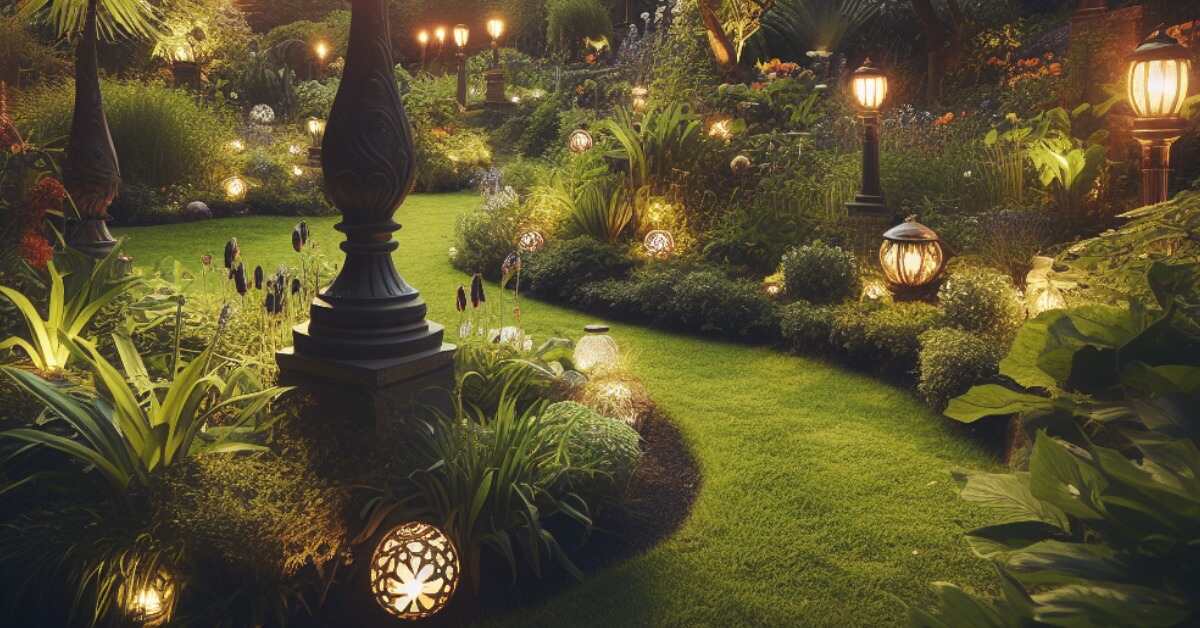
When choosing path lights, consider the design and style that best complement your outdoor space. Look for durable materials such as aluminum or stainless steel to withstand outdoor elements. Opt for LED bulbs, as they are more energy-efficient and have a longer lifespan than halogen bulbs.
Follow proper installation instructions provided by the manufacturer. Monitor the transformer to ensure it is not overloaded with too many lights. This can cause malfunctions or electrical hazards.
Maintenance and Upkeep for Sustainable Lighting
As with any outdoor home feature, regular maintenance and upkeep are necessary to ensure the longevity and sustainability of your lighting. Here are some tips for maintaining your path lights:
Regularly Clean the Fixtures
One of the most important aspects of maintaining path lights is regularly cleaning the fixtures. This helps to prevent any buildup of dirt, debris or other outdoor elements that can hinder their functionality.
Remove bulbs and gently wipe them down with a soft cloth to clean your fixtures. Then, carefully wipe down the fixtures’ surfaces using a mild soap solution and warm water. Be sure to dry them thoroughly before reassembling and reinstalling the bulbs.
Use LED Bulbs
Consider using LED bulbs, as they are more energy-efficient and have a longer lifespan than traditional incandescent bulbs. They also emit a brighter and whiter light, making them ideal for outdoor lighting.
Inspect for Damage
Regularly inspecting your path lights for damage is crucial in maintaining their functionality. Check for cracks, dents or loose connections affecting the light’s performance. If you come across any damaged fixtures, replace them immediately to prevent further issues. Inspecting the wiring and connections is also a good idea to ensure they are secure and intact.
Trim Surrounding Vegetation
Overgrown plants or branches can block the light’s path, reducing its effectiveness and potentially causing damage to the fixtures. Consider trimming any nearby bushes, shrubs or trees to allow the lights to shine bright and unobstructed.
Adjust and Reposition Lights if Necessary
As plants and trees grow, they can block the path lights’ desired angle of light. Periodically check and adjust the fixtures’ position to ensure they provide adequate lighting for your pathway. You may also find that certain areas along the path could use additional lighting. In this case, repositioning existing lights or adding new ones can help improve the overall illumination of your pathway. A professional electrician can help with any necessary adjustments or additions.
Check for Water Damage
Water damage is a common issue with outdoor lighting fixtures. Check for any signs of water intrusion, such as rust or corrosion on the fixtures’ surfaces. If you notice any water damage, it’s important to address it promptly to prevent further damage or malfunction. The drainage around the fixtures should also be inspected and cleared to prevent water from pooling around them.
Conclusion
Low-voltage path lights are a convenient and safe option for illuminating outdoor spaces. With advancements in technology and design, they offer a wide range of options to suit different preferences and needs. Choosing the right lights can enhance your outdoor space’s aesthetic and functionality while being energy-efficient.