
A Beginner’s Guide to Linear Actuators and Their Everyday Uses

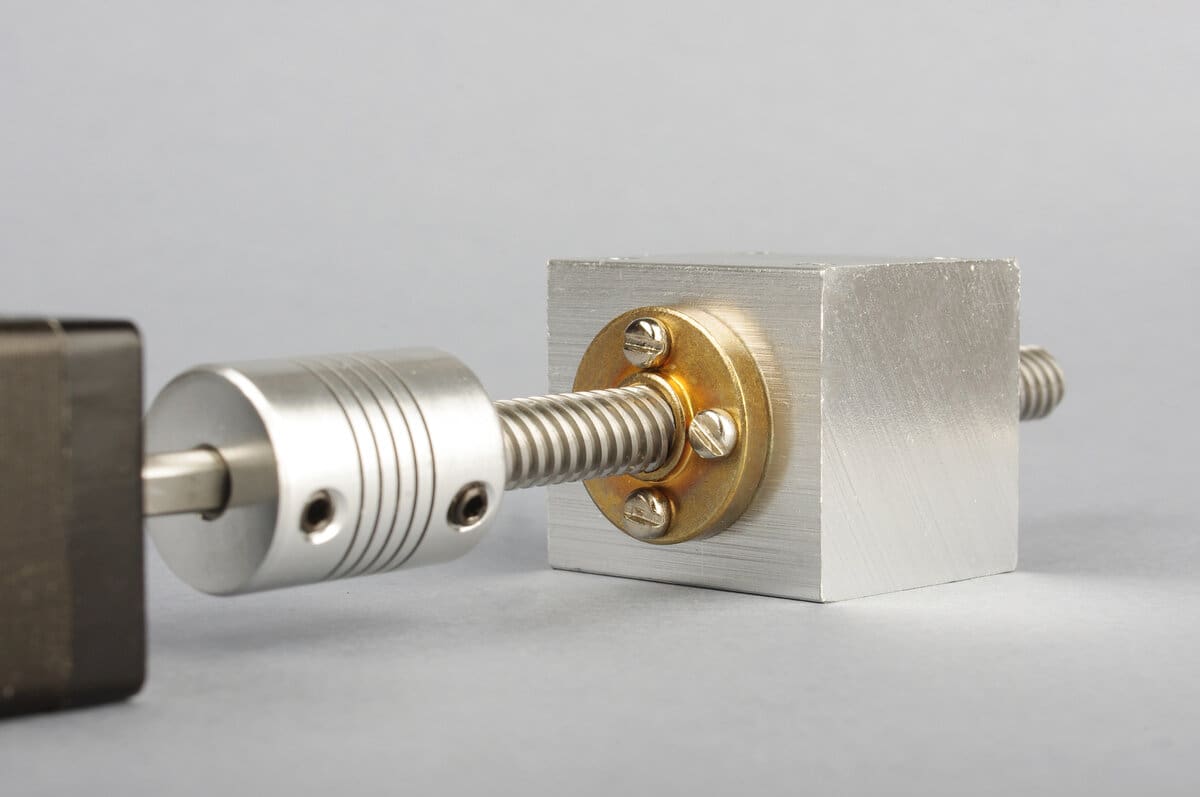
If you’ve ever pushed a little button and seen something quietly lift, slide or open on its own… you’ve probably seen a linear actuator in action. They’re tiny, powerful devices that transform our energy into action in straight lines; we use that kind of action more often than we’d like to admit. Although the word “actuator” may seem technical, the concept behind it is surprisingly simple.
Consider it a muscle for machines. What do you want? Do you need things moving forward or back? A linear actuator is the component that actually acts. Let’s go over what they are, how they work and where you will see them again and again every day (whether or not you ever notice them).
Find Out More About Linear Actuators Before You Use Them
What is a linear actuator? In mechanical physics, linear actuators produce straight-line motion. That’s it. Not circular. Not spinning. Just forward and back. The actuators we use today are primarily electric, that is, driven by regular electricity and powered by a miniature motor inside. It extends or retracts when you push a button – the actuator is doing heavy lifting for you. So why not just use a motor directly? Because a motor naturally spins, but many aspects of the real world take pushing, pulling, lifting or sliding – motions that need to be linear. That’s where linear actuators come in: they convert rotary movement to linear movement.
Where You’ve Already Seen Actuators Without Recognizing It

Get the Green Building Project Checklist
Use this handy checklist on your next project to keep track of all the ways you can make your home more energy-efficient and sustainable.
Perhaps you encounter linear actuators in your life more than you consider. They’re present throughout modern homes, offices and even automobiles. Here’s a list of some places where actuators are at work:
- Rising desks with a push of a button.
- Recliner chairs that tilt back evenly.
- Hospital beds that shift their position for comfort.
- Kitchen cabinets that have hidden lift mechanisms.
- TV lifts to slide a screen out of the cabinet.
- Solar panels that line up with the sun.
- Car trunks that open automatically.
- Smart windows or ventilation systems that open/close on time or properly.
How Linear Actuators Actually Work in Real Life
Inside an electric linear actuator, there’s a miniaturized DC motor that spins when it’s powered. This spinning turns a screw, which moves a nut, which pushes the rod in or out. It’s essentially a similar idea as twisting a screw into a piece of wood — but the motor does the twisting, and the actuator moves smoothly in a straight line instead.
What makes them seem so effortless is that actuators integrate electrical power, mechanical parts and control electronics to make your motion strong but still really controlled. You’ll get clean starts and stops, steady speed and precise placement. That’s why they’re used anywhere in the real world where reliable movement is required, especially many times a day.
WATCH || How linear actuators work
Why Linear Actuators Are So Popular Nowadays
Ten or fifteen years ago, actuators were the norm in industrial machines and up-to-the-minute equipment. Today they’re appearing all over, especially among modern buildings, office spaces and everyday DIY projects. Here’s why they’re booming in demand:
Easy to implement – Many electric actuators require only a power source and a switch: no complex hydraulic systems or air compressors. A great option for anyone doing a DIY project.
Quiet – Electric actuators are particularly smooth and nearly silent, making them ideal for furniture, home automation and medical equipment.
Strong – Even small actuators can lift surprising weights. A compact actuator, for instance, can easily lift a hefty TV entirely out of a cabinet.
Dependable – Electric actuators have fewer moving parts than hydraulic or pneumatic ones, so they last longer in operation with near-zero maintenance requirements.
Open up a world of creativity – Actuators enable the operation of hidden doors, automatic pet feeders, smart shelves and many other devices. Once you can understand how they work, there are also infinite possibilities.
Real-life Examples That Make Actuators Easy to Understand
TV Lift Cabinet
Picture a cabinet with a TV. By pressing a button, the TV rises smoothly from the top. When you’re finished, it slides back down and disappears. That is an actuator lifting and lowering the screen.
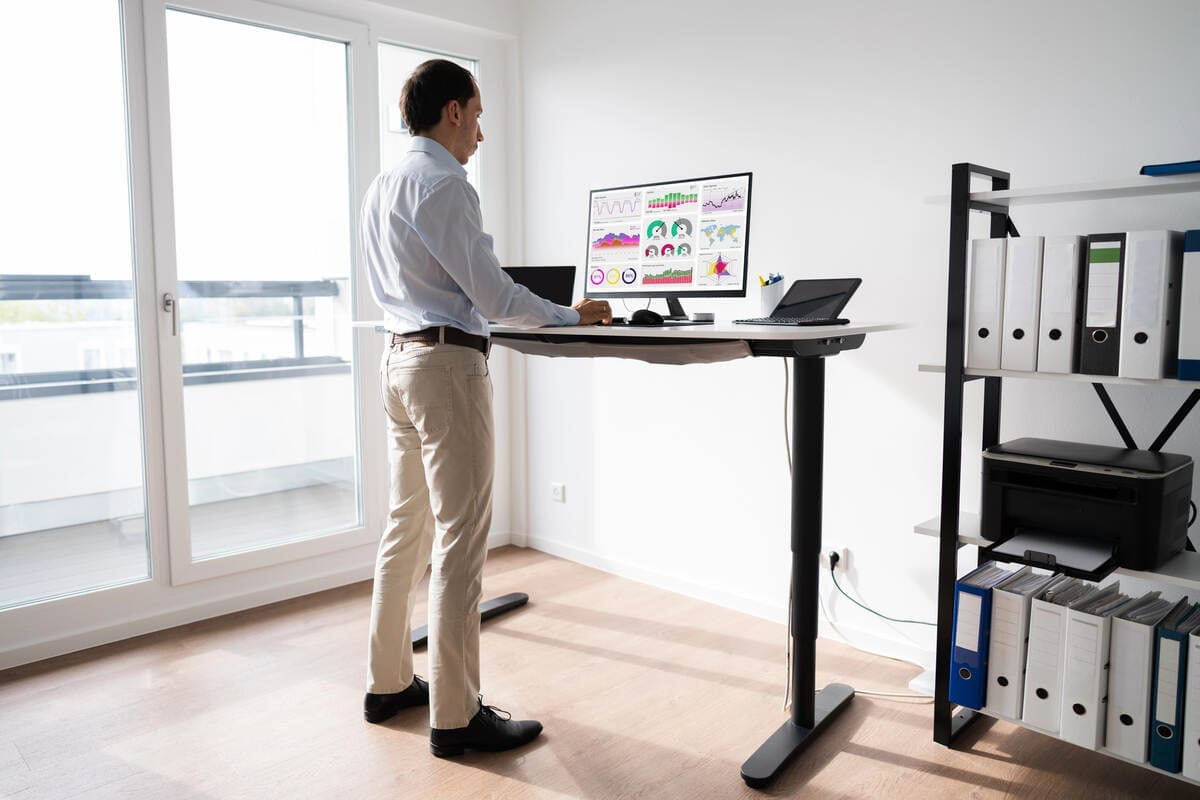
Adjustable Standing Desk
Standing desks utilize actuators for perfect height control. They shift the tabletop up and down smoothly so your posture stays comfortable whether you’re sitting or standing.
Smart Window Opener
Instead of forcing a window open manually, a linear actuator pushes it outward automatically, shutting it once more whenever it rains or when the room cools down.
Hidden Storage System
Some modern homes today have concealed compartments, some of which open when a button is pressed. Actuators slide panels, lift lids or expose shelves that remain concealed until needed.
These examples demonstrate how actuators automate basic chores, creating spaces that are more practical, modern and energy-efficient. If you’re developing any product that requires the object to move very smoothly in a straight line, you will find that a linear actuator is the practical solution. They’re perfect for: home automation, custom furniture, smart DIY inventions, robotics, car modifications, workspace upgrades and industrial tasks. Their best feature? You don’t have to be an engineer to use one.
Today’s actuators are built to be beginner-friendly: plug them in, wire them with a switch and you’re ready to roll. Linear actuators can be small, but they create a monumental impact. They lift, open, close, slide and settle stuff for us – quietly, efficiently and reliably.
When you start to notice them in everyday life, you are going to find them everywhere in a short amount of time and it can lead to all sorts of smart upgrades, cool DIY projects and simple automation ideas. A linear actuator can be exactly the tool you want: whether you are designing a rising desk, automating a cabinet or designing something entirely new.
Images from Depositphotos
