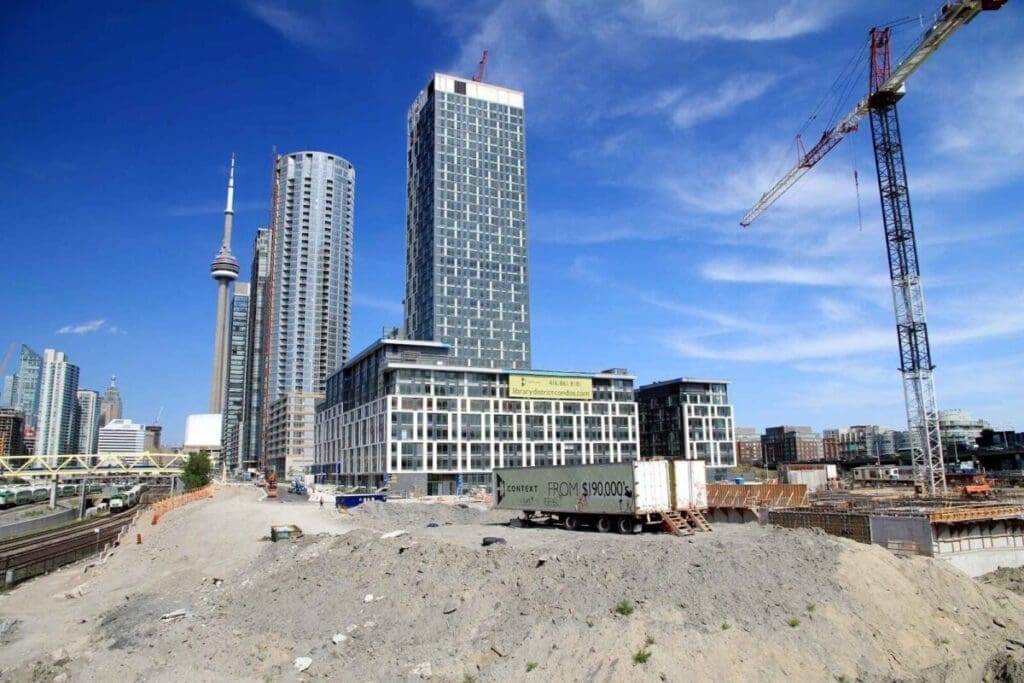

Canada’s housing shortage goes hand in hand with its labour shortage. Though many factors contribute to the housing crisis, a lack of labour is one of the main issues. Without enough skilled workers, housing projects face delays, increased costs and reduced overall output, exacerbating an already strained market. In this report we address the reasons for the labour shortage in construction, how the shortage impacts housing supply as well as solutions to the problem.
The Scope of the Labour Shortage in Construction
The construction industry is facing a severe workforce deficit. According to BuildForce Canada, “the industry could face a recruiting gap of more than 85,000 workers by 2033.” A combination of an aging workforce, declining interest in skilled trades among younger generations and immigration bottlenecks has contributed to this shortage. And to give an idea of the scope of the housing shortage, the CHMC stated that approximately 5.8 million new houses need to be built by the year 2030 so as to recover affordability in the country’s housing sector. That’s a lot of homes that need to be built with less people to build them.
Aging Workforce and Retirement
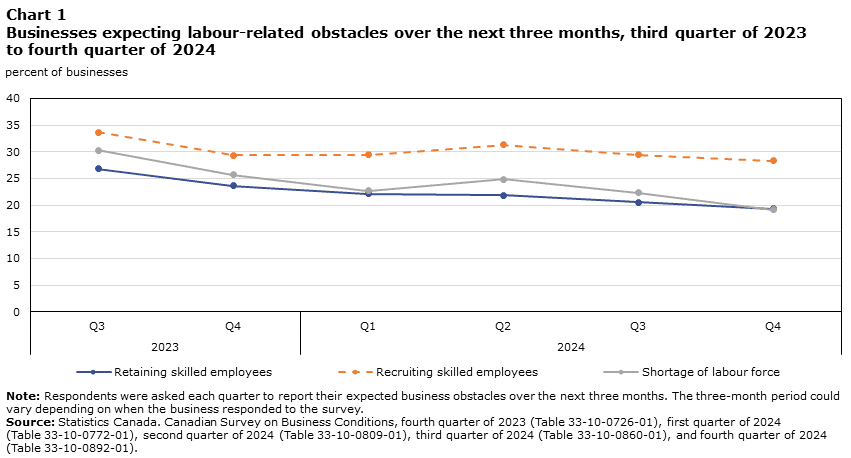
A significant proportion of Canada’s construction workforce is nearing retirement. In one report on the matter, Canadian Home Builders’ Association estimates that 22 percent of residential construction workers will retire over the next ten years. Many skilled tradespeople, such as carpenters, electricians and plumbers, are aging out of the workforce faster than they are being replaced. This generational shift is leaving gaps that the industry struggles to fill.
With a declining fertility rate, Canada won’t be turning to its youth in any big way to fill this labour shortage. The fertility rates per female have been plummeting, from 1.51 in 2017 to 1.33 in 2022. Having fewer new entrants to the workforce in the future foretells a continuing trend in labour shortages.
Which leaves immigration. It’s one way the country plans to fill the shortage of jobs. Given the labour shortage, it makes it is easier to find jobs in Canada for foreigners than in many other countries, which is one of the reasons the country is at the top of prospective immigrants’ lists. However, here too, there are challenges.

Get the Green Building Project Checklist
Use this handy checklist on your next project to keep track of all the ways you can make your home more energy-efficient and sustainable.
Immigration and Labour Supply Challenges
Canada relies on immigration to fill gaps in the labour market, but the construction industry faces difficulties in attracting and retaining foreign workers. Many skilled trades require certifications and licensing that may not align with foreign credentials, leading to bureaucratic hurdles for immigrants who are otherwise qualified. Additionally, many new immigrants are drawn to other industries, limiting the construction sector’s access to this growing talent pool.
On top of the aforementioned problems, the federal government is now reducing immigration levels after a post-Covid influx of immigrants that was well above the normal figures for immigration. This influx actually contributed to the housing shortage as well as straining social services, so the government reduced it significantly to the point that the country’s population is expected to decline in both 2025 and 2026 before starting to increase again.
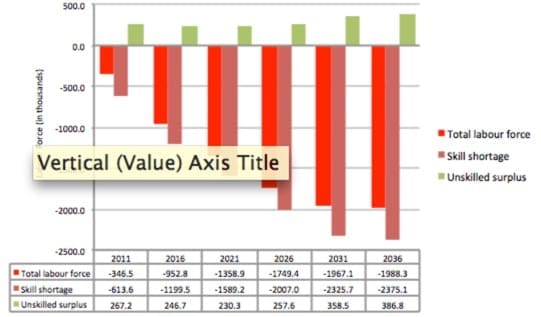
Another problem the country faces is a mismatch of labour. There is both a skills shortage and a surplus of unskilled labour. This problem can, however, be partly addressed through skills training programs.
Canadian Labour Force Balance
Declining Interest in Skilled Trades
For years, young Canadians have been steered towards university education over trade schools. Construction jobs are often perceived as unattractive by younger generations who have grown up in a digital environment. As well, many youth now grow up wanting to work remote jobs. As a result, fewer workers are entering the skilled trades, despite the high demand and competitive salaries available. Even with government efforts to promote apprenticeships and vocational training, uptake remains lower than required to keep pace with demand.
How the Labour Shortage Impacts Housing Supply
Delayed Construction Timelines
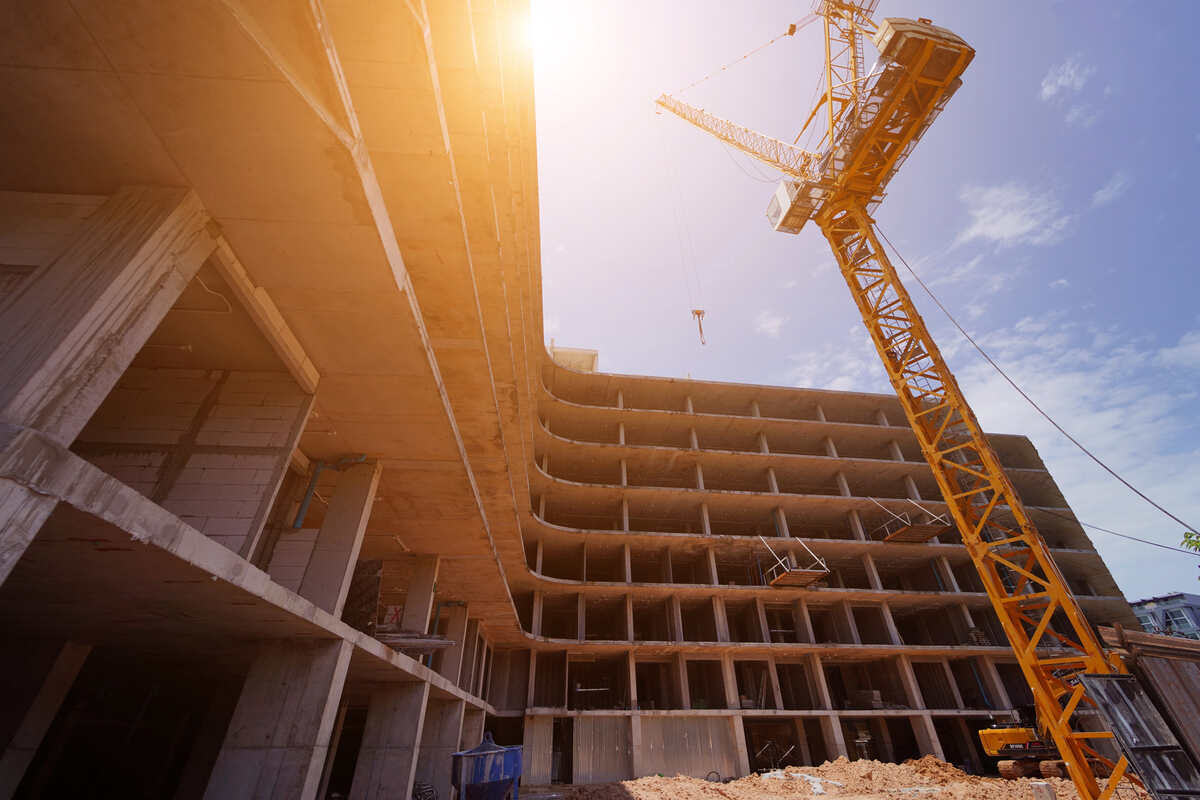
With fewer workers available, housing projects take longer to complete. Contractors struggle to staff job sites, leading to extended timelines for everything from single-family homes to large-scale residential developments. These delays mean that even when new housing projects are approved, they cannot be completed at the speed necessary to meet demand.
Increased Costs
A shortage of workers drives up labour costs, as contractors must offer higher wages to attract and retain talent. These increased costs are then passed on to developers and, ultimately, homebuyers and renters. In an already expensive housing market, this exacerbates affordability issues.
Limited Capacity for New Builds
When construction firms cannot find enough skilled workers, they may be forced to scale back operations or reject new projects. This limits the number of housing units that can be built each year, further constraining supply at a time when demand continues to rise.
Potential Solutions to the Labour Shortage
Expanding Training and Apprenticeship Programs
To address the shortage, Canada must invest in trade education and apprenticeship programs. Encouraging young people to enter the trades through scholarships, outreach programs and early exposure in schools could help build a sustainable workforce.
Additionally, expanding partnerships between industry leaders and educational institutions can help ensure training programs align with current workforce needs. By creating clearer career pathways and promoting the benefits of skilled trades, more individuals may be encouraged to pursue these vital roles.
Streamlining Immigration for Skilled Trades
Policies that make it easier for skilled tradespeople to immigrate to Canada and have their credentials recognized could help fill the gap. In 2024, $50 million was allocated to the Foreign Credential Recognition Program. The main focus was on industries such as residential construction to speed up the integration of skilled trades workers. With Canada anticipating 395,000 new permanent residents by 2025, it is critical to help globally qualified professionals get work that is consistent with their degrees and training. Faster certification processes and targeted immigration programs could provide a much-needed boost to the workforce.
Construction industry executives and experts are advocating for more flexible immigration restrictions, such as lowering language competence requirements and concentrating on talents that fit particular sector needs. By resolving these difficulties, the construction sector will be able to better access a pool of talented foreign workers and fulfill the expanding labour demand as well as benefit from the talent and knowledge that these individuals offer.
Modernizing Construction Methods
Innovative building technologies, such as modular construction and automation, could help mitigate labour shortages by improving efficiency. Prefabricated homes and other advanced construction techniques reduce the need for large on-site labour forces while speeding up project completion.
Canada’s construction labour shortage is a significant barrier to solving the housing crisis. It is a multifaceted issue caused by a number of variables from changing demographics to a declining interest in skilled trades. Without enough skilled workers, housing projects take longer, cost more and fail to meet growing demand. Addressing this issue requires a combination of education, immigration reform and technological innovation. By taking proactive steps, Canada can work toward a more sustainable housing market and ensure that new homes are built at the pace needed to support its growing population.
By Serhii Stepanysko
Images from Depositphotos