Summer in Canada isn’t what it used to be. With longer heatwaves and rising electricity prices, it’s becoming more important than ever to find practical ways to stay cool without relying too heavily on air conditioning.
Yes, the AC is a lifesaver, but overusing it can strain your budget and the environment. So, what can you do? Plenty, actually. From smarter airflow to small lifestyle tweaks, here are simple, tried-and-tested ways to cool your home without running your AC all day.
Add a Layer of Protection to Windows
There are a few options for blocking the sun out, both of which are DIY jobs and are especially helpful if you have large windows or live in a sunnier area. Solar screens are a great way to keep heat from sneaking in through the glass. These fit over your windows and are designed to block sunlight without totally shutting out the view or airflow. You could also apply a film, which functions similarly to a low-E coating that would be integrated into the window itself. We go into these in more detail in this article.
Make the Most of Fans
Fans don’t cool air, but they do help you feel cooler by speeding up the evaporation of sweat. It’s science, but more importantly, it’s effective.
Set your ceiling fan to spin counter-clockwise during summer. This pushes air down and helps create a breeze. No ceiling fan? A box or pedestal fan in front of an open window in the evening can pull in cooler outside air.

Get the Green Building Project Checklist
Use this handy checklist on your next project to keep track of all the ways you can make your home more energy-efficient and sustainable.
And remember, there’s no point running a fan in an empty room. They cool people – not spaces.
Close the Curtains
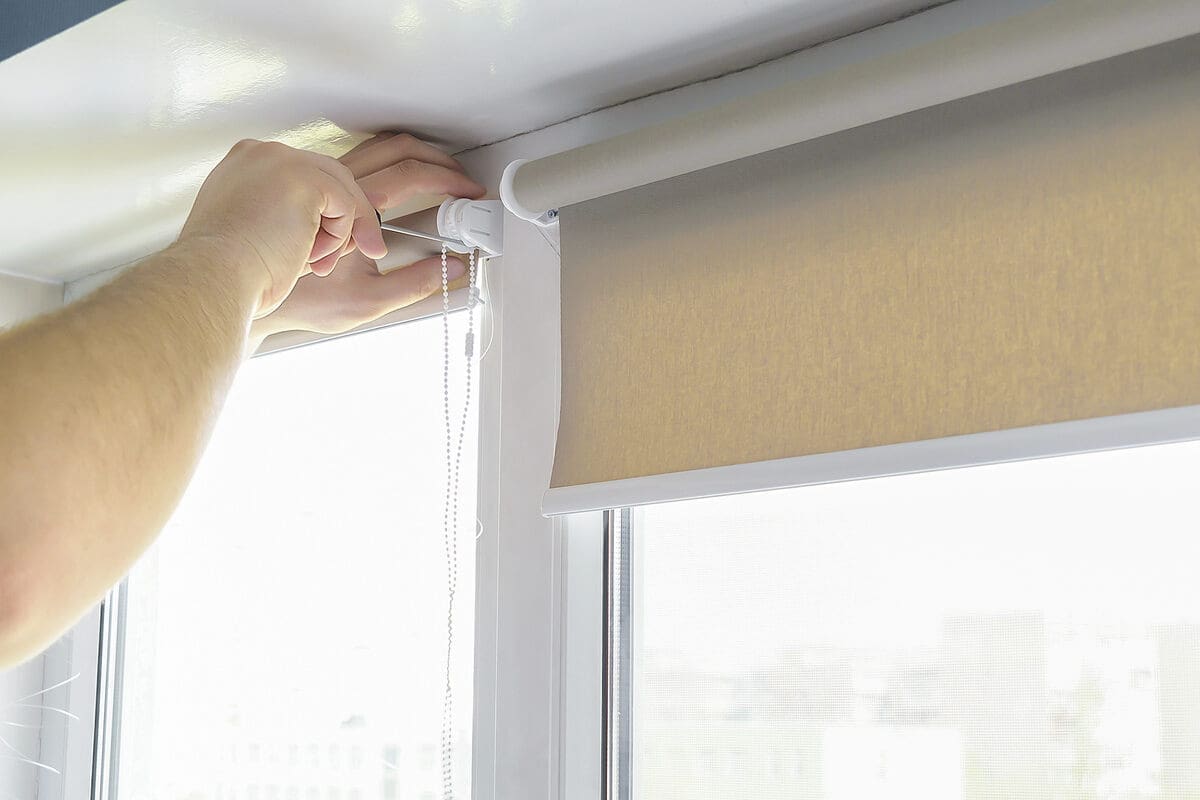
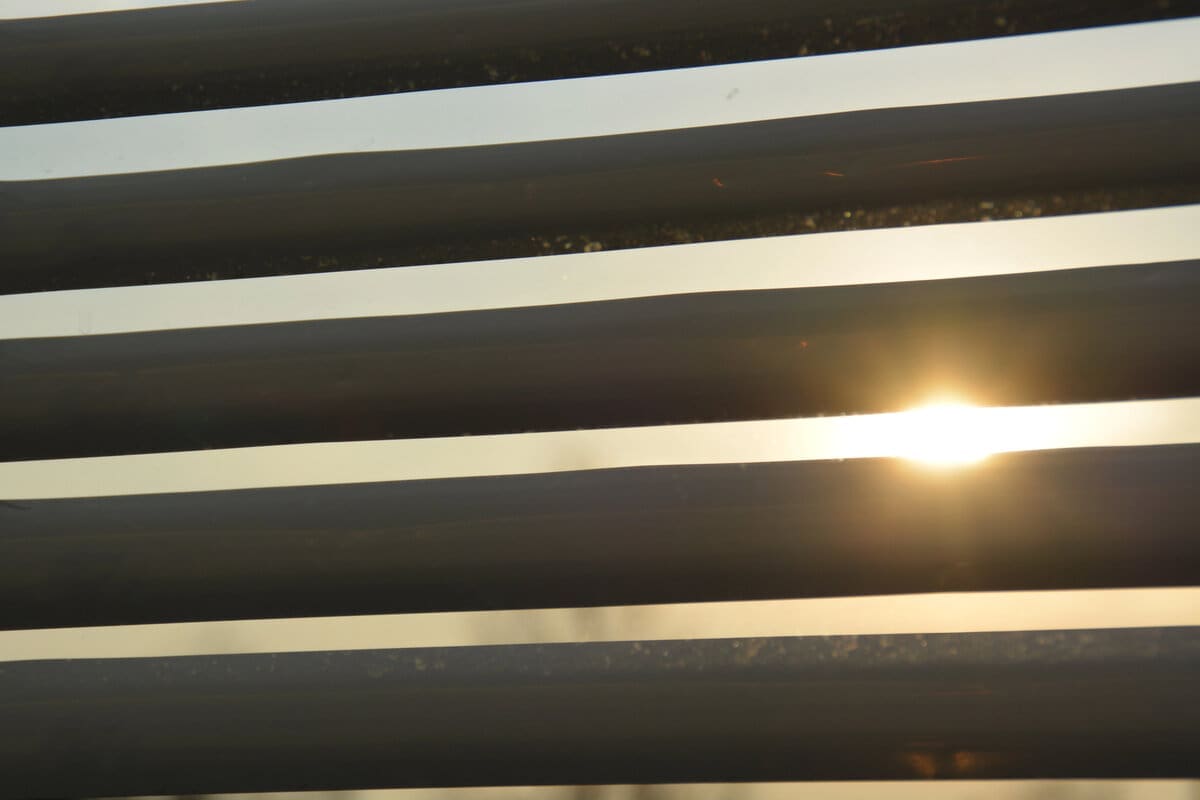
It might sound obvious, but many of us forget just how much heat enters our homes through windows. During the day, especially in the afternoon, keep your blinds, curtains or shades closed – particularly on windows that face the sun.
Opt for thicker or reflective window coverings if you can. Blackout curtains aren’t just for sleep – they also act as insulation, keeping the heat out and the cool in. If you want to go further, look into outdoor awnings or even reflective window film.
Ditch the Oven
Cooking a roast dinner in the middle of a hot afternoon? Probably not the best idea.
Ovens and stovetops can heat up your kitchen fast. Try to avoid them when it’s hot out. Stick to cold meals, light cooking or use appliances like microwaves, slow cookers or air fryers. Better yet – fire up the barbecue and take the heat outside. If you have to cook inside, consider switching to induction stoves. They’re both more efficient and dump less heat into the home.
Embrace Natural Airflow
If the temperature drops at night, open up your windows. Let that cooler evening air drift in. Open windows on opposite sides of your home to encourage a cross-breeze. You’ll be amazed how quickly a stuffy room can feel fresh again.
In the morning, shut everything tight: windows, curtains, blinds. Trap that cooler air in before the heat kicks in.
Read more on this topic in Using Cross Ventilation to Improve Airflow in the Home.
Plug the Leaks
It’s not just a winter problem. Drafts and poorly sealed windows can let hot air sneak in and cool air escape. Start by sealing any gaps or cracks around windows and doors with weather stripping or caulking. This simple fix can prevent hot air from creeping in. It’s one of those weekend jobs you’ll wish you’d done sooner. If your windows are beyond repair, consider window replacement. It’s a costly, but necessary, investment in your home.
Let Nature Help

Don’t underestimate the power of a well-placed tree or shrub. Landscaping can provide natural shade that cools the exterior of your home and that means less heat getting inside.
Planting a tree on the west side of your house can shield it from the intense afternoon sun. Even climbing vines or tall bushes near windows can help cut down the heat. Plus, it looks good too.
Swap Out the Bulbs
Still using traditional light bulbs? It might be time for an upgrade. Incandescent bulbs are inefficient. Only 5 to 10 percent of the electricity they consume gets converted into light – the remaining 90 to 95 percent gets turned into heat. That heat can add up in the warmer months.
LEDs by contrast convert 80 to 95 of electricity into heat with the remaining 5 to 20 percent being turned into heat. They also use 75 percent less energy and last 25 times longer than incandescents, so you’ll save money down the road. It’s a small change that can make a difference in how warm your rooms feel.
Choose Lighter Fabrics
Dark colours and heavy materials tend to trap heat. In summer, switch to light-coloured linens or cottons for your bedding, curtains and furniture covers. They reflect sunlight instead of soaking it in and help your rooms feel breezier. It’s a seasonal style update that pays off in comfort.
Be Smart About AC Use
You don’t have to stop using your air conditioner altogether, just be strategic. Set the thermostat a few degrees higher than usual. It might feel different at first, but you’ll adjust quickly and the savings will follow. It’s amazing what the human body can adapt to if given the chance. We tend to be accustomed to cool indoor temperatures in the summer because we’ve become reliant on air conditioning.
If you have a programmable or smart thermostat, use it to cool the house right before you get home, not while you’re away. And shut doors to rooms you’re not using so your AC isn’t working harder than it needs to. There are also a number of helpful tips out there on how to reduce energy use while keeping your home cool, including some focused specifically on air conditioning efficiency at home.
You don’t need to do a full home renovation to beat the heat. Often, it’s the small habits like closing curtains, sealing gaps, turning off lights, that make the biggest difference. By combining a few of these tricks, you’ll not only reduce your reliance on AC, but also enjoy a cooler, more comfortable home. And two other benefits are that you can reduce your utility bill and you’ll be using less energy so it’s better for the environment.
Read more on this topic in Traditional and Modern Passive Cooling Strategies for Buildings
Images from Depositphotos