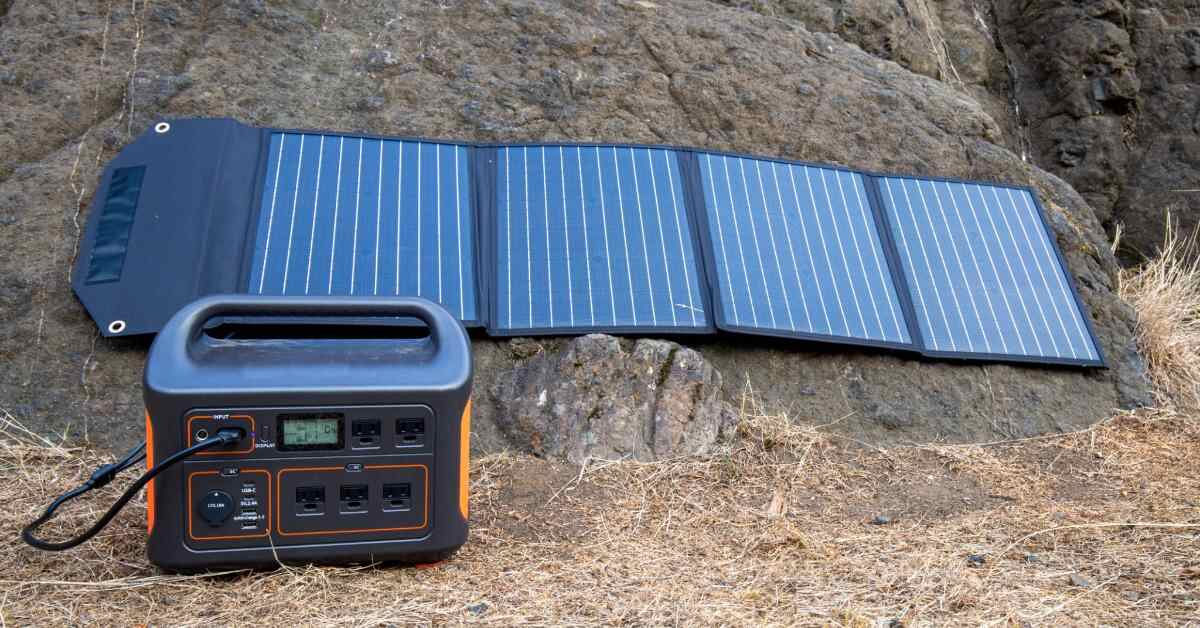
Whether you’re living off the grid or just want an emergency backup for your home, having a generator on hand is always convenient and provides peace of mind. When there’s no other source of electricity to power your appliances and tools, it’s a generator that saves the day.
In terms of power generation, there are three main types to consider, solar, inverter and gas generators. While gas and inverter generators do have certain advantages, if you want an eco-friendly generator, solar is the right option. In this side-by-side comparison we look at these three in depth, show you which option is best for which application and then go on to suggest specific models.
Solar Power Generators
How Does a Solar Power Generator Work?
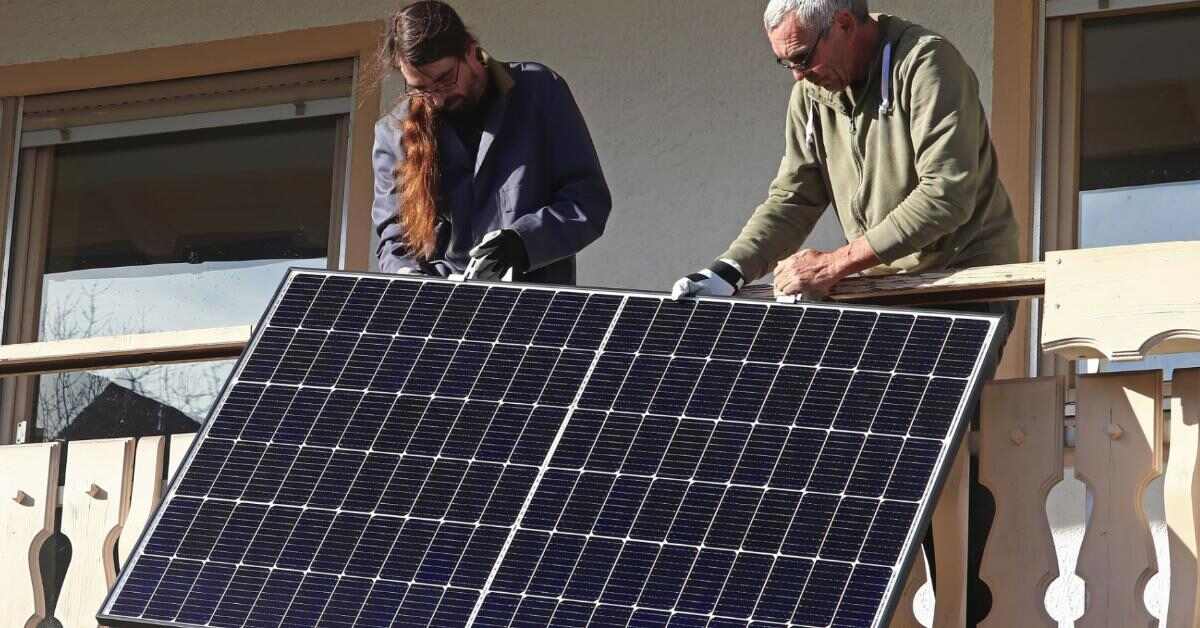
Solar power generators function the same as solar photovoltaic systems, except on a smaller scale. Solar panels convert sunlight into DC electricity. The inverter converts that DC electricity from the generator to AC electricity to power your devices and appliances. The battery stores electricity for later use (in most cases it’d be either a lithium-ion or lead-acid battery).
Pros
Clean energy source that’s environmentally friendly – Solar generators harness energy from sunlight, which is renewable and abundant. Their operation produces no greenhouse gases or air pollutants, contributing to cleaner air and a reduced carbon footprint.

Get the Green Building Project Checklist
Use this handy checklist on your next project to keep track of all the ways you can make your home more energy-efficient and sustainable.
Low operating costs – Since sunlight is free, they have minimal operating costs. They also require little maintenance compared to gas generators.
Quiet – Since they don’t have moving parts, solar generators operate silently, making them ideal for residential areas or anywhere noise is a concern.
Cons
Dependent on sunlight – Since solar depends on sunlight availability you can’t rely on them in areas with frequent cloud cover or limited sunlight.
Storage and backup needed – Adding to the last point, in order to have a continuous supply of power at night or on cloudy days, solar generators require battery storage. Batteries add to the initial cost and require replacement over time.
Upfront costs – Initial cost is high, however, operating costs are less since you save on fuel. Additionally, costs for solar panels have been decreasing recently as production has increased.
Best Uses for a Solar Power Generator
Solar generators are great for home, RV or off-grid because they’re quiet, don’t emit any greenhouse gases or other pollutants, and some models have even become powerful enough to provide backup for a home, able to power appliances like your refrigerator and air conditioner. That said, all that power comes at a high cost. And the capacity and ability to power appliances is limited by the weather, specifically the amount of sunlight as well as the size of the battery. However, prices for solar are dropping as the technology improves and becomes more widespread.
Because solar power generators rely on the weather and are somewhat limited in terms of their power output, they aren’t as commonly used on construction sites. If you’re doing a large renovation and have multiple tools going that have higher power demands, your average portable solar system likely won’t be sufficient. That being said, these systems are becoming larger and more powerful. And if your tools mostly run on batteries it’s even more likely you can get by with a solar generator at a reasonable cost.
Gas Generators
We then have the gas generator, which instead of using solar power to create electricity, runs on gasoline (or diesel or propane). Gas generators are often used for construction sites, emergency power and for areas that are not connected to a local grid.
How Does a Gas Generator Work?
A gas generator produces energy using the same principle of combustion that an automobile engine runs on. They burn gas in an internal combustion engine that creates mechanical energy, which is harnessed and converted into electrical energy by the alternator. Gas generators are quite reliable as long as you have fuel for them and will produce consistent power regardless of the weather.
Pros
High power output – Gas generators can provide high power output suitable for running large appliances or tools, making them versatile in emergency situations when the power goes out or for heavy-duty use on a job site.
Instant power – Gas generators can provide immediate power on demand, regardless of weather conditions or time of day, as long as there is fuel available.
Cons
Produce emissions / bad for the environment – Gas generators spew harmful emissions like carbon dioxide, nitrogen oxide and sulfur dioxide that contribute to air pollution and climate change. Because of these emissions they also require proper ventilation.
Fuel dependent – Since gas generators require a constant supply of fuel you have additional operating costs to deal with and you have to remember to stay stocked with fuel.
Noisy – Gas generators are quite noisy during operation, so they’re not the ideal choice for residential neighbourhoods.
Maintenance – Require regular maintenance such as oil changes, filter replacements and occasional repairs.
Best Uses for a Gas Generator
Gas generators are useful for backup power in the home, mainly because they can produce consistent power as long as you have fuel for them and they are strong enough to power fairly large appliances, such as air conditioners and fridges. They are reliable in the sense that as long as you have gas you can power them. And they are a cheaper upfront investment than solar generators.
The downside is, of course, that these generators are not eco-friendly in the least, they smell bad, they’re loud, you need to always have fuel on hand, and they need a good deal of maintenance too.
For construction projects that need to power a lot of large tools, a gas generator is generally the better option. But if the project is smaller in size and you just have a few tools going, and some of those tools are battery powered, then solar would be the way to go.
Inverter Generators

Inverter generators are similar to gas generators in that they run on fuel, but they have some key differences. They are quieter, they provide clean power and they’re more energy-efficient. However, they’re generally less powerful.
How Does an Inverter Generator Work?
An inverter generator produces energy similarly to conventional gas generators through combustion, but they differ in the conversion of that power. Inverter generators convert the power in multiple steps from AC to DC and then back to AC to produce clean power that has a consistent voltage and frequency, which results in improved fuel efficiency, quieter operation and a stable power supply that’s suitable for sensitive electronic devices.
Pros
More energy efficient and quiet – Inverter generators are more fuel-efficient and quieter than traditional gas generators. They adjust their engine speed based on the load, saving fuel and reducing noise during lighter loads.
Clean power output – Inverter generators produce stable and clean power that’s suitable for sensitive electronics like notebooks and smartphones, with less risk of damage compared to conventional generators.
Cons
Cost – Can have higher upfront costs compared to conventional gas generators, however, they are more fuel efficient, so they save on operational costs.
Limited power output – Typically do not provide as high a power output as traditional gas generators, limiting their suitability for powering large appliances or heavy-duty tools.
Maintenance – While generally more reliable than conventional generators, inverter generators still require regular maintenance such as oil changes to ensure proper functioning.
Best Uses for an Inverter Generator
Inverter generators are a middle-of-the-road option. They’re a more energy efficient version of gas generators that are also quieter and provide clean electricity that’s safe for sensitive devices. So they can be a good pick for situations where you can’t get a powerful enough solar power generator for the price you’re willing to spend, but are still looking for a unit that’s more energy efficient, quieter and provides clean electricity.
Recommended Solar Generators
Here are some recommended solar power generators based on different use cases. We’re only recommending solar options because we feel it’s the better choice for the environment and technology is improving quickly which is driving down costs. They have even become powerful enough to provide backup for a home.
Best All-Round Solar Panel Kit
The EcoFlow Delta 1800 Complete Solar Panel Kit is an excellent all-rounder for a variety of uses. It’s an all-in-one package that comes with high-performance panels, integrated battery, inverter, a charge controller and several AC outlets. It’s an 1,800 W system good for 1,300 Wh, enough to power several small appliances and devices at the same time. It’s portable at just 31 lb (14 kg), easy to use and durable.
Best Backup Solar Power Generator for Home
The EcoFlow 12kWh Power Station proves that you don’t need a gas generator anymore to provide backup for your home. This beast of a generator has a base output of 7,200 watts, but if you triple the inverters you can increase that to 21.6kW of AC output. The battery is huge too. The unit comes with one 6kwH battery, but there too it can be scaled up to 15 batteries for an impressive 90kWh. But even the base unit alone is powerful enough to handle almost any heavy household appliance like a 3 ton AC unit.
Best Solar Generator for Construction
If you need to run tools on a job site, the Bluetti AC200P is an option worth looking into. It’s rated at 2,000 W (4,800 W surge) and is able to produce 2,000 watt-hours of power. It comes with a whopping 17 outlets, allowing you to power a few smaller tools and gives you 7 different ways to recharge, making it a versatile option with substantial enough power to run multiple tools.
Best Solar Off-Grid Power Generator
The Hysolis MPS3K is capable of producing 3,000 watts of continuous power with a 6,000 watt surge. It comes with a high-capacity 4,500 Wh battery. The manufacturer states that this unit can provide up to 25 years of reliable power.
Best Small Portable Solar Power Generator
When it comes to portability, the lightweight and compact Jackery Explorer 500 is the way to go. It might only have 518 watt-hours of power behind it, but this should be more than fine for camping and small emergencies. With a foldable handle, ergonomic design and rugged build weighing just 13.3 lb (6 kg) it’s a handy generator to carry around.
Making a DIY Solar Generator vs Getting an All-in-One Kit
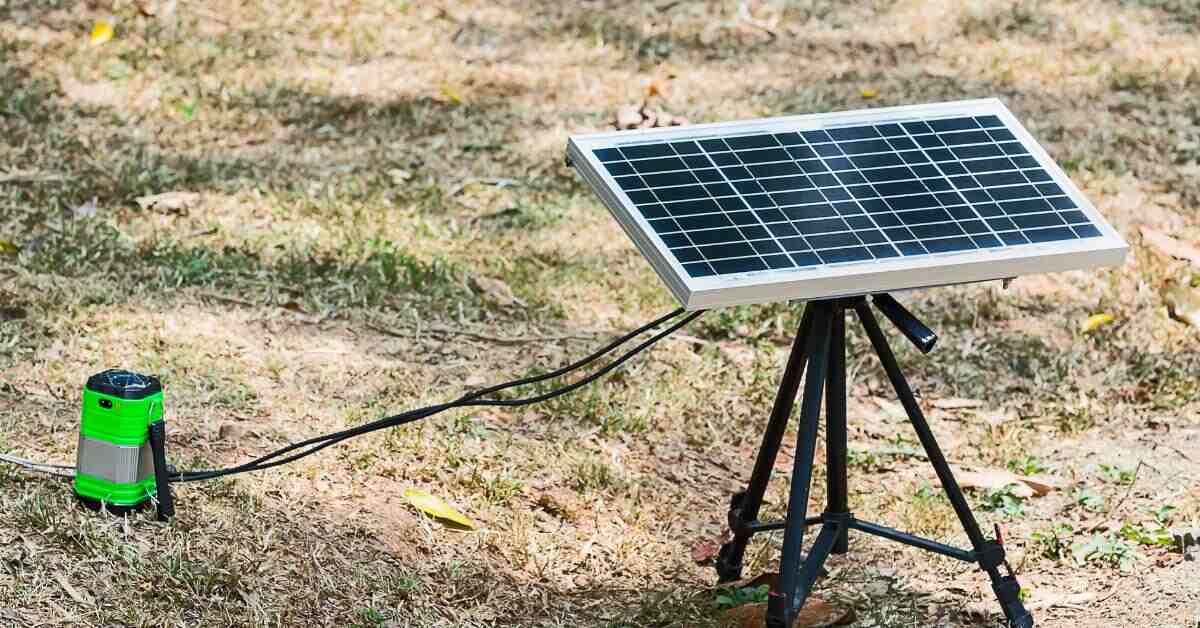
You might be on the fence about whether to get an all-in-one solar power generator kit or go the DIY approach.
What this really comes down to are the following variables: time, money and your interest in making things.
If you want to make your own DIY solar generator you’ll have to source all the parts (solar panels, battery, inverter, etc.) then spend the time putting it together, which takes way longer than going online, clicking a few buttons and ordering an all-in-one unit that you can open the box and be ready to use.
Though time is usually the inverse of money, that does not ring true in this case. Through economies of scale, manufacturers are able to churn out relatively inexpensive all-in-one systems that can cost less than if you built your own.
The deciding factor is usually the enjoyment factor. If you like tinkering around with electronics, building things or just, in general, gaining the satisfaction of having created something with your own hands, then the DIY route is the one for you. You’ll get a lot of pleasure and pride out of creating your own power source. It’s something you can’t really put a dollar figure on. As long as you have the technical know-how and are up for the challenge it’s a good option that will work well for you.
But if that’s not the case, it’s worth opting for an all-in-one generator as you’re going to get a product that is no fuss, simple to operate, low maintenance and has a warranty so it’s guaranteed to last.