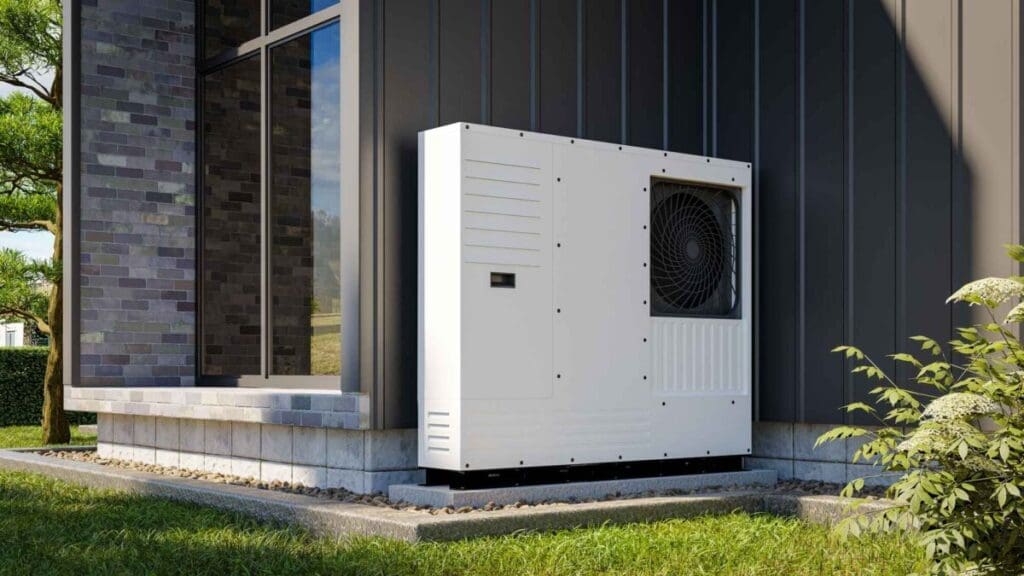
So you’ve decided to pull the trigger and swap your old boiler for a new energy-efficient one. With today’s high gas prices, installing an energy-efficient boiler is a smart move that could significantly reduce your energy consumption. Or, of course, you take it a step further and install a heat pump, but for this article we’re focusing on boilers.
A boiler is a big investment. You want to get it right so you don’t end up with costly repairs down the road. Here are some essential tips to know about before installing a new boiler.
Signs You Should Install a New Boiler
If you’re waiting to install a new boiler when your old one conks out, the question then is: how do I know when my old one is on its last legs? Here are some questions you can ask that will help you figure it out.
- Your radiators have started taking hours before heating up.
- The flame is yellow instead of the usual blue.
- It emits bad smells.
- Your bills recently started trending up for no apparent reason.
- The boiler malfunctions frequently and sometimes even turns off unexpectedly, leaving your home without warm water and heating.
- You can’t find boiler replacement parts because the company discontinued them.
- Your boiler has started making weird noises you’ve never noticed before.
- The old boiler experiences frequent pressure drops.
- Your boiler is older than 15 years and has demonstrated some or all of the broken boiler signs above.
Choose a Suitable Boiler Type: 4 Common Gas Boiler Types
There are four main gas boiler types:
Get the Green Building Project Checklist
Use this handy checklist on your next project to keep track of all the ways you can make your home more energy-efficient and sustainable.
- Conventional boilers
- Combination boilers
- System boilers
- Condensing boilers
1. Conventional Boilers
Also known as regular, heat-only or traditional boilers, these systems have a separate hot water cylinder to store hot water and most also have a separate cold water tank to supply water. Unlike combi boilers, heat-only boilers do not heat water on demand via a heat exchanger.
They’re suitable for larger homes with multiple bathrooms, high hot water demand, adequate space for the water tanks or a home with low mains pressure.
2. System Boilers
Also known as closed vent or system sealed boilers, system boilers work similarly to conventional boilers. System boilers incorporate the heating and hot water system components into one compact unit, eliminating the need for a separate cold water tank in the loft. Think of them as a modern upgrade to their conventional counterparts.
They work well for for larger homes with multiple bathrooms, high hot water demand, existing heating systems, especially if they have limited space.
3. Combination Boilers or Combi Boilers
Combi boilers combine the functions of a water heater and central heating boiler into one unit, providing hot water on demand without the need for a separate hot water tank. This boiler type connects to the mains cold water supply. And it heats water instantly when requested, using a built-in heat exchanger.
They’re space-saving and energy efficient, making them popular for smaller homes and apartments and anyone interested in saving energy and costs.
4. Condensing Boilers
Condensing boilers are designed to extract additional heat from the combustion gases through a condensing process, increasing efficiency. They can be either conventional, system, or combi boilers, but they’re known for their high efficiency and lower energy bills compared to non-condensing models.
Good option for those in the market for a gas boiler who want to reduce their energy consumption are are willing to pay the higher upfront investment to get that.
How Disruptive Will the Boiler Installation Be?
The time you’ll stay without heating would be equal to how long the boiler technician would take to switch out the old one. For perspective, replacing an old combi boiler with the same model can take between a few hours and less than a day.
But what if the installation requires knocking out walls, reworking the pipework, or moving the boiler from one floor to another? This scenario might necessitate a more involved project that could take a few days to complete.
Where Will You Stay During the Install?
If the project will take a few days, you’d likely have to find accommodation elsewhere though it may be possible to continue living in the house depending on the extent and location of the work that needs to be done.
What if the install team needs to know where to route pipes? Being there in person could make their work easier, so it’s best to find a place that’s not too far away.
Conducting Energy Audit
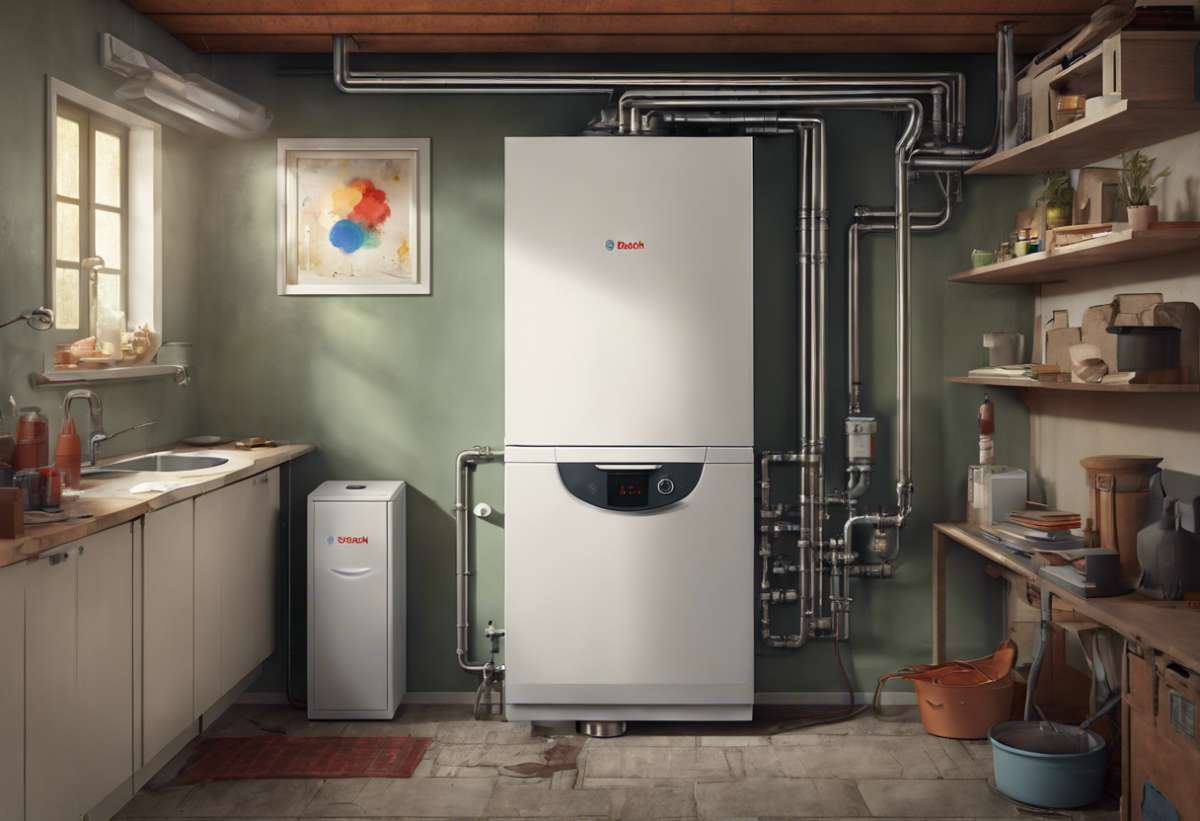
Engaging an energy advisor for an energy audit could be a good idea, particularly if you have an older home or want to do extensive energy upgrades to your home and are looking for advice beyond just replacing your boiler.
The audit could reveal energy upgrade opportunities that could save you big time. For example, if you find out that your house has minimal insulation you could increase your home’s insulation, which can result in you having to buy a smaller-sized boiler.
Installing a Boiler on a Rental Property
Tenants value comfort, energy-efficiency, reduced energy bills and reliability. If you can provide that, they’ll appreciate it. So aside from getting satisfied tenants, by installing a new energy-efficient boiler you can also benefit from saving money and helping the environment.
Many government schemes exist to install high-efficiency boilers like a combi boiler. So it’s worth looking into it. Even if there are no rebates available, a high-efficiency boiler can be worthwhile for saving costs and reducing carbon emissions.
Talk to a Few Boiler Installers
Get three or more quotes from boiler installers to make sure you’re getting quoted a reasonable price. A good installer should have handled all kinds of boilers and know a lot, so they should be able to advise you properly.
Ask if they will perform a Manual J load calculation to find out what capacity your boiler needs to heat your home. Doing this will help figure out more accurately what you need so you don’t pay for a larger boiler than you need.
Not All Boiler Brands Are Created Equal
Once the installer makes a recommendation for you, research the recommended model online and ask around if anyone you know has used that same one. They might have some useful insight about the product and the amount of maintenance it requires.
Avoid boiler options many homeowners have had nothing but trouble with. Reddit is a great place to ask,‘’What boiler brands have you had the best experience with?’’
Many property owners favour Vaillant, Bosch, and Navien to name a few.
How Much Does Installing a New Boiler Cost?
The cost of a new boiler is pretty subjective and depends on location, who you hire, boiler brand/boiler quality, and the upgrades needed, if any.
For example, in Canada the typical homeowner spends on average from $4,000 to $10,000. In the U.S., it can range approximately $3,000 to $8,000.
Boiler Maintenance Costs
Regular maintenance is necessary to keep your newly installed boiler system performing optimally. Maintenance costs include boiler tune-up costs, boiler inspection, gas and boiler cleaning, and general maintenance. Annual service fees average about $200 to $500.
Before You Install a New Boiler…
Decide if you actually need a new boiler. Review the “Signs You Should Install a New Boiler” section above if you’re on the fence.
When buying a new boiler, choose a good brand and model known for its efficiency and reliability. Also important is hiring a reputable HVAC contractor to install the boiler. During the installation, if necessary, move somewhere nearby until the installation is complete.
Also, know what the boiler installation costs might look like depending on project specifics. For your home, get the most efficient option within your means. Don’t ignore boiler maintenance costs. Stay warm without worries!