
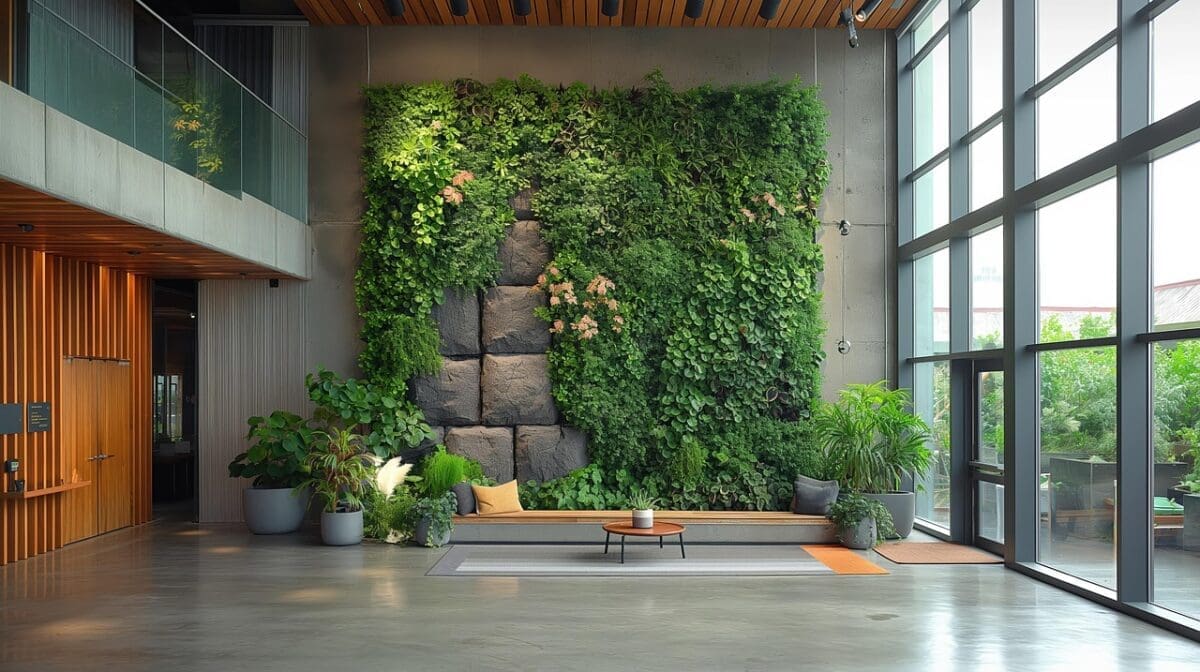
Buildings trap pollutants like volatile organic compounds (VOCs), carbon dioxide and particulate matter, creating stagnant environments with limited fresh air exchange. Conventional air filtration systems can help, but they often fail to address humidity control, microbial buildup and toxin absorption at a biological level. The resulting poor indoor air quality has an impact on health, productivity and well-being.
Living walls offer a powerful solution. These vertical plant installations actively filter air, regulate moisture and break down pollutants through natural processes. When optimized with hydroponic technology, they enhance purification efficiency while minimizing soil-related maintenance issues.
How Living Walls Improve Indoor Air Quality

Indoor air is often more polluted than outdoor air due to poor ventilation, off-gassing from materials and the accumulation of dust and toxins. Living walls act as natural air filters, using plant-based processes to cleanse the air while regulating humidity and reducing airborne contaminants. Their effectiveness goes beyond aesthetics, providing measurable benefits for indoor environments.
Here’s how living walls enhance air quality:
Airborne pollutant removal – Plants absorb toxins like formaldehyde, benzene and carbon monoxide, breaking them down into harmless compounds.
Increased oxygen levels – Through photosynthesis, plants convert carbon dioxide into oxygen, improving air circulation and freshness.

Get the Green Building Project Checklist
Use this handy checklist on your next project to keep track of all the ways you can make your home more energy-efficient and sustainable.
Dust and particulate capture – Foliage traps dust, pollen and other airborne particles, reducing allergens and respiratory irritants.
Humidity regulation – Plants release moisture through transpiration, balancing indoor humidity levels to prevent overly dry or damp air.
Mould and bacteria reduction – By maintaining optimal humidity, living walls help inhibit the growth of mould and bacteria that thrive in stagnant conditions.
The Role of Hydroponic Systems in Air Purification
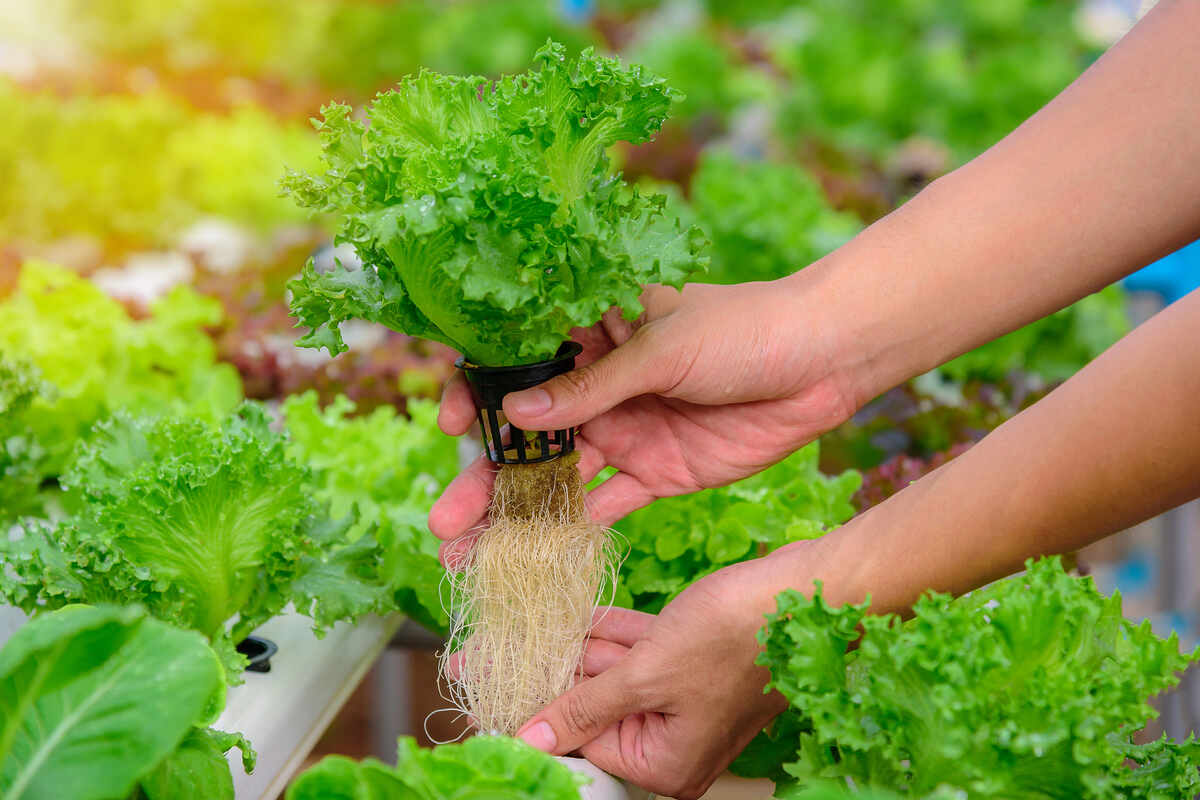
Traditional soil-based plants improve air quality, but hydroponic systems take purification efficiency even further. Without soil, the risk of harbouring dust, mould and pests is reduced, making hydroponic living walls a cleaner and more effective option for indoor air filtration.
Hydroponic systems also optimize moisture control, preventing the stagnant water issues that often lead to bacterial growth. By maintaining precise hydration levels, they support continuous transpiration, which regulates indoor humidity and reduces the likelihood of dry air-related respiratory issues. A well-maintained hydroponic setup ensures that plants function at peak efficiency, improving their ability to filter air and produce oxygen.
To maintain a high-performing system, proper irrigation and nutrient distribution are essential. Opt for high-quality hydroponic equipment for personal and commercial needs as it will help keep consistent water flow, preventing issues like root rot and nutrient imbalances that could compromise plant health and air purification. Automated hydroponic systems enhance efficiency by delivering precise water and nutrient levels, reducing maintenance while maximizing air-cleaning performance.
Choosing the Right Plants for Maximum Air Purification
Not all plants have the same air-purifying capabilities. Some species are particularly effective at removing pollutants like formaldehyde, benzene and carbon monoxide, making them ideal for hydroponic living walls. Selecting the right plants for a vertical garden ensures optimal filtration while maintaining a low-maintenance system suited for indoor environments.
Broad-leafed plants, such as peace lilies and philodendrons, excel at absorbing airborne toxins, while ferns and spider plants are known for their ability to capture dust and regulate humidity. Certain fast-growing hydroponic species, like pothos and bamboo palm, are highly efficient at CO₂ absorption and oxygen production, further enhancing indoor air quality. Choosing a diverse mix of species improves overall filtration by targeting a wider range of pollutants.
Beyond purification efficiency, plant selection should consider environmental factors such as light availability and temperature. Some plants thrive in low-light conditions, while others require bright, indirect light to sustain growth. Matching plant species to indoor conditions ensures a thriving, effective living wall.
Technical Considerations for Indoor Living Walls
A well-designed living wall requires more than just plant selection. Factors like lighting, irrigation and structural support determine its long-term effectiveness in air purification. Proper planning ensures plants thrive while minimizing maintenance challenges.
Lighting requirements – Most plants need sufficient light for photosynthesis. If natural light is limited, LED grow lights provide full-spectrum illumination, ensuring consistent growth. Proper placement prevents overexposure or insufficient lighting.
Irrigation systems – Automated hydroponic irrigation delivers precise water and nutrient levels, preventing overwatering and dehydration. A recirculating system reduces water waste while maintaining optimal moisture.
Structural support – Living walls must be securely mounted to hold plant weight, hydroponic components and water flow. Modular systems allow for flexibility and easy maintenance.
Ventilation and airflow – Proper circulation prevents stagnant moisture, reducing mould and bacterial risks. Fans or strategic airflow can enhance transpiration efficiency.
System monitoring – Sensors help track water levels, humidity and plant health, optimizing air purification. Smart irrigation systems adjust hydration as needed.
Water quality and drainage – Filters prevent mineral buildup and well-planned drainage channels stop water pooling, preventing root rot and system inefficiencies.
Installation and Maintenance Best Practices
Proper installation and ongoing maintenance are essential for maximizing the air-purifying benefits of a living wall. A well-maintained system ensures optimal plant health, efficient pollutant absorption and long-term sustainability.
Site preparation – Assess wall strength, light availability and ventilation before installation to ensure suitable conditions for plant growth.
Hydroponic setup – Use high-quality irrigation components to deliver consistent water flow and nutrient distribution, preventing dehydration or oversaturation.
Plant care routine – Trim overgrown foliage, remove dead leaves and rotate plants if needed to maintain even coverage and purification efficiency.
Water quality management – Monitor pH and nutrient levels in hydroponic systems to prevent imbalances that could affect plant health.
Pest and disease control – Inspect plants regularly for signs of pests or fungal infections, addressing issues promptly to prevent spread.
A hydroponic living wall is more than just an aesthetic feature, it can purify the air and enhances the indoor environment. By filtering airborne pollutants, increasing oxygen levels and regulating humidity, living walls actively improve air quality while contributing to a healthier, more sustainable space.
Careful selection of plant species, proper lighting and a well-maintained hydroponic system ensure long-term efficiency. When designed and managed correctly, living walls offer a natural, low-maintenance solution to indoor air pollution, making them a valuable addition to homes, offices and commercial spaces.
Images from Depositphotos