On June 1st, the federal government announced a $21.6 million dollar investment in Indigenous clean energy projects that will help remote communities reduce reliance on diesel fuel.
Yvonne Jones, Parliamentary Secretary to the Minister of Natural Resources and to the Minister of Northern Affairs, announced the funding, which comes from the Indigenous Off-Diesel Initiative (IODI), a 3-year program delivered in partnership with Indigenous Clean Energy Social Enterprise and the Pembina Institute.
Launched in 2019, IODI supports remote Indigenous communities in their efforts to increase energy efficiency and develop clean, sustainable energy plans for their heating and energy needs.
Quick Highlights
An all-Indigenous jury selected 14 community energy projects to receive up to $1.6 million each. The winning proposals include:
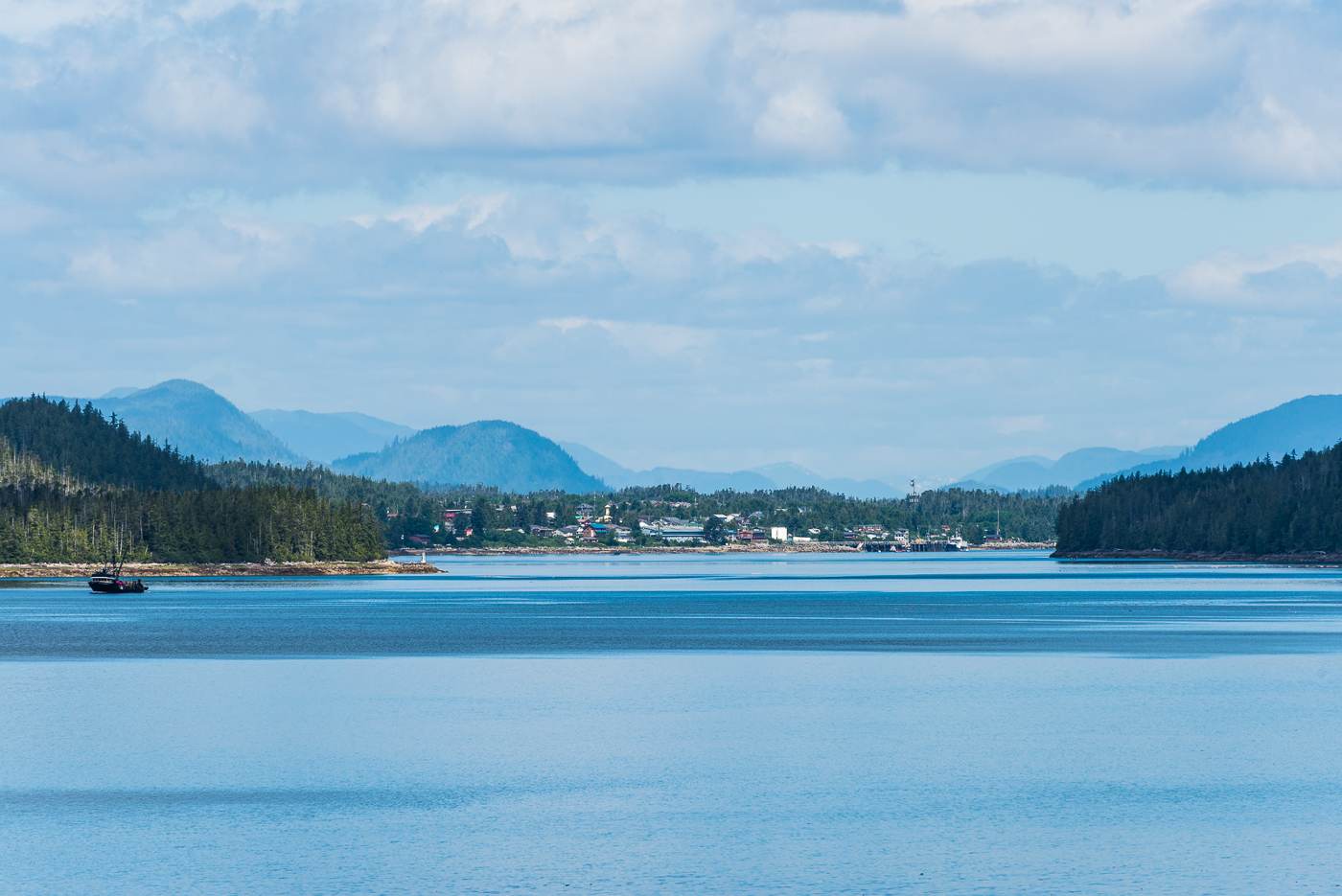
- H̓íkila qṇts n̓ála’áx̌v (Protecting Our World): The Haíłzaqv Climate Action Team’s plan includes the installation of heat pumps in 95% of homes in the community of Bella Bella by the end of 2022, as well as the creation of locally produced passive home kits, retrofits for homes and public buildings and a transition to bio-diesel.
- Coral Harbour Solar and Energy Storage Project and Naujaat Solar and Energy Storage Project: These projects will entail the construction of utility-scale solar and energy storage in Coral Harbour and Naujaat, as well as biomass and retrofit projects.
- Beaufort Delta Renewable Resource Plan: Nihtat Energy Ltd. Plans to add 150kW of solar PV capacity in Aklavik, as well as install a 1 MW solar PV project in Inuvik.
- Community of Kuujjuaq Diesel Reduction—Project Implementation Phase: This wide-ranging plan includes the installation of a 100kW rooftop solar system and geo-thermal heating at the community’s arena, as well as solar systems for residences.
A recently released David Suzuki Foundation report on Canada’s energy transition noted that while “Indigenous communities are the largest owner of clean energy assets in Canada after Crown and private utilities,” Indigenous decarbonization projects are limited by many institutional barriers, including “lack of capacity and lack of access to equitable financing opportunities.” It’s hoped the energy sovereignty and capacity this funding enables will help communities overcome some of those barriers.
Winners will share project results in the spring of 2023. A full list of the winning project proposals can be found here.
Get the Green Building Project Checklist
Use this handy checklist on your next project to keep track of all the ways you can make your home more energy-efficient and sustainable.
Image credit: Darren Kirby