
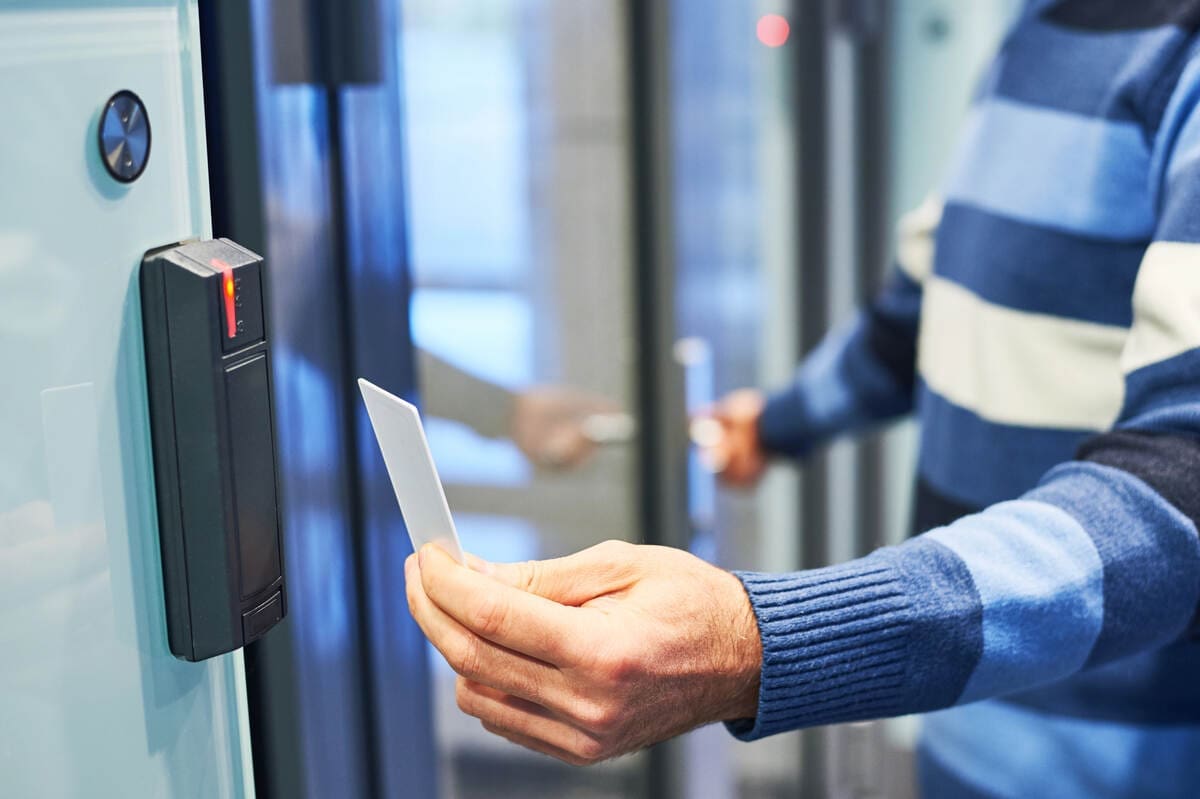
Much like an architect laying the first stone for a grand cathedral, your initial steps in planning access control are essential. By considering access control early, you anticipate potential challenges and address them in the initial design phase. Planning access control into your building plans from the outset also helps minimize the need for future modifications. So it’s good to start considering these measures early in your building plans as you will save costs and avoids disruptions later. We’ll explore all the reasons to plan out your access control system here.
Understanding Access Control Systems
Although security is often a top priority, understanding access control systems can be complex yet vital for any building plan. You need to grasp the basics of how these systems work, as they manage who enters or exits a building.
Technologies like key cards, biometric scanners and mobile access, play a role in modern systems. Each offers unique advantages depending on your specific requirements. When you’re planning, focus on identifying significant access points. Think about where you need to restrict entry and what level of security each area demands.
It’s important to select a system that’s scalable, allowing for future expansion. By understanding these elements, you guarantee that your building is equipped to handle security challenges effectively, maintaining safety and order.
Benefits of Early Integration
Get the Green Building Project Checklist
Use this handy checklist on your next project to keep track of all the ways you can make your home more energy-efficient and sustainable.
Integrating access control systems early in the building planning process provides numerous advantages. You’ll save time and money by addressing potential issues before construction begins.
Early integration guarantees that the access control system aligns perfectly with the building’s layout, enhancing security and convenience from day one. You’ll also find it easier to implement cutting-edge technologies and customize solutions to fit specific needs. Plus, planning ahead reduces disruptions during construction, keeping your project on track. Some of the benefits you can enjoy include cost efficiency, enhanced security, future-readiness and project timeliness.
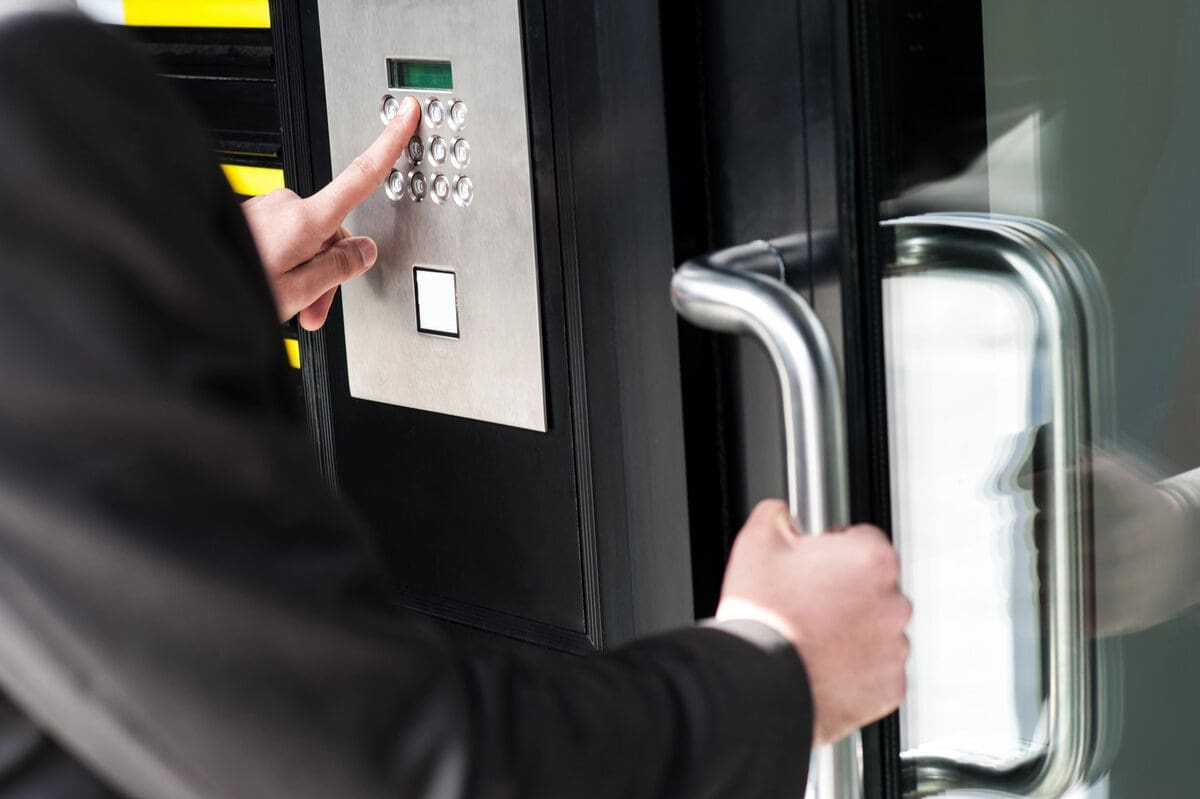
It’s important to take into account the architectural layout from the get-go. You need to think about how the system will fit into doorways, corridors and any access points. Consider where you’ll install keypads or card readers, ensuring they don’t obstruct movement or aesthetics. It’s good to integrate wiring paths into walls and ceilings early, so they remain out of sight.
Evaluating Current and Future Needs
Start by examining the existing vulnerabilities within your building’s layout and operations. Identify areas that require immediate attention, such as entry points, restricted zones and employee access protocols.
As you consider future needs, think about potential expansions or renovations that might affect security requirements. You should also plan for future scalability. Choose systems that can adapt as security needs evolve. Think about user experience too – make sure the system is intuitive and easy to use. Technology evolves, so anticipate how emerging trends could influence your system’s adaptability. Consult with stakeholders to understand their perspectives and expectations, ensuring that the chosen solutions align with the organization’s long-term goals.
This proactive approach saves you from costly and time-consuming changes down the line. You won’t have to retrofit your building with new systems or disrupt day-to-day operations for major updates. Instead, you’ll have a seamless, integrated system that meets your needs from the start.
Cost-Effective Security Solutions
Implementing security doesn’t have to break the bank; you can find cost-effective solutions that still offer robust protection for your building. Start by prioritizing essential access control measures that fit your budget and address your specific security needs. Consider utilizing a mix of low-cost solutions and strategic planning to enhance your building’s security effectively. Below are some practical strategies to implement security measures without overspending.
Smart scheduling – Implement security measures in phases, spreading costs over time without losing effectiveness.
DIY installation – For certain systems, consider installing them yourself to save on labour costs.
Leverage existing infrastructure – Use existing wiring or hardware to integrate new systems, reducing the need for additional purchases.
Bulk purchasing – Buy equipment in bulk to take advantage of discounts from suppliers.
Customizing Access Control Features
When customizing access control features, consider the unique needs of your building’s occupants and operations. Begin by evaluating how people use your space. Do they require different access levels or schedules? A law firm might need restricted access to certain areas, while a tech startup might prioritize flexible, open access. Match your access control system to these specific needs. Choose between key cards, biometric scanners or mobile access options based on what fits best.
Next, think about integrating access control with other systems like lighting or HVAC. This can enhance security and improve energy efficiency. Remember, user experience is vital. Guarantee the system is intuitive for both staff and visitors, reducing frustration and enhancing security compliance. Prioritize adaptability to accommodate future changes in building use.
Implementing Scalable Solutions
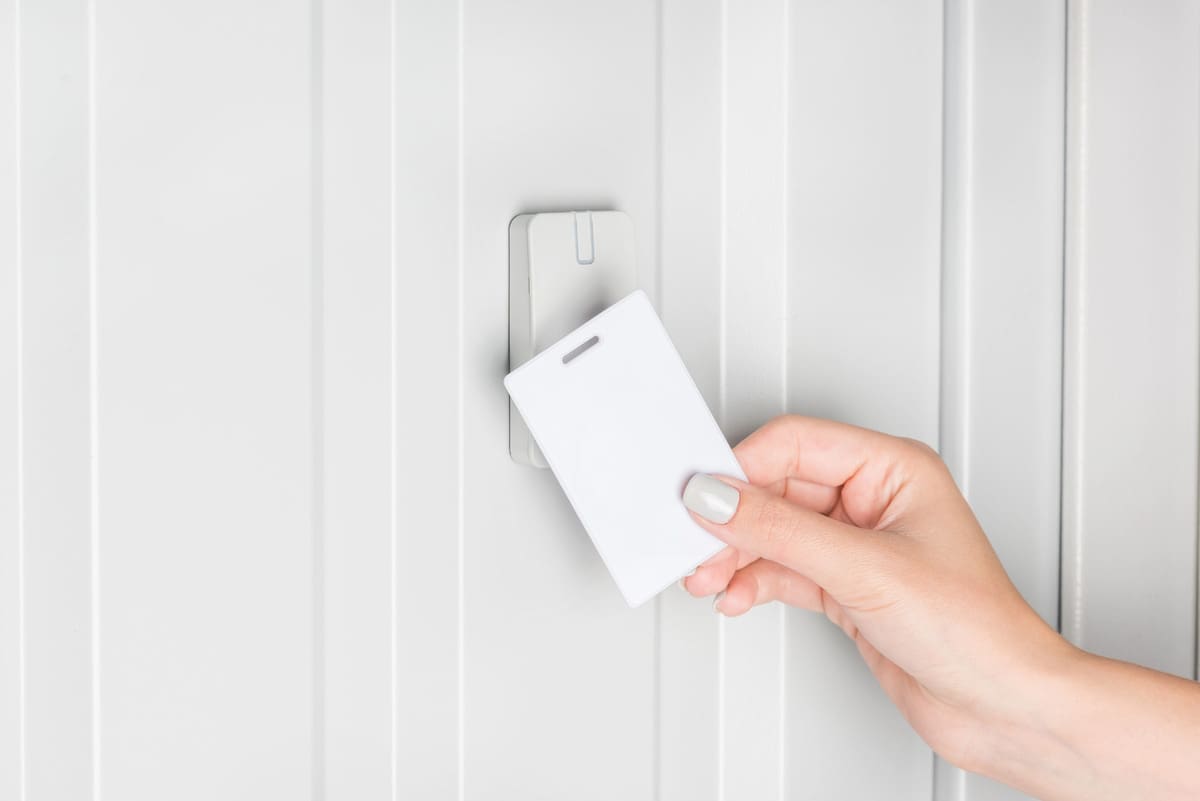
After customizing access control features to meet your building’s specific needs, focus on making certain these solutions can grow with you. Implementing scalable solutions provides flexibility and adaptability as your building evolves. Start by opting for systems that support future expansion without needing a complete overhaul. Consider cloud-based solutions that offer seamless updates and integrations. Here are some tips to help you implement scalable solutions:
Choose modular systems – Select access control systems with components that can be easily added or removed.
Utilize open architecture – Confirm your system can integrate with other technologies as needed.
Plan for increased capacity – Anticipate higher user volumes and make sure your system can handle them.
Invest in robust infrastructure – Ensure your network can support additional devices and software updates.
Considering Architectural Aesthetics
Integrating access control systems with architectural aesthetics requires a thoughtful approach to balance functionality with design. You need to guarantee that security measures don’t compromise your building’s visual appeal.
Start by collaborating with architects early in the design phase. Discuss integrating access points seamlessly with the building’s style. Consider using materials and finishes that complement the existing aesthetic. For instance, sleek, modern card readers can blend well with contemporary designs, while more traditional buildings might benefit from discreet, integrated systems. You can also explore custom solutions like hidden cameras that don’t detract from the building’s charm.
Addressing Common Challenges
While implementing access control in building plans, you might encounter several challenges that require strategic solutions. First, balancing security needs with architectural aesthetics can be tricky. You want to guarantee robust security without compromising the building’s design.
Another challenge is integrating new technology with existing systems. Older infrastructures might not support advanced access control features seamlessly. Cost constraints also pose a significant hurdle. High-quality systems often come with hefty price tags, which can strain budgets. Finally, user adaptability is essential. If the system is too complex, it might deter occupants from using it effectively.
Luckily all those challenges can be solved with the proper planning and problem solving. Now that does take time, which is why it’s so essential to start planning out your access control system early on in your building project.
