
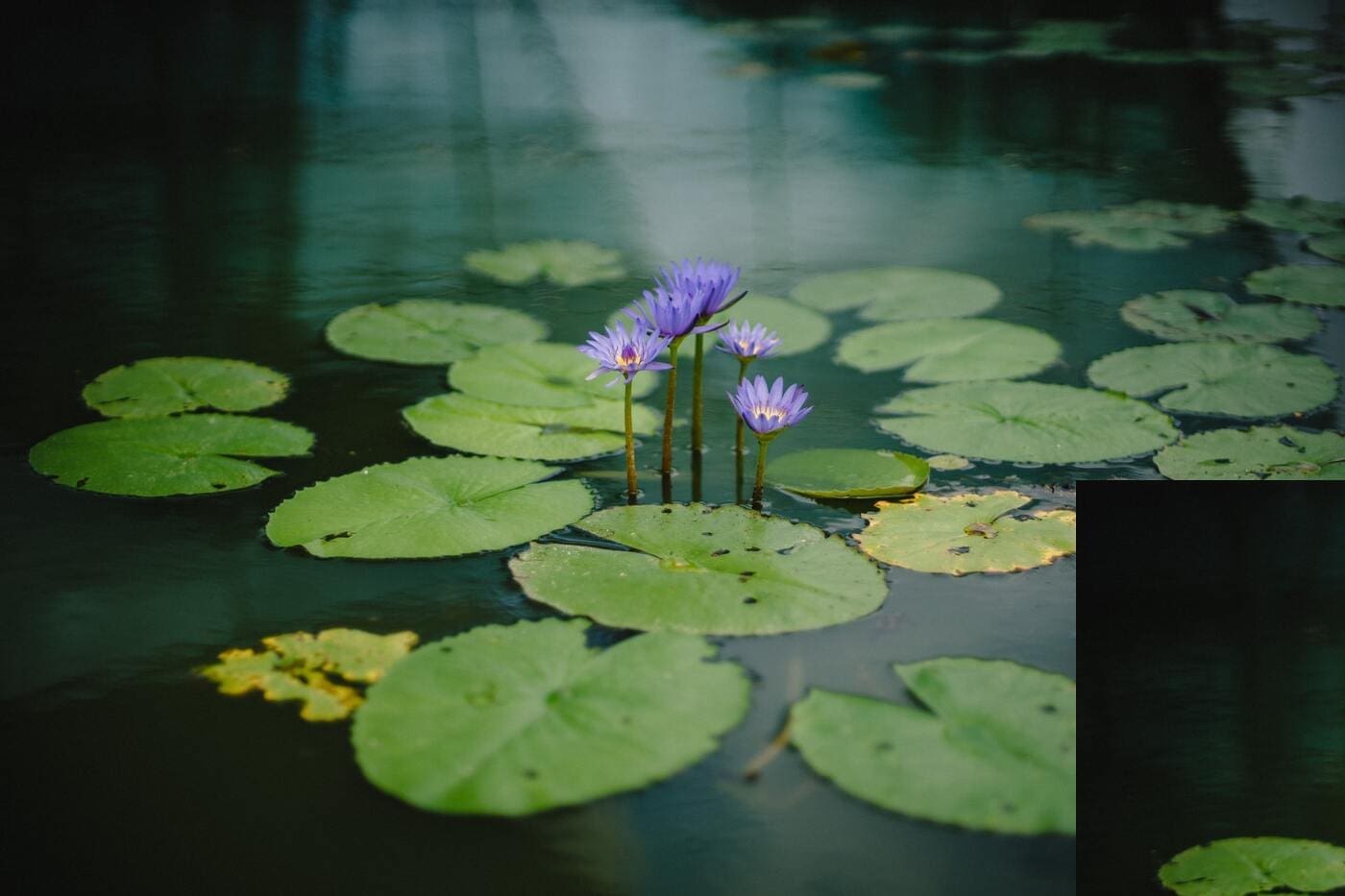
A garden pond is more than just a decorative feature, it’s a sanctuary of tranquility and a thriving ecosystem that transforms any outdoor space into a serene retreat. The gentle sound of water trickling over rocks provides a soothing backdrop for relaxation, but to get that water trickling requires a water pump. Assuming you want to keep your pond as natural as possible what better way to get your electricity than by using solar panels since they use nature’s own energy to create electricity.
Get a Solar Powered Kit
The best way to incorporate solar power into your pond is by getting a kit designed specifically for this purpose. A solar powered kit will contain everything that you’ll need to get started.
The first thing the kit should provide is a detailed instruction manual detailing how you can install your solar panel system. Other important things your kit should contain are all the necessary materials, including the solar panel itself, wiring, inverter, charge controller and whatever other quality equipment that is required to get everything running.
Bear in mind that some kits are designed specifically for larger bodies of water while others are better suited to smaller ones so make sure you choose your system carefully based on the size of your pond.
Choose the Location and Positioning of Your Panels with Care
The positioning of your solar panels is very important. In order to maximize the power you generate, you’ll want to make sure the panel is elevated at a significant height off the ground and pointed south (if in the northern hemisphere). You’ll also need it to be free of obstructions like tree branches or nearby taller buildings.
Get the Green Building Project Checklist
Use this handy checklist on your next project to keep track of all the ways you can make your home more energy-efficient and sustainable.
You can use whatever available structure you have, such as a shed or other outbuilding, or construct something purpose-built, such as a dedicated pole for the panel.
No matter what method you end up going with try to make it complement and not detract from your pond’s appearance. Though this may not seem like a high priority at first, remember that most people enjoy their ponds because they find them serene and tranquil, often serving as an escape from the chaos of modern life, so you don’t want to regret your decision later.
Once you have your location planned, place your panels in a way that they will be able to capture sunlight throughout the day in a continuous rotation.
Wire the Solar Panel to an Inverter and a Battery
This is where things start to get technical but don’t worry, it’s not as complicated as you think it might be given the equipment involved.
You’ll need to wire your solar panel into an inverter which can then power any electrical items that are plugged into it.
Solar systems for ponds typically make use of a battery for energy storage. The kit you’ve purchased might already include a battery. If not, the instructions should give you details on the type of battery that will work with the system.
Make sure you set the battery up in an area that is easily accessible, preferably within your home or some other structure.
Once you’re all set up you can start plugging in your pond equipment and get your system working.
Consider Putting a Backup System in Place
Solar power has the capability of powering small-scale electrical equipment such as aerators and fountain pumps, but there are certain situations where you might want to consider having a backup.
Since you’ll be relying solely on solar energy for electricity, you’ll be in trouble if it suddenly stops working, or if inclement weather decreases your power production, so having a backup system could be a good idea depending on how important your need is for consistent power.
This can be done in various ways, like adding batteries to your battery bank, but the most reliable method would probably be to have a licensed electrician run a line that connects your system directly to your local utility grid.
Monitor and Adjust Your System Constantly to Maximize Effectiveness
This step is very important because you’ll need to make sure that everything’s running smoothly after you’ve finished setting up all of the parts involved.
By monitoring your system’s power output constantly, you’ll know exactly what needs to be fixed or changed when something isn’t working properly.
Bear in mind that solar power is a sustainable form of energy, but like any system, it’s not perfect. There will be times when everything may seem to be working fine only for the power to suddenly shut off for unforeseen reasons.
Make Sure You Have all Maintenance Under Control
Maintenance is especially important if you’re in a remote location where repair people are hard to find. Things like cleaning debris from the surface of the panels, checking on connections and replacing anything that has been damaged or broken will be necessary to make sure things are always running smoothly.
Incorporating solar power into your pond is a relatively simple process if you have the right equipment and know what you’re doing. It may take some time to set up but as long as you follow these six easy steps, you’ll be able to save money on electricity while also saving the planet’s natural resources.
Feature image: bady abbas; Image 1: Ricky Davis