While solar PV (photovoltaic) systems are becoming more common, average homeowners might find themselves a bit at sea when it comes to choosing solar panels for their home. Between energy loads and solar panel ratings, there’s a lot to learn about.
And while the decreasing cost of solar systems is making them more accessible, they’re definitely still expensive enough that you want to be sure you’re making a good choice.
Your installer should be an excellent source of knowledge about the ins and outs of solar panels, but it’s obviously to your advantage if you can make informed decisions about the technology you’re about to purchase.
So let’s get go through some of the basic factors that might impact your purchasing decisions.
Panel Types
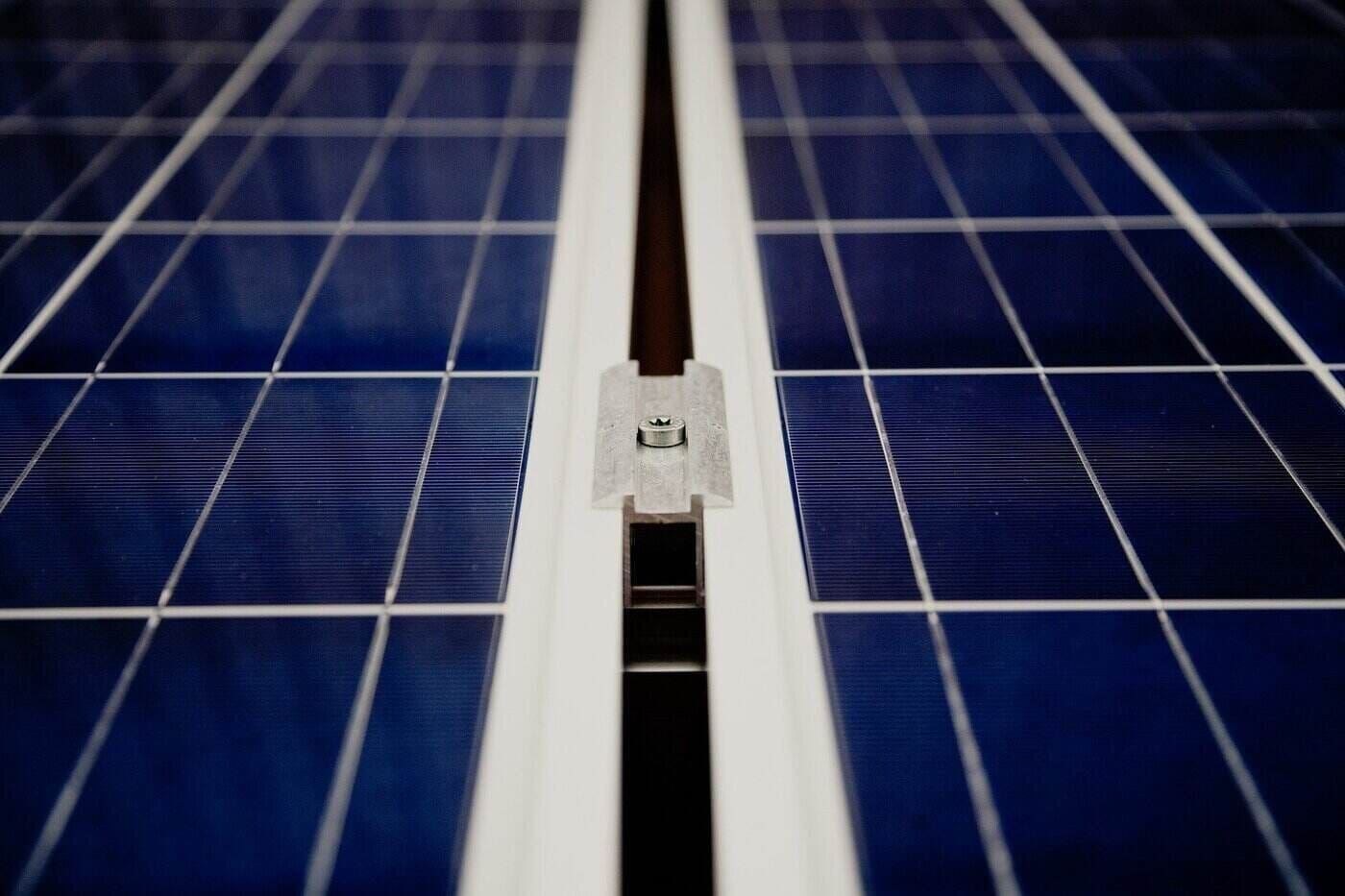
You currently have three options for panel types: monocrystalline, polycrystalline and thin-film. Monocrystalline panels feature solar cells made up of silicon crystal, sliced into wafers. The cells of a polycrystalline panel are composed of silicon fragments, melted together and then sliced into wafers.
Thin-film panels can be made of a number of materials such as amorphous silicon, copper indium gallium selenide or the more popular cadmium telluride.
The differences in materials have an impact on a panel’s efficiency, cost and appearance, all of which might be important to you in purchasing. Generally speaking, monocrystalline panels are more efficient, can produce more power and hence, are more expensive. Polycrystalline panels are both less expensive and less efficient. Thin-film panels are the least efficient.

Get the Green Building Project Checklist
Use this handy checklist on your next project to keep track of all the ways you can make your home more energy-efficient and sustainable.
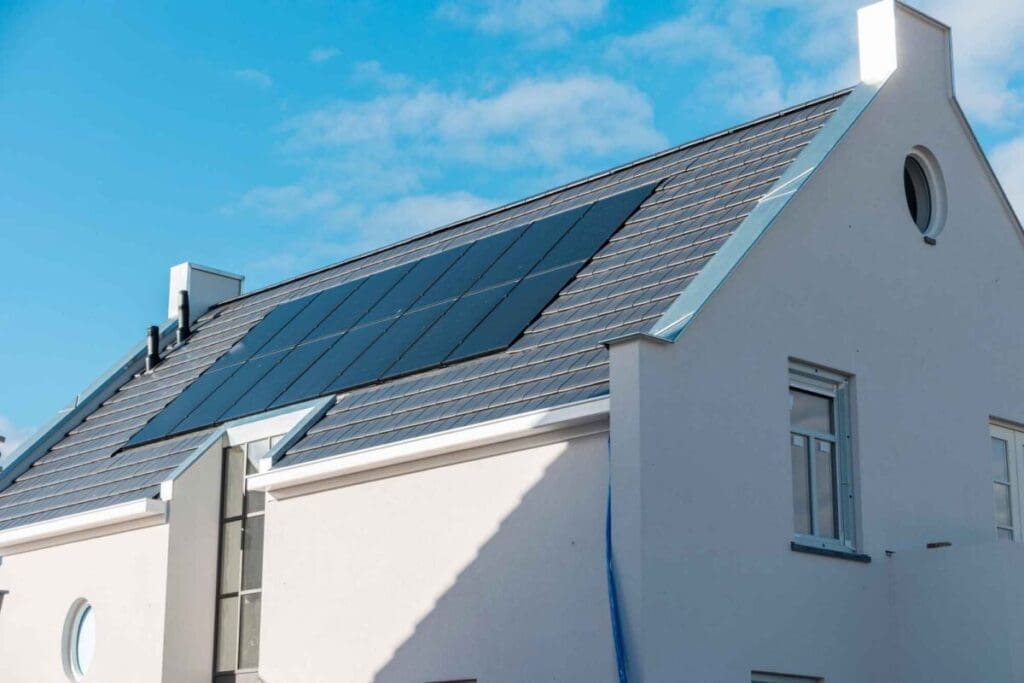
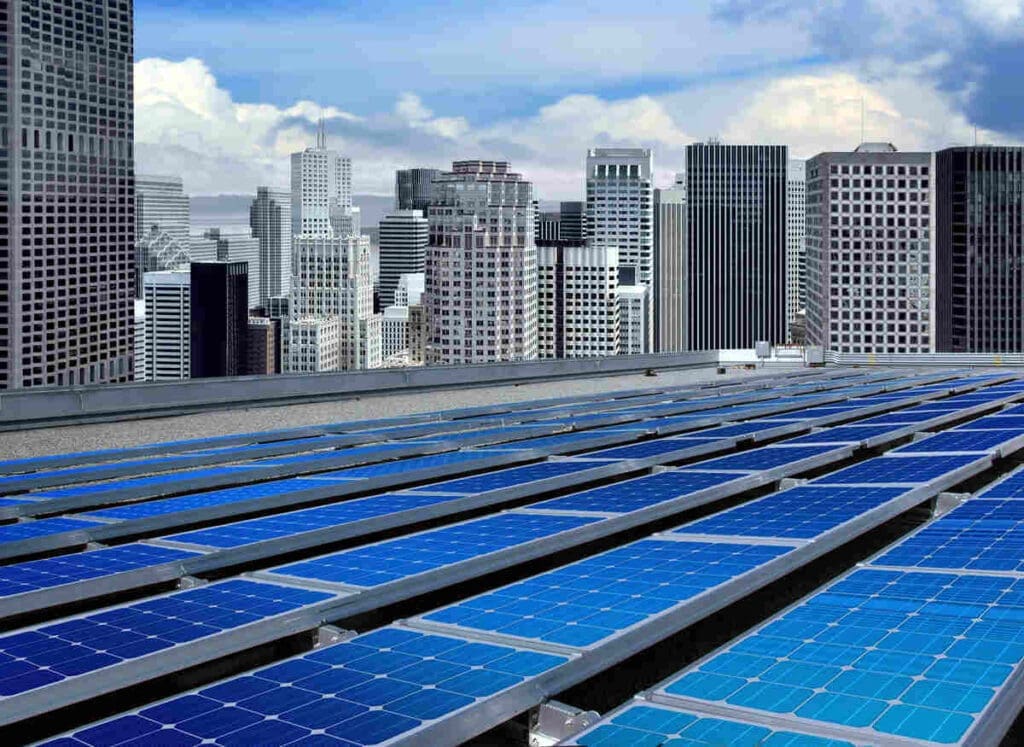
In terms of aesthetics, thin-film panels are, as the name suggests, less bulky and more low-profile, which is part of their popularity. Thin-film technology is the technology used in solar shingles and tiles, for example. They could be blue or black in colour, depending on materials. Monocrystalline cells are black, while polycrystalline cells have a blue colour to them.
Solar Panel Ratings
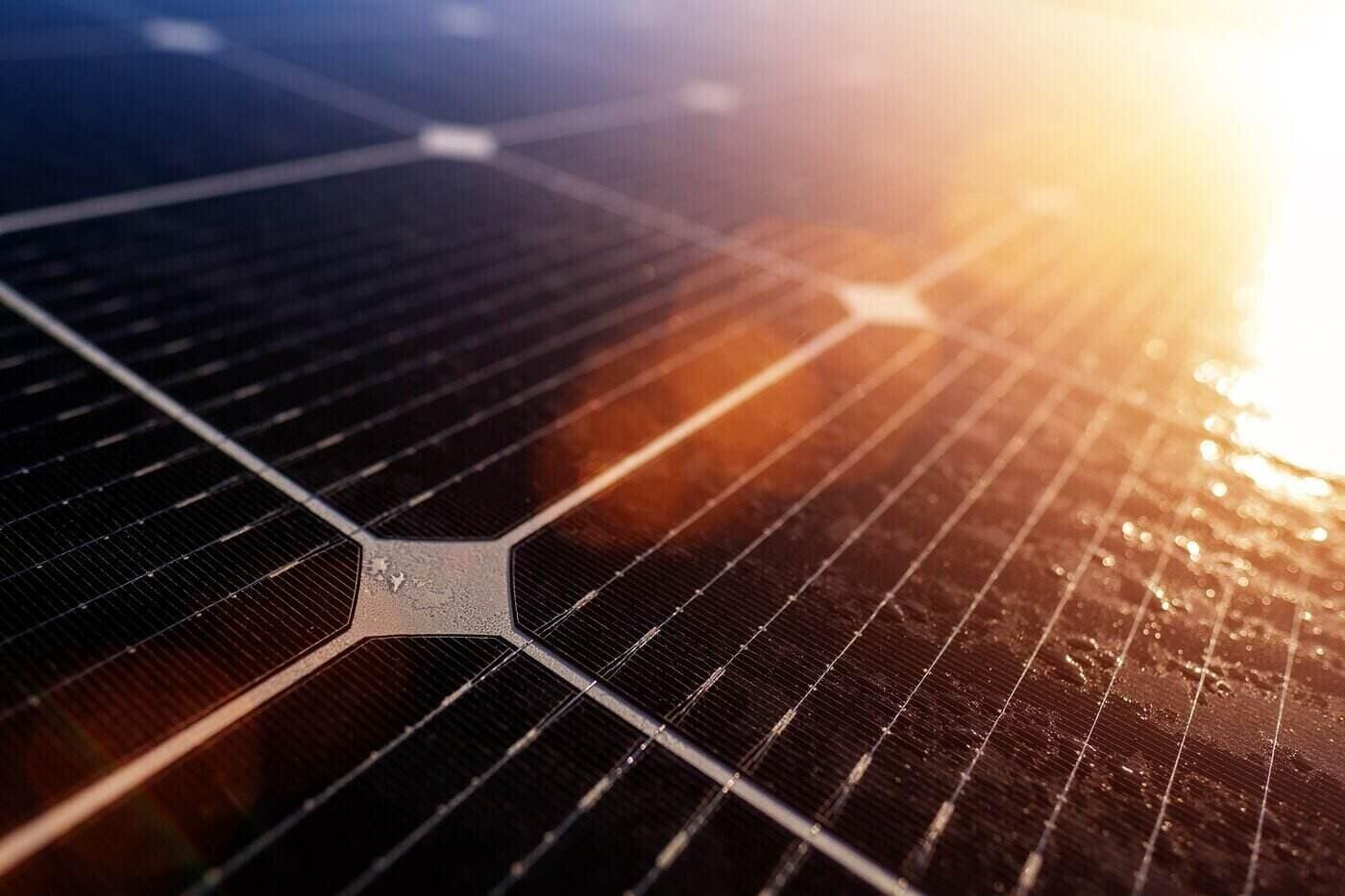
Solar panel labels provide a number of metrics to consider. Perhaps most importantly, they give the power rating, or the amount of electricity a panel can produce under what are known as standard test conditions. These test conditions will be more ideal than actual life, so power ratings will more be a measure of what a panel could produce than what it will produce on your particular property.
Power ratings are measured in watts. The greater the watts, the more powerful the panel. You’ll notice that there can be a lot of variation, even if you’re comparing panels of the same physical size. That’s a result of differences in materials and panel efficiency.
When you read the label on the panel, you’ll also see a +/- number, which represents that panel’s power tolerance. This refers to the variations in power that a panel might experience when you put it into action. The lower the number, the lower the variability in power production and the more predictable the power output.
Climate Considerations
The label will give you a panel’s temperature coefficient, as well. While it might seem counterintuitive, heat can reduce a panel’s effectiveness. Standard test conditions are 25°C (77°F), and the temperature coefficient indicates the percentage that a panel’s production will decrease for every degree warmer than 25°C.
These coefficients are less important here in Canada than they are in places like the American southwest, but they still have an impact on the long-term performance of the system. The lower the number, the less the panel will be impacted by high temperatures.
Perhaps more crucial for our Canadian climate are a panel’s wind and snow ratings. The snow load a panel can handle will be measured either in Pascals or in pounds per square foot. Higher durability panels will usually come with a higher price tag, but that might be something you can’t do without.
Efficiency
The efficiency of a solar panel, i.e. how much of the sunlight that strikes it is actually turned into electricity, is measured as a percentage. Solar panels aren’t actually super efficient right now (especially when compared to something like geothermal energy), but they’re improving all the time.
Efficiency is an important criteria because the more efficient a panel is, the more power it can generate. A panel with high efficiency could outperform a larger panel with a higher power rating but lower efficiency, which becomes a factor when you’re working with limited space and want to maximize the power you get out of it.
High efficiency comes at a cost, of course. Homeowners with larger roof spaces will likely find it more cost effective to install more mid-efficiency panels rather than fewer high-efficiency panels in order to get the production levels they want.
Warranties
A good warranty should be a factor in your purchasing decision, since you’ll want to be covered down the line.
In addition to a warranty for materials, manufacturers will often provide a warranty against panel degradation. While it’s expected that your system’s performance will decrease over time, some companies will guarantee power production to remain at a certain percentage over a set amount of time (say, 80% after 25 years). The higher percentage of power production a manufacturer will guarantee, obviously, the better.
Some companies will frame this warranty as a guarantee that a panel’s production will degrade by no more than a certain percentage every year. In this case, again obviously, the lower the percentage of degradation every year, the better.
Word on the Street
Finally, when you’re doing your research on specific panels, factor in what homeowners have to say about them. Other people’s experiences with a particular brand or type of solar panel can be invaluable.
While not everyone will have comparable arrays or climatic conditions, you’ll probably be able to get a good, general sense of how the panels perform under real life conditions, as well as how well the manufacturer responds to any issues that arise. Solar panel ratings, reviews, forums and discussion boards can be a wealth of information about their performance over time and under less than ideal circumstances.
Feature image: Markus Spiske; Image 1: Bruno /Germany