

Air pollution is a growing concern, and while we often think of it as an outdoor problem, the air inside our homes can be even more polluted than the air outside.
Poor air quality can hurt our health, causing respiratory issues, allergies and cancer. The good news is that there are steps we can take to improve the air quality in our homes.
This post will explore the most effective ways to reduce indoor air pollution and breathe cleaner air at home. From simple everyday habits to more extensive home renovations, we’ll provide practical tips to help you improve your home’s air quality and safeguard your health.
Get an Air Purifier
Air purifiers are one of the most effective ways to reduce indoor air pollution. These devices trap pollutants in their filters, keeping them out of our air.
When you’re choosing an air purifier, look for an Energy Star-rated model with a high Clean Air Delivery Rate (CADR) and multiple filter stages to ensure that it can remove a wide range of pollutants, including dust, pet dander and volatile organic compounds (VOCs).
The size of the air purifier you need will depend on the square footage of your home. In addition, it’s crucial to change or clean the filter regularly based on the manufacturer’s instructions.
Reduce Chemical Use

Get the Green Building Project Checklist
Use this handy checklist on your next project to keep track of all the ways you can make your home more energy-efficient and sustainable.
Chemicals found in everyday household products can contribute to poor indoor air quality. Try to minimize their use and opt for green, natural cleaning supplies and household items instead.
This doesn’t just apply to the usual suspects like oven cleaners and bleach. Household products that contain harmful chemicals include aerosols, air fresheners, synthetic fragrances and scented candles. Just because a product smells good doesn’t mean it’s good for you.
Using natural fibers like cotton and wool instead of synthetic materials can go a long way towards improving air quality, as well.
Carpets, towels, sheets and blankets, even pet beds made from synthetic fibres can off gas chemicals into your home over a long period of time. That goes for new furniture items like mattresses, sofas and chairs, too.
Switching to furniture and finishings made with non-toxic materials and finishes reduces your exposure to chemicals in your indoor space. Plus, you get to take care of the environment in the process.
If you’re not sure what’s in an item, read the safety data sheet or ask the manufacturer. If the item has any green credentials, its makers will be shouting that out.
Switch up Your Fuel Source
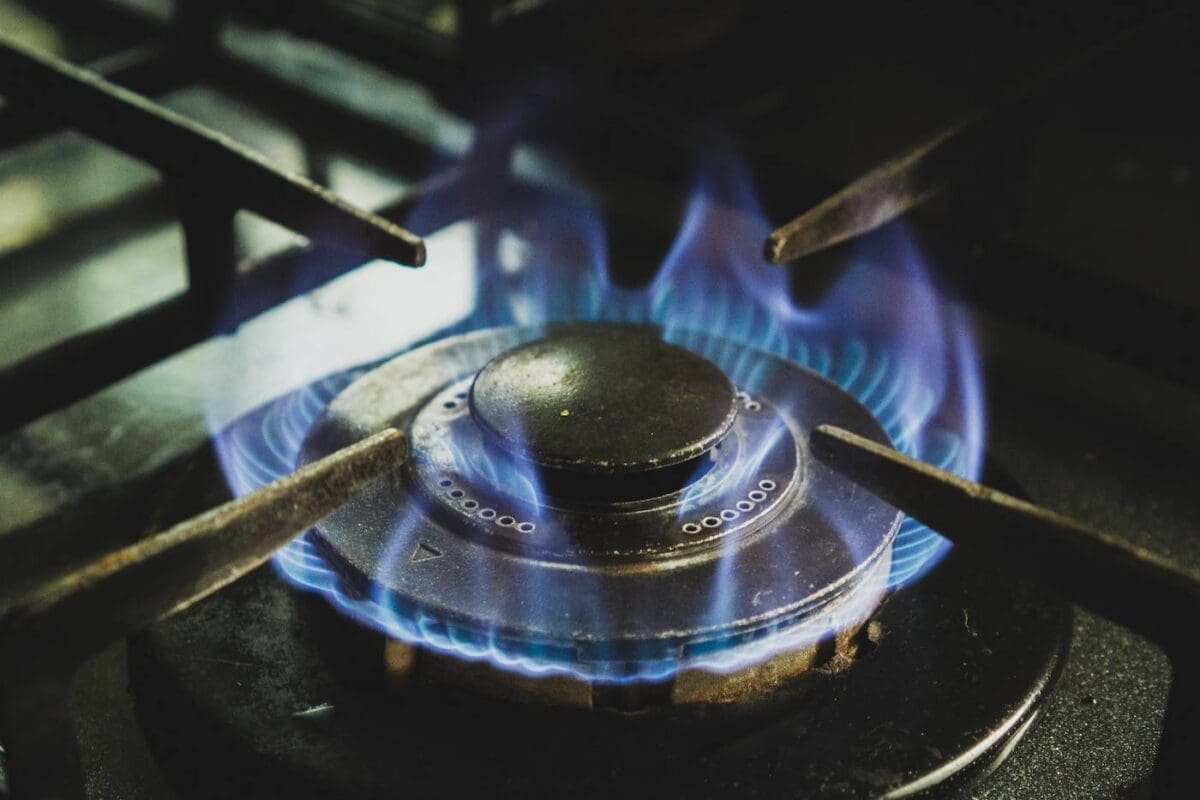
You can reduce your chemical exposure by using an exhaust fan when cooking, but replacing your gas stove with an electric model when your stove reaches the end of its lifespan is an even more surefire bet to improve indoor air quality.
Gas stoves are one of the top culprits when it comes to poor indoor air conditions, with many jurisdictions across North America considering, or adopting, bans on new gas stoves.
Fireplaces and woodstoves can be another big component of indoor air pollution. Newer models of woodstoves are required to meet air quality standards, but older models are likely emitting higher levels of particulate matter, carbon monoxide and VOCs into your home.
Electrification is the best option on the table right now for heating and cooking in terms of keeping indoor pollution levels low (and reducing emissions overall).
Improve Ventilation
Improving the ventilation in your home is vital to ensuring that fresh air is regularly circulating. This can be done by opening windows, using fans and exhaust systems or installing a high-performance mechanical ventilation system.
Consider investing in a heat recovery ventilator (HRV) or an energy recovery ventilator (ERV), which captures the heat from outgoing air and uses it to warm up incoming air. Also make sure your ducts stay clean – this can help keep your home at a comfortable temperature while improving the energy efficiency of your home.
You can also use a dehumidifier to reduce excess moisture, which can help prevent mould and mildew growth. And remember to change the filter in your HVAC system every one to three months, depending on the manufacturer’s recommendations.
Keep Your Home Clean
Dust and dirt can accumulate in the air, so keeping your house clean is essential. Vacuum regularly with a high-efficiency particulate air (HEPA) filter vacuum cleaner, which can trap tiny particles that other vacuums may miss.
You’ll also want to dust and clean surfaces with damp cloths, mop floors regularly and launder your bedding weekly.
Carpets and curtains may trap allergens, so keeping them vacuumed and dust-free is a good idea. Consider replacing your carpets with hardwood floors or tile to minimize the accumulation of dirt and dust.
If you live in an urban area or an area with high traffic, you might want to consider doing some extra caulking around windows, doors, baseboards and anyplace where outside air can get in. That extra level of air sealing can help to keep outdoor air pollution from entering your home and lowering your air quality.
Invest in House Plants
House plants are aesthetically pleasing and can help improve indoor air quality by filtering out toxins and releasing oxygen. Plant species like spider plants, peace lilies, snake plants and English ivy are all known to be particularly effective at purifying the air in your home.
When selecting plants, read up on their care requirements and choose species suitable for your climate and home environment. Not every plant will thrive in every space and some can be toxic to pets and children, so research what you want before you head out to the garden centre.
Indoor air quality has a significant impact on our health and well-being. With these simple tips and strategies, you can work towards improving the air quality in your home and keeping your family safe from pollutants.
While taking steps at home to improve indoor air quality, it’s equally important not to forget outdoor air pollution. Ensure you stay current on local air quality alerts and take necessary precautions when the air outside is especially bad. We can all work towards a healthier future by taking care of indoor and outdoor air pollution.
Feature image: freestocks; Image 1: KWON JUNHO



Thanks for mentioning the importance of cleaning air ducts in a home. I only want to add that it’s generally recommended to have your air ducts cleaned every 3 to 5 years.
My biggest problem is my humidifier it is turning all the furniture in all my home white with the dust particles from the machine can’t seem to find how to catch or eliminate the white dust no systems mention that particular problem
Is your humidifier the type that has a filter or not?
This post is such an eye-opener about indoor air pollution! I always assumed outdoor pollution was the bigger issue, but learning how everyday household items contribute to poor air quality is surprising. The tips on switching to natural fibers and non-toxic furniture are incredibly helpful. Do you have specific recommendations for green-certified brands that are both effective and budget-friendly?