Hybrid Renewable Energy Systems
Reliable, Sustainable and Cost-Effective

Published: December 4, 2024
The climate is changing at a rapid pace. Sea levels are rising, the frequency of extreme weather events is increasing and natural resource depletion is intensifying. In this current climate, renewable sources of energy generation are necessary to mitigate the consequences of our detrimental anthropomorphic worldview.
Power generation plays a significant role in Canada’s carbon emissions. According to the International Energy Agency (IEA), energy contributes more than three-quarters of global greenhouse gas (GHG) emissions, and Canada reflects this troubling trend. Alberta, in particular, relies heavily on fossil fuels for electricity generation, with natural gas-fired plants accounting for approximately 74 percent of the province’s power production in 2023. Reliance on nonrenewable sources for energy generation has made the electricity sector a significant contributor to CO2 emissions, underscoring a pressing need for innovative power generation solutions.
One effective answer to these challenges is hybrid renewable energy systems (HRES), which present a sustainable solution to our energy generation needs. This article explores the ins and outs of hybrid renewable energy systems, the common components used and typical HRES setups that are proven reliable.
What Are Hybrid Renewable Energy Systems?
HRESs combine multiple renewable energy sources, such as solar and wind, with a power storage solution to optimize energy production and reliability. When two or more components are combined, they provide greater reliability and efficiency than a single-component system. Furthermore, when integrated with an automated system, these systems offer an excellent sustainable energy source.
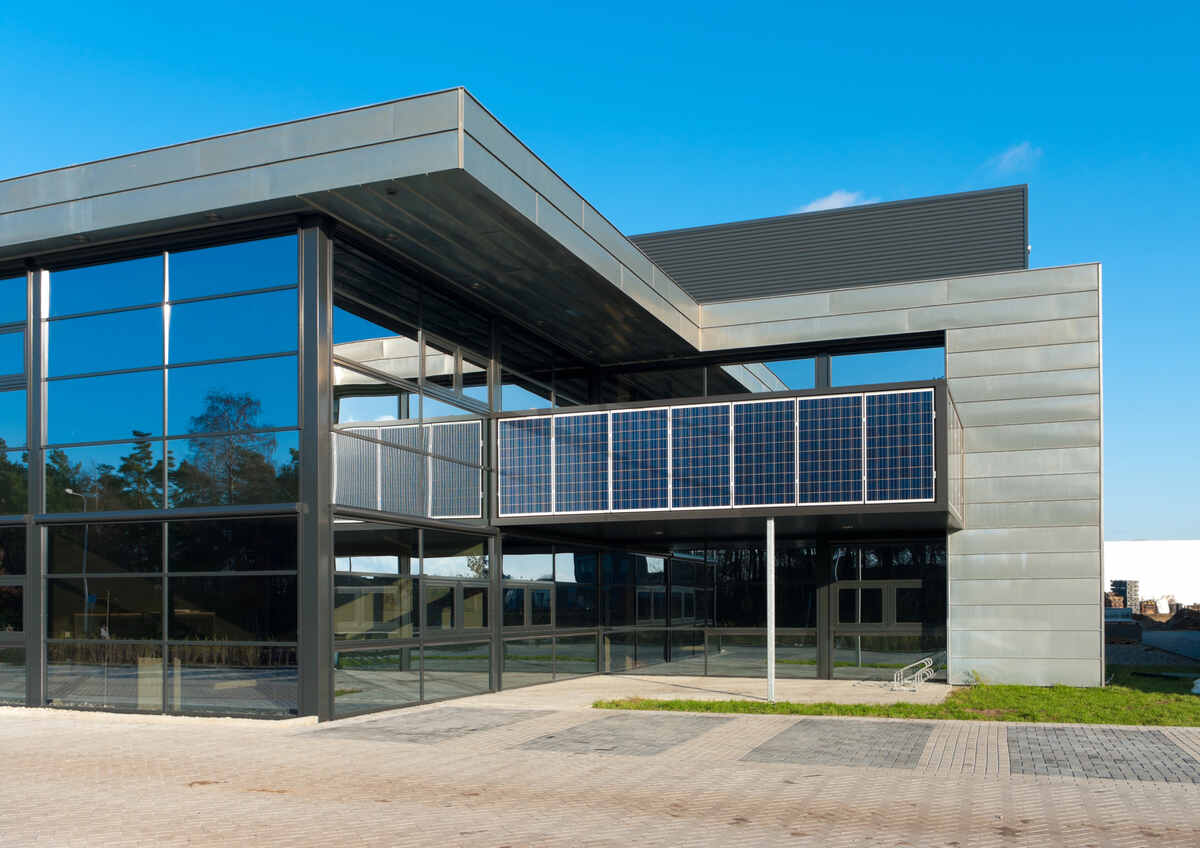
When properly designed, hybrid renewable energy systems can meet the specific energy demands of buildings, including electricity, heating and cooling. Hybrid systems enable real-time monitoring and interaction with energy grids, enhancing a building’s ability to respond to energy demands dynamically and supporting the trend towards smart buildings that optimize energy use and reduce costs.
Hybrid renewable energy systems aim to minimize environmental impact and energy consumption. When these systems are integrated into buildings, operational costs are reduced and carbon emissions are significantly lowered. For instance, a study on zero-energy communities found that integrating battery storage with HRES could reduce carbon emissions by up to 91 percent and increase the investment’s net present value.
Get the Green Building Project Checklist
Use this handy checklist on your next project to keep track of all the ways you can make your home more energy-efficient and sustainable.
It’s not just savings of cash and carbon that hybrid renewable energy systems provide, they give the much needed peace of mind that comes from having a reliable system with multiple sources of power generation – something particularly important when going off-grid.
Components of Hybrid Systems
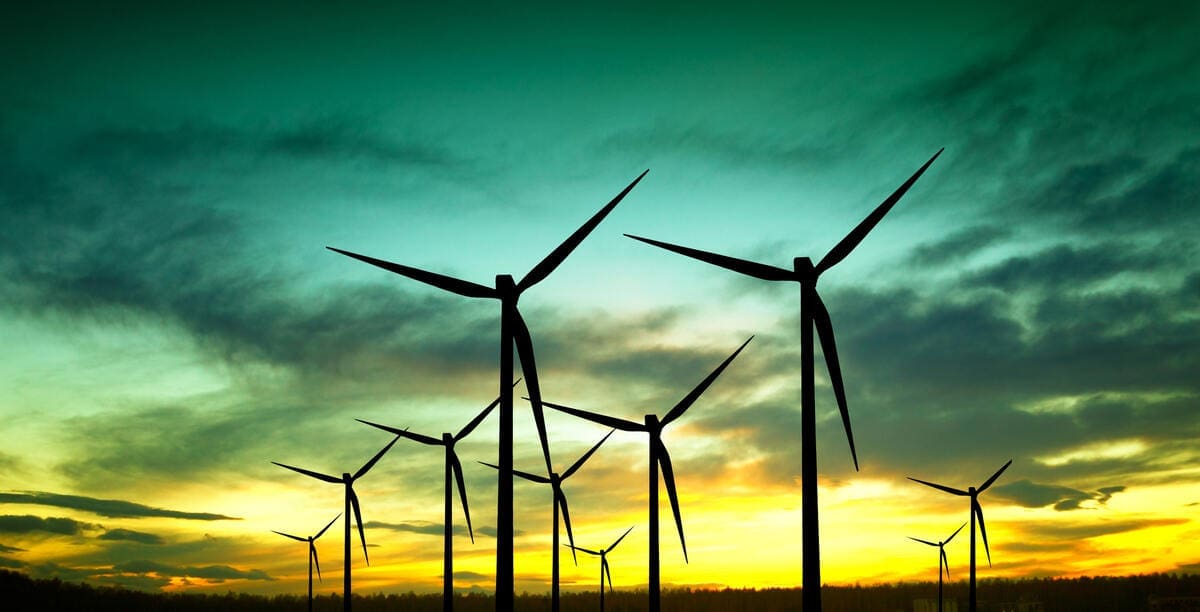
Each element forms a thorough and flexible hybrid renewable energy systems framework. The combination of multiple energy sources, power storage and backup solutions ensures reliable and sustainable power tailored to diverse needs and conditions.
Solar Power
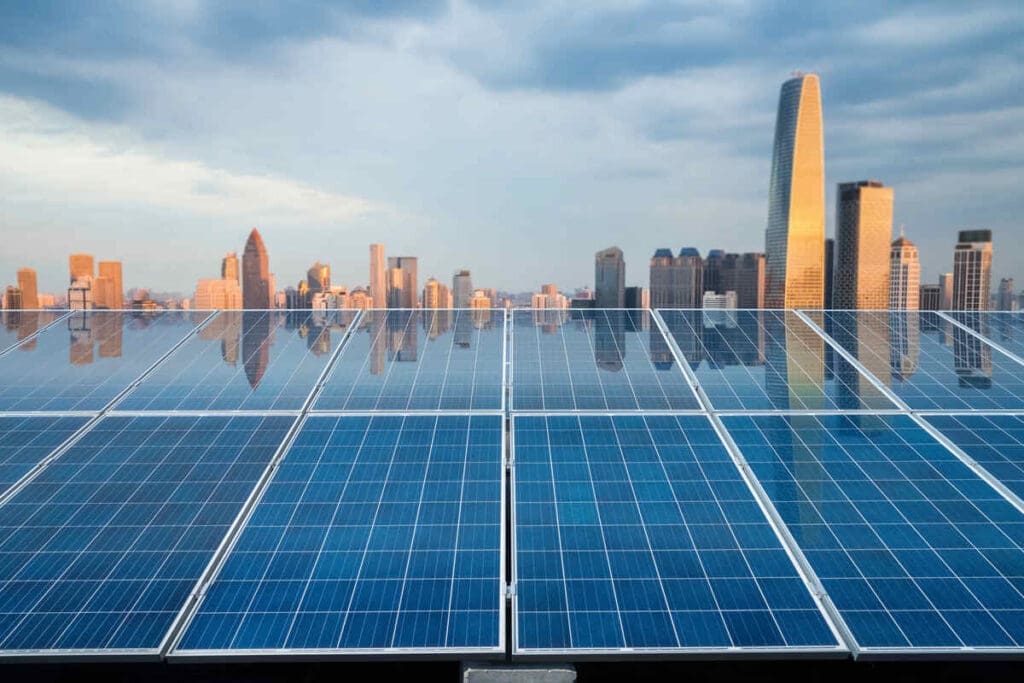
Solar power is a cornerstone of hybrid renewable energy systems, using photovoltaic panels to convert sunlight into electricity. This clean, renewable energy source is ideal for areas with abundant sunlight.
Since PVs don’t generate power at night, solar is paired with other components to ensure reliability during periods of low sunlight. Its ability to reduce reliance on traditional energy sources and lower greenhouse gas emissions makes solar an essential component of hybrid renewable energy systems.
Wind Power
Wind power is another fundamental element of hybrid systems. Using wind turbines to generate electricity is effective in regions with consistent wind patterns. Unlike solar power, wind turbines can operate at night or during cloudy weather, offering a complementary energy source that offsets solar’s limitations.
Micro Hydropower
A much smaller version of hydro-electric power plants, micro hydropower (MHP) works by converting the energy from flowing water into mechanical power, which is then turned into electricity by an electric generator. Unlike hydro-electric plants, MHPs do not create dams or flood the land; they’re a run of river system that allow flowing water to pass around them, so there’s very little environmental impact from systems like these.
Biomass Energy
Biomass energy systems convert organic materials, such as sewage, municipal waste solid waste, forestry byproducts and animal residues, into usable energy through combustion, anaerobic digestion, pyrolysis and other methods.
Biomass energy has twofold benefits as it provides a renewable source of energy generation and is a practical method for waste management. In hybrid systems, it can act as a backup source, ensuring energy availability when solar or wind production is insufficient.
Geothermal Energy
Geothermal energy taps into the Earth’s heat to provide reliable heating, cooling and electricity generation power. This energy source is highly dependable, unaffected by weather conditions and capable of delivering a steady energy supply year-round. By enhancing heating and cooling efficiency, geothermal energy reduces overall energy consumption and supports the sustainability goals of hybrid systems.
Integrated Energy Storage Solutions
Energy storage solutions like batteries are critical for balancing energy supply and demand in hybrid renewable systems. Batteries store excess energy generated by renewable sources, allowing it to be used during periods of low production, such as at night or during calm wind conditions. This capability improves the efficiency and reliability of the system, minimizing energy waste and ensuring a consistent power supply for homes and buildings. Integrated energy storage is particularly vital for off-grid systems, where grid support is unavailable.
Generators
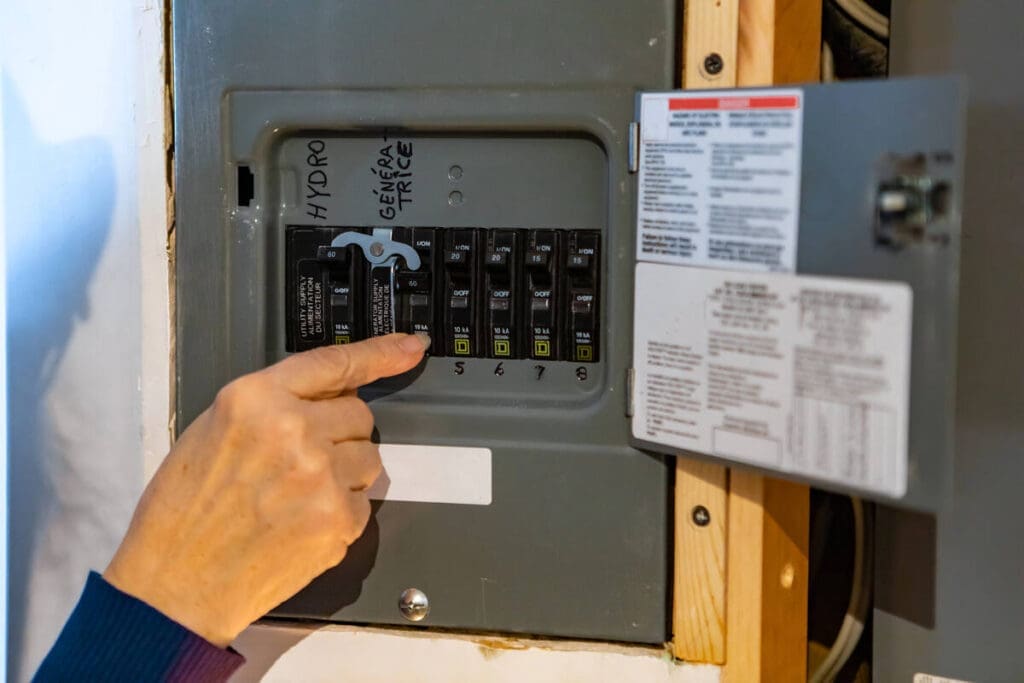
While not a pinnacle of sustainability, propane or natural gas generators play an important role as backup energy sources in hybrid renewable systems. They are particularly valuable for off-grid homes or during prolonged outages when renewable sources alone may not suffice, providing an additional layer of energy security. Their integration ensures that hybrid systems remain functional under all circumstances, bridging gaps in renewable energy availability.
Common Types of Hybrid Setups
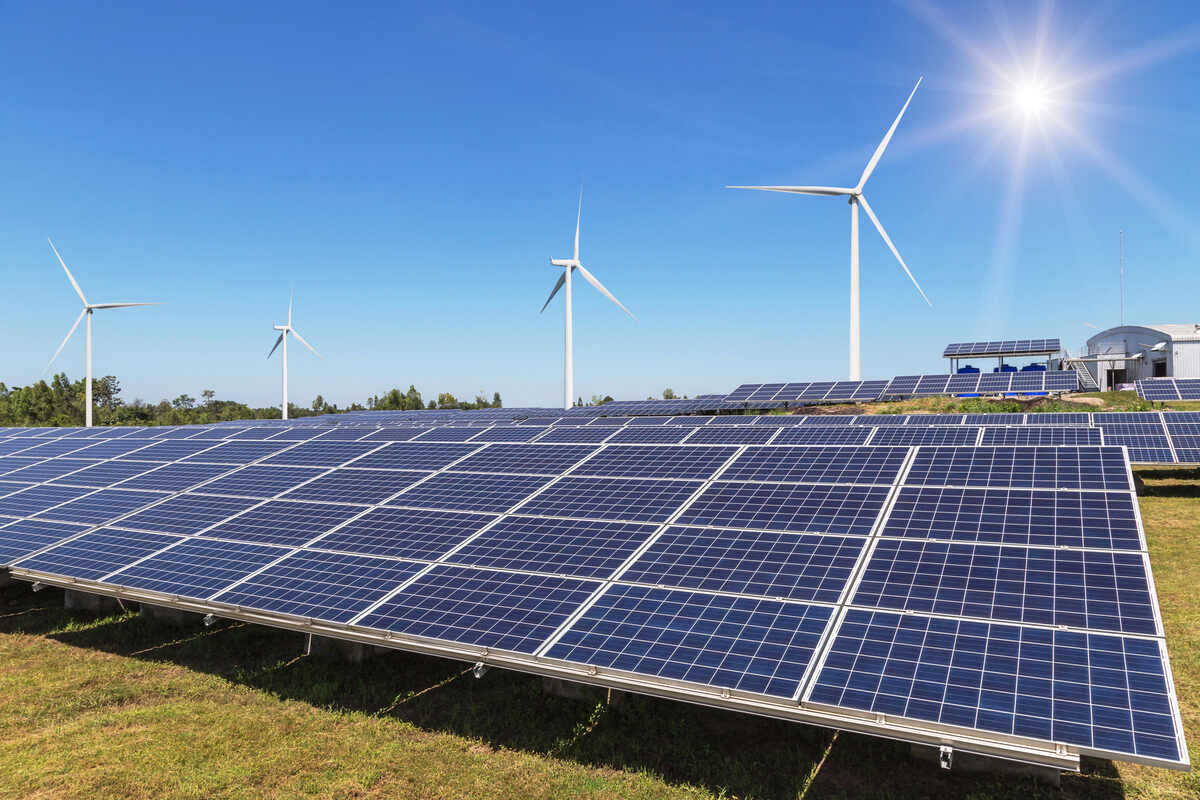
An HRES can be any combination of renewable energy sources, like geothermal-solar or biomass-wind-battery. However, specific setups have shown particular efficacy in the field and have experienced wide adoption.
Solar-Battery Hybrid System
One of the most common setups, solar power generation with battery storage is prolific in the renewables industry. It is ideal for regions with ample sunlight or communities with grid accessibility restrictions. The batteries allow excess power to be stored for nighttime use or during cloudy conditions and address solar’s inherent power fluctuations. Solar-battery hybrid systems ensure grid independence by providing a reliable backup power source when installed in communities with established utility providers. A notable Canadian example of a solar-battery hybrid system is the Fort Chipewyan Solar Farm in Alberta, which captures and stores solar energy for use in remote communities.
Solar-Diesel Hybrid Systems
A typical consumer setup for remote locations and off-grid residential solar setups, the solar-diesel hybrid is a reliable option for places where solar alone cannot meet energy demands. The two components in this system play off each other: the generator provides backup during prolonged cloudy periods or high demand and the solar energy reduces diesel consumption, lowering operational costs and emissions. This symbiosis is evident at the Colville Lake Solar Project in the Northwest Territories, where the provincial utility provider installed a solar-diesel-battery system to provide reliable and sustainable energy for the remote community.
Solar-Wind Hybrid System
Another typical hybrid setup is solar and wind, which provides a consistent power source: the solar panels generate power during the day while the wind turbines offer it at night or during cloudy periods. This setup ensures a consistent energy supply in the right conditions: ample sun and consistent winds. The complementary nature of these two subsystems reduces the need for extensive energy storage solutions, though they are commonly paired with batteries.
Hybrid Systems: The Future of Energy for Buildings
Hybrid renewable energy systems represent the next frontier in addressing modern energy challenges. By combining multiple renewable sources such as solar, wind or biomass with advanced storage and backup technologies, these systems offer a reliable, sustainable and cost-effective solution for power generation.
These technological power-generating combinations are seeing adoption countrywide and across industry sectors. TransAlta, a Western Sustainable Power Corporation subsidiary in Alberta, Canada, has successfully installed and operated a utility-scale lithium-ion battery storage facility to capture the power generated by the Summerview Wind Farm. Projects like this demonstrate the future of this technology in providing reliable, large-scale power generation and storage.
Advancements in technology have made hybrid setups more accessible and affordable, enabling homeowners and businesses to harness clean energy while reducing reliance on fossil fuels. Moreover, hybrid systems align with global sustainability goals by minimizing greenhouse gas emissions and promoting energy independence.
As the green energy industry looks hopefully into the future, hybrid renewable energy systems show great promise to improve energy efficiency, lower costs and support environmental sustainability. For homeowners and businesses seeking to embrace the future of energy, investing in an HRES is a practical and impactful choice.
Read more on this topic in Off-Grid Living: 7 Renewable Power Systems & Energy Sources
Images from Depositphotos