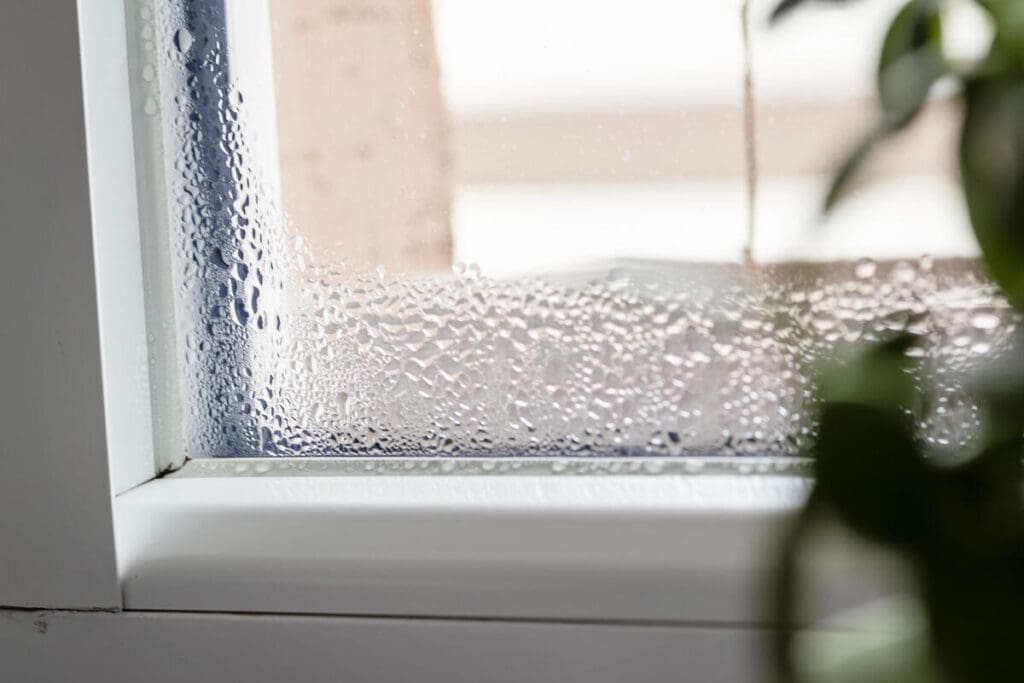
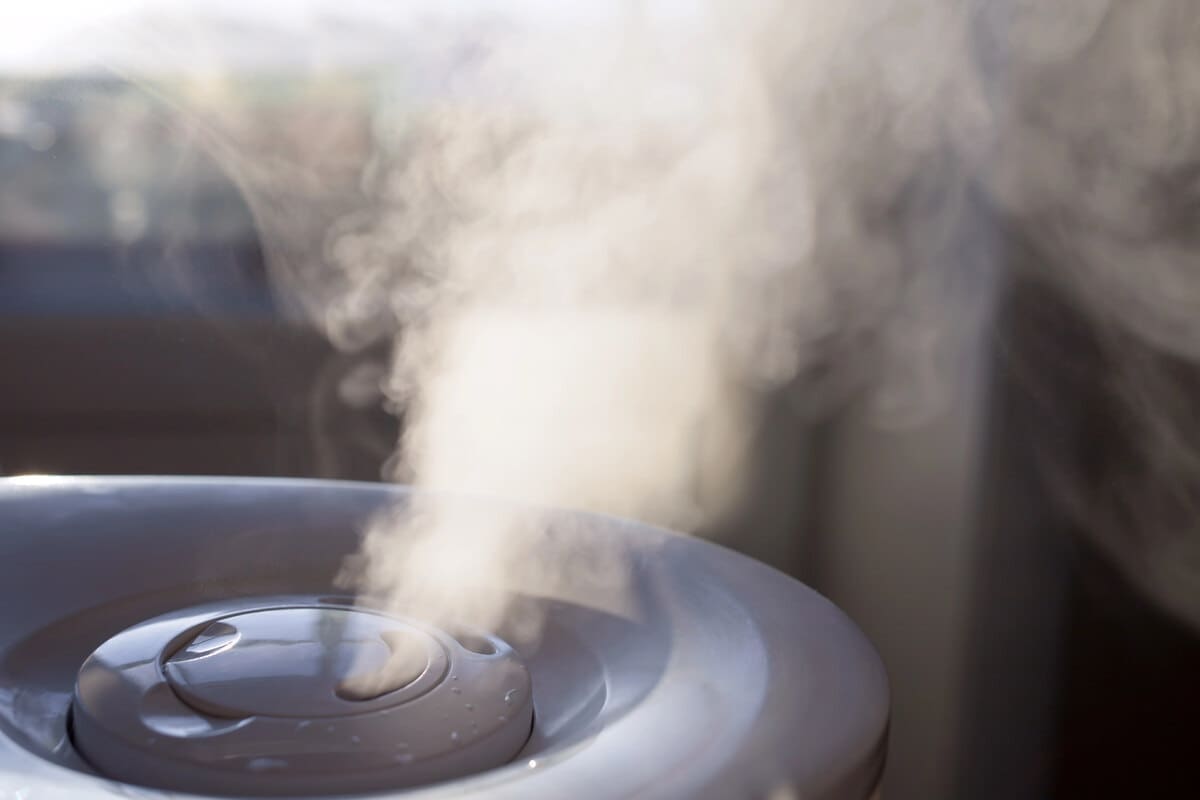
A home’s comfort is affected by a number of factors like its heating and cooling systems, how well it’s insulated, and its ventilation, but one of the most important aspects to consider is its humidity. A house can become too dry due to a variety of issues, such as the weather getting colder during the winter or poor maintenance on its HVAC systems. Dry indoor air can lead to all sorts of discomfort, such as cracked skin, sinuses congestion, or a parched throat – it can even lead to nasty static shocks!
To solve these issues, one of the best things you can do is get a humidifier. They add moisture back into your home, ensuring the comfort of you and your family and improving your overall quality of air at your place.
What Does a Humidifier Do?
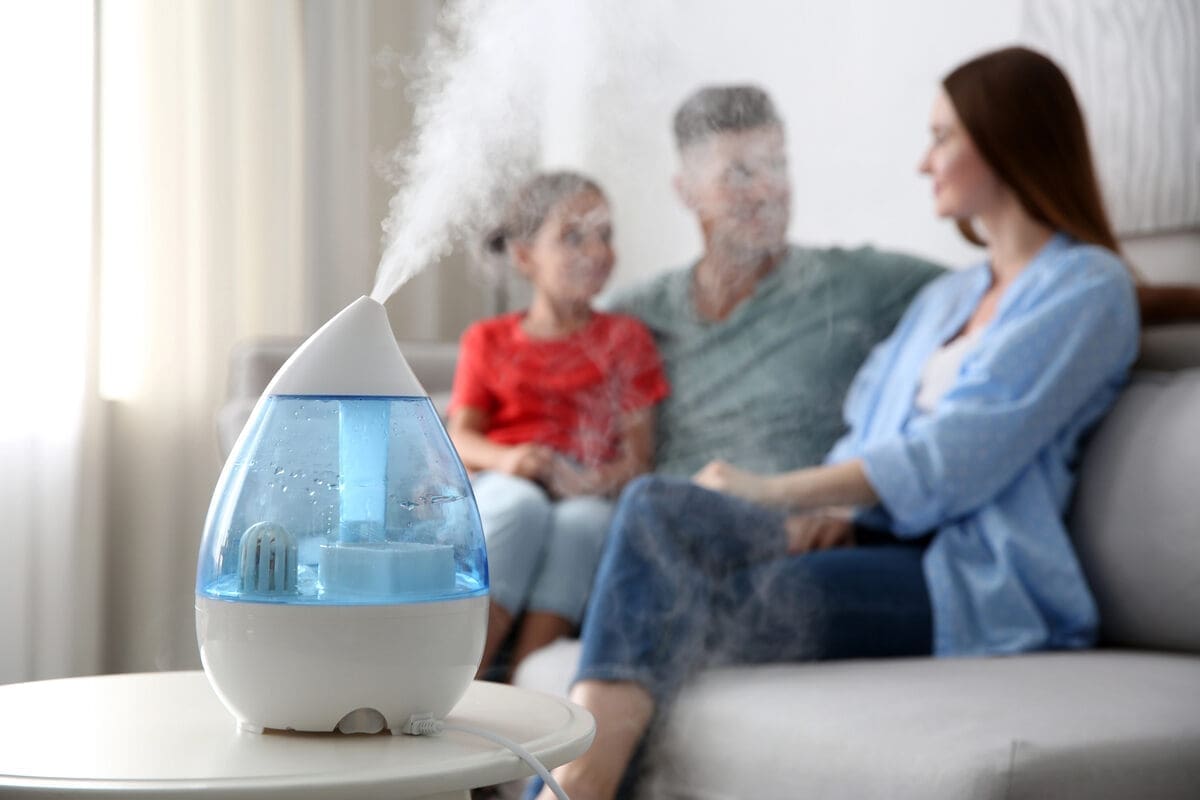
A humidifier is a device that adds moisture to your home by, for example, evaporating water which you add to it. It can be a standalone unit used to humidify a single room, or a central humidifier that’s connected to your home’s HVAC systems to add humidity to the whole house.
The level of humidity someone finds comfortable varies from person to person, but we recommend keeping indoor humidity levels between 30–50 percent. This level of moisture keeps the symptoms caused by dry air at bay while preventing any excess condensation from causing problems to your home.
What Problems Does a Humidifier Solve?

Get the Green Building Project Checklist
Use this handy checklist on your next project to keep track of all the ways you can make your home more energy-efficient and sustainable.
An excessively dry living environment is the source of many discomforts you may face in your everyday life. Including the issues previously mentioned, dry air can cause the following symptoms:
- Dry skin and dermatitis
- Sore throat
- Eye irritation
- Nosebleeds
- Dehydration
- Increased risk of infections
- Worsen symptoms of asthma, bronchitis and other respiratory illnesses
As you can see, living in a home that’s too dry for you can cause all sorts of problems, leading to an overall lower quality of living. In addition to alleviating the symptoms caused by excessive dryness, humidifiers can also have a positive impact on your house itself. By keeping the moisture in your home at an optimal level, a humidifier can help maintain the temperature inside as well as protect your furniture and floors from wear and tear.
What Types of Humidifiers Are There?
So now that we’ve gone over the benefits of a humidifier, let’s look at the different types of humidifiers that you can get your hands on. Humidifiers come in a variety of sizes and are usually split between console units (which can add moisture to an entire house) and portable units (compact units that add moisture to one room). Different types of humidifiers use different methods to distribute moisture across a household.
Evaporator – These types of humidifiers work by using a fan and wick to accelerate evaporation, and includes a filter for removing minerals from its water source. They then expel the moisture they generate into a room, increasing its humidity.
Ultrasonic – Ultrasonic humidifiers use high frequency vibrations under the water to create a mist that it expels into a room. Depending on the humidifier, it can provide either cool or warm mist to suit the user’s preferences.
Impeller – Using the help of rotating disks, these humidifier units spread moisture across a room as a cool mist. They are noticeably safer for small children and carry no risk of burns, but can create more white noise than other types of humidifiers.
Vaporizer – Steam vaporizers are humidifiers that heat water and expel it as steam into a room to increase its moisture levels. These humidifiers are both cheap and accessible, though due to the temperature it functions at, it can pose the risk of burns for children.
How to Choose a Humidifier
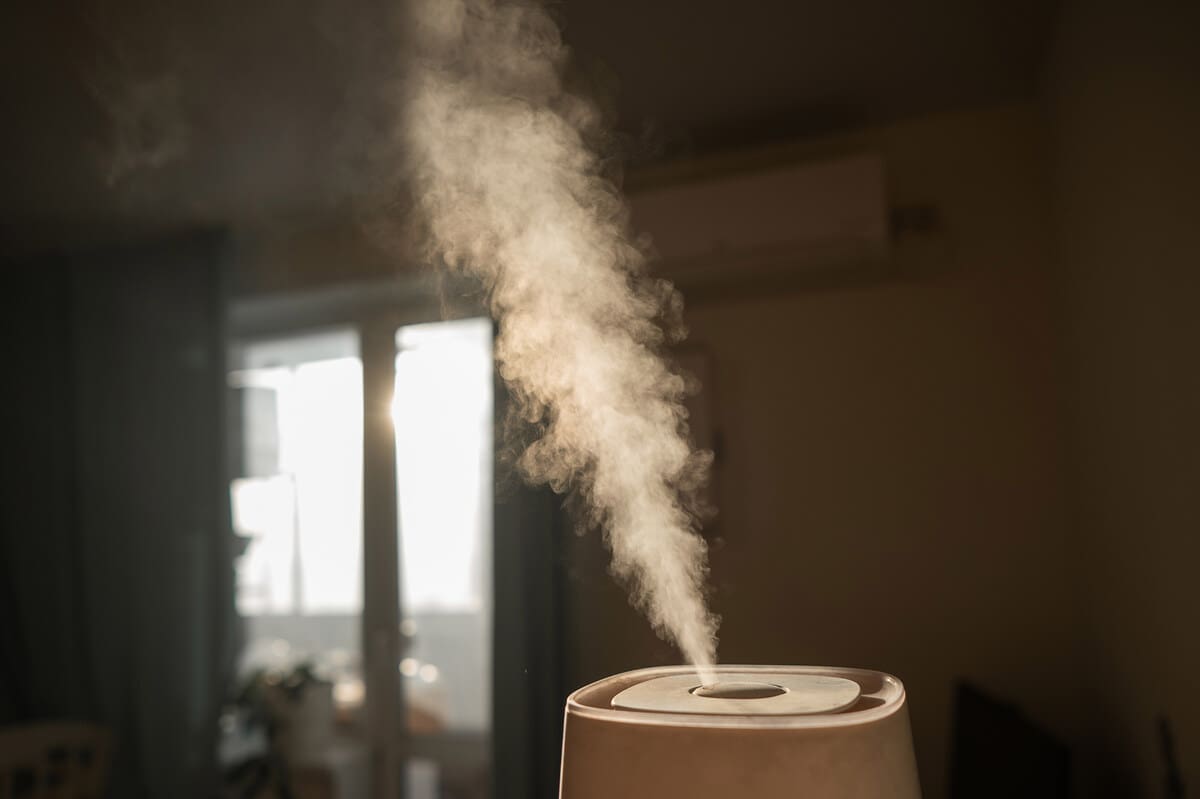
Each type of humidifier has its benefits and downsides, and the choice of which to pick depends on your specific needs. Before deciding which one you want, consider whether you need it for a single room or the whole house, if you have any children that it might pose a risk to, and whether the noise it generates would bother you or not.
When used properly, a humidifier can drastically increase the quality of life of your home, alleviating the symptoms caused by dry air and making it both cleaner and more comfortable to live in.
The Downsides of Using Humidifiers
Though we’ve been focusing mostly on the benefits of humidifiers so far, it’s worth noting that humidifiers aren’t entirely without their drawbacks. Certain types of humidifiers can cause burns, which could be an issue if you have kids or pets around.
Humidifiers work by adding moisture to the air, but as previously stated, too much of something can be a bad thing. If the humidity of a home gets too high, it encourages the growth of mould, which can cause health problems and damage your house. Keep any humidifiers you use away from objects that can become damp, like curtains, couches, beds or food.
Lastly, make sure to keep your humidifier clean and to change out filters according to the unit’s specifications to prevent bacterial growth, which a humidifier can spread throughout your home if not properly cleaned.
There are many benefits to using a humidifier when it comes to improving the comfort and the quality of life in your home. Humidifiers can regulate the moisture levels of a home, alleviating the symptoms caused by living conditions that are too dry. Especially for harsh winters that are cold and dry, keeping your house at the right humidity level is an essential step in keeping it both cozy and as comfortable as it can possibly be.
Images from Depositphotos