
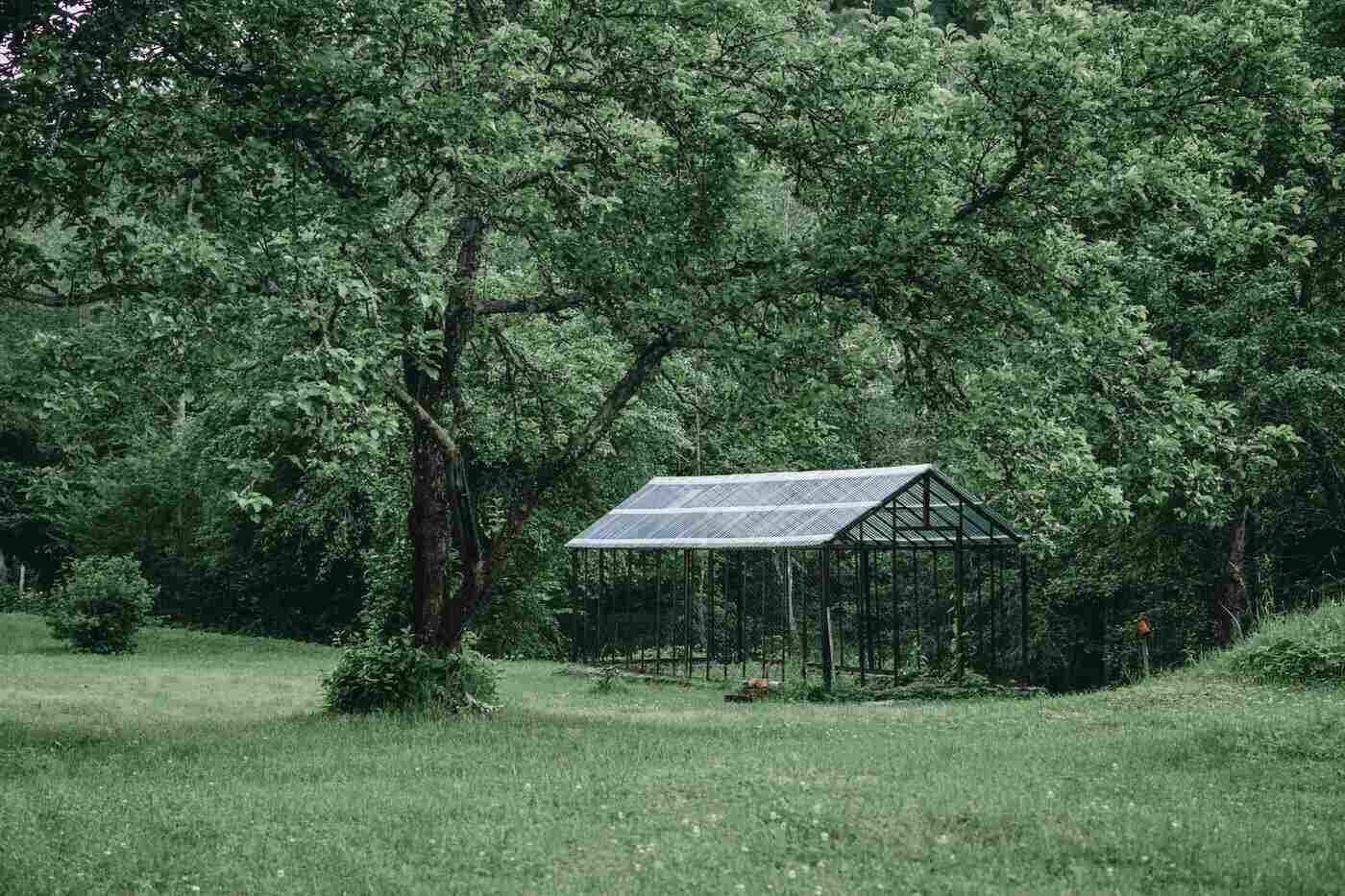
For all the gardeners out there, isn’t it exciting to think about growing plants that would not survive in your zone? How about the thought of extending your gardening season so you can practice your favourite hobby year-round?
Greenhouses give you that. They are truly awesome additions to the garden so if you’re ready to get growing, continue reading. Here we present 10 easy steps you can take to set up a greenhouse so you can get started in no time.
Step 1: Choose the Site
In terms of location, the greenhouse should be built in an area that is close to your house so you can get to it quickly. The site should provide exposure to sunlight at least six hours a day during the winter season.
It’s also beneficial to set up an attached greenhouse to the south-facing side of your house so that it has some protection from the cold.
Step 2: Choose the Greenhouse Frame or Style
One of the most crucial steps when it comes to building a greenhouse is choosing the greenhouse structure. This step is actually a determining factor of the effectiveness and functionality of the overall building operation.
Get the Green Building Project Checklist
Use this handy checklist on your next project to keep track of all the ways you can make your home more energy-efficient and sustainable.
You can find free greenhouse plans online, purchase a ready-made structure new or used, or even make one out of recycled materials. Read our article “How to Build a Simple Greenhouse With Recycled Materials” if you’re interested.
Step 3: Hardware and Doors
The next step in building a greenhouse is constructing exit and entry routes that are practical, keeps with the look of the greenhouse, and are well insulated so that heat doesn’t transfer between the enclosed area and outside.
In addition to the entry and exit doors, the greenhouse should also have all the required hardware, such as brackets, nuts, and bolts to ensure the greenhouse structure is strong enough to withstand the harshest weather conditions.
Step 4: Choose the Covering
The covering, which can come in a variety of thicknesses and materials, is essential for creating an effective growing environment. The covering should be durable and strong and should not tear under any harsh weather conditions so go with films or sheet plastics, thicker is always better.
Glass is clearer than polycarbonate, which can get foggy or yellow over time, but the downside to glass is that it could break easily. So if you’re mowing grass close by you might want to think twice about getting glass as the rocks kicking out from the mower could shatter the glass.
Step 5: Cooling and Ventilation
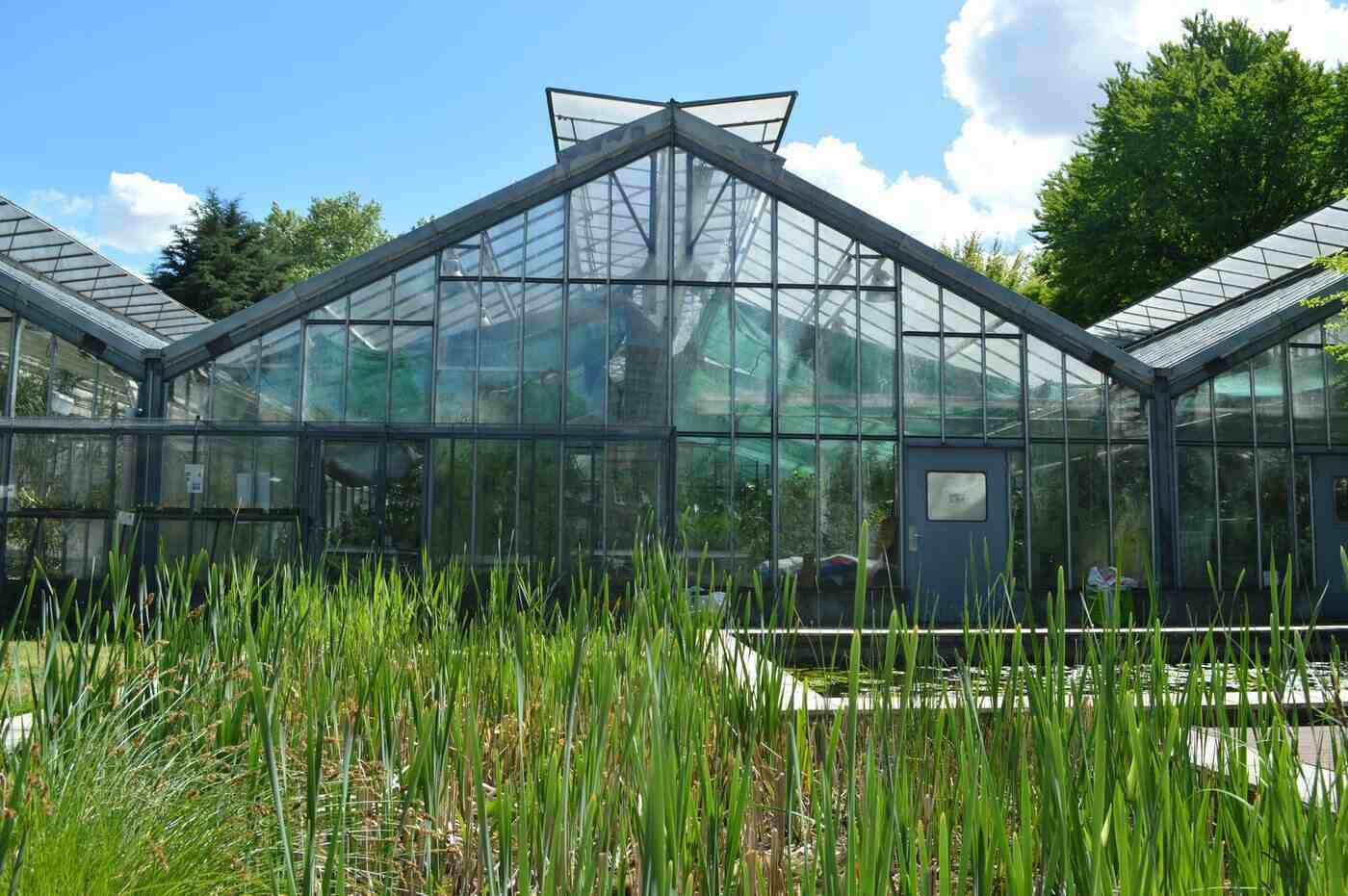
Having well-circulated air in the greenhouse is very important for cooling the greenhouse structure and preventing the plants from overheating. Proper air circulation is also important for preventing cold spots during the winter season.
If you can’t count on a breeze blowing through the windows of your greenhouse, circulation or exhaust fans provide a vital backup – they are necessary to move out any hot air from the greenhouse as well as to provide air movement for plants that have mould issues.
Another option is convection cooling, which is a passive form of cooling that uses only vents. Take a look at the video below to learn about this option:
Step 6: Select Your Heating System
Make sure to include proper heating so that the plants inside the enclosed structure are given a suitable environment for growing. Sustainable heating options include running solar panels that power a heat pump or you could get a black water storage tank and set it up in the south-facing part of the greenhouse. The water absorbs the heat during the day and releases it at night. An alternative could be putting in a rock or stone wall. Any substance that absorbs heat and releases it over time would work.
Standard heating options include natural gas and propane heaters, electric heaters and convection tubing.
Step 7: Environmental Control
Temperature control is another important thing to keep in mind when it comes to constructing the greenhouse. The temperature of the enclosed area should not be too hot or too cold and should be maintained around 27 degrees Celsius for most plants.
By maintaining complete control over the cooling and the heating, the greenhouse structure will be guaranteed to be plant-friendly and functional.
Step 8: Keep an Eye out for Pests
While greenhouses might look like they can keep pests away from the plants within, it can actually be quite the opposite. In fact, the warm and humid climate of the greenhouse is a nurturing area for infestations of various kinds. Affected greenhouse plants should be taken out immediately once spotted to prevent the spread of pests and keep their population under control.
Step 9: Greenhouse Benches
Greenhouse benches are a great addition to a greenhouse as they elevate flowers or plants closer to eye level in a way that they are better observed without the trouble of bending.
Step 10: Building the Greenhouse
Once all the equipment that is required to build the greenhouse is selected, the structure will be ready to build!
Feature image: Ēriks Irmejs; Image 1: Fent Jani


My classmates ,I and our science teacher are going to building a greenhouse and this steps help me and my classmates and teacher will be happy to now I found some notes on this app thank you so much again byeeee
Glad you found it useful! Good luck on building your greenhouse.