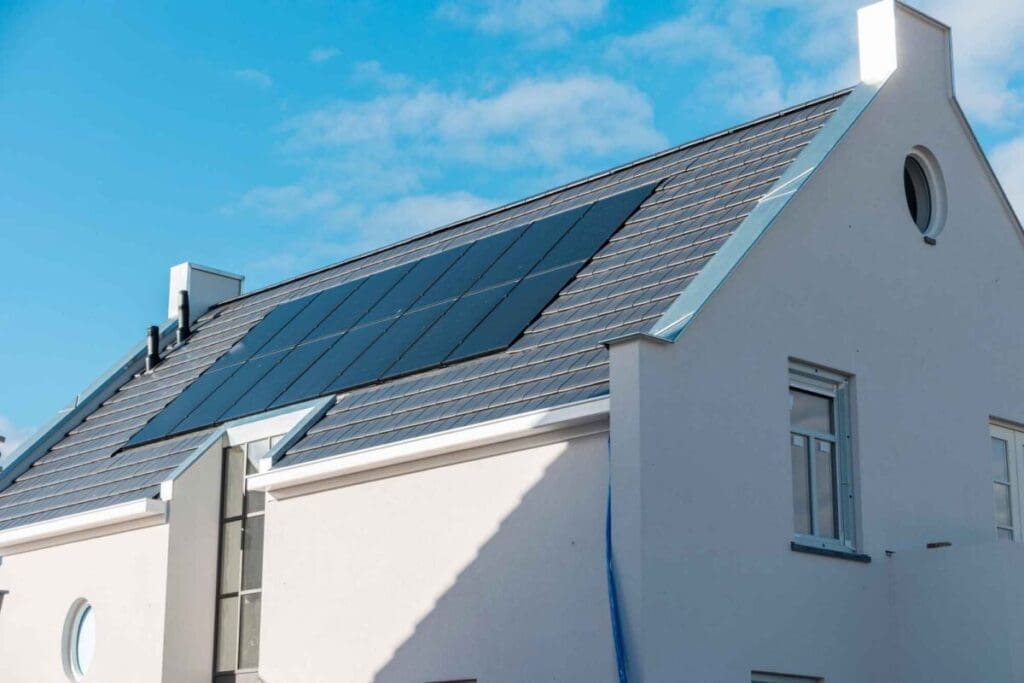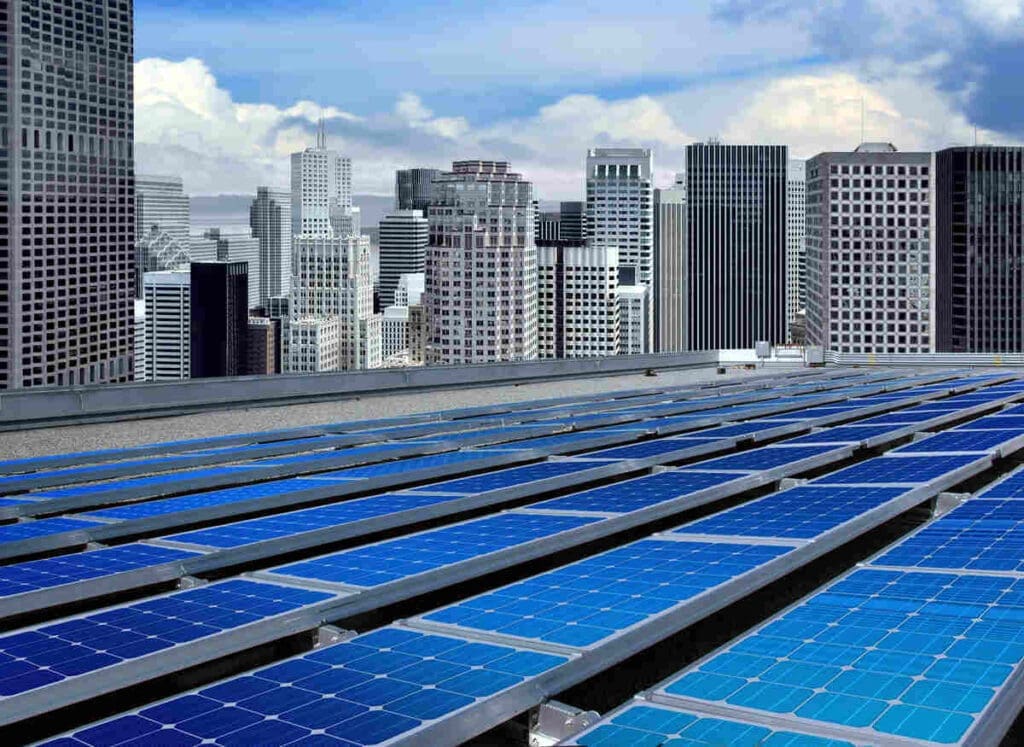
Have you ever thought about shifting from traditional energy to solar energy for your home? More and more people are investing in solar panels for their homes. It’s not just about doing the planet a favour. People are also installing solar systems because they have numerous benefits for homeowners, as well.
It’s actually very easy to have solar panels installed in your home, as there are numerous companies that can do the job for you. What can be hard is figuring out exactly how many solar panels you need to efficiently power up your home. If you are thinking about going solar soon, then you need to read on.
Measuring Your Home For Solar Panel Installation
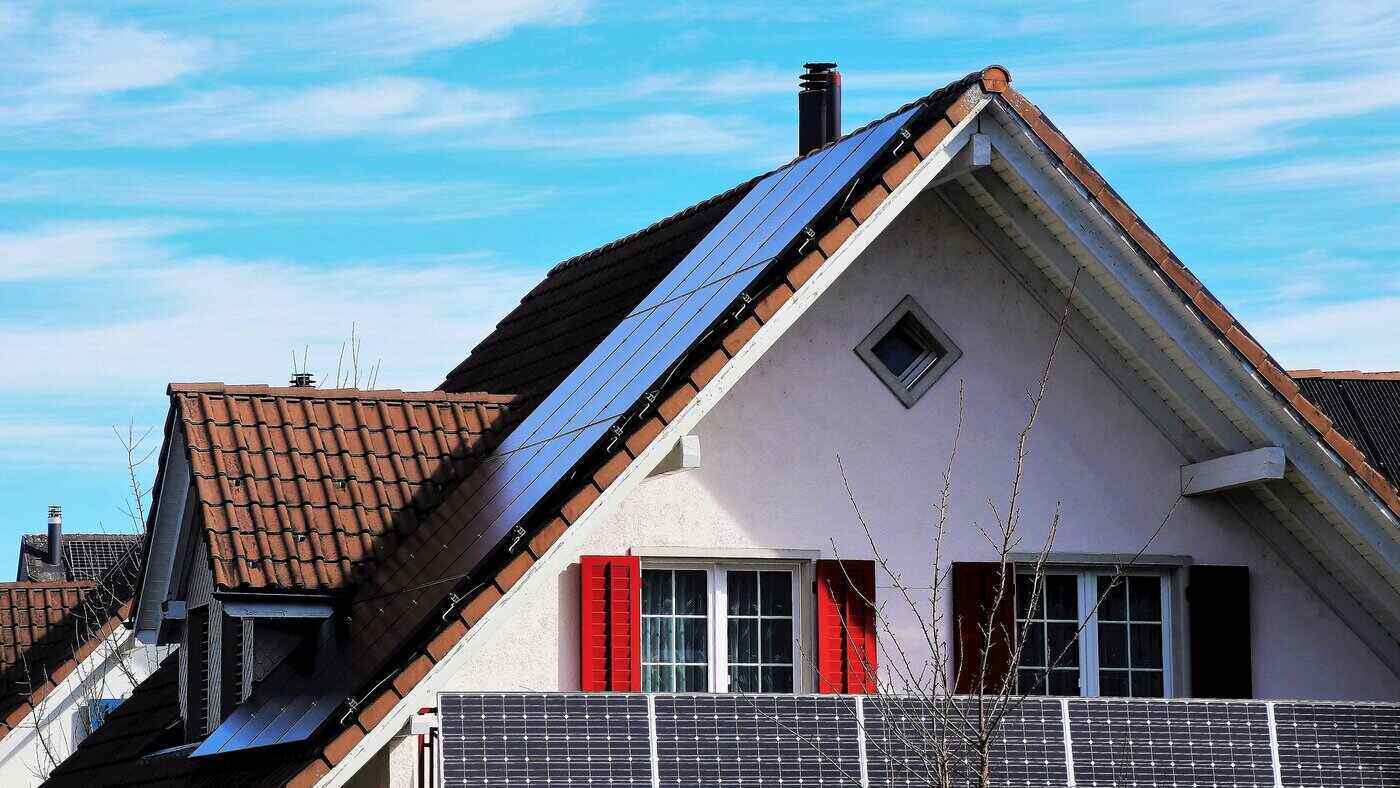
First things first, if you want a roof-mounted system you’ll need to measure your roof. Ground-mounted arrays typically have a lot of room to work with. For roofs, however, you need to know the total square footage, as well as the usable square footage (i.e. how much space is not taken up with chimneys, vents and other immoveable fixtures).
You should also know the angle and orientation of your roof, so you can determine how much optimal space you have for this system. For example, if most of your usable space is on the north side of your home, that will impact the number and arrangement of your panels.
Calculating Sunlight Hours
You’ll need to answer a few questions before you can determine how many solar panels and what size you need for your home. The very first one is: what is the average number of hours of sunlight you get in your area? This will help you with calculations in a bit,
Get the Green Building Project Checklist
Use this handy checklist on your next project to keep track of all the ways you can make your home more energy-efficient and sustainable.
Ideally, you need to know your location’s peak sunlight hours. Peak sunlight hours are the hours when the sun reaches an intensity of 1000 W per square meter (or 1 kW/m2). Consult a sun chart for your area and get your daily average number of hours.
Calculating Your Energy Usage
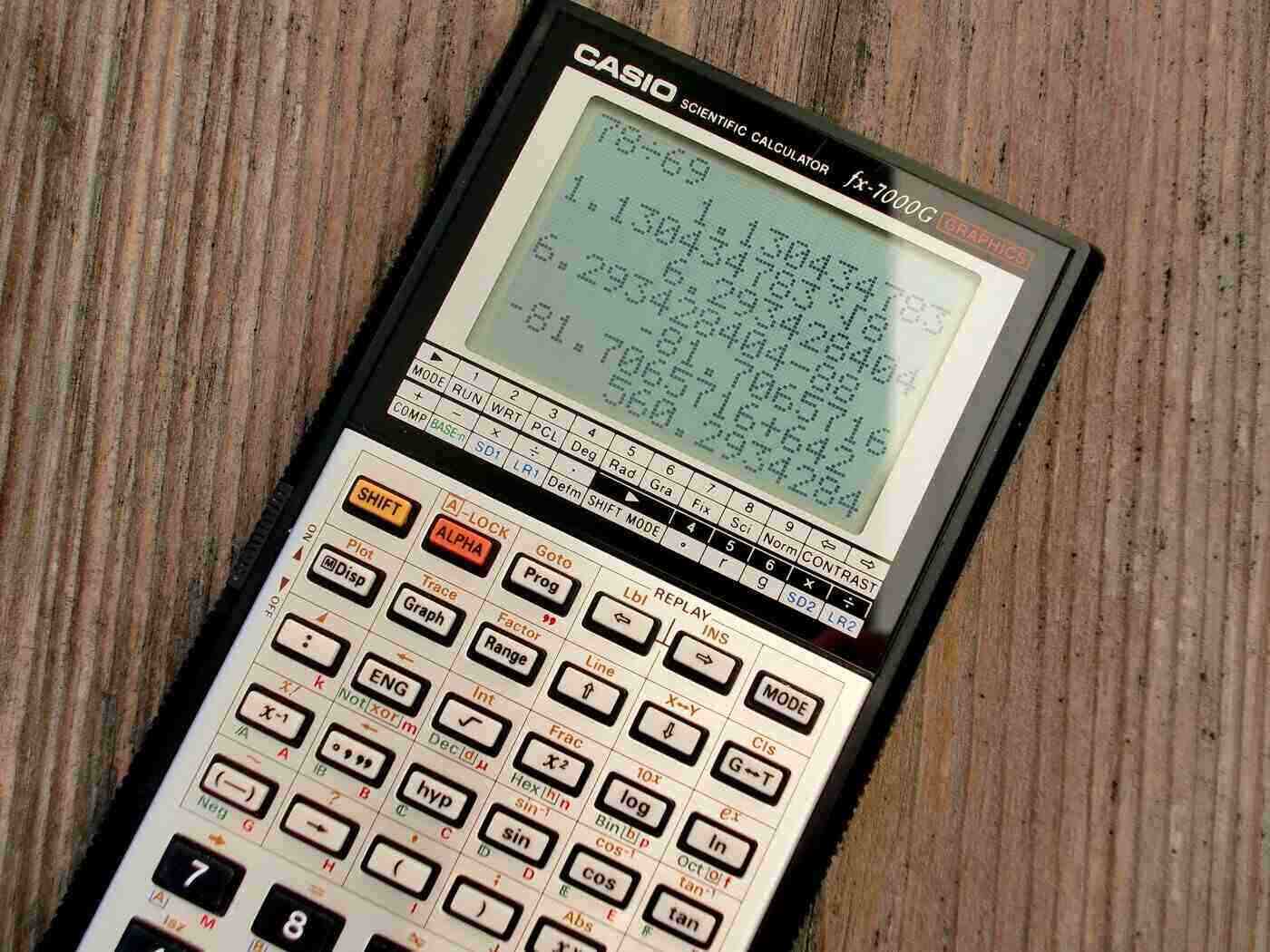
Next, you need to know how much energy your home consumes regularly. This will help you figure out what power output is needed to run your home with solar energy.
It’s actually very easy to determine how much energy you consume. As per the solar energy installers here, the simplest way to do it is by checking your electricity bills for the past year. Add up the year’s worth of kWh used, then divide by 12 to get an average monthly figure. Divide that by 30 to get a rough estimate of the kWh your household uses daily.
Calculate the Size You Need
Basically, you need to take your household’s energy requirement and divide it by the number of peak sunlight hours. This gives you the kW output your system needs to produce. That number is the size of system you need.
Once you’ve calculated these things, you should then inspect the solar panels that you are considering and find their efficiency. Divide the kW output you need by the solar panel’s efficiency (which you can find on the panel specs). This will tell you the number of panels you need.
The numbers you arrive at will be an estimate that needs to be further refined to account for any issues with shade, roof angle and roof orientation. Understandably, this can be quite a task to do, so many people opt to consult with solar panel specialists first.
You can also use NREL’s PVWatts calculator to estimate the energy your potential solar system will produce.
Factors to Consider when You Size a Residential Solar System
Even with the help of a specialist, there will still be a few factors that you need to take note of first. For one, you need to know how much weight your roof can carry. Some solar system equipment can be heavy, so it’s very important that your roof is more than capable of sustaining the weight.
A second consideration is whether you want to be on or off-grid. Those going off-grid will have to account for energy losses through batteries and inverters in their calculations. The calculations for sizing off-grid systems are more complex.
Another factor is the amount of shade that hits your home. People that live in the north or near skyscrapers, mountainous regions and other areas with too much shade get fairly limited peak sunlight hours. They can still use solar panels effectively. They will just need to account for less than ideal conditions.
Solar systems for residential properties have been around for years now. It’s an investment that many homeowners are considering because of its upsides. If you want to join the green movement, then it might be time to start running calculations and size the residential solar system you need.