Gardens are a great way to bring joy into your life. They can be used for relaxation, stress relief and creative expression. The plants in your garden could be destroyed, however, by destructive pests like slugs, snails, mealybugs and more if you don’t take steps to protect them!
Here’s how to prevent these pests from ruining your plants.
The Benefits of Having a Garden
People should start a garden because it brings joy into their lives. It’s important, however, to protect the plants within the garden from destroyers like slugs, snails and mealybugs. Gardens can provide people with many benefits, but these benefits are only available when the garden is healthy.
When it comes to pest control, pesticides are often used in order to keep destructive pests away from gardens. However, chemical-based pesticides can be very harmful to the environment.
So if you are eager to plant a new garden or fix up your existing one, these useful gardening tips will make that process much less troublesome, especially to newcomers to the art of gardening. For more gardening tips, visit our guide to the 9 Best Fruits and Vegetables for Urban Gardens after you make your way through this article.
Even if you avoid using toxic chemicals in your garden, there are still some pests that will continue to destroy your plants unless you step up your game and implement other practices in order to stop them.
How to Naturally Prevent Destructive Pests from Ruining Your Plants
Get the Green Building Project Checklist
Use this handy checklist on your next project to keep track of all the ways you can make your home more energy-efficient and sustainable.
In order to prevent destructive pests from ruining your plants, there are a few things you can do.
- Water your plants well. You should water them regularly depending on the soil and weather conditions. This will drown slugs and snails and keep other destructive pests away as well.
- Manually remove any weeds or dead leaves near your garden. Pests will come and hide there and eat the plants in your garden if you don’t remove any weeds or dead leaves near it first.
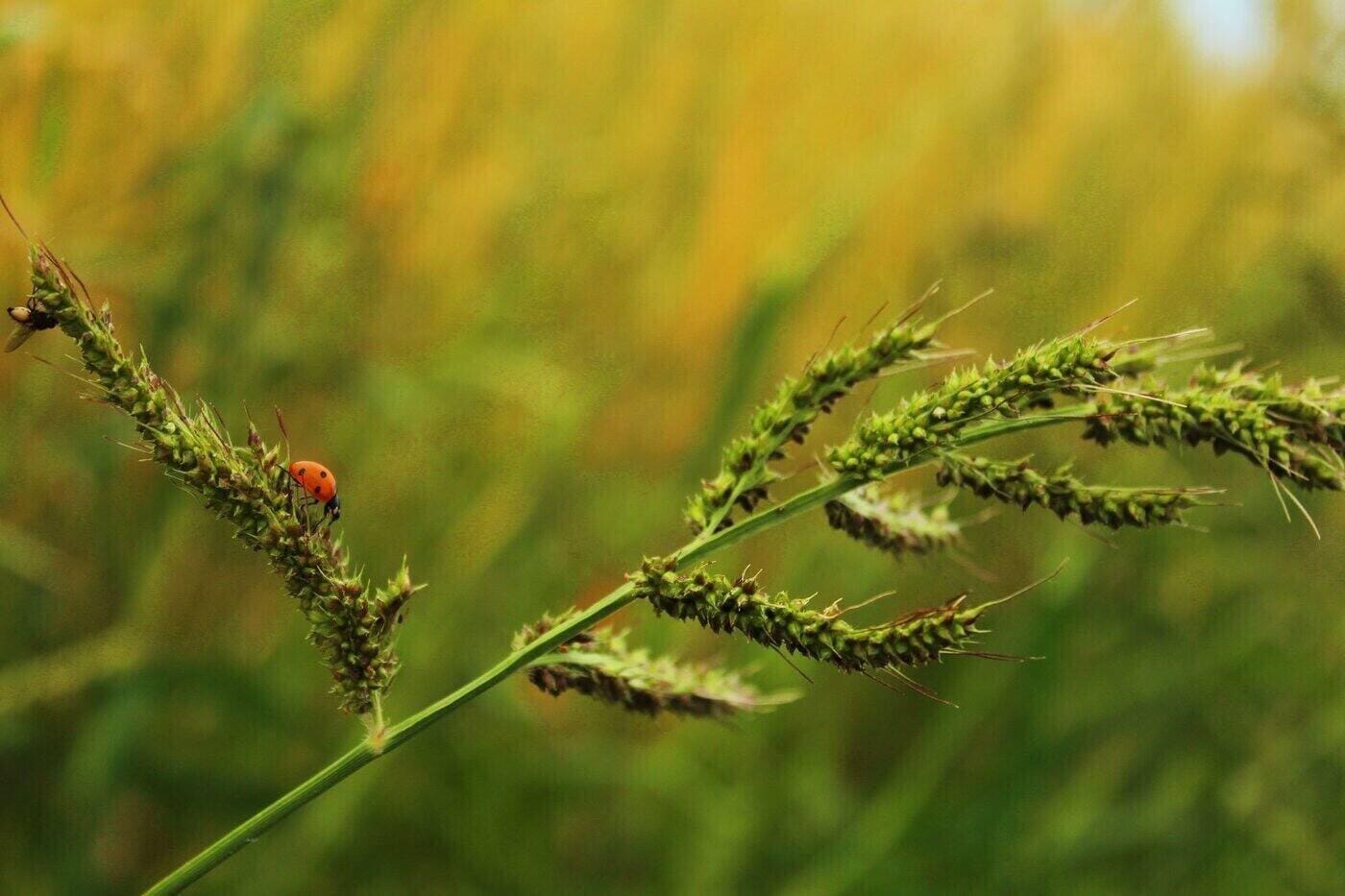
- Let natural predators like ladybugs into your garden to hunt for prey. They will then go out into the rest of the garden and kill appetizing pests before they can do any harm.
- Inspect any new plants you buy for their health before planting them in your garden. If they are not healthy, do not bring them home.
- Use organic mulch, or even gravel, as a ground cover to prevent slugs and snails from getting into your garden soil where they will eat the roots of your plants.
- Do not use any chemical pesticides on your plants, as they can be harmful to both people and the environment.
- Use plant stakes or trellises instead of tying plants to ground stakes because pests like slugs and snails can destroy them if they crawl over them.
- If you must use pesticides, try using organic pesticides that are made of natural ingredients to keep your garden eco-friendly.
- Keep your garden in good shape by weeding often and picking off any old flowers before they go to seed. These old flowers attract pests like aphids who will eat the leaves of your plants when they come in to feast on them.
Some Common Garden Pests
There are many pests that can destroy your garden including weevils, aphids and mealybugs. Some of the most common garden pests include slugs and snails, as well as ants.
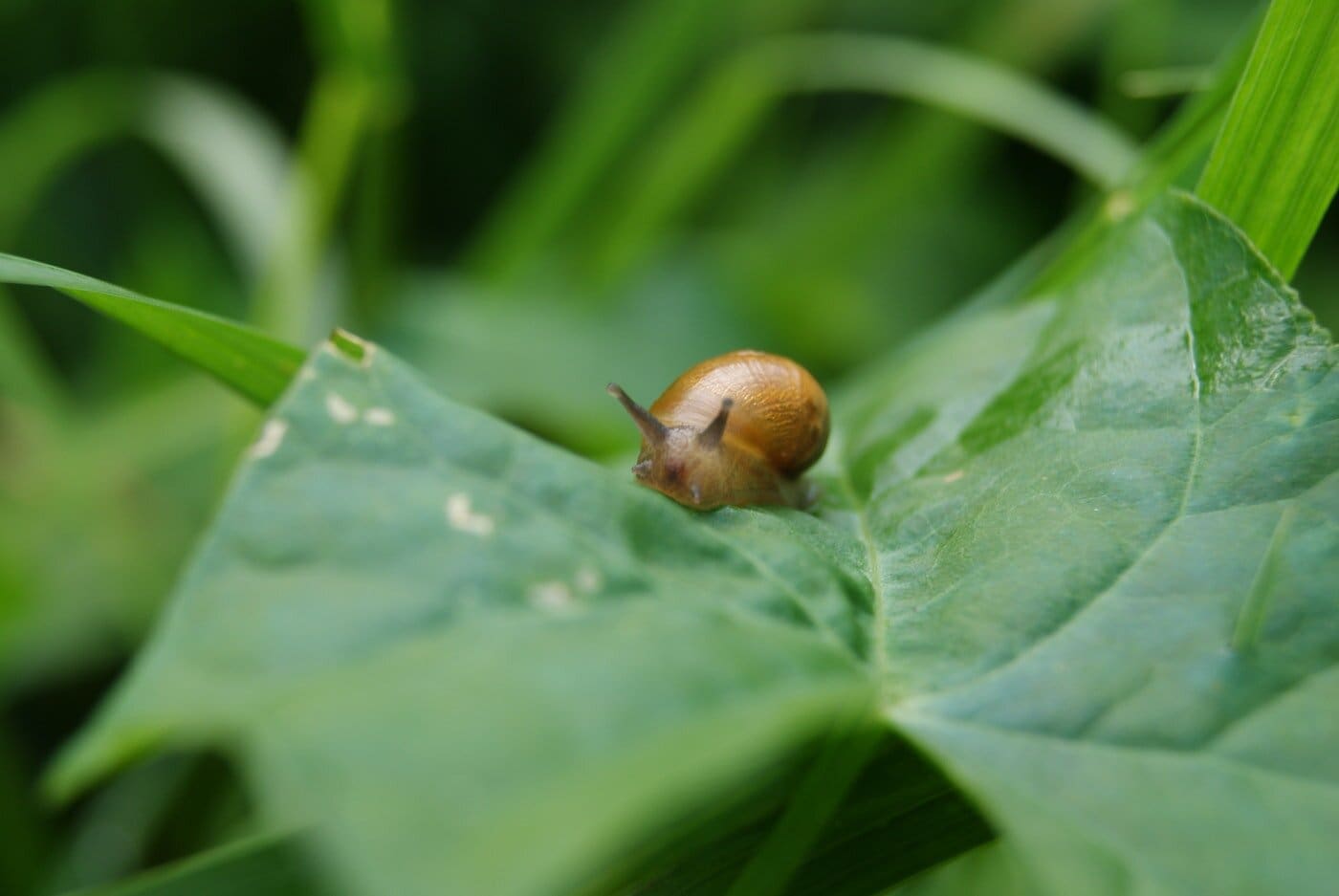
Snails and slugs can leave behind a slimy trail as they feed on plants by either eating them or sucking the juice from the plant’s roots. They will also destroy plant leaves by leaving behind slime trails or chewing on them with their mouths.
Snails have a shell around their body that is covered with a protective layer of mucous which helps protect them from any predators. Slugs don’t have a protective shell-like that, but they do have a sticky secretion that helps keep predators away from their bodies.
Mosquitoes are a huge pest for gardeners rather than plants. Use organic mosquito control products to keep your gardening time enjoyable. These products usually contain garlic, citronella or other natural ingredients that mosquitoes find repellent. When used correctly, organic mosquito control products can effectively reduce the mosquito population in an area. In addition, they are safe to use around children and pets and will not harm the environment.
While there are many destructive pests that ruin gardens, there are also ways to control them. Hopefully, this post explains how you can prevent pests from destroying your garden so it can thrive. To read about eco-friendly pest control throughout your whole property, check out How Can Pests Be Controlled Without Hurting the Environment?
Feature image: Anders Kristensen; Image 1: Anastasia R.