We all know that our homes use a lot of energy and want to decrease this. Many houses have air conditioners, heaters, or appliances that consume excess energy that increases our utility bills and our homes’ carbon footprints.
Fortunately, it is possible to make your homes more energy-efficient. Poor insulation is the most common cause of excessive energy consumption. It will make it more difficult to heat your home in winter and force you to use air conditioning more often in summer.
Signs That Your House Is Not Sufficiently Insulated
There are a few signs that will help you determine that there is a gap in the home’s insulation. Let’s consider the most serious of them.
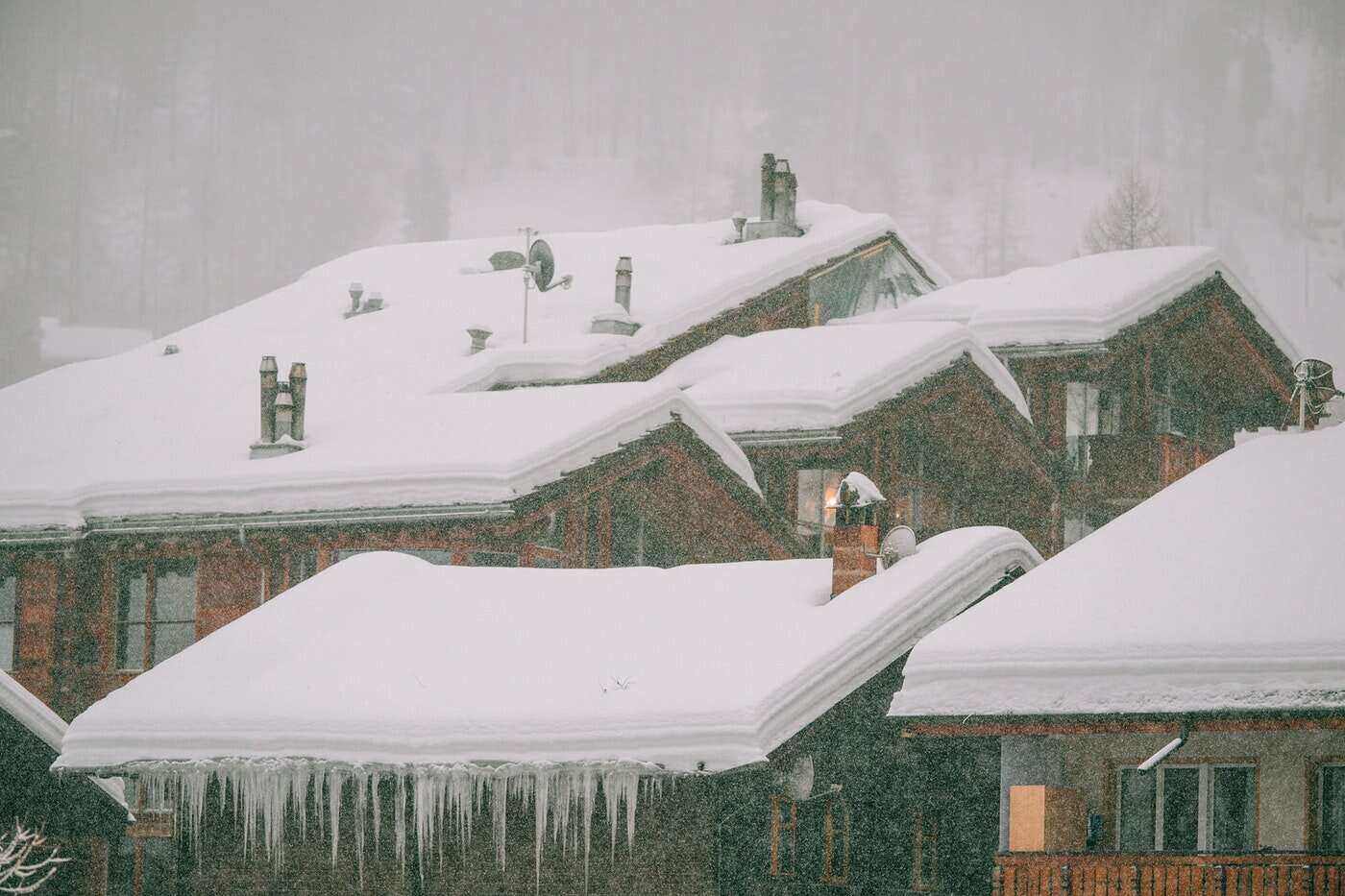
Ice Dams on the Roof
An ice dam forms on the edges of an attic when the temperature inside is higher than outside. Problems are made worse when gutters become blocked. The melting snow flows into the gutters where it freezes and causes leaks. This can lead to further damage if it continues.
To avoid ice dams, make sure your roof is cold. Insulating your attic enough to keep the heat from the house from getting through the roof is key. Ventilation is also important: a cold attic doesn’t have to mean wet.
Noise Permeation
Get the Green Building Project Checklist
Use this handy checklist on your next project to keep track of all the ways you can make your home more energy-efficient and sustainable.
A home’s walls and roofs are less well insulated if they let noise through. You need to create a barrier that blocks noise from reaching the ears.
If you are looking for additional ways to block noise, consider installing new, well-sealed doors or windows. When outside noises are less disruptive, you will sleep more peacefully.
Thermal Bridges
The spots in your house that allow heat (cold) to flow into your home are called thermal bridges or cold bridges. This happens when a building material has a higher thermal conductivity and not enough insulation.
A thermal bridge can make your home less efficient, no matter where the bridge is. This problem is most common at the junction between attics and walls, as well as at entry doors and window frames, walls with studs and cold basements.
Cold spots, condensate accumulations and mould spots are obvious signs of thermal bridging. They mean that insulation isn’t performing its job correctly. Proper insulation will prevent drafts from entering your home and create a healthy indoor environment.
How Can You Prevent Thermal Bridging?
Exterior walls built from wood and concrete and using metal structures conduct heat easily. These heat-conducting materials also happen to be the most commonly available building supplies.
Breaking thermal bridges is fast becoming a required practice in modern construction. Thermal bridges affect a home’s energy efficiency and create cold spots that increase condensation risk.
Moisture on walls can lead to indoor air quality issues, which can have a negative impact on human health, and cause structural damage. Insulation quality can play a significant role in heat loss and comfort as well as mould, mildew and rot.
Run your hand along the wall in the house. If you notice thermal bridging occurring, it is likely that you are wondering what you can do to fix it. The solution is to add insulation material. You can insulate your wall system during construction or later. These are the best ways to solve thermal bridging:
Outside Insulation
It is possible to add house wrap insulation from the outside. This will help maintain a comfortable temperature inside your home. A layer of house wrap can be applied to the exterior of your home to prevent drafts and moisture.
Many older homes don’t have house wrap. They can, however, often be retrofitted with it. You can combine wrap insulation with rigid foam insulation or any other type of insulation material.
This combination has the advantage that rigid foam insulation and house wrap go under the siding. This combination is affordable and compliant with most building codes. It’s also a great option for older homes.
Wood Studs Insulation
Insulating between studs can help to prevent thermal bridging. Foam boards are an excellent choice for stud walls. Because of its smooth surface, foam boards mould perfectly to the bays between studs. Spray foam can be used to isolate the joints between boards.
Even if you installed high-quality doors and double-glazed windows and insulated the attic and basement, if you neglected the studs, you would get a much more thermal penetrative dwelling.
Thermal Breaks
Thermal breaks will decrease the heat you lose. The thermal break works by creating an insulation layer between the exterior and interior metal frames of a building.
The thermal break stops heat from being transferred through a thermal bridge. These thermal breaks can be used for balconies and houses with metal frames, as well as window and door insulation.
Basement Insulation
Low insulation values are a problem with foundation materials. Lack of basement insulation reduces your home’s energy efficiency by 20 percent and you get a constantly cold floor.
There are many ways to insulate a basement. It is crucial to avoid water damage so basement waterproofing is the best way to prevent moisture. Then you can attach mineral wool or foam boards to the foundation wall. Ventilation is key to preventing mould growth and water damage in basements.
If a building is suffering from thermal bridging, you should immediately take steps to improve its energy efficiency.
The key component to thermal bridging prevention is continuous insulation. It creates a tighter building envelope and protects against drafts. Continuous insulation made from high-quality materials can help reduce heat loss and make your home more comfortable.
Feature image: Maria Orlova; Image 1: Harrison Haines