
There are multiple types of windows out there, and they all come with their own advantages for daylighting.
All windows allow natural light in and can help reduce your home’s electricity needs. But not every window is the same. This post will show you some tricks for choosing the best window for the best lighting.
Types of Windows
Each window has a different way of allowing light to come in. For you to get the most natural light in, you might want to consider the following window types:
1. Casement Window
Casement windows are some of the oldest and perhaps most common types of windows out there. They are fairly versatile, opening like a door does. You can get them in a single-window pattern or a double-window style.
Some homeowners prefer installing multiple casement windows, to let as much light in as possible. Since their design is streamlined and fairly common, they can easily fit standard screens as well. This allows you to let both light and air in.
2. Arched Window
Get the Green Building Project Checklist
Use this handy checklist on your next project to keep track of all the ways you can make your home more energy-efficient and sustainable.
Arched windows add an extra architectural aspect to your home because they have a rounded top. That rounded top also makes them taller than the average casement window.
This allows for more natural light to enter when the sun is positioned higher in the sky. People frequently install large arched windows in their homes, especially oversized windows that reach up to the ceiling.
3. Bay Window
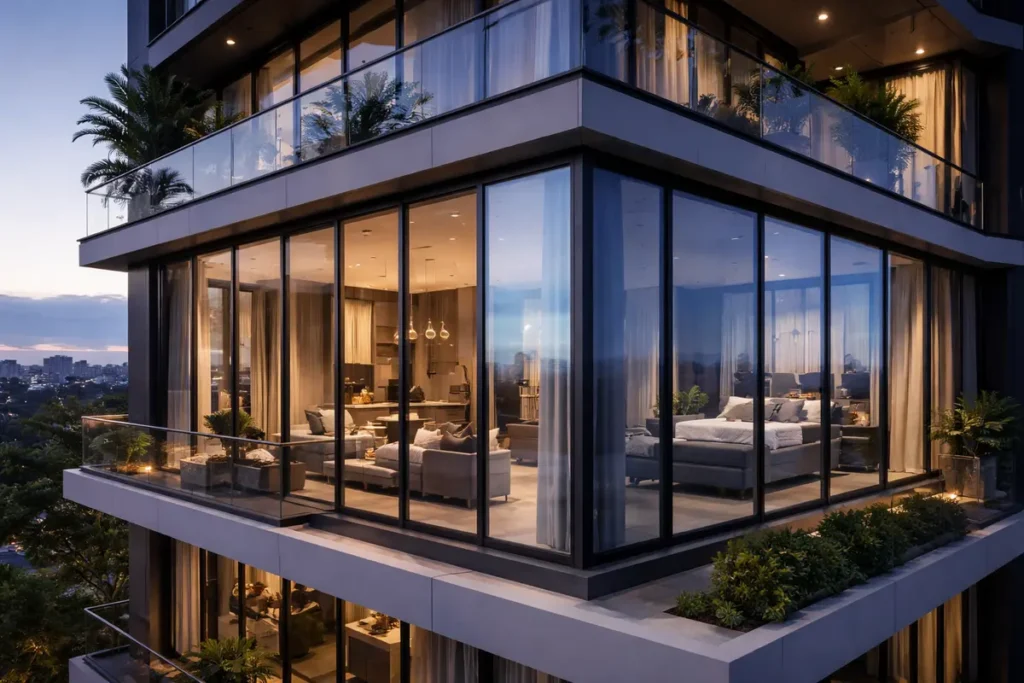
Bay windows are a beautiful addition to any living room. These windows contain three or more flat windows, set at an angle that protrudes outside the home.
As they bring the light from three different directions, they represent a highly efficient way to brighten a room for a longer period of time.
4. Sliding Window
If you have an elongated wall area, then a sliding window might be your best option. These windows are typically large with a smaller frame, enabling the most light to come in. Both windows can be set on the slider, but the most common is to add a fixed window and a sliding one.
5. Picture Window
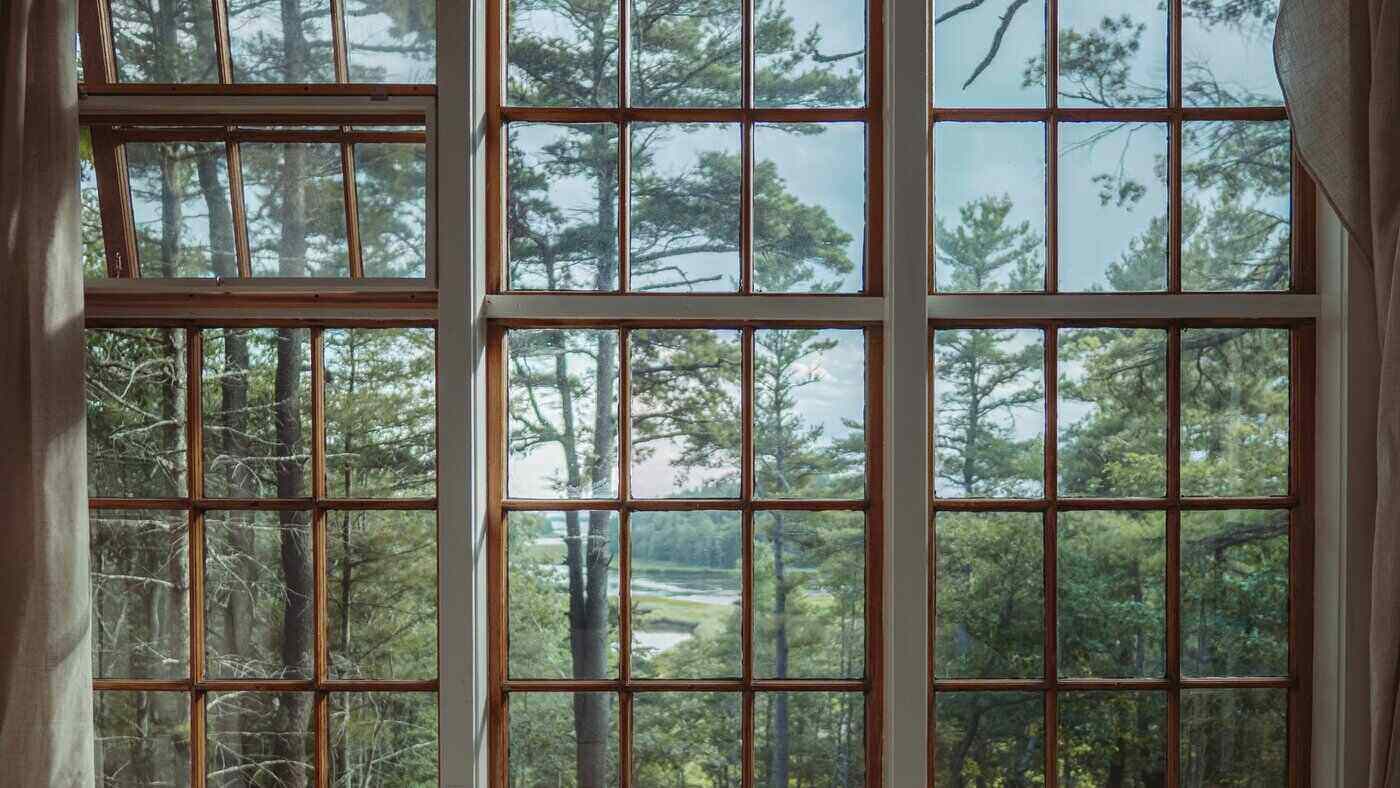
Picture windows are a great alternative when you have a great view outside, such as a garden. Typically, these windows cannot be opened, but they are very large and allow for a lot of light to come in.
To make up for the fact that they cannot be opened, they are often paired with casement windows to allow room ventilation.
6. Skylight Window
If you want to bring natural light into your home but are heavily limited by your exterior walls, a skylight window might be the appropriate solution.
To put it simply, skylights are windows installed directly on your roof, allowing direct light to flow into your home. These can be especially useful for lighting top floor rooms that don’t have access to an exterior wall.
Extra Tips to Let Light In
Windows are not the only elements you can use to maximize your daylighting. You can also get more light by using the right accessories and practices. Here are some tips you should try out:
Use Light-Colored Curtains
Darker curtains are used by those who wish to give their homes a darker, mysterious edge. However, if you want the opposite, you might want to opt for sheer curtains instead. They soften the light and create an impression of more space. Even more complicated windows, such as bay windows, can have curtains installed.
Choose Clear Glass Instead of Patterns
Many people use patterned glass instead of clear glass on their windows just so they can get a better sense of privacy. Some even stick vinyl to the glass to obtain mosaics or similar patterns.
However, while the patterns are relatively transparent, they still block a fair amount of light. If you want to let the light in, then you may want to get clear glass instead. This way, you won’t diffuse the light.
Get a Glass Door
Most people have regular doors with perhaps a small glass window to let the light in. Often, that’s not enough. To let more light in, you may want to replace your solid doors in the home with glass doors. This will let the light pass through, illuminating the rooms.
Double sliding glass doors are fairly popular for balconies, in particular, as they are large enough to let a lot of light in.
Move Large Objects Away from Windows
You may have furniture, HVAC equipment or other large objects blocking some of the sunlight entering your home. If you have a large cabinet that you want to get rid of but you can’t get rid of the stuff inside it, you can explore other storage possibilities like wall-mounted shelving or multi-functional furniture such as a bench that opens up to provide storage space. If you have HVAC equipment in the way, perhaps you can move it somewhere else in the house. Since that equipment is unsightly to look at you could build a wall around it then install HVAC access doors so as to gain access to it.
Use Light, Reflective Furniture
Light-coloured, reflective furniture will bounce back the natural light that comes through your window, creating even more light. This will make the room feel more spacious and brighter. It doesn’t even have to be white—any pale color will do. Mirrors also reflect light, so you may want to add them to the room.
Watch this video for some daylighting ideas:
Feature image: Eduard Militaru; Image 1: Mark Olsen