
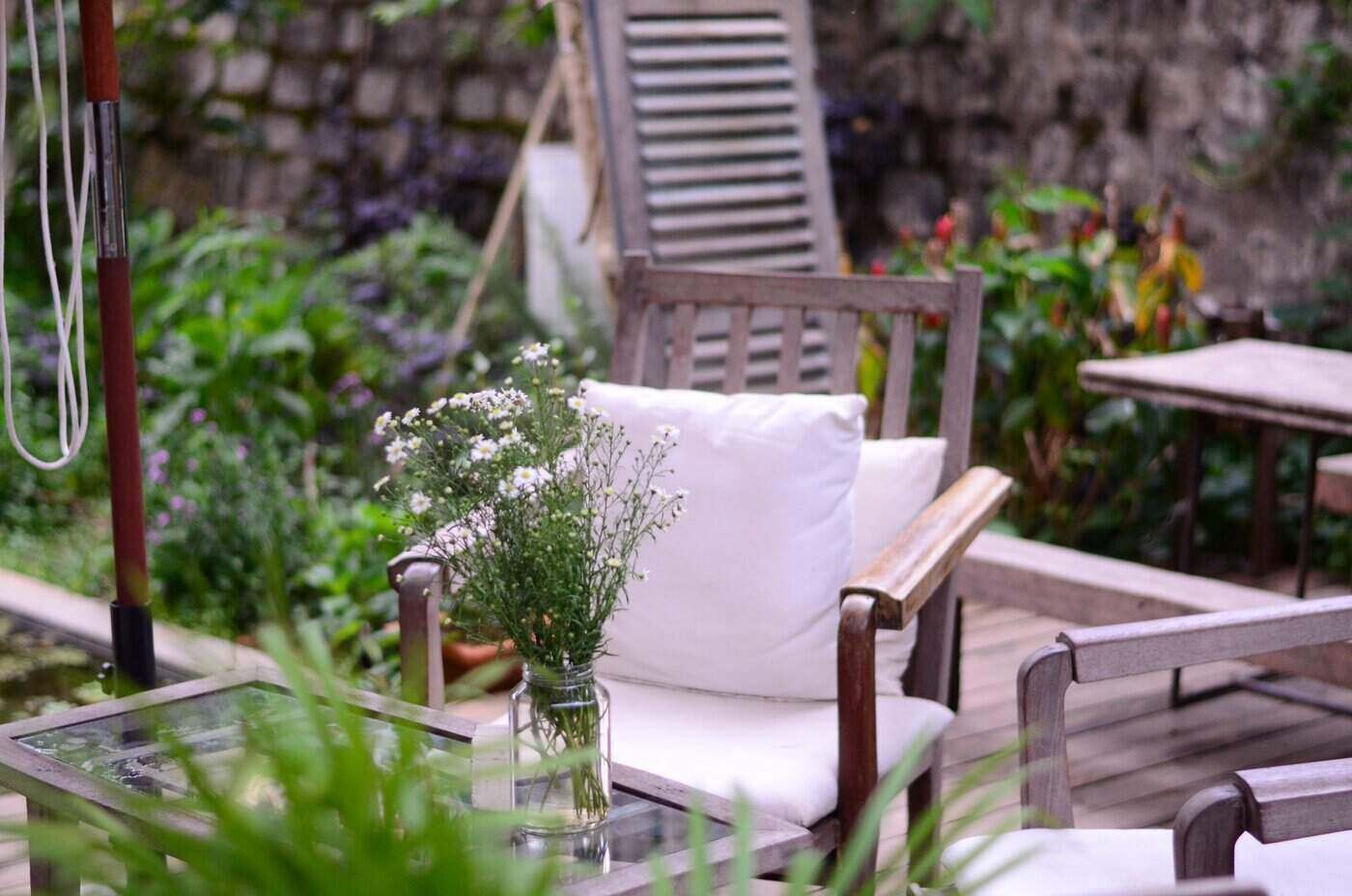
Creating an outdoor living area can be both a fun and daunting task. There are many factors to take into account, and if you want to make your backyard haven eco-friendly that’s a whole other set of things you’ll have to factor in. Here are some key hacks that will help you create an outdoor living area that both you and the planet will love.
Designing Outdoor Décor
Your outdoor living area doesn’t have to be minimalist to be sustainable. You can get weather-resistant cushions for your furniture or opt for natural fabrics, depending on how often you think you’ll accidentally leave them outside.
Choose furniture with removable cushions and fabrics that are easily washable in case of spills, and opt for accent pieces like umbrellas and ottomans made from natural materials such as bamboo wood or cane.
Another useful element could be a privacy backyard fence, which not only provides a sense of seclusion but can also be constructed using sustainable materials.
Choosing Outdoor Furniture

Get the Green Building Project Checklist
Use this handy checklist on your next project to keep track of all the ways you can make your home more energy-efficient and sustainable.
Make use of furniture that’s been made from reclaimed wood that can resist rot when treated. You should always choose furniture that’s durable and non-toxic, and a furniture finder tool can help you quickly identify the safest options.
Outdoor tables in particular should be chosen with care. They can end up with a lot of water pooling on them regularly, so you’ll need to find something water-resistant in order for your furniture to last.
Most people end up choosing cheap plastic resin to resist rotting. Properly taken care of, though, wood can still be an excellent choice for outdoor surfaces.
If you like the look of resin, shop for recycled plastic furniture options or find a used table to cut down on the emissions and waste associated with your yard.
If you’re looking for furniture that can handle all four seasons outside, then choose furniture designed for each season. You could even use furniture that has built-in lighting, so it doubles up as furniture and lighting in one.
For our suggestions on sustainable furniture, read Sustainable Furniture in Canada: A Buyer’s Guide.
Using Grass Sparingly
Grass is a monoculture that doesn’t enrich your yard like native plants do, but used strategically, it can be a fun accent feature.
First, consider the selection of grass species. Opting for native varieties that are well-adapted to your region’s climate and soil conditions can significantly reduce the need for water, fertilizer and pesticides. Native grasses often have deep root systems that improve soil structure, enhance water infiltration, and provide habitat for beneficial soil organisms.
Furthermore, managing grass clippings mindfully can contribute to a more sustainable gardening routine. Instead of bagging and discarding clippings, leave them on the lawn as a natural mulch. This practice returns valuable nutrients to the soil, reduces the need for synthetic fertilizers, and helps retain soil moisture.
Implementing water-efficient irrigation techniques, such as drip irrigation or soaker hoses, can minimize water waste and promote healthier grass growth. It’s essential to water deeply and infrequently to encourage deep root development and drought tolerance.
Equip yourself with the proper tools to maintain the grass’ height and to ensure it remains healthy throughout the changing seasons. If possible, opt for cordless electric lawn mowers over gas-powered since they are better for the environment, quieter and more convenient (no gas, oil, cords or maintenance).
Planting Native Trees for Shade
When it comes to planting a tree, consider what kind of shade you want in your outdoor living space. You can choose trees that provide some dappled sunlight or trees that provide more intense shade.
Some shady trees include oak, maple, elm, sycamore and pine. There are also many options for colourful flowering trees that attract pollinating bees and butterflies, such as crabapple or dogwood.
Landscaping for Biodiversity
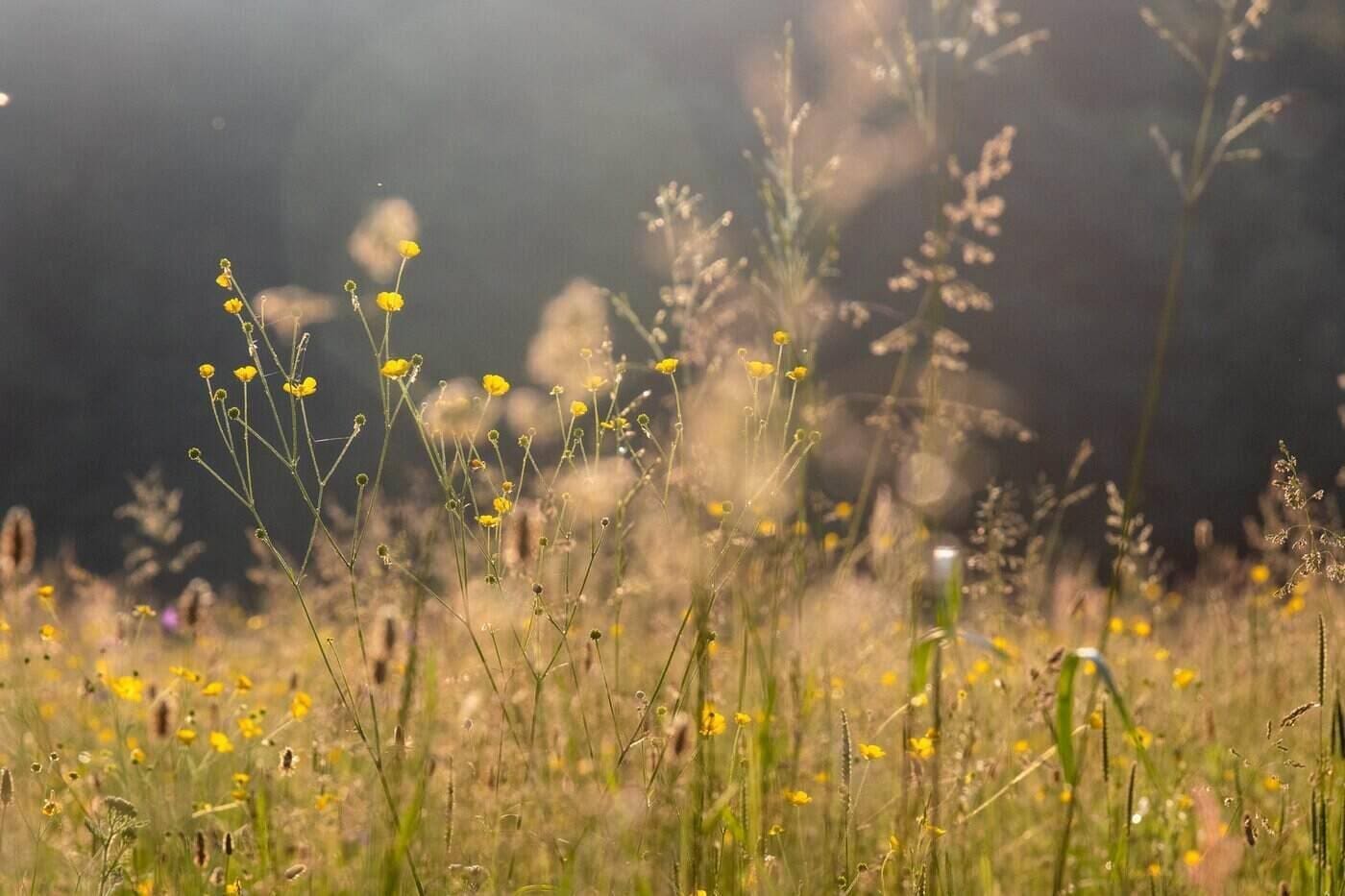
A landscaped garden filled with trees, bushes, flowers and other perennials will attract birds, bees and butterflies. This means you’ll have the chance to see your garden at its most beautiful throughout all four seasons.
There are many different kinds of perennial plants that bloom at different times of the year, so find the ones that best suit your region’s climate to keep things interesting throughout the whole season. Putting these plants into quality wooden window boxes and adding them to your sills or railings creates a vibrant display that changes with the seasons. This not only adds charm to your home’s exterior but also keeps your garden engaging year-round.
Landscaping for biodiversity doesn’t have to be expensive, either. Just choose native plants and flowers for your garden, and you’ll begin attracting wildlife naturally. Native vines in your yard serve several purposes, including beautifying a space by adding colour and texture while supporting a food supply for birds with their seeds.
Explore Energy-efficient Cooking Options
It’s important not to turn your outdoor living area into a miniature version of indoors by cooking with gas. Instead, consider using a clay oven with a chimney, which is made of a natural material and doesn’t require gas.
If you do choose to use a barbecue, then opt for one that runs on wood pellets rather than gas because they’re cleaner and more sustainable.
Lighting
Consider using solar-powered lighting that illuminates automatically as night falls, or invest in outdoor fixtures that use LED lights rather than fluorescent bulbs because they’re more efficient and last up to 25 times longer.
For something really far out, you can get a rocking chair that uses kinetic energy that powers up a lamp so you can light up your outdoor living area without having to rely on electricity.
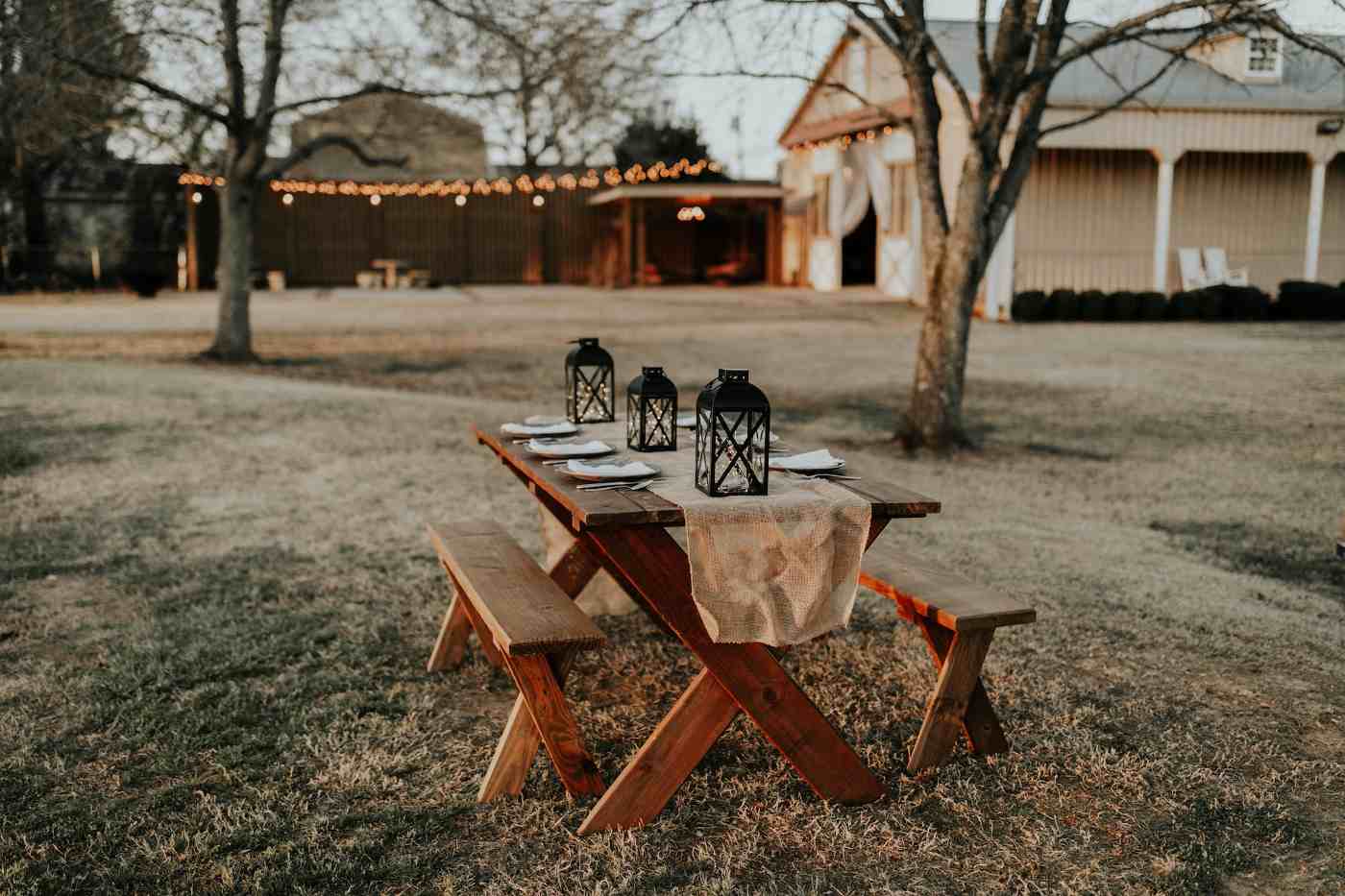
Using solar-powered LED lights is a great option because they don’t require wiring, and they come in a variety of colours, perfect for any type of aesthetic. Mason jar lanterns provide a comforting glow when added to the outdoor furniture arrangement and are a simple DIY outdoor project.
Feature image: Tanny Do; Image 1: Hannah Busing; Image 2: Vladimir Vinogradov