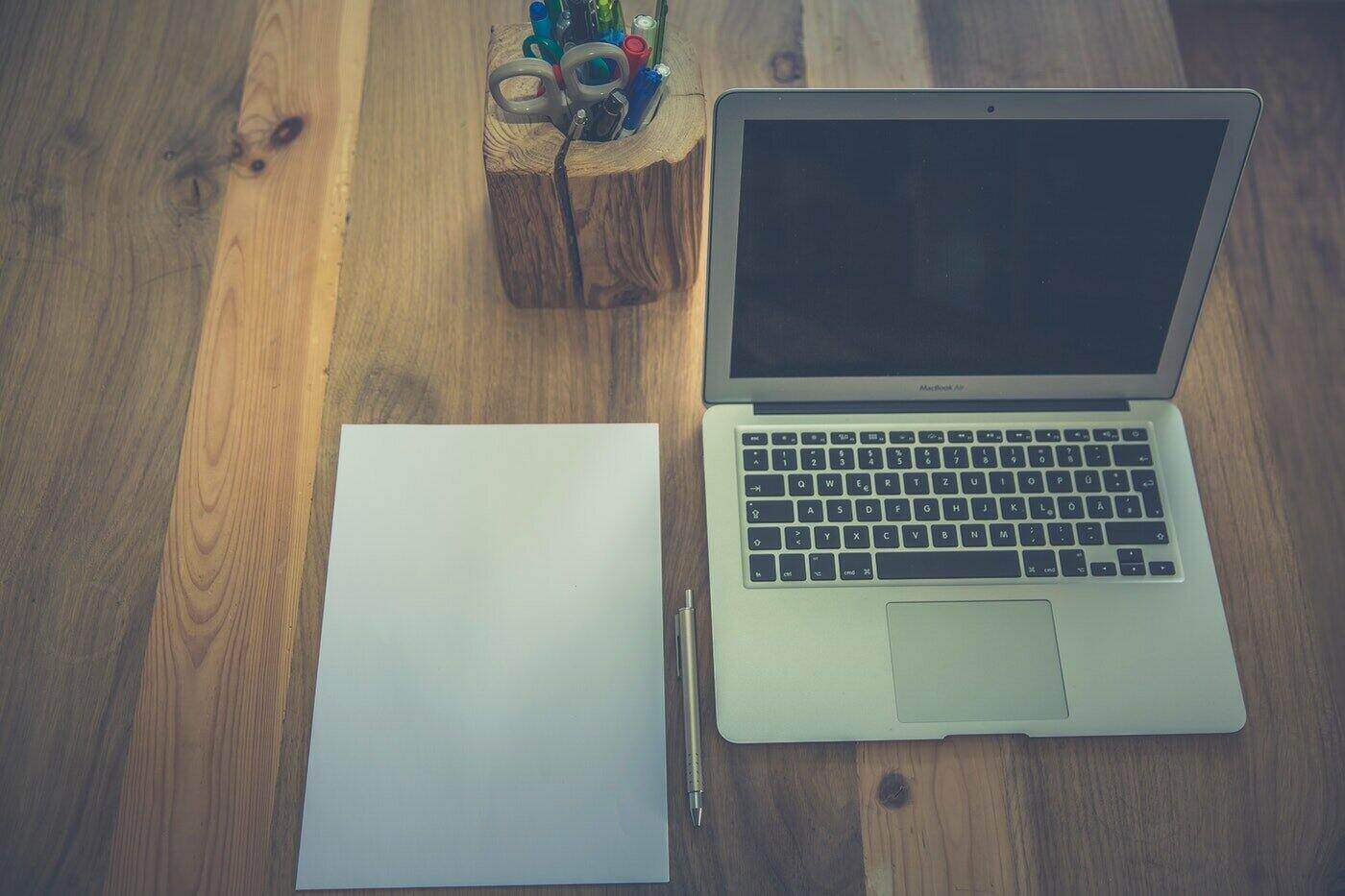
By working from home, and not commuting daily, you are already making big strides towards reducing your carbon footprint. This alone is a great way to help the environment. Nevertheless, there are ways to set up an eco-friendly home office so that your workspace can also be more sustainable.
While a few people think having a sustainable home office requires an enormous budget, that is a far cry from reality. There is also a misconception that you have to go minimalistic to achieve this goal. Not so. You can have a balance between style, functionality and environmental values.
How can you achieve this and remain within the budget? Keep reading to find out how you can create a beautiful, sustainable workspace that you can be proud of.
Assess Your Home Office’s Baseline Energy Efficiency
You can start by evaluating how much energy your home office uses on a daily basis before you even plug a laptop into it.
The biggest energy drain will be space heating and cooling, but it’s good to think about how much your office uses artificial lighting, as well. You can create a very detailed analysis of your energy costs per square foot or ballpark an estimate based on what you know about your office’s insulation levels and the amount of air leakage.
Try a simple incense test to find out where air is entering the room by passing a lit stick of incense slowly around window edges and along baseboards to find drafts. Then grab a tube of caulk and get sealing.
If you’re planning a makeover of your office space, this is the perfect time to do bigger energy projects like adding insulation and replacing windows to energy-efficient windows like triple-pane windows. If you have single pane it’s definitely worth switching, if you have double-pane the new installation is not as black and white. Here’s a handy window replacement cost calculator to help determine the costs of replacing a window.

Get the Green Building Project Checklist
Use this handy checklist on your next project to keep track of all the ways you can make your home more energy-efficient and sustainable.
Plan Your Eco-Friendly Home Office
To create your perfect eco-friendly home office, focus first on the larger pieces that will be central to your work everyday. Your desk and chair should give you the best form and function, and be sustainably made. That might mean they’re salvaged or repurposed, made of natural materials or produced by a company committed to sustainable manufacturing.
The way you organize and store things will help you to make the most out of the space. Look for storage and shelving options made from sustainable materials or materials that are durable, where you can reuse them over and over.
Once you configure the layout of the key features of your home office, you’ll have a plan to work with. From there you can look to the smaller office items you need and the decorating you can do to create an atmosphere in the space. Here are some additional ways to come up with the best eco-home office.
Make the Most Out of Available Natural Light
If possible, choose a room that has a lot of natural light coming through. This is an excellent way to help you reduce your energy use. All the natural light means you won’t have to use your artificial lights until the sun goes down.
If you’re in a room that doesn’t have as much natural light, then use light colors and reflective objects such as mirrors to increase the amount of light in the room. Natural lighting has tons of health benefits and can greatly improve your mood and energy, which are perfect conditions for working.
Opt for Sustainable Materials
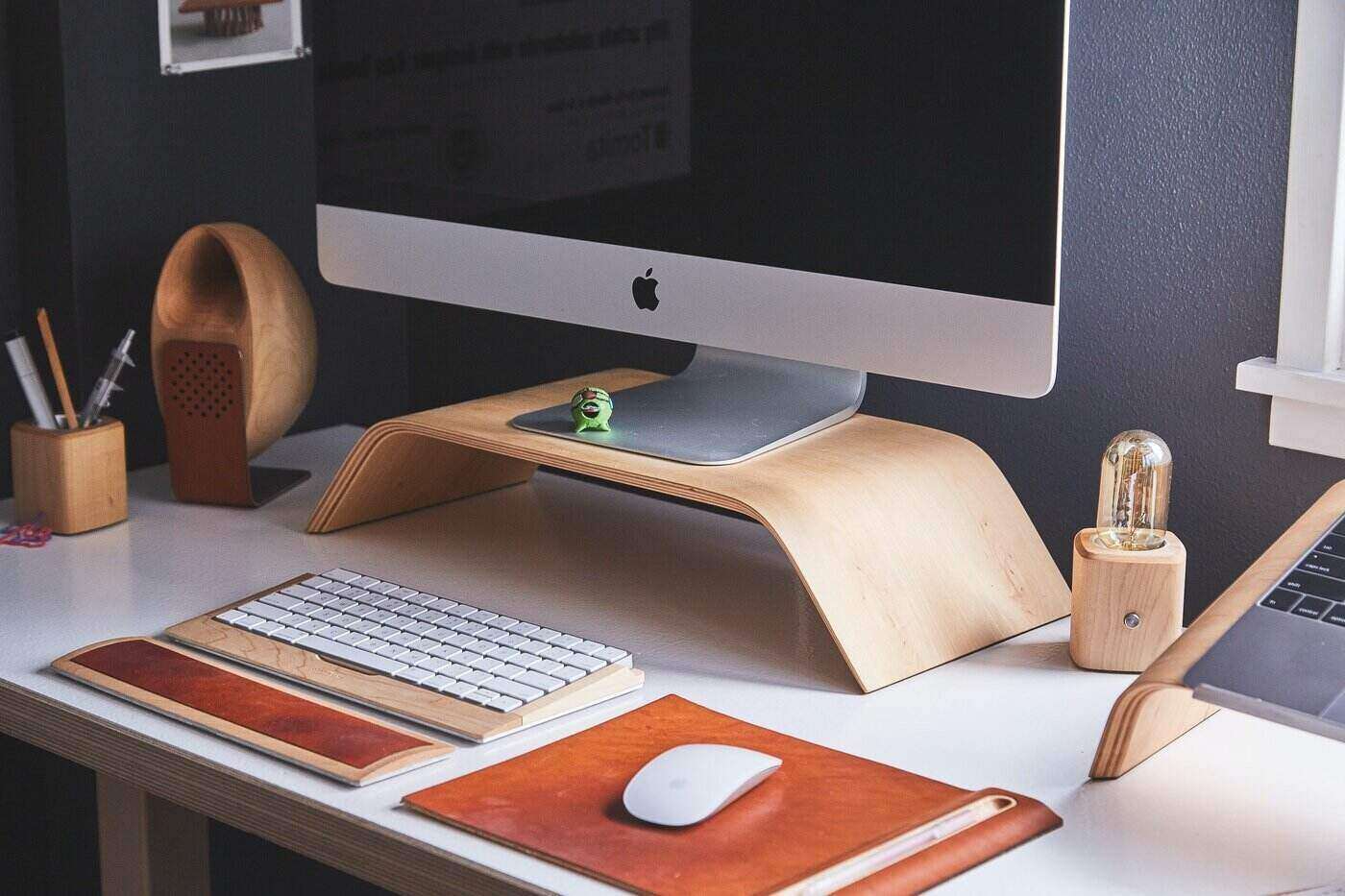
If you are revamping a space or using an empty room for your home office, you’ll want to consider the materials that you’ll be using not just for your main work station, but for all your office needs. These days there are numerous eco-sustainable alternatives to things you would normally buy.
You’ll want to try materials like bamboo and reclaimed woods. Natural fibres are also a fabulous alternative. Check into how the material is sourced and only purchase those that are ethically and sustainably produced. Don’t forget to give antiques and second-hand furniture a look as well.
Use Energy-Efficient Options
As far as preparing your eco-home office, you need to search for equipment that won’t utilize a great deal of energy. Contingent upon what you do and the things you use, search for the most energy-efficient tools and gadgets. You’ll also want to make sure that the equipment you choose has energy-saving modes that can be used to reduce energy costs when necessary.
You should always take the initiative and unplug the things you aren’t planning to use regularly as they can draw power even if they’re not in use.
Reduce, Reuse, Recycle
You’ve definitely heard of the three Rs, reduce, reuse, and recycle. You can reuse your furniture and other décor to create your new office. This also extends to other supplies. Items that can be used again, like envelopes, pens, paper, etc., shouldn’t be thrown out. Get as much use out of them as possible before you discard them. This will help you save money and you’ll be wasting fewer materials.
Try to decrease the number of things you buy that end up not being used. Purchase only what you need. This will prevent you from being wasteful. Reuse what you can and recycle where possible. Clutter won’t have a chance to accumulate in your office and you’ll be doing a lot for the environment. Give away things that someone else can use as well.
From using renewable materials and eco-designs to working with other like-minded businesses, you are taking the right steps to make your home business eco-friendly. These changes won’t happen overnight and you do have to invest some time into finding the right layout and materials. However, the final product will be one you can be proud of.
The great thing about taking this initiative is that you can share your tips with others. Helping other home-based businesses or workers to create a more eco-friendly home office will have a ripple effect. That means the change can be more impactful, going from neighbour to neighbour.
Feature image: Markus Spiske; Image 1: Ken Tomita