

Installing vents, improving insulation and using thermal reflection are terrific ways to keep your attic cool. But cooling your attic with the heat from the sun—transforming the source of the heat to the resource for cooling—could be an even better way to keep your attic cool. And besides, how cool is that to convert the problem into the solution?
So, how can the sun’s heat be used to cool an attic? The answer is a solar attic fan. Solar fans, like every other type of attic fan, facilitate attic cooling through active ventilation. They forcefully drive out hot attic air, leaving space for colder air to replace it. But instead of running on electricity from a power grid, they operate on electricity generated from the sun’s energy.
While a solar attic fan is our preferred option, we’re presenting five different cooling methods as it’s a good idea to combine more than one method to achieve your ideal attic temperature in the most energy-efficient, cost-effective way.
How to Cool Your Hot Attic
Set Vents Up (Passive Ventilation)
Installing vents in your attic promotes passive ventilation. Passive ventilation is a spontaneous type of ventilation that depends on the natural buoyancy of heated air.
Naturally, as the air becomes warm, it becomes lighter, and it rises. In its ascension, if there are no paths for the heated air to escape, it will accumulate in your attic.
But with vents installed, the rising warm air will escape to the environment outside.

Get the Green Building Project Checklist
Use this handy checklist on your next project to keep track of all the ways you can make your home more energy-efficient and sustainable.
The escape of heated air outdoors will create a pressure deficit/vacancy in the attic. Then cooler air will enter the garret and replace the air seeping out.
There are three main types of vents:
- Gable Vents
- Soffit Vents
- Ridge Vents
Install An Attic Fan
Attic fans basically do what vents do, but its process is active and more effective.
As we said earlier, as the air becomes hotter, it becomes lighter and rises. As it ascends, it escapes through vents. When heated air escapes from the attic, it gives way for cooler air to come in and take its place.
Cooling driven by fans works the same way. Instead of waiting for the relatively slow ascension of hot air and the entering of cold air, however, the fans rotate and forcefully push the hot air out.
In many cases, fans for attics are used with intake vents (typically a soffit vent). Intake vents are a class of vents through which cool air enters as hot air escapes.
Types of Fans
There are basically two types of fans: electric attic fans and solar attic fans.
Attic electric fans run on grid electricity, and the rotation of their blade drives heated air out, making way for colder air to come in.
In many cases, attic electric fans come with a thermostat. The thermostat only lets the fans come on when the temperature rises to a specific point. It also shuts the whole ventilation system down in extreme temperatures. This helps prevent or abate a fire.
Then again, in some cases, the fans do not come with thermostats. These fans will keep running until you switch them off manually.
Solar attic fans are basically the same as attic electric fans, but instead of running on grid electricity, they are powered by the sun’s energy. Since the energy from the sun is free you’ll incur no running cost when cooling your garret with these types of fans.
If you’re looking to reduce your electric bills or just to go green, this is an ideal form of active ventilation.
Set Up Radiant Barriers
Radiant barriers redirect solar radiation before it ever gets into the attic. That makes this method of garret cooling more preventive than active at cooling.
Reflectors like aluminum foil, foil-faced plywood and oriented-strand board sheathing are used in constructing radiant barriers. These materials turn the sun’s radiation back, keeping the heat out and helping to maintain a lower temperature.
Radiant barriers are best mounted in a way that leaves at least 1 inch of air space between them and the bottom of the roof. With this space, they can keep heat out more effectively.
Improve the Insulation
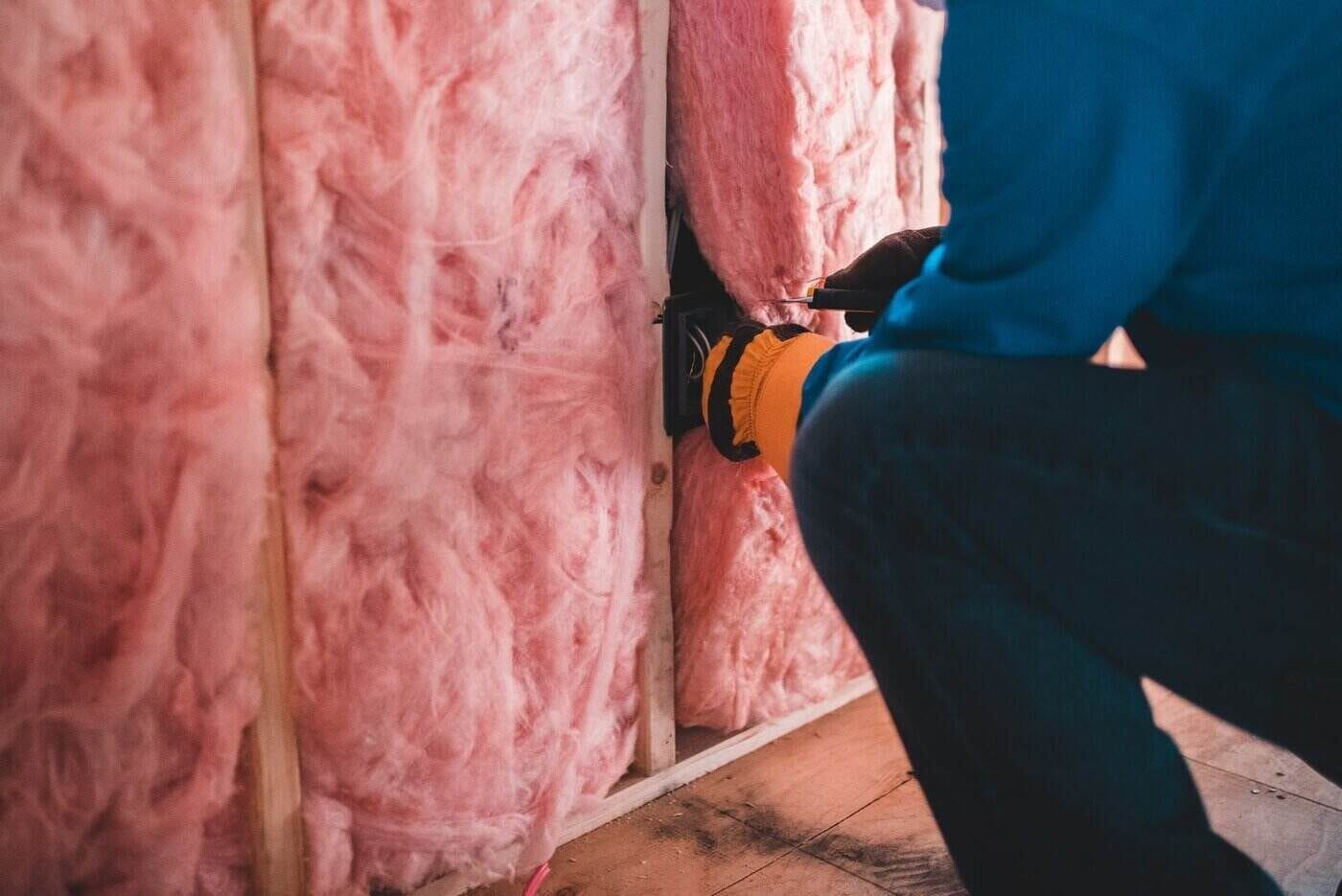
Whatever effort you put into making your attic cooler, ensure you put in proper insulation. If you get your attic insulation right, you can save as much as 20 percent on cooling costs.
Improving insulation is more preventive and less active at cooling, but it is certainly very effective.
What the insulation does is block the entry of heat into the garret by conduction. As the sun’s radiation heats the roofs and walls of the garret, they will not penetrate the attic space because the insulation will not conduct them.
Insulation Materials
Insulation materials like cellulose, cotton, fiberglass, mineral wool, and spray foam are typically used for attics.
While the general idea around garret insulation is to block the conduction of heat into the garret, some insulation materials do more than just that.
For one, spray foams keep heat out of attics by blocking conduction, convection and radiation. This may be why spray foam insulation is one of the most common options for insulating a garret.
Put in an Air Conditioning Unit
If you really need to keep your attic cool because you want to use it as a living space you can install an air conditioner. It’s not the recommended option since it burns energy and money. And with all the other options available it’s easy to pick an alternative. Depending on how hot your attic gets (and your heat tolerance) an attic-cooling fan could be a good alternative, whether conventional or solar-powered.
Why Is It So Hot in My Attic?
If your attic gets so hot, it’s most likely due to one of the following reasons:
- It takes in excess amounts of heated air.
- It does not push out enough heated air.
- It does not absorb enough colder air.
How Hot Is Too Hot for an Attic?
Temperatures exceeding 54° C (130° F) in the summer are too hot for an attic. Also, if the temperature in your garret is 6 to 11° C (10 to 20° F) hotter than the temperature outside, it is too hot.
Feature image: Peter Herrmann; Image 1: Erik McLean