
How to Clear a Blocked Drain Naturally
9 DIY Methods That Work

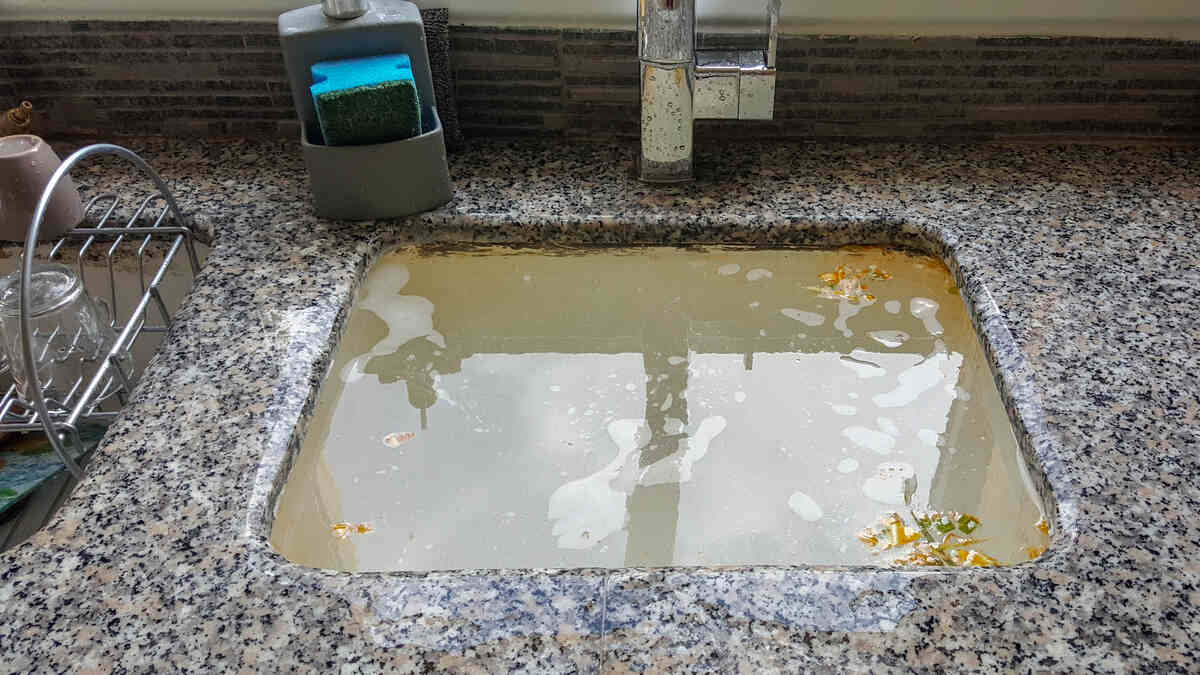
Blocked drains are one of this common but annoying problems every household deals with. Whether it’s slow drainage, unpleasant odours or in the worst cases, water backups that can cause damage to your home, this is one DIY skill worth mastering. And, as is often the case, there’s an environmentally friendly way to do things, and another way that’s harmful to the environment.
Commercial chemical cleaners can be harsh on pipes and the environment, and they don’t always work, especially if the drain is really clogged. Luckily, there are natural, DIY ways to clear a blocked drain that are as effective or more effective ways to clear a blocked drain that use ingredients you likely already have at home. In this guide, we’ll walk you through the best DIY methods for tackling clogged drains easily and efficiently. The methods are listed from easiest and cheapest to more involved and costlier options.
DIY Drain Clearing Options Comparison Chart
| Method | When to Use | Approx. Time | Cost | Tools & Materials | Difficulty Level |
|---|---|---|---|---|---|
| Boiling Water | Minor blockages from grease, soap, or sediment; slow draining | 5-10 min | Very low | Kettle or pot, water | 1 (Easiest) |
| Baking Soda & Vinegar | Slow drain with odour; gradual buildup of soap/hair | 20-40 min | Low | Measuring cups, plug/cloth, baking soda, vinegar | 2 |
| Salt & Baking Soda | Preventive maintenance; slow drains with minor buildup | Overnight | Low | Measuring cups, salt, baking soda | 2 |
| Enzyme-Based Cleaners | Preventive maintenance; persistent or slow clogs; safe for septic | Several hours to overnight | Medium | Measuring cup (optional), enzyme cleaner | 2 |
| Plunger | Localized clogs like hair or food debris; when previous methods fail | 5-10 min | Low-medium | Plunger (sink or flange), water | 3 |
| Wire or Coat Hanger | Hair or debris near drain surface; after plunging fails | 10-20 min | Low | Wire coat hanger | 3 |
| Drain Snake / Manual Auger | Deeper blockages; hair, grease, soap buildup | 10-20 min | Low-medium | Manual drain snake or auger | 4 |
| Wet/Dry Vacuum | Wet and soft clogs; multiple drains; after other methods fail | 10-20 min | Medium-high | Wet/dry vacuum, cloth | 4 |
| Remove Drain Pipe | Severe or long-term blockages that cannot be cleared by other methods – most effective option | 30-60 min | Low-medium | Wrench, bucket | 5 (Hardest) |
9 DIY Ways to Clear a Blocked Drain Naturally
1. Boiling Water
Boiling water is the simplest and fastest method and should be your first approach for minor blockages caused by grease, soap or sediment buildup. It’s cheap, requires minimal effort, and works for recent or light clogs. Use this method when your sink or tub is draining slowly but not completely blocked. If the clog has been developing over a long period, boiling water alone might not be sufficient.

Get the Green Building Project Checklist
Use this handy checklist on your next project to keep track of all the ways you can make your home more energy-efficient and sustainable.
Always ensure the pipe material can withstand high temperatures to prevent damage, and pour slowly to avoid splashes.
Steps:
- Boil 2–3 liters of water in a kettle or pot.
- Slowly pour the boiling water down the drain in stages, allowing it to work for several seconds between pours.
- Repeat if necessary until the water drains freely.
2. Baking Soda and Vinegar
The combination of baking soda and vinegar is slightly more involved. It works best for bathroom sinks or tubs clogged with soap, hair and small debris. The fizzing reaction helps loosen stubborn blockages and deodorizes the pipes.
Use this method after boiling water fails or if you have noticed slow draining with an odour. Let the mixture sit long enough to maximize the chemical reaction for best results.
Steps:
- Pour 1 cup of baking soda directly into the blocked drain.
- Follow with 1 cup of white vinegar. You’ll see fizzing and bubbling.
- Cover the drain with a plug or cloth to keep the reaction concentrated.
- Let it sit for 15–30 minutes.
- Flush with boiling water to clear the loosened debris.
3. Salt and Baking Soda
Salt and baking soda help dislodge grime and grease. This method works well for minor kitchen sink clogs and slow drains that have been developing over time.
Use this as a preventive step or for drains that have been slow for weeks. If the blockage is heavy, start with boiling water or baking soda and vinegar first. Regular use every few weeks can help prevent build-up.
Steps:
- Mix 1/2 cup of salt with 1/2 cup of baking soda.
- Pour the mixture down the blocked drain.
- Leave it overnight if possible.
- Flush with boiling water the next morning.
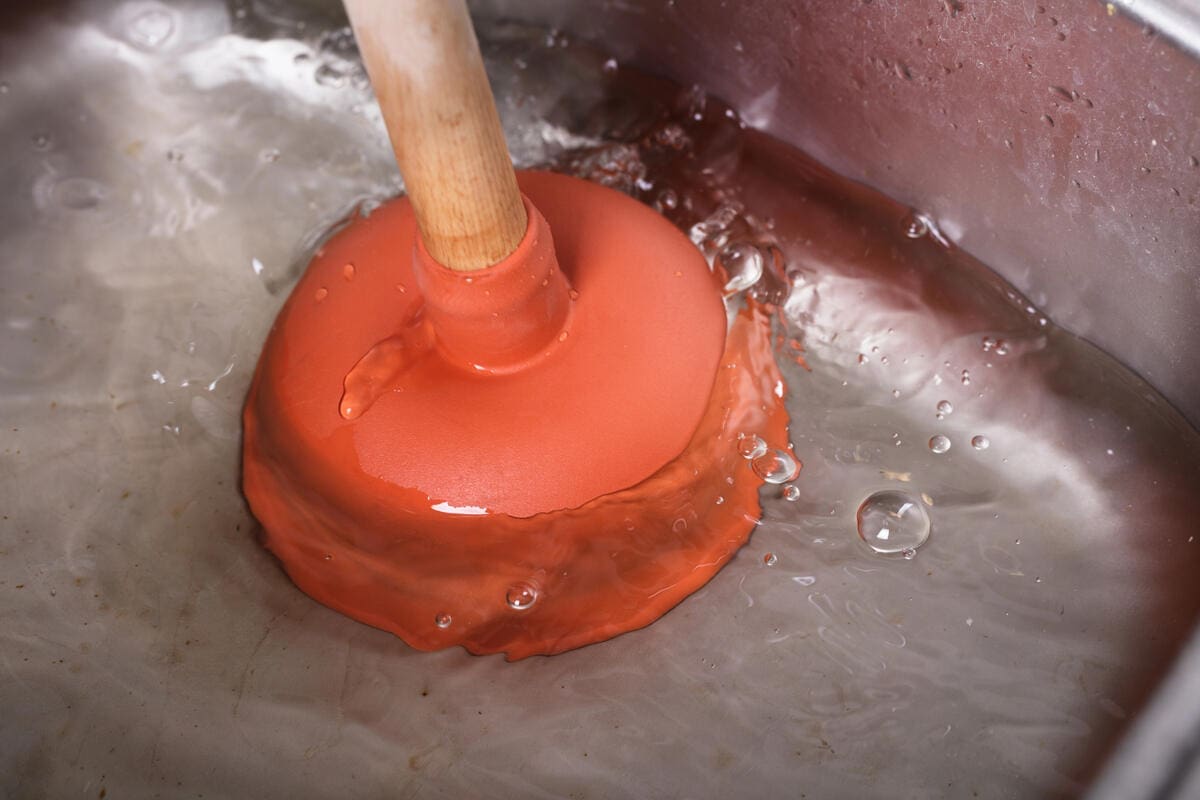
4. Plunger
A plunger is practical and effective for removing soft blockages like hair or food debris. It’s hands-on but works quickly for localized clogs.
Use a plunger when simpler methods like boiling water or vinegar haven’t cleared the drain. Choose the correct type: a sink plunger for sinks and a flange plunger for toilets ensures the best suction.
Steps:
- Ensure the sink or tub has enough water to cover the plunger’s rubber cup.
- Place the plunger over the drain and create a tight seal.
- Push and pull the plunger vigorously for 20 to 30 seconds.
- Check if the water drains; repeat if necessary.
5. Wire or Coat Hanger
A wire coat hanger is particularly effective for removing visible hair and debris near the drain surface. This method works best for shallow clogs and requires careful handling. Try this or persistent hair clogs. Be gentle to avoid damaging PVC pipes.
Steps:
- Straighten the coat hanger and create a small hook at the end.
- Carefully insert it into the drain.
- Twist and pull out debris slowly.
6. Enzyme-Based Cleaners
Enzyme-based cleaners are eco-friendly and use bacteria or enzymes to naturally break down organic matter. Best for ongoing maintenance or persistent clogs.
Use enzyme cleaners for preventive maintenance or when natural DIY approaches haven’t fully cleared a drain. Safe for septic systems, they prevent buildup before it becomes serious.
Steps:
- Follow the instructions on the product label.
- Pour the solution into the drain and let it sit for several hours or overnight (according to instructions).
- Flush with water to clear the pipes.
7. Drain Snake (aka Manual Auger)
A drain snake or auger is ideal for deeper blockages that a wire hanger cannot reach. It works well for hair, soap buildup or kitchen grease further down the pipes. It also helps avoid pipe damage that a wire hanger could cause though it still has to be used with care. Go slow and steady and make sure not to force the auger.
Steps:
- Insert the end of the auger into the drain.
- Slowly rotate the handle to feed it deeper and to catch or break up the clog.
- Once resistance is felt, pull it out carefully, bringing the debris with it.
- Flush the drain with hot water to remove any remaining particles.
8. Wet/Dry Vacuum
A wet/dry vacuum is specialized but can remove stubborn clogs, especially if you want to remove water along with debris. Best for sinks and tubs rather than toilets.
Use this method if the blockage is particularly wet or soft, or if previous manual methods haven’t fully cleared the pipe. Take precautions to avoid splashing water or electrical hazards.
Steps:
- Set your vacuum to liquid mode.
- Cover all overflow openings with a wet cloth to increase suction.
- Place the hose over the drain and turn on the vacuum.
- Remove debris and check the drain.
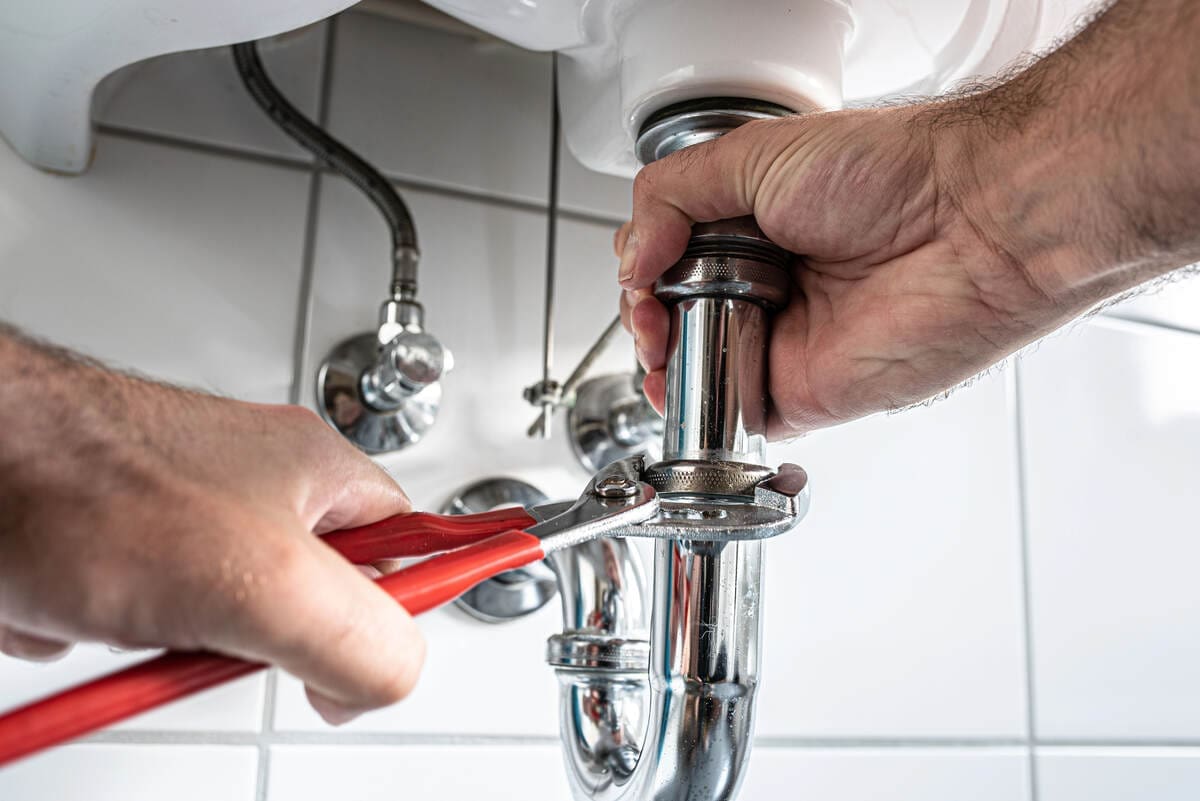
9. Remove Drain Pipe
The most effective DIY option. If you like to do a thorough job (or if you’re a perfectionist who wants to see exactly what is in your pipes so you can make sure the pipes are completely clear of gunk), it’s the option you may want to try first. Regardless, if you have severe or long-term blockages that cannot be cleared by other methods, or if you just want to skip the easy steps that may not work anyways, you’ll end up at this step.
By removing the pipe you can access the clogged buildup directly, pull it all out and ensure for yourself that you have achieved a thorough cleaning that will not need to be done again for some time. If you don’t want to get wet and have gunk all over your hands, wear gloves.
Steps:
- Place a bucket under the pipe to catch water.
- Use a wrench to carefully unscrew and remove the section of pipe containing the clog.
- Clear out the debris manually (eg. with your hands or a coat hanger or brush.
- Reassemble the pipe and tighten connections.
- Test the drain with water to ensure proper flow.
When to Call in the Professionals
So if you’ve tried these DIY options and nothing worked, or if you just partially cleared the blockage and your pipes still aren’t draining, it may indicate a more serious problem, such as a main line blockage.
In these kinds of cases, it’s best to contact professionals who provide drain services to inspect and resolve the issue. They’ll get to the root of the problem as they have special cameras that can look down a drain to see what and where the problem is, giving you a clear diagnosis, which they can then remedy.
Maintenance Tips
OK, now that your drain is clear it’s time to think of maintenance because keeping your drains empty is a lot easier than dealing with a major clog. That’s especially the case if you had to do the longer job of removing your drain pipe or hiring a professional. Here are some key strategies you can put to use.
Use strainers – Catch hair, food particles and other debris before they enter the drain.
Routine flushing – Periodically flush drains with hot water or baking soda and vinegar to prevent buildup.
Avoid grease – Never pour cooking fats or oils down the drain.
Regular cleaning – Remove visible debris weekly.
Eco-friendly tablets – Monthly enzyme-based drain tablets help break down organic matter.
Mind what you flush – Avoid non-dissolvable items that can block pipes.
Check pipes periodically – Inspect accessible pipes for early signs of buildup.
Act quickly – Address slow drains immediately to reduce risk of major clogs.
Images from Depositphotos

This guide is incredibly helpful! The step-by-step instructions and clear comparison chart make it easy to find the best DIY drain-cleaning method for different situations. Very practical and saved me a trip to call a plumber!