
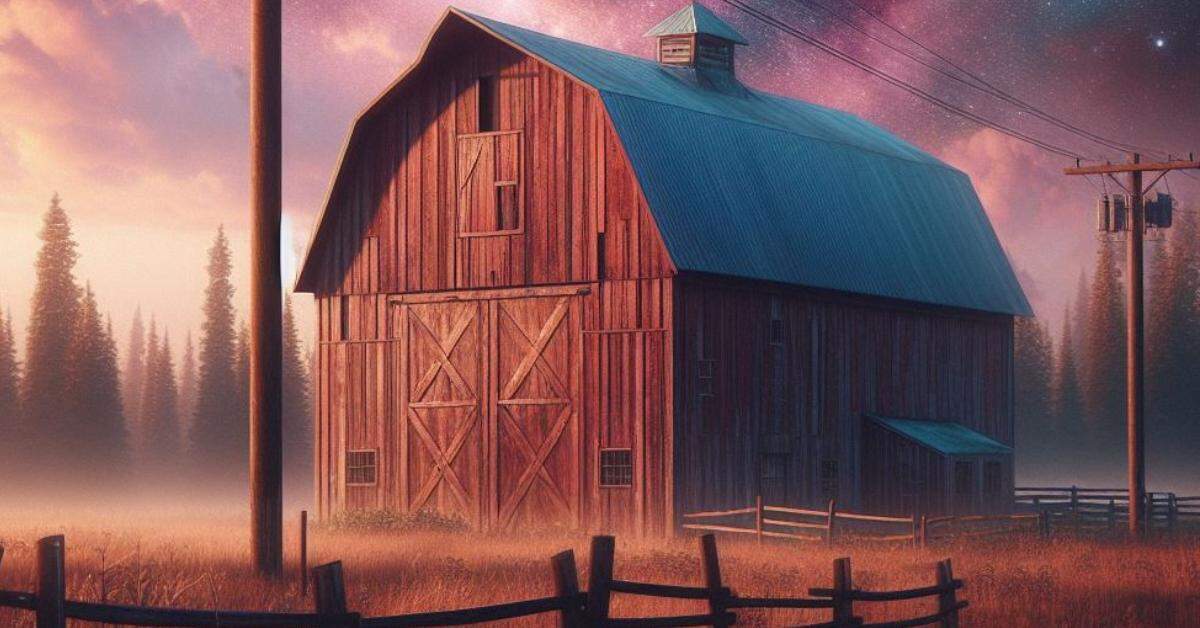
Pole barns, with their straightforward design and versatile functionality, have become a popular choice for a variety of uses, from agricultural storage to residential living spaces. However, beyond their practicality and cost-effectiveness, lies the potential for pole barns to be a an eco-friendly and sustainable type of barn.
This article dives right into how to build a pole barn, not just as a structure, but as a sign that it is possible to be environmentally responsible. From the selection of materials to energy efficiency and water conservation, each step of the process is an opportunity to minimize environmental impact.
As we explore the detailed steps to constructing a pole barn, we’ll keep a keen focus on how to make each phase as sustainable as possible, demonstrating that building with care for the environment doesn’t mean compromising on quality or functionality.
What is a Pole Barn?
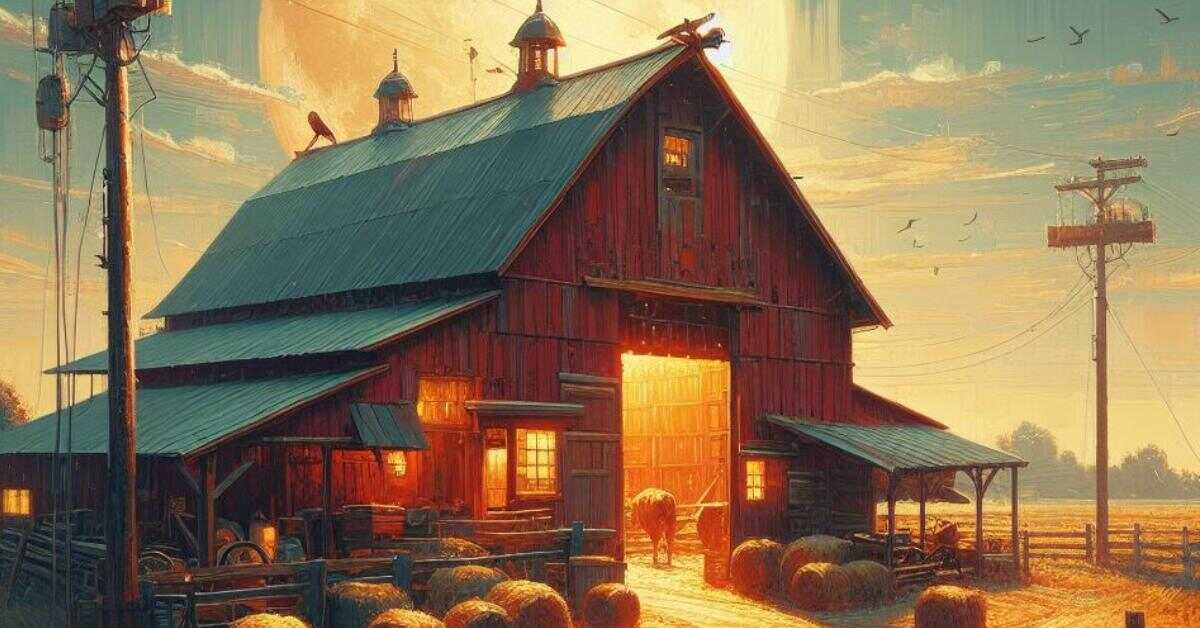
A pole barn is a type of building construction that is characterized by the use of large poles or posts buried in the ground or set in concrete to provide support for the walls and roof of the structure.
This building technique is particularly popular in rural settings for agricultural purposes, such as barns, sheds, and storage buildings, due to its cost-effectiveness and relatively easy construction process.
Unlike traditional frame buildings, pole barns do not require a continuous foundation, which can significantly reduce both construction time and costs. The design’s simplicity allows for large, open interior spaces, making it an ideal choice for housing livestock, storing machinery, or even as a workshop or garage.
Get the Green Building Project Checklist
Use this handy checklist on your next project to keep track of all the ways you can make your home more energy-efficient and sustainable.
Benefits of a Pole Barn
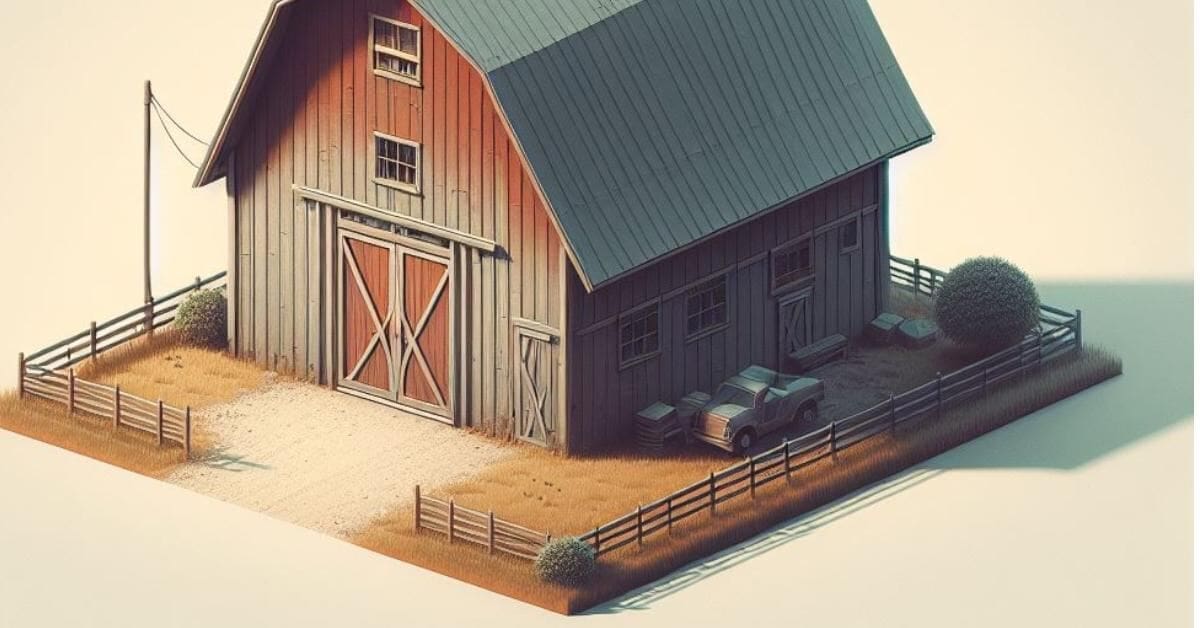
Before we talk about how to build a pole barn, let’s take a look at some of the major benefits that come with building this type of barn.
Cost-Effectiveness
Pole barns stand out for their cost-efficiency, primarily due to the minimal materials required and their straightforward construction technique. This simplicity translates into a significant reduction in labour and material costs compared to traditional buildings with extensive foundations. The economic advantage is further amplified in larger structures, where the cost disparities become even more pronounced. For individuals and businesses looking to maximize their investment while minimizing expenditure, pole barns offer a practical solution without compromising on functionality or space.
Versatility
The versatility of pole barns is a key benefit, offering a blank canvas for a multitude of applications. Their design, characterized by spacious interiors and adjustable layouts, accommodates a wide array of uses. From agricultural storage, workshops, and garages to commercial spaces and residential living, pole barns can be customized to meet diverse needs. This adaptability makes them an appealing choice for those requiring flexible solutions that can evolve with changing requirements or preferences.
Quick Construction
The rapid construction process of pole barns is a significant advantage, especially in scenarios where time is of the essence. By eliminating the need for a complex foundation and utilizing fewer, more straightforward components, pole barns can be erected much faster than traditional structures. This speed not only reduces construction costs but also allows for quicker occupancy or utilization of the building, a crucial factor for businesses and individuals facing tight deadlines or eager to commence their projects.
Durability
Durability is a hallmark of well-constructed pole barns, attributed to the use of treated poles designed to resist decay, pests, and environmental wear. This foundational strength, coupled with appropriate construction practices, ensures a longevity that rivals, and sometimes exceeds, that of conventional buildings. Regular maintenance and care further extend their lifespan, making pole barns a long-term solution for those seeking reliability and durability in their structures.
Energy Efficiency
Energy efficiency in pole barns is achievable through thoughtful design and insulation, leading to significant savings in heating and cooling costs. By incorporating high-quality insulation materials and optimizing the building’s layout for natural light and ventilation, pole barns can maintain comfortable internal temperatures with minimal energy input. This not only reduces operational costs but also contributes to a more sustainable and environmentally friendly building solution.
How to Build a Pole Barn: Step-by-Step
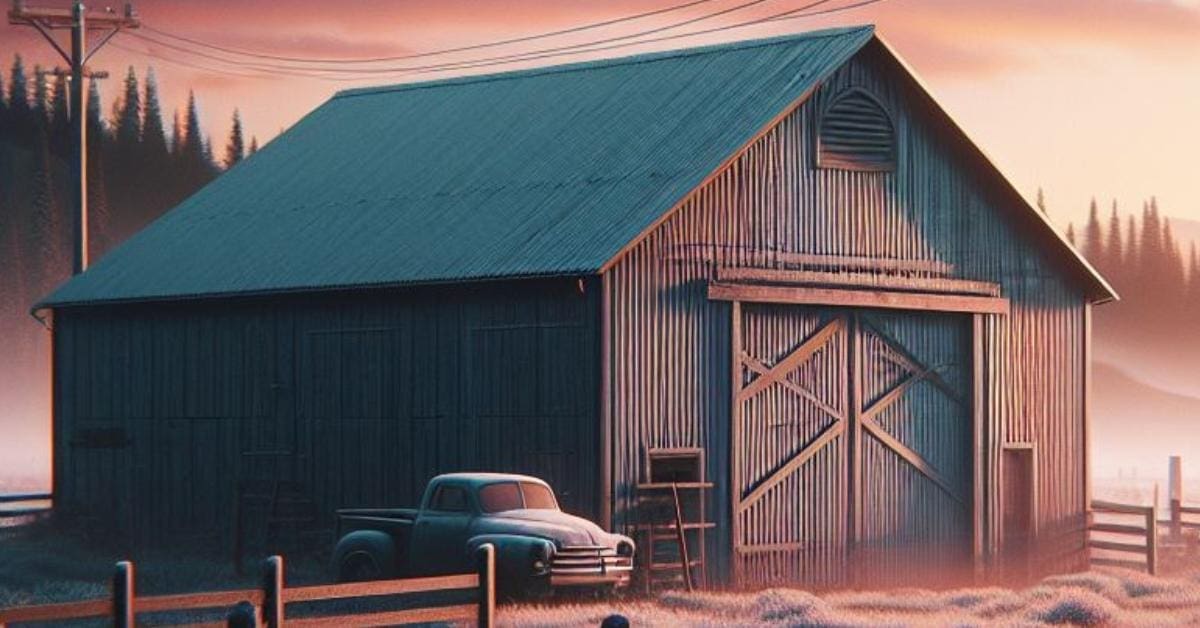
If you want to build your own pole barn, below are the basic steps that you’ll need to follow.
Planning and Design
The initial step in building a pole barn involves meticulous planning and design, tailored to the specific needs and purpose of the structure. Considerations include size, location, and intended use, along with compliance with local building codes and permits. This phase lays the groundwork for a successful build, ensuring the barn meets both current and future requirements.
Site Preparation
Preparing the site is a critical step, involving clearing vegetation, leveling the ground, and marking where poles will be placed. Proper site preparation ensures a stable foundation for the pole barn and prevents future issues related to uneven ground or water accumulation.
Setting the Poles
Setting the poles involves digging holes to the appropriate depth, placing the poles, and securing them with concrete. The depth is crucial for stability and to prevent frost heave in colder climates. This forms the structural backbone of the pole barn, emphasizing the importance of accuracy and strength in this phase.
Adding the Framework
With the poles secured, the next step is to add the framework, including girts for the walls and trusses for the roof. This process transforms the pole barn from a series of poles into a recognizable structure, ready for the addition of the roof and siding. Ensuring everything is level and squared is paramount for the integrity of the building.
Installing Roof and Siding
The installation of the roof and siding encapsulates the pole barn, protecting it from the elements. This step requires careful attention to detail to ensure all materials are properly fastened and sealed, preventing leaks and enhancing durability.
Finishing Touches
The final touches include installing doors, windows, interior partitions, and insulation. This phase personalizes the pole barn, adapting it to its intended use, whether for storage, work, or habitation. Finishing the interior with care ensures a functional and comfortable space.
10 Pole Barn Construction Tips
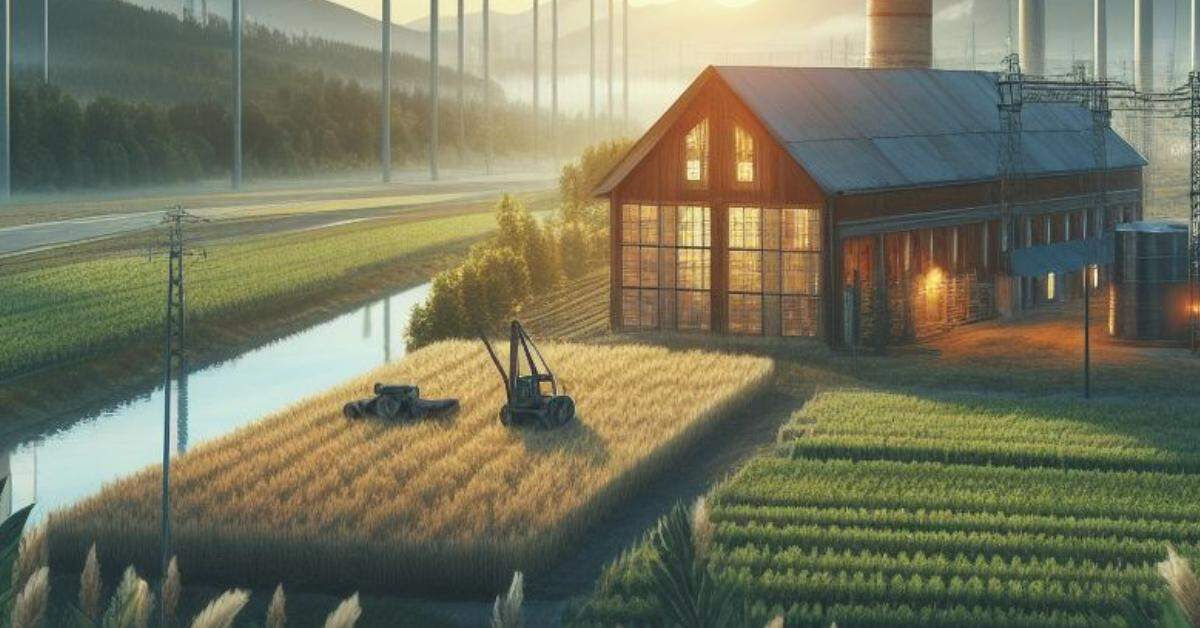
Here is some guidance on how to build both a sustainable and high-quality pole barn that will last for many years to come.
Use Sustainable Materials
Opting for sustainable materials is at the heart of eco-friendly pole barn construction. This includes selecting locally sourced lumber, recycled metals, and eco-conscious insulation options. By prioritizing materials with a lower environmental impact, such as reclaimed wood or metal, builders can significantly reduce the carbon footprint of their pole barn. Additionally, choosing materials that are durable and long-lasting minimizes waste and the need for future replacements.
Incorporate Solar Panels
Solar panels offer a renewable energy solution that can power a pole barn’s electrical needs, from lighting to machinery. By harnessing solar energy, pole barn owners can achieve energy independence, reduce operational costs, and contribute to a reduction in greenhouse gas emissions. The installation of solar panels also aligns with broader sustainability goals, making it an investment in both the barn’s functionality and environmental responsibility.
Enhance Insulation
Effective insulation is key to minimizing energy consumption in pole barns. High-quality insulation materials should be used in the walls and roof to prevent heat loss in the winter and heat gain in the summer. This not only ensures a more comfortable and usable space but also reduces the reliance on heating and cooling systems, leading to lower energy bills and a smaller environmental footprint.
Install Efficient Windows and Doors
Energy-efficient windows and doors play a crucial role in maintaining the thermal efficiency of a pole barn. By choosing products with high insulation values, builders can significantly reduce heat transfer, enhancing the building’s overall energy efficiency. This consideration is especially important in climate-controlled environments, where maintaining temperature stability is essential.
Implement Rainwater Harvesting
Rainwater harvesting systems can capture and store rainwater from the pole barn’s roof, providing a sustainable water source for irrigation, livestock, or non-potable indoor use. This practice not only conserves water but also reduces the demand on local water supplies and mitigates stormwater runoff, contributing to a more sustainable and self-sufficient property.
Quality Materials
Selecting high-quality, durable materials is crucial for the longevity of a pole barn. This includes treated wood resistant to decay and pests, as well as durable metal roofing and siding. Investing in quality materials upfront can prevent costly repairs and replacements down the line.
Proper Site Drainage
A well-drained site is essential to prevent water from pooling around the base of the poles, which could lead to rot and instability. Implementing measures like grading, drainage ditches, or French drains can protect the structure’s foundation and extend its lifespan.
Regular Maintenance
Regular maintenance is vital to identify and address wear, damage, or potential issues early. Routine inspections, especially after severe weather, can help catch problems before they escalate, ensuring the pole barn remains in good condition.
Adequate Ventilation
Adequate ventilation helps prevent the buildup of condensation inside the pole barn, which could lead to structural damage over time. Implementing vents, fans, or other ventilation systems ensures a dry and healthy environment for both the structure and its contents.
Protective Coatings
Applying protective coatings to wood and metal components shields them from weathering, rust, and decay. This preventative measure adds an extra layer of durability, safeguarding the investment and ensuring the pole barn’s longevity.