How to Build a Floating Deck
Using Deck Blocks for a Quicker, Easier and More Sustainable Project

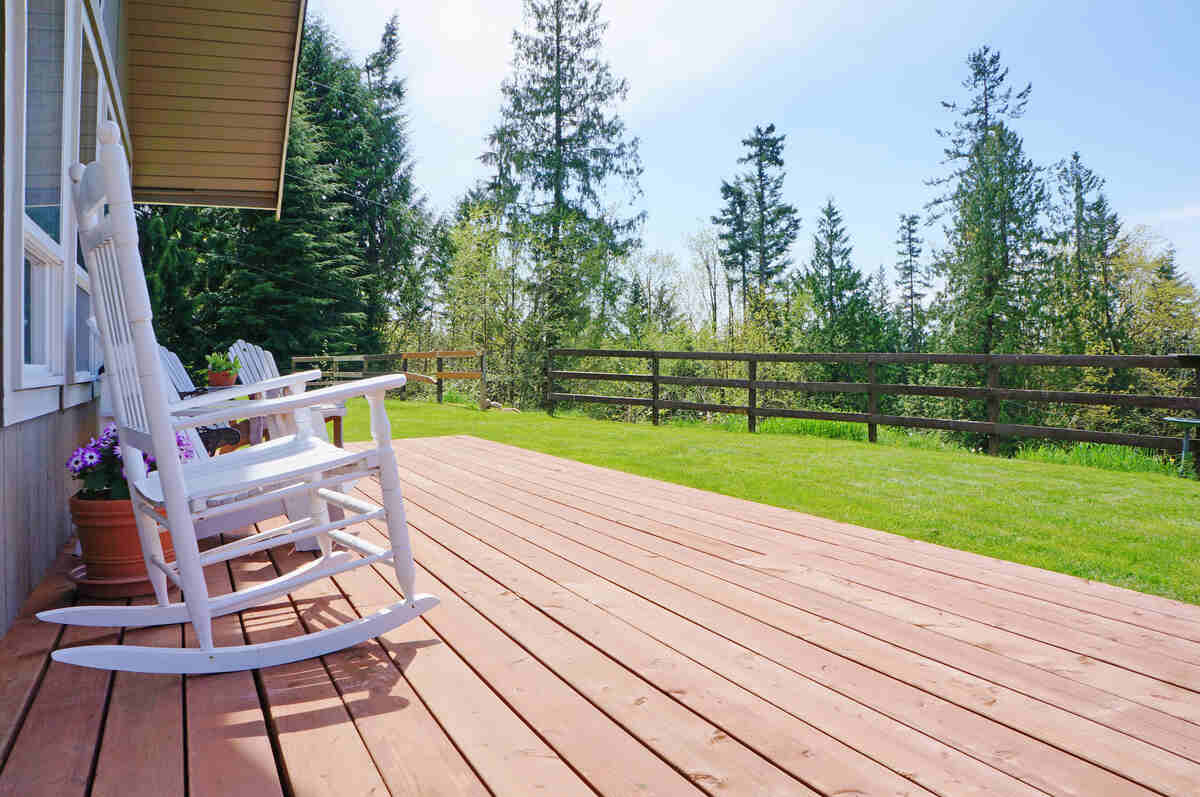
Want a deck without tearing up your yard? A floating deck is the perfect solution. It sits above ground, looks great and skips unnecessary construction. Using deck blocks makes the job faster, cheaper and beginner-friendly. No concrete. No stress. Just smart building with minimal ground impact.
What Is a Floating Deck?
A floating deck is built on top of the ground instead of using deep footings. It rests on deck blocks or surface supports rather than posts set into soil. This setup avoids digging and concrete work.
Construction stays faster and causes less damage to your yard. Many homeowners choose this option for simple outdoor upgrades. Building a floating deck could be a DIY or if you choose to not go the DIY route, you can always hire deck contractors to handle the job.
How It Works
Floating decks rest on heavy-duty blocks or piers that evenly distribute weight. These supports keep the deck stable while allowing it to sit directly on your lawn or patio. Because the deck doesn’t need to be dug into the ground, it’s easier to adjust and move if needed. It’s also perfect for areas with tricky soil or limited space where a traditional deck would be difficult to install.
Get the Green Building Project Checklist
Use this handy checklist on your next project to keep track of all the ways you can make your home more energy-efficient and sustainable.
Benefits of a Floating Deck
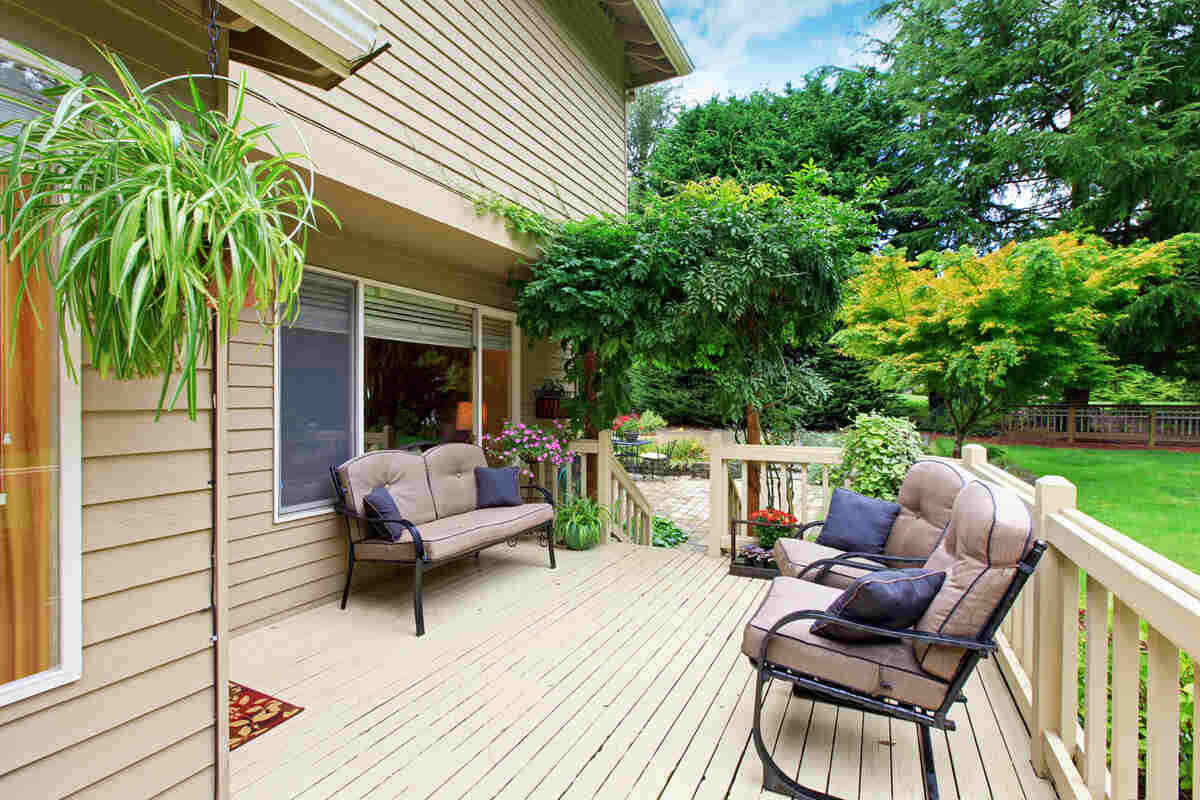
One of the biggest advantages is minimal ground impact. Your lawn stays mostly untouched, roots are protected and drainage isn’t blocked. Floating decks are also simpler and quicker to build since you don’t need specialized tools or concrete. Another benefit is flexibility: you can create small or medium-sized decks that fit almost any yard without permanent construction.
Protect Your Yard and Soil
Deck blocks reduce damage to your yard because there’s no need to dig deep holes. Traditional deck posts can disturb roots, soil layers and drainage. With deck blocks, the ground stays mostly untouched, which helps your grass and plants stay healthy. This approach is especially useful for gardens, lawns or areas with delicate soil.
Quick and Simple Installation
Another reason to use deck blocks is speed. You don’t need heavy equipment or special skills. The blocks are easy to place, adjust and level. This makes the whole building process faster, allowing you to go from planning to finishing your deck in a fraction of the time it takes for a traditional build.
Flexibility and Adjustments
Deck blocks also give you flexibility. If you want to expand, move or modify your deck later, it’s simple. Unlike fixed footings or concrete posts, deck blocks can be repositioned without tearing up your yard. This makes them perfect for renters, small yards or DIY projects where permanent changes aren’t ideal.
Sustainable Choice
Deck blocks use a lot less concrete to manufacture than if you were to pour concrete footings in the ground yourself There’s also less energy and labour involved to produce them than if making your footings that require extensive digging and mixing concrete. As well, since deck blocks are impermanent and reusable, if you were to move your deck at some point you could do that and reuse the deck blocks. Or you could sell the used deck blocks or give them away to another homeowner wanting to undertake the same project.
Step-by-Step Guide to Building a Floating Deck
Step 1: Plan Your Deck
Start by deciding the size, shape and location of your deck. Measure the area carefully and mark it with stakes or chalk. Think about sun exposure, drainage and how you’ll use the space. A clear plan makes building faster and helps avoid mistakes later.
Step 2: Place and Level Deck Blocks
Next, lay out your deck blocks where each support will go. Make sure the blocks are spaced evenly and aligned with your deck’s frame. Use a level to ensure they sit flat on the ground. Proper leveling is key for a stable deck and prevents wobbling.
Step 3: Build the Frame
Once the blocks are in place, start building the frame. Use treated lumber for durability and attach the joists securely. The frame sits directly on the deck blocks, so double-check that everything is square and level before moving forward.
Step 4: Attach the Decking Boards
After the frame is set, lay your decking boards on top. Leave a small gap between boards for drainage. Secure each board with screws, making sure the surface stays level. Check frequently to keep the spacing even and the deck flat.
Step 5: Final Touches
Once all boards are installed, inspect your deck for stability and smooth edges. Sand rough spots and apply sealant if desired for weather protection. Your floating deck is now ready to enjoy!
WATCH » How to Build a Floating Deck
Safety and Maintenance Tips
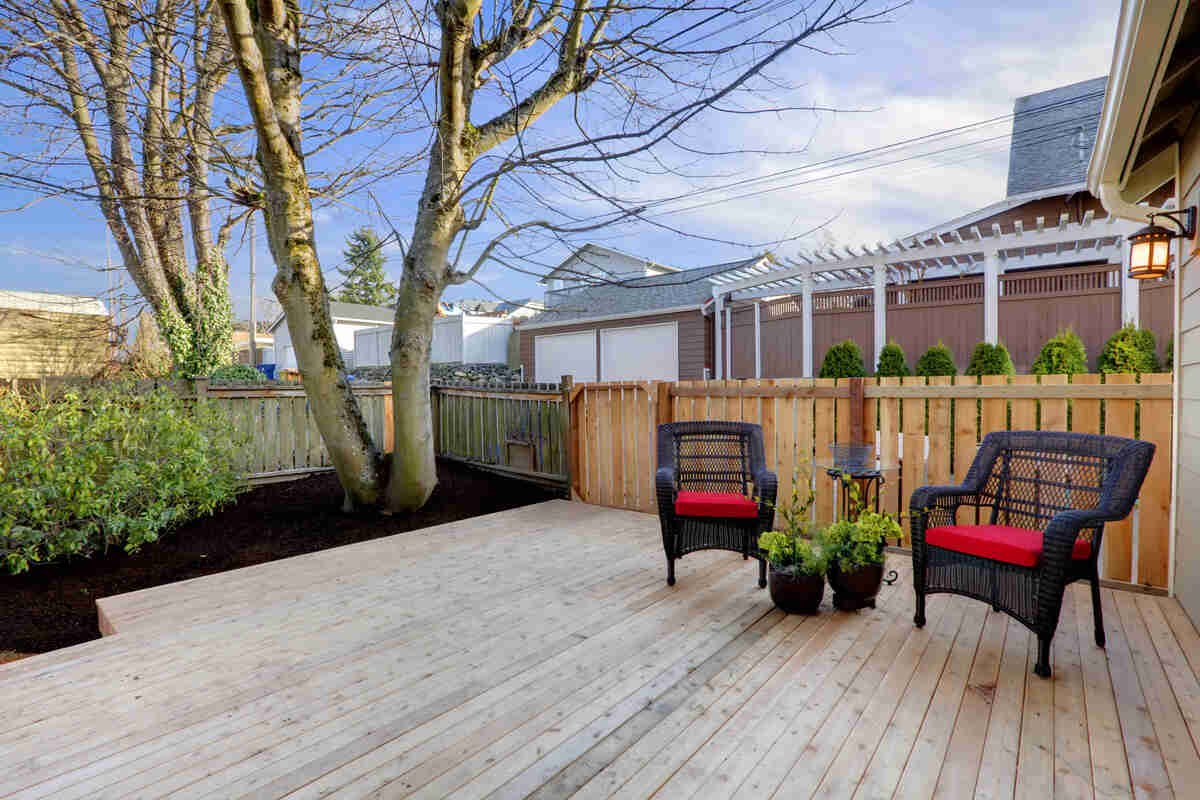
Building a floating deck is just the start. Taking care of it and following safety tips will keep your deck strong, safe and looking great for years.
Keep Your Deck Level
Even though deck blocks provide stability, ground shifts over time. Check your deck regularly and adjust blocks if you notice any tilting or uneven boards. Keeping the deck level prevents wobbling and reduces stress on the frame.
Protect Against Weather
Wood decks can wear out from rain, sun and snow. Applying a weather-resistant sealant or stain helps prevent rot, warping and fading. Reapply every year or two, depending on your climate, to keep your deck looking fresh and strong.
Inspect for Damage
Regularly inspect your deck for loose screws, cracked boards or signs of rot. Fixing small problems early prevents bigger repairs later and keeps your deck safe for everyone.
Avoid Overloading
Floating decks are sturdy, but they have weight limits. Avoid placing heavy objects or large gatherings in one spot without checking the deck’s load capacity. Proper spacing and distribution of weight help the deck last longer.
Plan for Easy Cleaning
Keep your deck clean by sweeping debris and washing off dirt, leaves and moss. A clean deck not only looks better but also reduces moisture buildup that can cause wood damage.
READ MORE» 5 Tips for Building an Eco-Friendly Deck»
Images from Depositphotos