If you live by the “change starts with you” mantra then you likely know the importance of living an eco-friendly lifestyle. If you consider that direct household consumption accounts for about 20 percent of greenhouse gas emissions, it’s easy to see the impact that your lifestyle at home can have on the environment. Here are nine actionable steps you can take to be more sustainable at home and reduce your environmental footprint.
Conduct an Energy Audit
Performing an energy audit helps you identify opportunities to save energy in your home. Once you clearly understand your property’s energy usage you can develop a plan to reduce consumption without compromising your home’s comfort.
You can either conduct your own DIY home energy audit (see this guide from the EPA to learn more) or for a more thorough job you can hire a professional energy auditor. By doing this you’ll gain a wealth of information that you can put to use. Some of the suggestions might be as simple as installing weatherstripping on your front door or cleaning or replacing your HVAC filters.
Be Mindful of Your Renovations
An addition, even a minor one, can have a sizeable impact on the environment. If making renovations, choose sustainable building materials instead of man-made ones as much as possible, as the latter are resource intensive and can contain harmful chemicals that can cause health problems. Remember to work with a trusted contractor who respects your vision of sustainability so that together you can renovate your home the way you want it with the least environmental impact as possible.
Read more on this topic in Increase the Value of Your Property With These Green Home Upgrades.
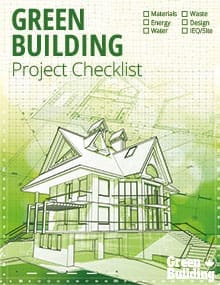
Get the Green Building Project Checklist
Use this handy checklist on your next project to keep track of all the ways you can make your home more energy-efficient and sustainable.
Add Some Solar Lights
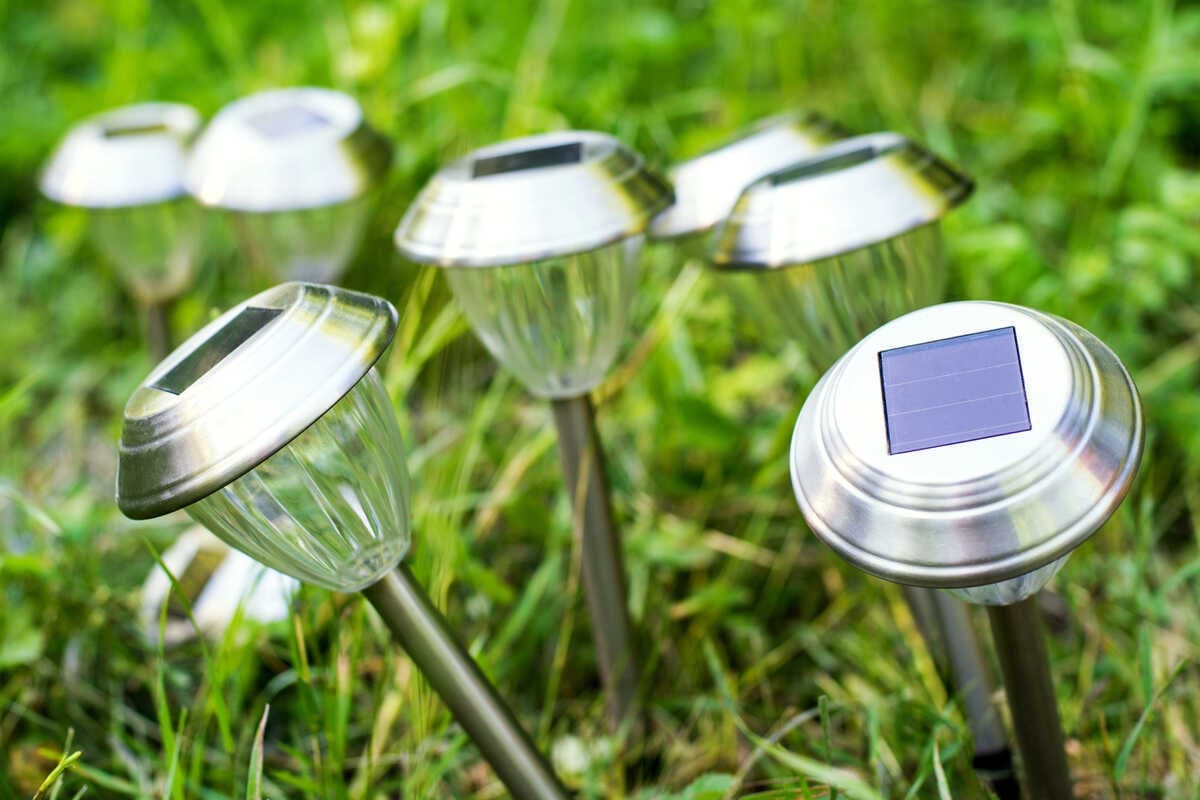
Though installing solar panels requires a hefty financial investment, there are some affordable alternatives. Lamp post lights, wall lights, garden lights and even Christmas lights are now available in solar versions. These charge up during the day and automatically light up at night. Since they’re independent fixtures, in addition to being more economical, they’re worry-free. In case of a power outage, you can trust that they will still brighten up your home.
Get Some Green Going On
Having real plants encourages cleaner air in your home, in addition to giving your home more visual appeal. Growing your own food, like herbs, fruits and vegetables, is also beneficial for your health (and your pocket as well). Be mindful that some plants may be toxic to house pets, but some quick research will show you if the plant you’re considering is pet safe or not.
Also, ensure that you grow your own plants or buy from a legal grower/seller. Particularly if you’re purchasing native plants, you’ll want to make sure they haven’t been harvested from their natural habitats, which disrupts the local ecosystem.
Minimize Your Waste
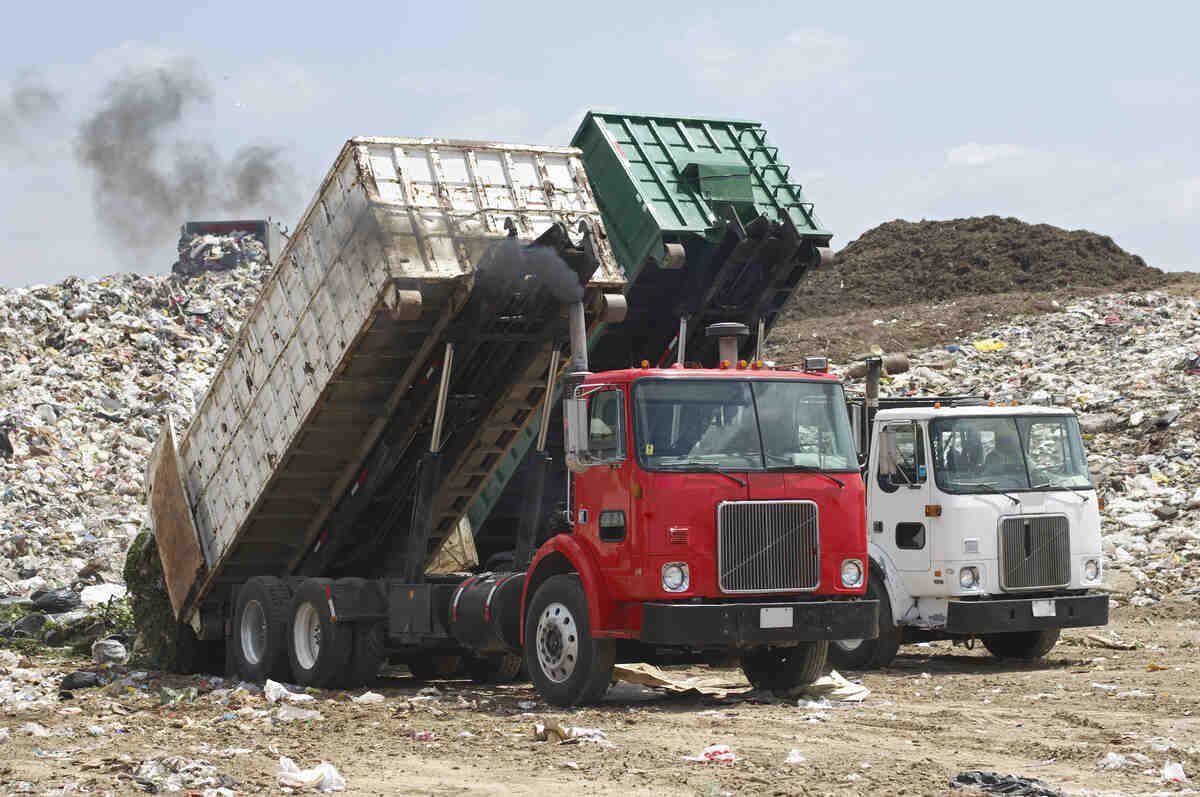
From piled up landfills on the surface to microplastics swimming underwater, we’re a planet drowning in waste. Consumption is the root of the waste problem. By reducing our consumption we inevitably cut down on waste. Waste results in pollution, harms wildlife, produces potent greenhouse gases like methane and can have a negative impact on health.
Even if it’s purchasing eco friendly products, it’s not really helpful to the environment if we purchase more than what we need. Creating a home composting system not only helps lessen landfill waste but also makes you more conscious of what you consume. Focus on reducing waste, recycling and reusing wherever possible. For the rest, follow proper waste management practices and make sure every family member complies.
Read more on this topic in 6 Environmentally Friendly Ways To Get Rid Of Waste.
Reduce Water Consumption
Water conservation is another way to increase your sustainability in your home. Take water-saving measures, including addressing leaks, utilizing low-flow showerheads and being conscious of your dishwasher and washing machine consumption. You can also harvest rainwater for non-potable tasks such as watering the garden, toilet flushing and washing cars.
Read more on this topic in Sustainable Plumbing Solutions That Save Water, Energy and Money.
Cut Down on Paper Products
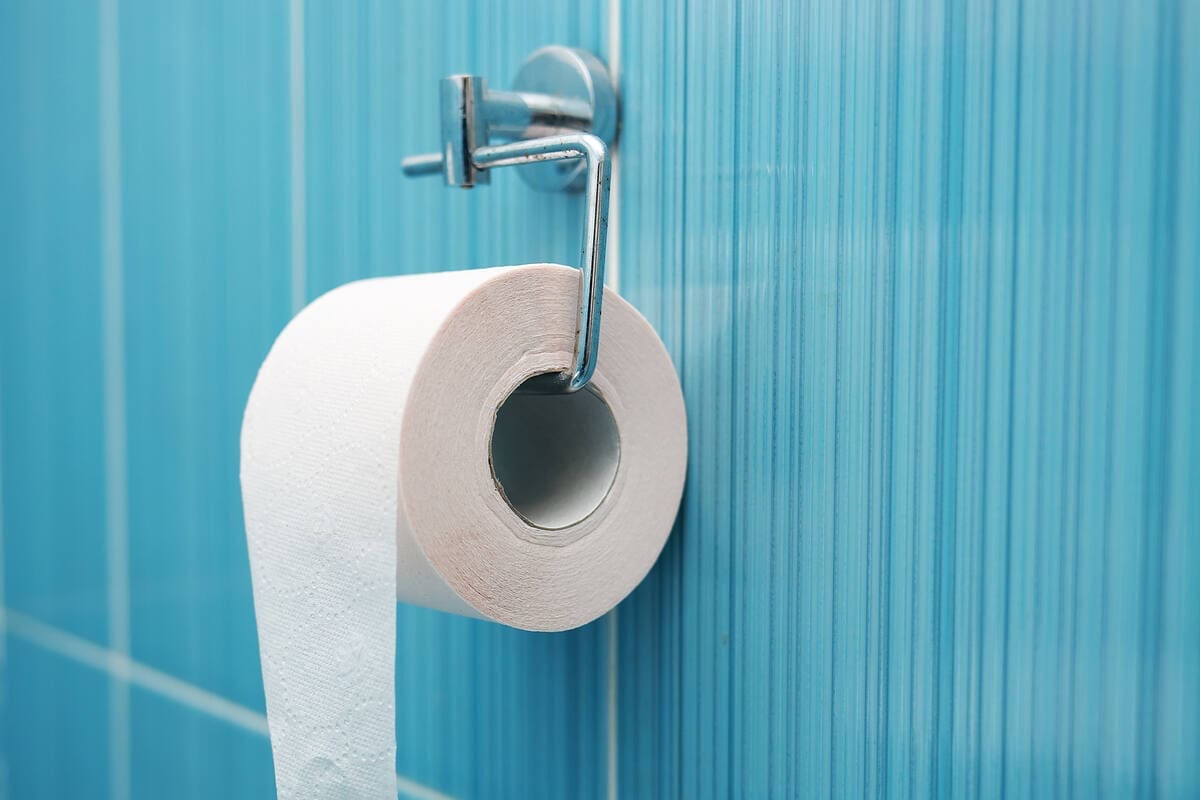
Some cultures use bidets rather than toilet paper. Aside from having a much cleaner feel, Business Insider’s Michelle Yan explains that a bidet is more environmentally friendly since it “uses one-eighth of a gallon of water, while it takes about 37 gallons of water to make a single roll of toilet paper.” She further states that switching to a bidet can save some of the “384 trees that are cut down to make a single person’s lifetime toilet-paper supply.”
You can cut down on your paper use in other areas of the house, as well. Any of your paper products, from paper towels to napkins to tissues, can be replaced with washable rags or cloths. Turn to your mop instead of paper towels for cleanups, too.
Invest in Energy-Efficient Appliances
Switching to energy-efficient appliances is another way to reduce your home’s energy usage. When upgrading appliances, look for the Energy Star label, and look for the best rating possible. Search for retailers that will accept a trade-in of your old appliances for modern, eco-friendly ones.
If you haven’t already, make sure to change your home’s incandescent light bulbs to light-emitting diodes (LEDs). These low-priced lighting options can significantly reduce utility bills as they consume a lot less energy and last longer.
Consider Second-Hand Furnishings
While purchasing new home furnishings can be exciting, manufacturing them has an impact on the environment. Unless necessary, minimize your acquisition of brand-new furniture and other home products. Consider buying secondhand, as they typically come with a low price tag and can still be in excellent condition.
Read more on this topic in Sustainable Furniture in Canada: A Buyer’s Guide.
Images from Depositphotos