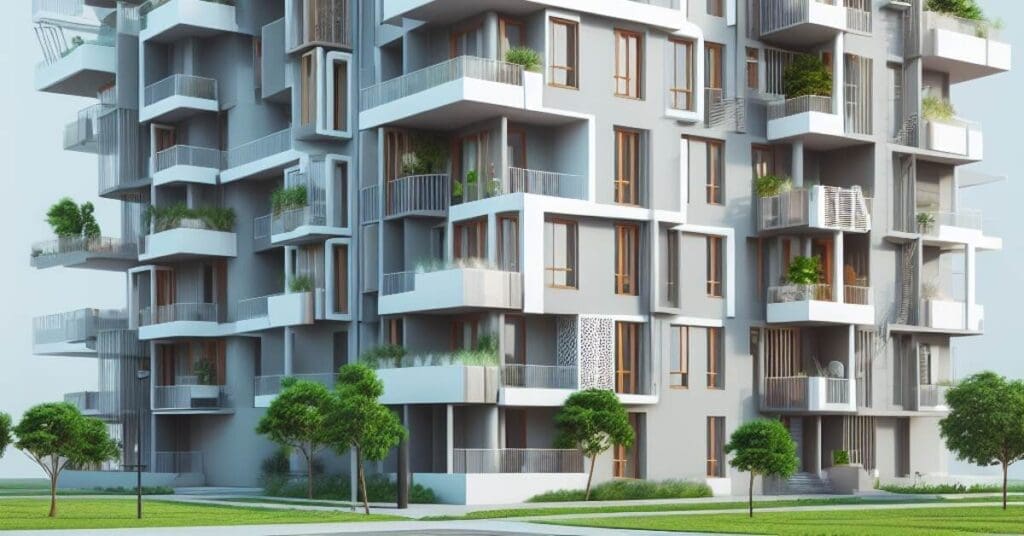

With house prices in Canada skyrocketing out of control, the rate of home ownership has inevitably been on the decline. Peaking at a rate of 69 percent in 2011, it has since dropped to 66 percent in 2021.
With one third of Canadians renting, rental homes are therefore responsible for a significant proportion of the country’s energy use, so it’s no surprise that sustainability is making its way into property lease agreements. So, how is this being done?
Green Leasing
Green leases offers both landlords and tenants incentives to make improvements that can save money and make an important contribution to combat the effects of climate change.
A green lease is a lease that incorporates clauses in which the landlord and the tenant undertake specific responsibilities or commitments relating to the sustainable operation or occupation of a building.
Those responsibilities or commitments typically cover areas such as energy efficiency measures, water savings, and waste management policies.
Benefits of Green Leases
Get the Green Building Project Checklist
Use this handy checklist on your next project to keep track of all the ways you can make your home more energy-efficient and sustainable.
Green leases (which go by other names like sustainable leases, high-performance leases or energy-efficient leases) are becoming increasingly common for a number of reasons.
For landlords, there are strong practical drivers because government legislation is increasingly make energy efficiency a priority.
Landlords with properties that have a low energy efficiency rating are often not allowed to offer them for rental until they have made improvements.
For example, landlords investing in homes in Toronto are being encouraged to replace windows and doors and better insulate their rental properties—and they’re being given interest-free loans to make these green improvements.
But aside from a legislative pull, it also pays to go green. Energy-efficient features are not only more desirable for renters and homebuyers, they also increase the value of the property over time.
In fact, studies have consistently concluded that energy-efficient homes earn a higher resale price than average homes.
Tenants also have an incentive to adopt green leases. By participating in water and energy conservation, waste reduction and recycling projects, or by agreeing to use non-hazardous cleaning products, they can reduce their energy bills and feel as though they are contributing to solving a wider global issue.
Green Leases and Occupant Health
There are also wider direct and indirect benefits for both parties. Improvements in the living environment, for example, can have an impact on tenants’ health.
While the exact relationship between poor housing and health is complex and difficult to assess, research suggests that poor housing is associated with increased risk of cardiovascular diseases, respiratory diseases, and depression and anxiety.
Reducing housing-related hazards and making energy-efficient improvements to reduce damp, mould, excess cold, and structural defects can therefore have a direct impact on tenant health.
These improvements include installing draft excluders, upgrading windows and lighting, getting an energy efficient furnace (and/or ensuring you’re using the heating system effectively), looking into solar shading, and utilizing energy-efficient appliances.
Global Drivers

On a larger scale, green property lease agreements can reduce the environmental impact of buildings and help promote a culture of sustainability among building users.
Taking steps to make leases greener is taking a step towards solving global energy challenges related to tightening energy supplies, rising fuel prices, uncertainty over energy security, and the threat of global climate change.
A study by the Massachusetts Institute of Technology reported that global energy use has increased dramatically. Total primary energy consumption increased by 64 percent between 1980 and 2005 and, according is projected to continue increasing in the coming decades, according to the International Energy Agency in their World Energy Outlook 2021.
Contribution of the Rental Sector
The rental sector in Canada could play a major role in creating energy savings. Though Canada’s energy grid is one of the cleanest in the world, energy consumption in Canada grew by 30% between 1990 and 2017, and buildings play a big part in this.
Given these figures, there are compelling reasons for improving building efficiency in the rental sector as a contribution to tackling global energy challenges.
As well as helping to meet national energy and environmental challenges and economic goals, there is the potential to reduce costs to building owners and tenants.
As previously mentioned, building efficiency must also be considered integral to helping provide occupants with a comfortable, safe and attractive living environment.
Developing Green Leases
A green lease can be customized to meet the specific needs of landlords and tenants but it’s essential for both parties to agree on a few things.
First, everyone needs to come to an understanding about what a sustainable building is. They should then determine meaningful and achievable sustainability goals, as well as lay out the consequences if either the landlord or the tenants fail to meet their obligations.
A number of factors can influence the scope and content of a green lease. One is the type of lease—gross or net. In a gross lease, the landlord pays the energy bills, so any improvements in efficiency benefit the landlord. Some tenants will still feel motivated to make their own improvements, but others might require an incentive, such as a reduction in rent.
With a net lease, tenants pay their own energy bills, which gives them a financial incentive to make energy-efficiency improvements.
The length of the lease will have an impact, as well. Tenants taking out longer leases are more likely to see the results of major energy-efficiency improvements, which could be an incentive for landlords to lengthen the lease and avoid void periods.
The age and size of the building can also affect a green lease. Older buildings, for example, are likely to require more work and greater investments in efficiency improvement. That said, this could in turn provide both landlords and tenants with more potential savings over the long run.
Final Thoughts
While the term “green leasing” is relatively new, it represents a well-thought-out solution to the global need for increased energy-efficiency awareness.
Green property lease agreements align the economic and environmental goals of both landlords and tenants, both of whom have the opportunity to save money, conserve resources, and ensure the efficient operation of the rental property.
Feature image: Nikola Knezevic; Image 1: Avi Werde