Air sealing and insulating your home can save you 10 to 20 percent on your heating and cooling costs. But if you had to pick between air sealing and insulation due to a limited budget, pick air sealing. It’s cheap, you can DIY it, and it’s effective. Many would say it’s even more effective than adding insulation.
Air sealing prevents conditioned air from escaping your home and outside air from entering. The result: lower heating and cooling costs and a home that feels more comfortable because you don’t feel cold drafts. It also helps prolong the life of your HVAC system since it doesn’t need to work as hard. Another bonus is that it can keep unwanted moisture and pests out of your house.
In this guide, I’ll be walking you through how to properly air seal your home using caulk, weatherstripping and insulation. There are also videos to demonstrate the process and tips on how to find the right products for your needs. OK, let’s get to it.
First Step: Identify the Air Leakage
Before you begin air sealing, the first step is to find out specifically where air leakage is occurring and how much air is leaking so you can prioritize which areas need to be sealed.
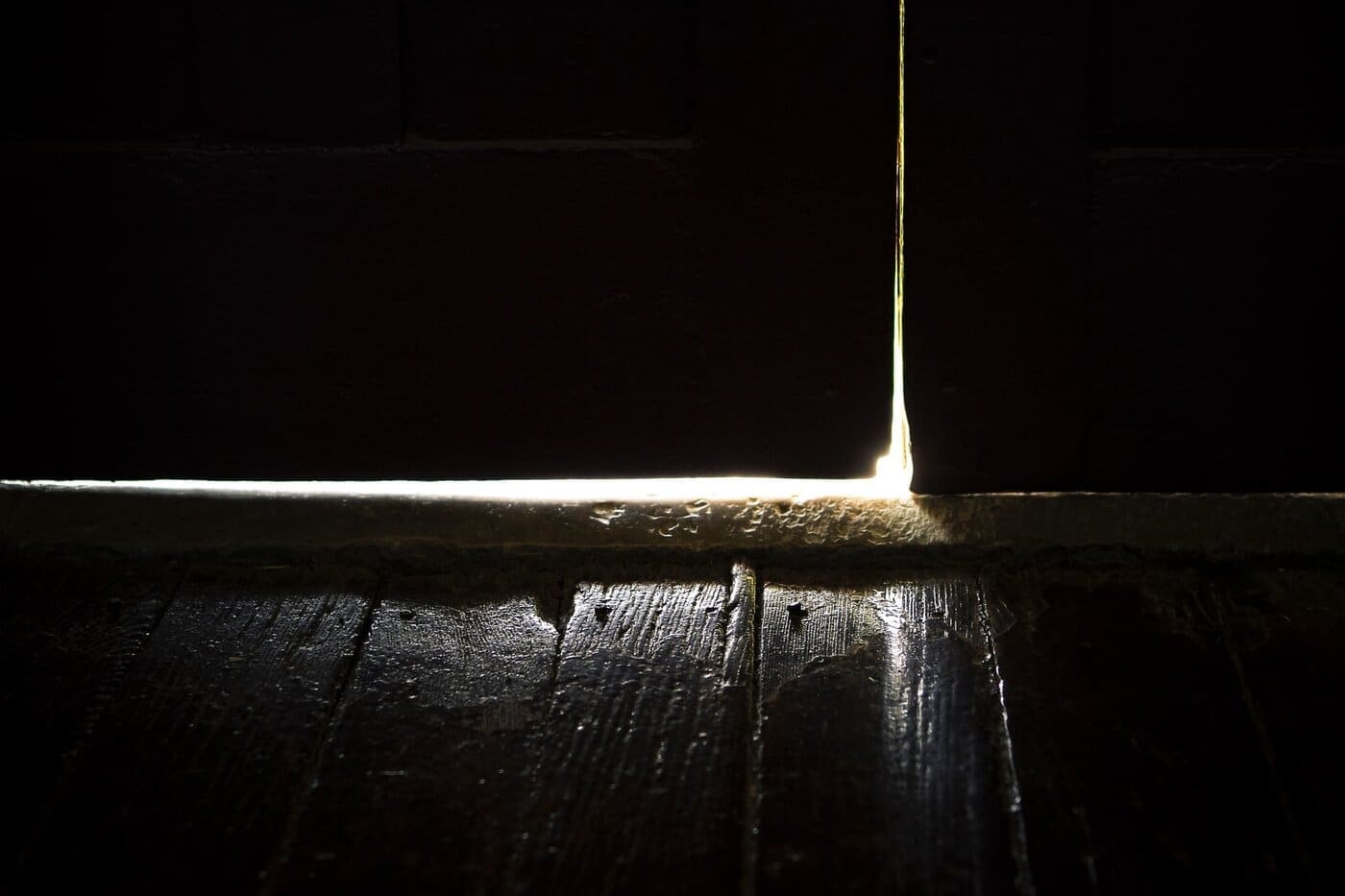
Do a visual inspection of your home, checking windows, doors, plumbing penetrations, attic hatches, electrical outlets, and switches for air movement. You can test for air movement by either feeling it with your hand or holding up a lit incense stick or candle to see what happens to the smoke. If it moves erratically, you have air movement.
Caulking Cracks and Joints
Get the Green Building Project Checklist
Use this handy checklist on your next project to keep track of all the ways you can make your home more energy-efficient and sustainable.
Caulking is one of the prime ways to air seal a home. Through crack and joint sealing windows and doors you make your home energy efficient while also helping to keep out pests and moisture.
When choosing a caulk, be sure to select one that’s the right type and colour for your project. Most caulks are either latex or silicone-based.
Latex caulks are easier to work with, but they don’t last as long as silicone caulks. Silicone caulks are more durable, but they can be harder to apply. Latex caulk is a good choice for general-purpose sealing indoors or in areas where flexibility and durability are not critical. Silicone caulk, on the other hand, is best suited for applications requiring flexibility, durability, and resistance to moisture. Be sure to read the manufacturer’s instructions before applying any caulk.
Air Sealing Outlets and Switches
A decent amount of heating and cooling costs can be saved by air sealing your electrical outlets and switches on exterior walls. Though an outlet might not seem like much space that you’d need to air seal, when you count all the outlets and switches you have in a house it adds up.
Weatherstripping Doors and Windows
One of the most important steps in air sealing your home is weatherstripping your doors and windows. Doing this helps seal out drafts and keeps your conditioned air inside.
There are a variety of different types of weatherstripping available, so you can find the right one for your needs. Foam tape or gaskets are a great option for windows, while door sweep or threshold seals are a good choice for doors.
Check out the videos below for a visual guide to weatherstripping doors and windows, but don’t fail to check the manufacturer’s instructions for the correct installation method. Also, be sure to keep your weatherstripping clean and free of debris, so that it can continue to seal effectively. It’s also a good idea to set up a quality air purifier to destroy any harmful air particles that have entered your home.
Plugging Holes in Attic
The attic is a particular area of concern when it comes to air sealing since there are so many penetrations in the attic to the conditioned part of the house that allow air to flow. Since the attic is at the top of the house and since hot air rises, whatever openings there are in the attic will cause all your warm conditioned air to evacuate into the attic.
When you’re up in the attic, look for penetrations from plumbing, electrical, light fixtures, HVAC ducts, chimneys, and whatever else. With all these openings to close, it’s definitely worth going up into the attic and sealing all the openings you find.
If it’s a small gap you can use caulk or spray foam. If you find large openings, you can use pieces of rigid insulation to block the openings and seal around the insulation with caulk or spray foam.
As well, it’s important to close off any vents or chimney openings in your home that aren’t being used. This will help keep the warm air inside and the cold air out.
Sealing Ducts
Sealing your ducts is an important part of air sealing your home. Sealing your ducts will help keep conditioned air in your home and help improve your energy efficiency by preventing air leakage.
Duct tape is what most people would think about when sealing ducts, but there are better, more permanent solutions. The common choice would be to use mastic. It’s a thick paste-like material that’s applied to seams and joints in the ductwork. The downside to mastic is that it contains harmful chemicals like VOCs and formaldehyde, which it releases into the building and it’s not biodegradable. A healthier alternative that’s also safer for the environment is AFM SafeCoat DynoFlex. It’s water-based, is low odour and has very low VOC content.
This product forms a long-lasting, tight seal that’s resistant to temperature changes, unlike duct tape that can degrade over time, particularly with heat, cold, or moisture. It can also accommodate movement and expansion that happens in the ductwork without cracking or peeling like duct tape.
Check for Leaks Again
Once you’ve completed all of the steps above, it’s again time to check for leaks. Follow the same steps as you did the first time (as mentioned in the first section).
If you missed anything now is your chance to get it right. Some seals take a few tries to get right. Perhaps you used too small weatherstripping in your windows and you need to trade it out for a larger one.
After all is done, you can now benefit from a well-sealed home. Check your utility bills for a few months to see the effects of your work and make sure to regularly check your seals to ensure they are still performing well.
Air sealing is an essential part of a home’s weatherization. It’s well worth doing as it saves you money on energy bills, reduces your home’s impact on the environment and improves your home’s comfort.
Feature image: Joe Dudek; Image 1: Pawel Czerwinski