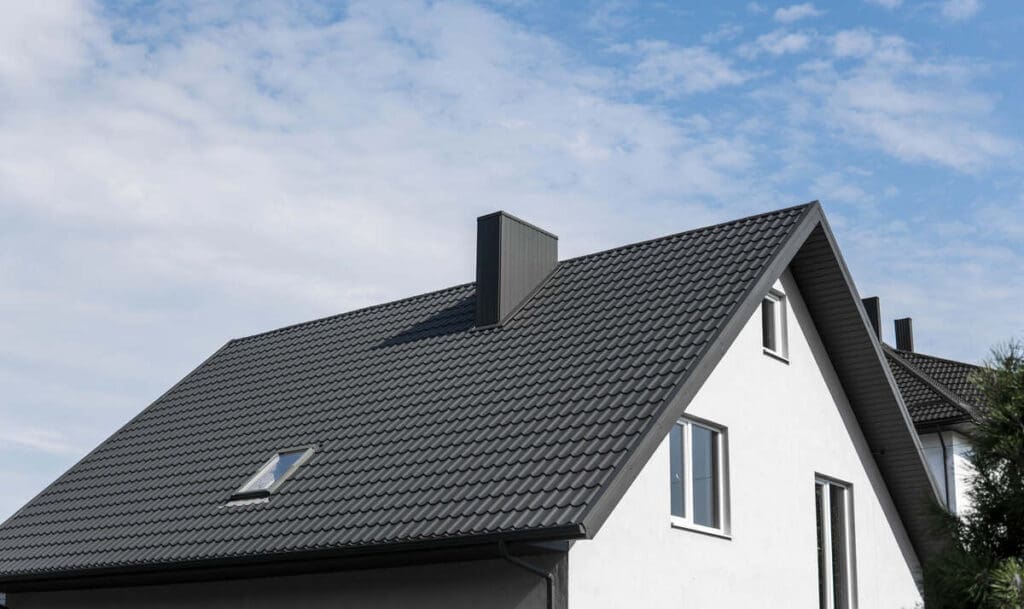
It’s no surprise there’s been a growing demand for metal roofs. Who doesn’t want a roof that can provide so many financial and technical benefits, and surprisingly also has a number of environmental benefits?
Metal roofing is greener than its conventional counterpart, asphalt shingles. Asphalt shingles typically need to be changed every 15 to 30 years whereas metal roofs can last upwards of 100 years without being replaced. Also, since metal is more valuable than asphalt (which is made of petroleum products like bitumen), it’s more likely to be recycled, and thus the percentage of recycled materials that comprise metal roofs are a lot higher than asphalt. That also means there’s a lot more shingles going to landfill than metal roofs.
But metal roofs are not just an alternative to asphalt, they’re a solid roofing material in their own right. Here we compare different types of metal roofs and look at their costs to help you determine which is best for your building.
Why a Metal Roof
Metal roofing costs a bit more than traditional shingles. That extra cost, however, isn’t for nothing. Here are some points you should take into account.
Lifespan
Metal roofs’ longevity is at the top of the list. While traditional asphalt shingles last for about 15 to 30 years, a well-installed metal roof can work perfectly for 40 to 100 years.
For this reason alone, many homeowners think of installing metal roofs when building a house or renovating.
Get the Green Building Project Checklist
Use this handy checklist on your next project to keep track of all the ways you can make your home more energy-efficient and sustainable.
Durability
Asphalt shingles are vulnerable to extreme weather conditions like strong wind and heavy rain. In serious cases, sudden strong wind turbulence can pull asphalt shingles off.
Metal roofs are highly resistant to heavy winds, making them an excellent choice for areas prone to hurricanes, tornadoes, or strong storms. They’re also fire resistant, thus making them an ideal choice if you live in wildfire-prone areas.
Energy Efficiency
Depending on how it’s installed, metal roofing can be much more energy efficient than asphalt. Metal roofs can be reflective, diverting additional heat away from the house in summer and lowering cooling bills.
Other than all the points mentioned, metal roofs are also easy to clean and have significantly lower maintenance costs.
Recyclability
Metal roof production has significant environmental consequences due to the extraction of the metals and the amount of energy used to create them, but there’s also some variation from one metal to another, which is largely dependent on how much of the roof is made of recycled metal. The roofs with the highest percentage of recycled material are steel and aluminum.
Cost of Installing a Metal Roof Based on Different Roofing Materials
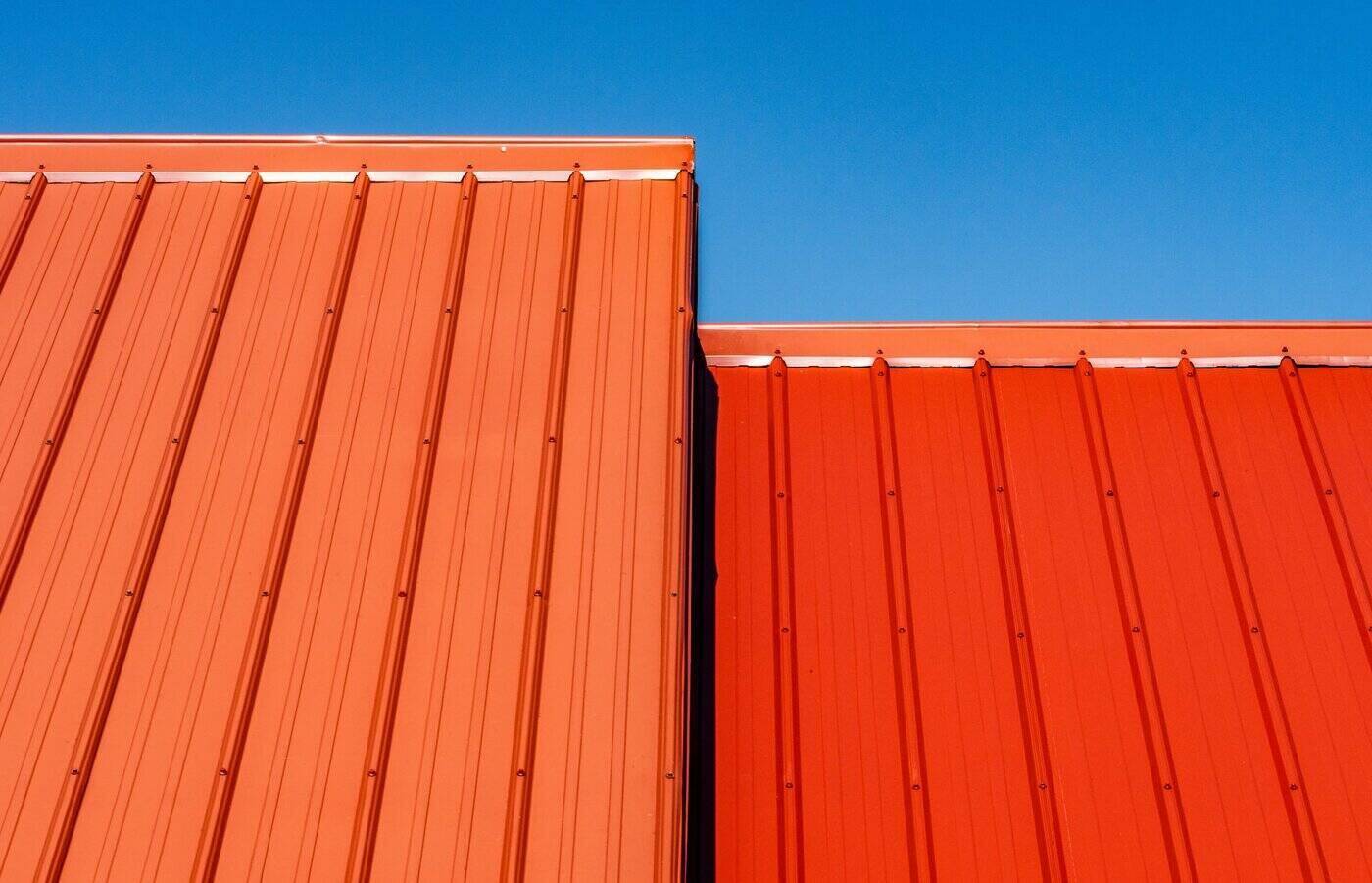
The cost of installing a metal roof depends mainly on two factors: the type of material and the style of the roofing type. The average cost of installing metal roofing ranges from $5 to $30 per square foot.
Generally, aluminum, zinc, steel, lead and tin are used for roofing. Each type of metal comes with its own set of pros and cons, distinctive features and costs.
Tin Roofing
Tin roofing costs around $10 to $25 per square foot. It’s becoming a less common choice these days with all the other roofing options available that offer better performance and longevity. Still, it offers certain advantages in that it’s affordable, durable (can last 50 years or more) and is lightweight so it puts less stress on the roof and is easier to install. It can however, be quite susceptible to corrosion, and thus requires adequate maintenance to check for that corrosion.
Aluminum Roofing
Aluminum roofing costs range from $5 to $15 per square foot. It isn’t affected by corrosion and is highly wind-resistant, so it’s well suited for coastal areas. It also keeps the home cooler by reflecting sunlight, thus reducing energy bills. It has a long lifespan of 50 years plus and upon removal there’s a good chance it will be recycled. On the downside it can dent easily so if you live somewhere that gets hailstorms it can be a problem.
Zinc Roofing
Zinc roofing ranges from $15 to $20 per square foot. The main advantage of zinc roofing is longevity—it can last more than 100 years. It doesn’t require much maintenance either. Zinc forms a protective patina over time, offering resistance to corrosion and weathering. There’s a high recyclability rate for zinc and its production process consumes less energy compared to other metals like aluminum or steel. Zinc is, however, sensitive to acidic environments. If you live somewhere with high levels of air pollution or industrial emissions the roof will corrode more quickly.
Steel Roofing
Steel roofing typically costs between $8 and $20 per square foot. Steel is the most recycled material on earth, making it greener than many other roofing choices. Steel roofs offer durability (50-plus years), weather resistance, and energy efficiency. They withstand harsh conditions, including high winds and fire, while requiring minimal maintenance. They can be subject to corrosion and hail damage.
Lead Roofing
Lead roofs costs an average of $10 to $30 per square foot. Lead roofing offers excellent durability (100-plus years), malleability (allows for intricate detailing), has a distinctive look and offers great weather resistance. However, its high cost, heavy weight, and environmental concerns (lead is toxic so can pose health risks if not handled and disposed of properly) are significant drawbacks.
Different Styles of Metal Roofing Types and Their Costs
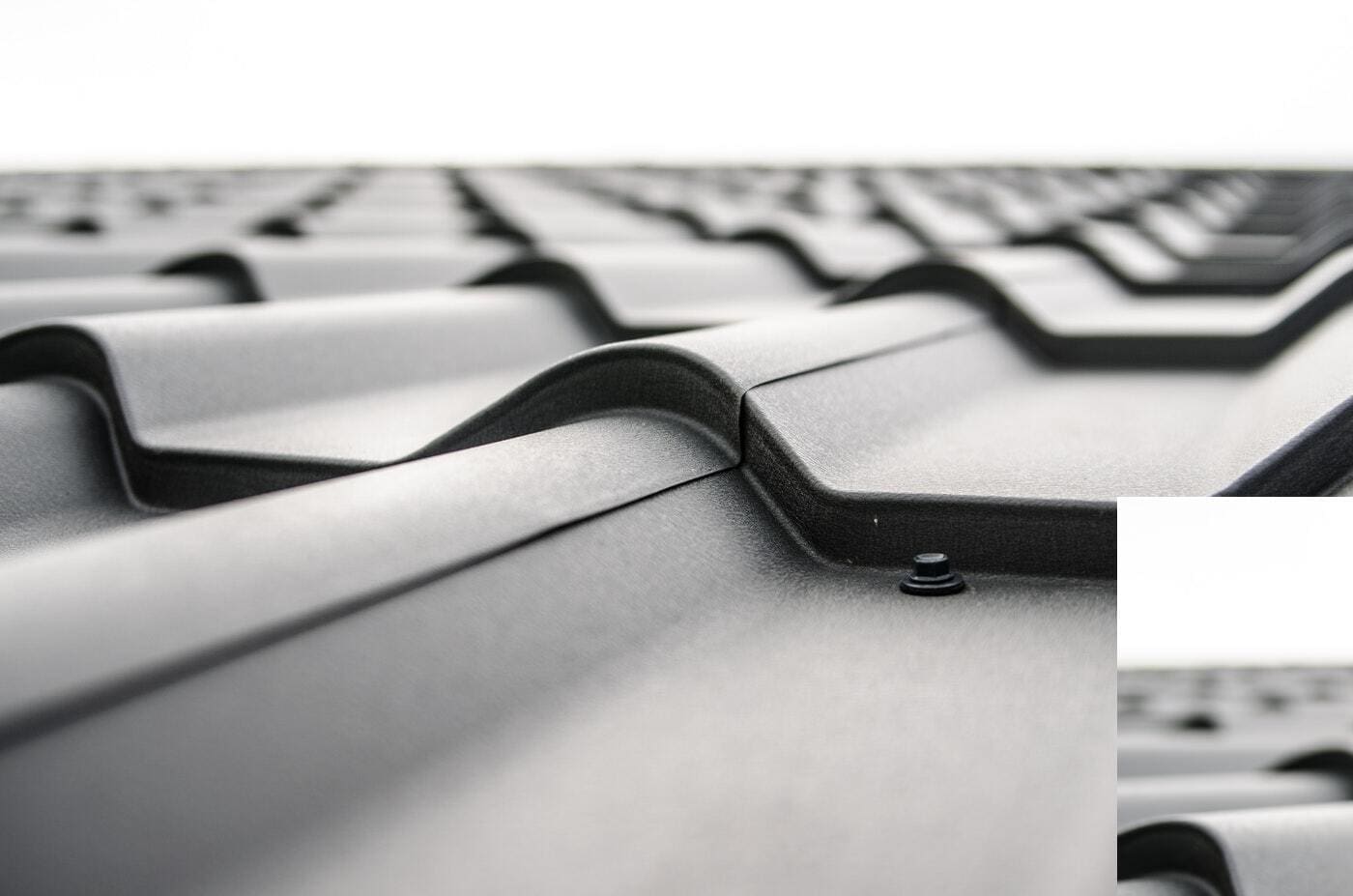
Metal roofing costs vary according to their different designs and styles. Common styles include corrugated, shingles, curved, Tuff-Rib and insulated panels.
Corrugated
Corrugated metal roofing requires little maintenance and is one of the cheapest options, ranging from $4 to $5 per square foot.
Shingles
Metal roofing shingles give the home a traditional aesthetic and visually appealing look. They cost between $5 and $15 per square foot.
Curved
Curved metal roofing is the most expensive choice, with prices around $15 to $30 per square foot.
Tuff-Rib
The advantages of tuff rib metal roofing are that it’s great for drainage and is also a cheaper option. It costs around $4 to $5 per square foot.
Insulated Panels
The price of insulated panels ranges from $6 to $12 per square foot. They’re great for design flexibility and energy efficiency; they also protect the home from wind and rain.
Aside from design and types of material used, metal roofing costs will vary due to the gauge (thickness) of metal used. A thicker roof costs more.
Roofing material fire rating also makes an impact on overall prices. A roof with a Class A fire rating will cost more than one with a class C fire rating.
Labour and Other Costs
Expect labour costs to be around 60 percent of the total – the remaining costs will be material.
Installing a metal roof doesn’t come cheap, but extra costs may arise due to improper installation. If you’re thinking of installing a metal roof, hire an experienced and reliable professional to help you with it. Professionals are best suited to install it flawlessly and efficiently.
Accurately measuring for metal roofs is essential to ensure precise material orders and flawless installation, especially given the many panel types and custom fits discussed above. Digital tools can now provide detailed aerial images and automatic reporting of roof lines, panel lengths and summarized measurement details. These solutions simplify and speed up the measurement process for metal roofs and make accurate measurements more accessible.
Metal roofs can build up dirt, stains, and mould over time. These things may damage the roof. Having a professional clean them can cost between $0.30 to $0.60 per square foot.
Looking for an alternative type of roofing? Check out Types of Sustainable Roofing Materials Explained»
Feature image: Pixabay; Image 1: chris robert