
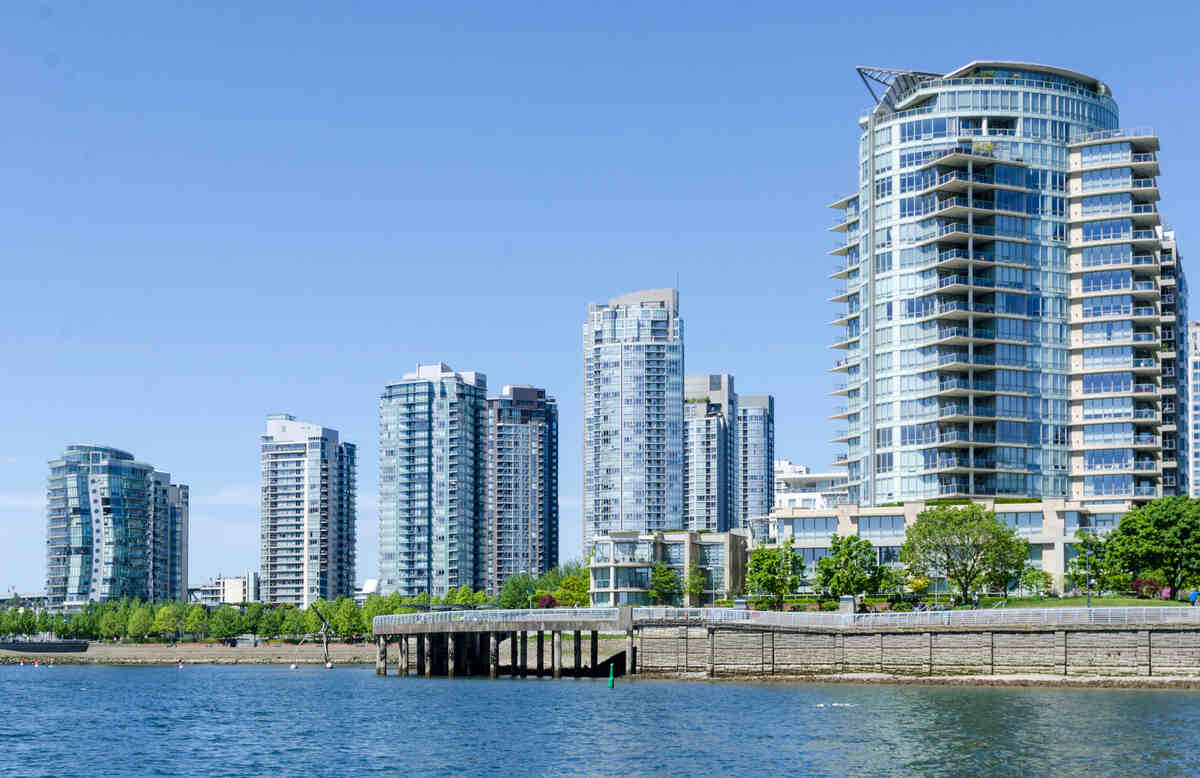
Given the sky-high prices that condos go for in Canada, particularly in cities like Vancouver and Toronto, understanding condo appreciation is an essential task for prospective condo buyers. Appreciation refers to the increase in a property’s value over time due to factors like market demand, location and economic conditions. Condos can appreciate differently from other property types, so knowing these nuances helps in making informed decisions. This article explores the key drivers, strategies and challenges associated with maximizing your condo’s appreciation potential.
Key Takeaway
Location is crucial – Proximity to amenities and growth areas boosts appreciation.
Monitor economic indicators – Interest rates and job markets affect condo values.
Assess condo attributes – Quality features and a strong HOA can enhance appreciation.
Stay informed on market trends – Urban living demand influences condo values.
Evolving Condo Development in a Slowing Canadian Market
After several years of rapid growth, Canada’s condo market has recently encountered significant headwinds. Rising interest rates, stricter mortgage qualification rules and lingering economic uncertainties are cooling buyer enthusiasm and dampening new project launches.
Although medium- to long-term fundamentals, such as sustained immigration and the continued appeal of urban living, suggest that condo demand may rebound, current conditions are challenging. Across major cities, developers are proceeding more cautiously, focusing on units that meet shifting affordability thresholds rather than on sheer volume. Below is an updated assessment of key Canadian condo markets, incorporating the latest available data as of late 2024.
Toronto: A Once-Boiling Market Facing Caution

Get the Green Building Project Checklist
Use this handy checklist on your next project to keep track of all the ways you can make your home more energy-efficient and sustainable.

Toronto’s condo sector, long the national leader in vertical housing growth, is experiencing a notable slowdown. Although more than 65,000 units have recently come onto the market or are nearing completion, sales absorption rates have declined sharply compared to peak levels in 2021-2022. According to the Toronto Regional Real Estate Board (TRREB), new condo sales in the third quarter of 2024 were down approximately 30 percent year-over-year.
High borrowing costs and concerns over oversupply are pressuring prices, with some units selling at modest discounts or offering buyer incentives. In the medium term, Toronto’s robust population growth and its role as a global business hub still bode well for a recovery, but developers and investors are bracing for several quarters of tepid performance before the market stabilizes.
Calgary: New Condos Reflect Moderate Momentum Amid Economic Uncertainty

Calgary’s condo market, which had been gaining traction as buyers looked for more affordable options outside the Greater Toronto and Vancouver areas, is now contending with the same macroeconomic challenges. As of late 2024, roughly 14,000-15,000 units have been recently completed or are under construction, down from earlier forecasts of over 18,000.
While Calgary’s diversified economy and relatively low entry prices keep it more insulated than some markets, sales have slowed and many projects are taking longer to reach completion. Buyers are increasingly price-sensitive, and developers are offering flexible financing and incentives. Over the medium term, if energy and tech sector growth continues, Calgary may emerge stronger – yet immediate demand is more subdued than it was just a year ago. If you’re wondering what kind of condo developments are going up these days check out these new projects in Calgary.
Vancouver: Luxury and Limited Land Meet Rising Rates

Vancouver’s condo scene, historically driven by land scarcity and global investor interest, is also feeling the pinch. Current data from the Real Estate Board of Greater Vancouver (REBGV) suggests sales of new condo units declined by nearly 25 percent year-over-year as of Q3 2024.
Prices remain high relative to other Canadian cities, but steep borrowing costs and a more cautious global investment climate have slowed the once-frenetic pace of new project launches. While roughly 25,000 units are still in the pipeline, many developers are scaling back project scopes or delaying pre-sales.
Over the long run, Vancouver’s natural appeal, climate and international draw may reinvigorate demand, but the short to medium-term looks flatter than in previous boom years.
Ottawa: Stable Employment, Softer Condo Demand

Ottawa, underpinned by a steady government sector and a growing tech presence, had shown resilience in past downturns. By late 2024, however, the capital’s condo market is not immune to the national slowdown.
Approximately 9,000 to 10,000 units are set to come online by 2025, fewer than initial projections. Buyer hesitancy, prompted by higher interest rates and stricter financing conditions, has cooled investor enthusiasm. While Ottawa’s stable employment base provides some insulation, developers are pivoting towards smaller, more affordable units to maintain absorption levels. In the longer term, a predictable labour market and prudent urban planning may help Ottawa’s condo segment recover, but near-term conditions remain challenging.
Montreal: Cultural Appeal Meets Market Realities

Montreal’s condo expansion had been buoyed by cultural vibrancy and relatively lower pricing compared to Toronto and Vancouver. Still, by late 2024, rising mortgage rates and cautious consumer sentiment have slowed sales velocity.
Although around 20,000 to 22,000 new units are in varying stages of development – slightly fewer than the 25,000 predicted in early 2023 – some projects are experiencing sales delays. International investors, previously attracted by Montreal’s affordability and lifestyle, are adopting a wait-and-see approach.
Over a medium horizon, Montreal’s balanced lifestyle and ongoing appeal to new residents may support a measured recovery, but the immediate market feels the pressures of the broader Canadian slowdown.
Edmonton: Gradual Growth Faces Headwinds

Edmonton’s condo market, once on a modest upswing, has also been tempered by the current economic environment. Approximately 7,000 to 8,000 units are in the pipeline as 2024 draws to a close, down from projections closer to 9,000 last year.
Developers are proceeding cautiously, mindful that buyers are increasingly price-sensitive and loan qualification has tightened. While Edmonton’s ongoing efforts to revitalize its downtown and expand its tech and healthcare sectors are positive long-term signals, current market conditions are subdued. A sustained focus on mixed-use developments, improved public transit and affordability may help Edmonton’s condo segment regain momentum in the coming years – but for now, the growth trajectory is flatter.
Key Drivers of Condo Appreciation
Location Matters
The adage “location, location, location” holds particularly true in real estate. A condo’s proximity to public transit, reputable schools, shopping centres, parks and business districts can significantly influence its appreciation potential. For instance, condos located near downtown Toronto or Vancouver often see higher appreciation rates due to the convenience and lifestyle they offer. Emerging neighbourhoods with planned infrastructure projects can also drive appreciation as they become more attractive to buyers seeking growth potential.
Economic Indicators
Economic factors play a pivotal role in determining condo values. Interest rates, inflation, and local job market trends can either bolster or hinder appreciation. Low interest rates generally make mortgages more affordable, increasing buyer demand and driving up property values. Conversely, high inflation can erode purchasing power, potentially dampening demand. A robust local economy with a growing job market can attract more residents, thereby increasing demand for condos and boosting appreciation.
Condo-Specific Attributes
Unique attributes of a condo can affect its desirability and, consequently, its appreciation. High-quality construction, innovative design, and sustainable building practices can make certain condos more appealing. For example, developments using eco-friendly materials like mass timber reduce environmental impact and attract buyers interested in sustainability. An illustration of this is the sustainable apartment built with mass timber in Toronto, showcasing how green construction can enhance a property’s value.
Additionally, scenic views, modern amenities like gyms or pools and favourable floor levels can boost a condo’s appeal. A stable and well-managed HOA ensures the property’s upkeep, positively impacting appreciation. Buyers often pay a premium for condos that offer superior features and a hassle-free living experience.
Current Market Trends
In general, the trend in Canada is increasingly towards urban living, particularly among young professionals and retirees seeking convenience and lifestyle amenities, which bodes well for condo appreciation. On the flip side, the shift towards remote work has also influenced buying patterns, with some buyers prioritizing larger homes over proximity to the office. This shift can have a negative impact on condo prices.
Strategies to Maximize Condo Appreciation
Property Improvements
Condo owners can take proactive steps to enhance their property’s value. Upgrading kitchens and bathrooms with modern fixtures, installing energy-efficient appliances and enhancing storage space can make a condo more attractive to buyers. Even simple improvements like fresh paint or updated lighting can positively impact appreciation.
Savvy Buying Choices
Prospective buyers should consider factors that contribute to strong appreciation potential. Prioritizing locations with upcoming infrastructure projects, such as new transit lines or commercial developments, can be beneficial. Selecting condos in buildings with desirable amenities and a strong HOA can also enhance future appreciation.
Timing the Market
Timing plays a crucial role in maximizing appreciation. Purchasing a condo during low-interest-rate periods or market dips can increase the potential for value growth. Similarly, selling during high-demand cycles can capitalize on increased property values. Staying informed about market trends and economic indicators can aid in making timely decisions.
Risks and Challenges with Condo Appreciation
Economic and Regulatory Risks
Investing in condos is not without risks. Economic downturns, sudden interest rate hikes or unfavourable regulatory changes can negatively impact appreciation potential. For instance, stricter mortgage lending rules can reduce the pool of eligible buyers, affecting demand and prices.
Impact of High Homeowner Association Fees
High HOA fees can deter potential buyers, affecting a condo’s resale value and appreciation. Additionally, special assessments for unexpected repairs can impose financial burdens on owners. It’s important to evaluate the HOA’s financial health and fee structures before purchasing.
Legal and Regulatory Considerations
Legal restrictions, such as limitations on short-term rentals or zoning changes, can influence a condo’s appreciation. For example, a citywide ban on Airbnb rentals could reduce certain condos’ income potential and attractiveness. As the housing shortage continues in Canada, expect municipalities to further restrict Airbnb condos to protect the rental market for their residents. Staying abreast of local regulations is essential for mitigating risks.
Average Condo Appreciation Rates: What to Expect
On average, condos in Canada have appreciated at rates ranging from 2 to 5 percent annually over the past decade, although this varies by location. Major cities like Toronto and Vancouver have experienced higher appreciation rates, sometimes exceeding 7 percent per year, due to strong demand and limited supply. In contrast, smaller cities or regions may see more modest appreciation, reflecting local market conditions.
Historical Condo Appreciation Rates Across Major Canadian Cities
| City | Province | Avg. Annual Appreciation Rate (Past 5 Years) | Median Condo Price (2023) |
| Vancouver | British Columbia | 6% | $700,000 |
| Toronto | Ontario | 7% | $650,000 |
| Montreal | Quebec | 5% | $350,000 |
| Calgary | Alberta | 4% | $300,000 |
| Ottawa | Ontario | 4% | $400,000 |
| Edmonton | Alberta | 1.5% | $225,000 |
| Halifax | Nova Scotia | 3% | $275,000 |
| Victoria | British Columbia | 5% | $500,000 |
| Quebec City | Quebec | 3% | $275,000 |
| Winnipeg | Manitoba | 2% | $250,000 |
Provincial Condo Appreciation Rates
Let’s break down the average annual appreciation rates and median condo prices by province and major cities as of 2023 to provide a clearer picture of how condo appreciation and prices vary across Canada.
British Columbia
- Average annual appreciation rate: 5%
- Median condo price: Approximately $550,000
Alberta
- Average annual appreciation rate: 2%
- Median condo price: Approximately $250,000
Ontario
- Average annual appreciation rate: 6%
- Median condo price: Approximately $500,000
Quebec
- Average annual appreciation rate: 4%
- Median condo price: Approximately $300,000
Nova Scotia
- Average annual appreciation rate: 3%
- Median condo price: Approximately $250,000
These figures illustrate how appreciation rates and condo prices can vary significantly depending on the province and city. Major urban centres like Toronto and Vancouver tend to have higher appreciation rates and condo prices due to strong demand, economic opportunities and limited supply. In contrast, cities like Edmonton and Quebec City experience more modest appreciation, reflecting different economic conditions and market dynamics.
Comparison with Other Real Estate Types
When compared to single-family homes and townhouses, condos tend to appreciate at a slightly lower rate. Single-family homes typically offer land ownership, which can contribute to higher appreciation due to land scarcity in urban areas. However, condos can still be a competitive investment, especially considering their lower entry price point and their convenience.
Impact of Real Estate Cycles
Condos can be more sensitive to real estate cycles, experiencing sharper increases during economic booms and more significant declines during downturns. For example, during the 2008 financial crisis, condo values in some Canadian markets saw notable decreases. Understanding these cycles is essential for timing your investment and setting realistic expectations for appreciation.
Understanding condo appreciation is key to making informed real estate decisions in Canada. You can enhance your condo’s value over time by considering factors like location, economic indicators and property-specific attributes. Balancing appreciation potential with your lifestyle and investment goals is crucial. Whether you’re a current owner looking to maximize value or a prospective buyer seeking a wise investment, being strategic and informed will help you navigate the condo market successfully.
Images: Depositphotos