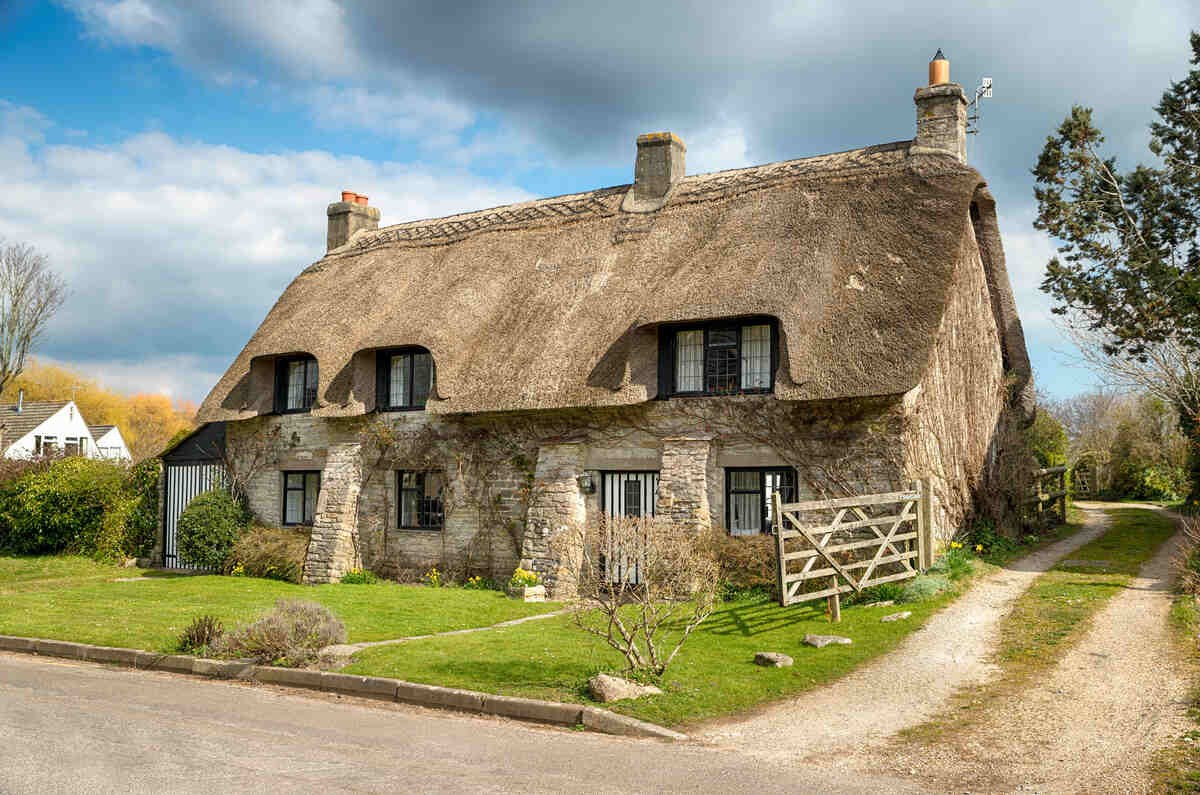
I spent my childhood in Africa, and a deeply etched memory is the smell of new thatch in cool rooms on a hot summer day. Thatch’s astonishing insulation quality is just one of its charming attributes. Built with no straight and rigid lines and replacing tight right angles with gently rounded corners, thatch creates an architecture reminiscent of a time when things moved a little slower.
Thatch is romantic, practical, long-lasting, sustainable and beautiful. If treated properly, it will last for decades. Here, we discuss the different aspects that influence the anticipated lifespan of this timeless roofing material.
The Lifespan of 4 Different Kinds of Thatched Roofs
| Water reed | 50 – 60 years |
| Wheat straw | 25 – 35 years |
| Long straw | 20+ years |
| Synthetic thatch | 20+ years |
1. Water Reed
Thatch has traditionally been made with natural materials, and water reed is regarded as one of the best and most durable sources. It grows on the edges of lakes and slow-flowing river sections, as well as in marshes and streams. Tremendously versatile, it is found in brackish and freshwater from the Arctic to the tropics. However, water reed is considered an invasive species in Canada, and Parks Canada has undertaken marsh restoration projects to remove it.
Suppliers of water reed in North America tend to import it from Europe, while suppliers from China offer a wide variety of different thatching materials. To find out how much thatch is needed to cover a roof, you can work on the guideline of a thatch layer between thirty and forty centimetres (13 to 15 inches) requires ten to twelve bundles of water reed per square metr
Don’t fall into the trap of using the area of the building as your coverage area. Remember thatch roofs have a reasonably steep pitch, normally 45° or more, so the area of thatch is substantially greater than the area of the building.
Get the Green Building Project Checklist
Use this handy checklist on your next project to keep track of all the ways you can make your home more energy-efficient and sustainable.
Roofs made with water reed tend to have a more regular appearance and are less rounded than roofs made with other thatching materials. Properly maintained a thatched roof made with water reed lasts 50 to 60 years.
2. Wheat Straw
Wheat straw has been considered a reliable and valuable thatching material for centuries. The advent of mechanical means to cut and later comb the stalks promoted a ready supply of roofing material. Combed wheat straw is versatile and flexible and can accommodate complex roof patterns. With regular and professional maintenance, a combed wheat straw roof should have a life expectancy of 25 to 35 years.
3. Long Straw
Like wheat straw, long straw is also a product of the wheat stem, but the preparation of the straws is different from the combing process. The more random orientation of the straws produces a roof with a more shaggy appearance. Long straw thatching is not as durable as combed wheat straw of water reed, but given proper and regular maintenance, it should last for at least 20 years.
4. Synthetic Thatch
Synthetic thatch aims to match the visual appeal of thatch but using artificially made materials that will not rot or fade. PVCs and HDPE recycled material are used to produce a product that some manufacturers guarantee will have a lifespan exceeding 20 years. If you have a problem with pest control, know that synthetic thatch is also resilient to pest infestation and can tolerate high winds.
Factors Affecting the Lifespan of a Thatched Roof
The four fundamental issues that influence the lifespan of a thatch roof are:
- The quality of the build and the skill of the thatcher
- The quality of the materials used
- Regular and professional maintenance
- Climatic conditions of the location and the roof aspect
The thatching material must be cleaned and cut correctly before fitting the foundation layer to the rafters. Subsequent layers of underthatch are fixed to the foundation layer, and finally, the weathercoat is fixed.
The thatcher needs to ensure that the pitch of the weather coat is sufficient to ensure that the water runoff is fast enough to keep the lower layers of the thatch dry.
The pitch of a thatch roof is generally a minimum of 45°. There is a compromise that needs to be closely watched, as a steeper pitch does support faster runoff, but it also adds to the square area of thatch required to cover the building.
The roof ridge requires close and diligent attention to ensure it is waterproof. Traditionally, clay and turf were the favoured materials.
Proper maintenance of thatching involves regular inspections to ensure that all debris is swiftly removed from the roof. Leaves, small branches and other organic matter should be cleared as they will promote moisture settling on the roof, which could encourage rot.
In some areas where the roof is shaded, algae and moss may develop. This can lead to a reduced roof lifespan as the cellulose in the thatch is a welcome food source for fungi.
Similarly, if wheat straw has been used as the thatching material, it may contain some wheat kernels, which could attract rats and mice. If rats and mice make themselves at home in the thatch, it’s essential to be certain that they have been removed before patching the damaged area; otherwise, serious damage to the thatch may result.
Some birds view thatching as an ideal nest-building material and can destroy sections of thatching in a remarkably short time. Protecting the thatch with wire mesh will increase its lifespan. However, do consider that insurance premiums may be increased if wire mesh is fitted, as it impedes the removal of burning thatch in the event of a fire.
Increase the Lifespan of Your Thatch With Professional Combing
A critical element of maintaining a healthy thatch roof is regular combing, which should be done every four to five years, depending on the climate and, naturally, the original quality of construction. Sometimes referred to as ‘brushing,’ it involves the removal of the decomposed end tips of the thatch.
The standard thickness of new thatch allows for two to three brushings without the need to replace any thatch; however, in areas where the compaction is too low, additional bundles may be added. Having the thatch correctly compacted is essential for waterproofing the roof and minimizing the threat of birds causing damage.
Applying Sealers and Fire Retardants
Thatch sealers offer support to extend the lifespan of the roof by waterproofing the thatch and preventing the growth of fungi. The sealer is applied every two to three years and significantly reduces the humidity levels in the thatch.
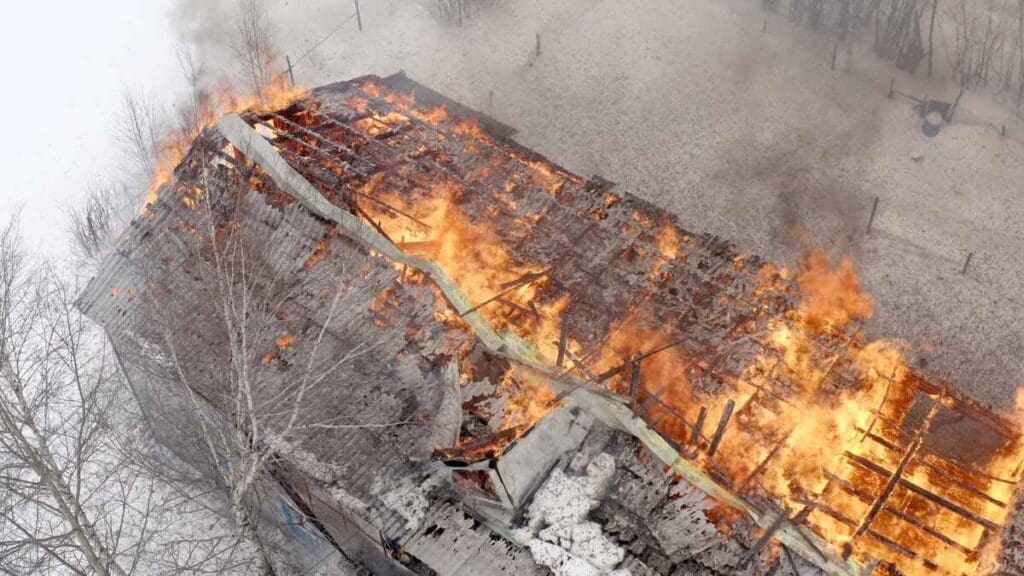
Fire retardants are applied to the outside of the thatch to protect the roof from embers or sparks. Insurers frequently specify that fire retardants be reapplied every four to five years.
In areas prone to lightning strikes, additional protection from the threat of fires caused by lightning may be necessary. Lightning poles or conductive materials fitted to the roof serve to divert the electrical current away from the thatch.
Ventilation
Part of the natural attraction of thatch (for me, anyway) is the visual appeal of the underside of a thatched roof. Here, you can see the foundation of the workmanship, the slightly irregular lines of natural materials used and the gorgeous smell of thatch.
Access to the underside of the thatch roof is vital because adequate ventilation in this area is critical to prolonging the life span of the thatched roof. Professional roofing guys will refer to this area as the roof void, and you should make sure that there is sufficient air movement in that area to prevent condensation. This requirement is made so essential because of the excellent thermal insulation qualities of a thatched roof.
Some Final Thoughts
I confess to being a hopeless romantic when it comes to thatch. Perhaps the memories of a free and easy African childhood taint my opinion, but thatch has a unique charm. It could be the idea of using a sustainable and natural product to keep the elements in check that make it so appealing. However, regular maintenance and reasonable care make for a wonderfully attractive, resilient roof that will outlast many modern alternatives.
Images from Depositphotos