
Climate change isn’t something happening on the other side of the world. It’s making an impact on all of us in different ways, even taking a toll on our homes.
Homeowners can suffer tremendous losses from climate change. According to the Globe and Mail, Canadian insurers will pay out over $2 billion “for climate-related catastrophes in Canada in 2021.”
In this article we’ll be taking a look at the natural disasters and adverse weather events that are increasingly happening in Canada as a result of climate change, and the affect they can have on a home’s exterior.
Floods
Floods rapidly damage homes, as water goes down the basement to create a pool of water and mud. The water is easily soaked up by the walls, making way for mould, which quickly deteriorates them and creates an unhealthy living environment for its occupants.
The major issue is that with that much water, simply letting it dry out won’t help since it’s likely gotten into cracks and crevices and will stay there for a long time.
The exterior is always hit the hardest. If the drainage system hasn’t been done correctly, collected water can deteriorate the foundation from the outside as well as the inside.
What can you do to protect yourself? Start by coating the lower parts of the house’s outside with hydro protective paint. If there are any wooden structures or wooden pillars, try putting some sheets of metal around them and reinforce your windows for starters. Make sure your property is graded to take water away from your foundation.

Get the Green Building Project Checklist
Use this handy checklist on your next project to keep track of all the ways you can make your home more energy-efficient and sustainable.
Snowstorms
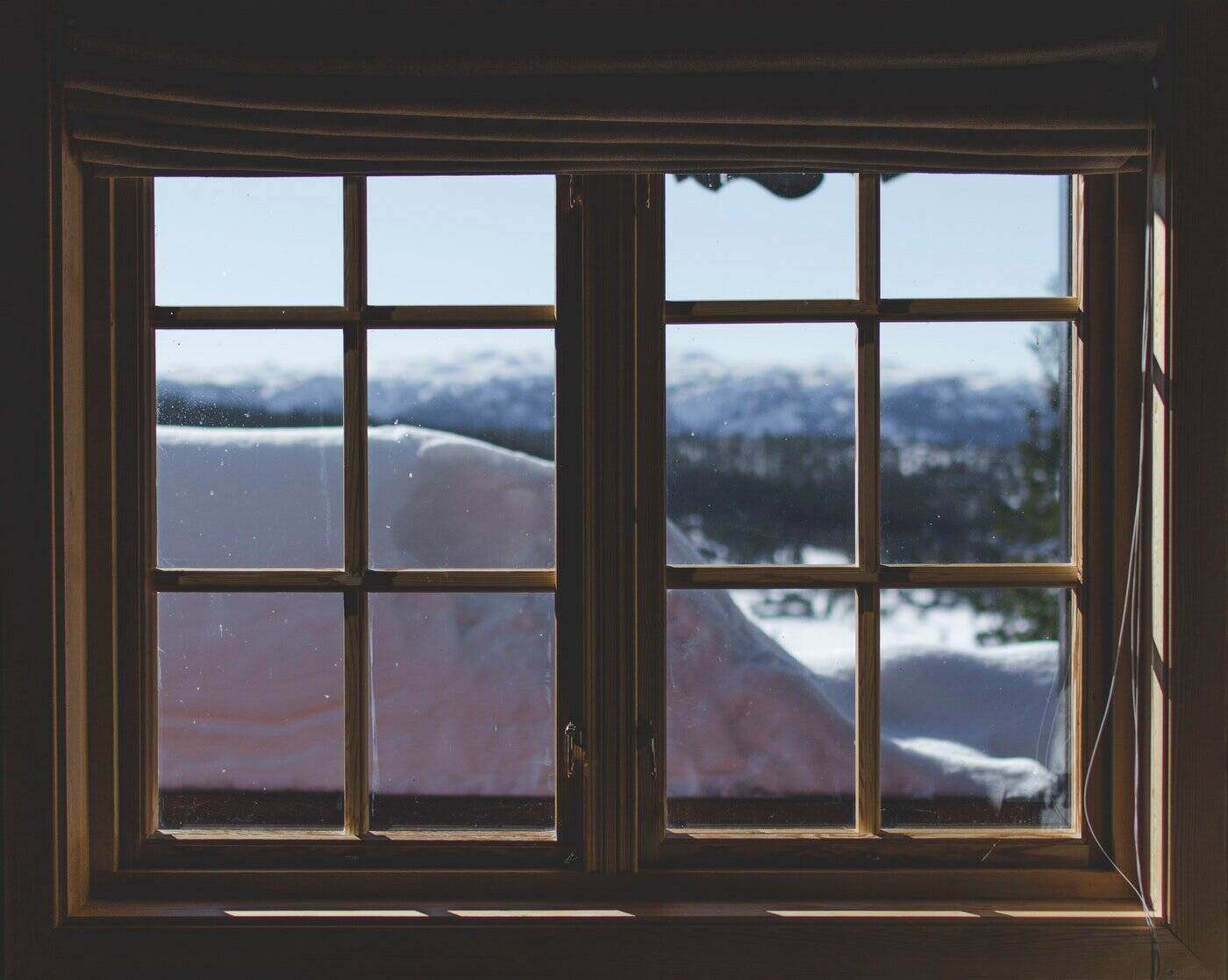
One expected effect of climate change in Canada is record breaking snowstorms and snowfalls.
There are connections between melting Arctic ice and increased snowfall in Canada and Alaska. Jet streams are the main causes of this connection. These narrow bands of strong polar winds are usually limited to the ice caps, yet the sudden melting and increased heat makes room for the wind to travel at a higher velocity and speed to the nearest areas.
Glaciers are also melting in Greenland, unbalancing the ecosystem and allowing for more snow than usual in surrounding countries.
You might ask yourself how this is relevant to your home, and the answer is the roof. Under the pressure of the snow, roofs are known to break, while high speed winds can peel parts of them off like a banana. Furthermore, after the melting starts, blocked drainage can lead to excess water in the attic if the roof has holes or cracks.
The problem with most roofs is that most people rarely have inspections once a year. An inspection will give you some insight if your roof needs reinforcing; for instance, if the shingles are damaged, or if roof tiles have broken, slipped or moved.
Storms
With the temperature going up, and with strong winds and rains, many people are suffering from blackouts and power cuts. Even major cities are at risk. This affects your electricity connections because storms can cause damage to exterior structures like the electrical mast or pipes leading to the meter.
Storms can also damage cables hanging outside, which are known to cause fires, as even a little spark is sometimes enough.
Protect yourself by calling an electrician once in a while to check the whole installation. Make sure you have some alternative power source in case power cuts become more frequent and last longer. Solar panels are becoming affordable now, and these are a great idea to consider.
Wildfires
Wildfires are ecological catastrophes causing the deaths of thousands of animals and the decimation of forests. And they’re only increasing with the increased heat and lack of rain in certain areas of the country.
In such cases, one can protect themselves by having fire escape stairs (if the building has multiple stories) as well as fire extinguishers in the house.
The damage wildfires can cause to a home’s exterior is more than obvious – if a fire is large enough, it can vapourize the house to ashes.
Fire-resistant insulation has proven to be an effective means of reducing the damage caused by fires, even leaving the interior intact. Also, fire resistant paint can also play a role in the preservation of your home’s exterior. Although it seems like a serious investment as it does not come cheap, it could be a life changer in such situations.
Feature image: Avi Werde; Image 1: Sindre Strøm