Home Wiring 101
Before Upgrading Your Electrical Supply Understand How It All Works and What to Watch For

In this weekly Q&A column, retired builder/building inspector Cam Allen answers readers’ home renovation questions. Have a question? Enter it in the form below.
At every community presentation we do on housing and the climate crisis we have a Q&A session at the end and invariably we get multiple questions on home wiring. When I began writing for GBC I expected similar questions, which has happened. Most questions reveal that, in general, homeowners find electricity daunting and in some instances downright scary. Electricity does need to be treated with respect, but with a little understanding there is no reason to fear a home service that we simply cannot live without today.
All of my inquiries coming to this column were renovation related so this week I will provide a basic understanding of electricity and an explanation of common main panel terms. Next week we will address the most common wiring issues I have seen over the past 50 plus years in the building and inspection business.
Some Electrical Terminology
AC – The electrical power coming into your home arrives by way of alternating current or AC as it’s called (that short form is also used for “air conditioning” so it pays to be aware of the context of the conversation). Electrical current moves through a home in a closed loop path called a circuit.
Voltage – Represents the electrical pressure that pushes that current (eg. the pressure your municipal water supply or water pump pushes the water to your home, measured in bars or psi)
Get the Green Building Project Checklist
Use this handy checklist on your next project to keep track of all the ways you can make your home more energy-efficient and sustainable.
Amperage – The flow rate of the electrical current (eg. how much water is actually flowing – a garden hose that is wider and unkinked has less resistance than a thinner or kinked hose so it allows more water to flow). The term you will hear most often is “amps.” This is the method used to measure that electrical current. Homes today, depending upon the size, generally have either a 100 amp or 200 amp main entrance electrical panel.
Wattage – The measure of power consumed by multiplying voltage and amperage (eg. the amount of work that water can do on a water wheel) You will see wattage ratings on many appliances, the higher the rating, the greater the heat capacity.
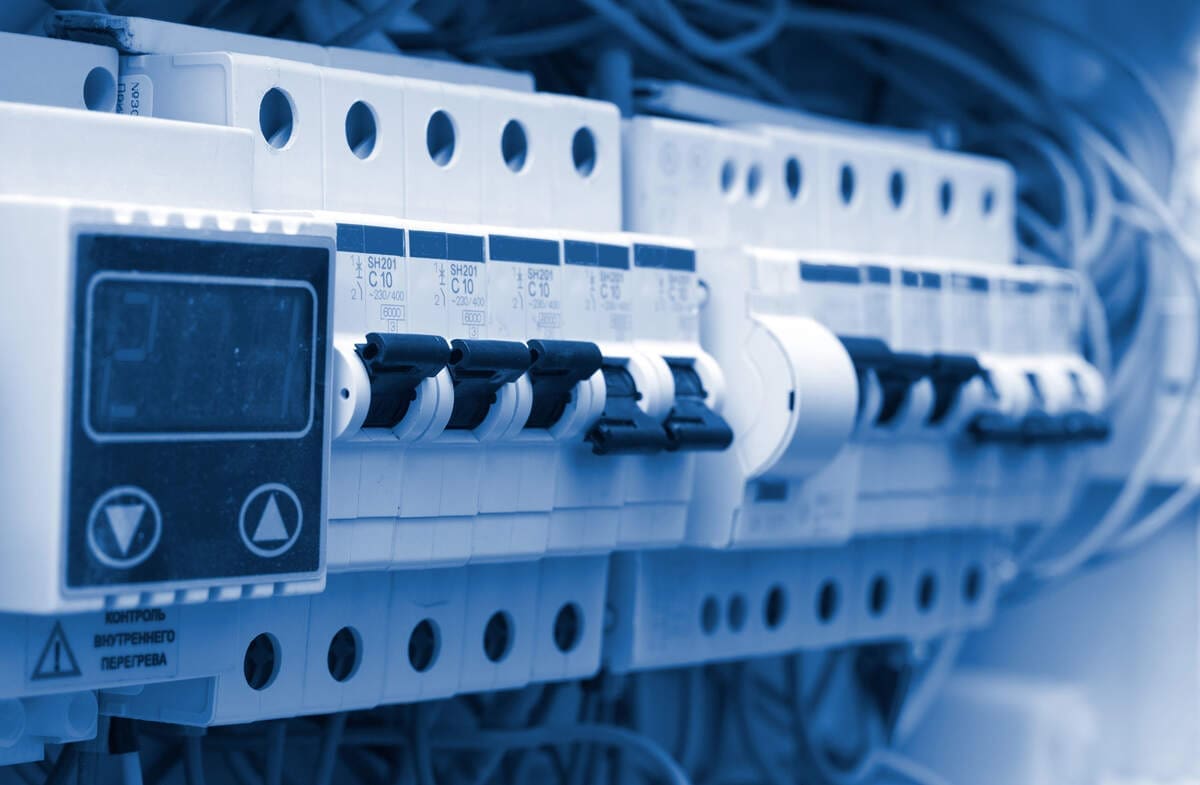
Fuse panel, breaker panel, main entrance and main disconnect – These are all terms used for the large metal box, generally located in your basement or garage that contains the main disconnect for the entire home electrical system. You should know where this box is and how to shut down all the power to your home in an emergency.
A Short History of Electrical Wiring in Canada
If you go back to the early days of home wiring the first electrical wiring arrived with a 30 amp main entrance. That quickly rose to a 60 amp main panel in the 1930s.
The 60 amp main entrance remained the most common size until the late 50s when the demand for electricity in homes pushed the hydro companies to provide 100 amp and then 200 amp became common by the late 80s in some areas.
Fuses, Breakers and Panels
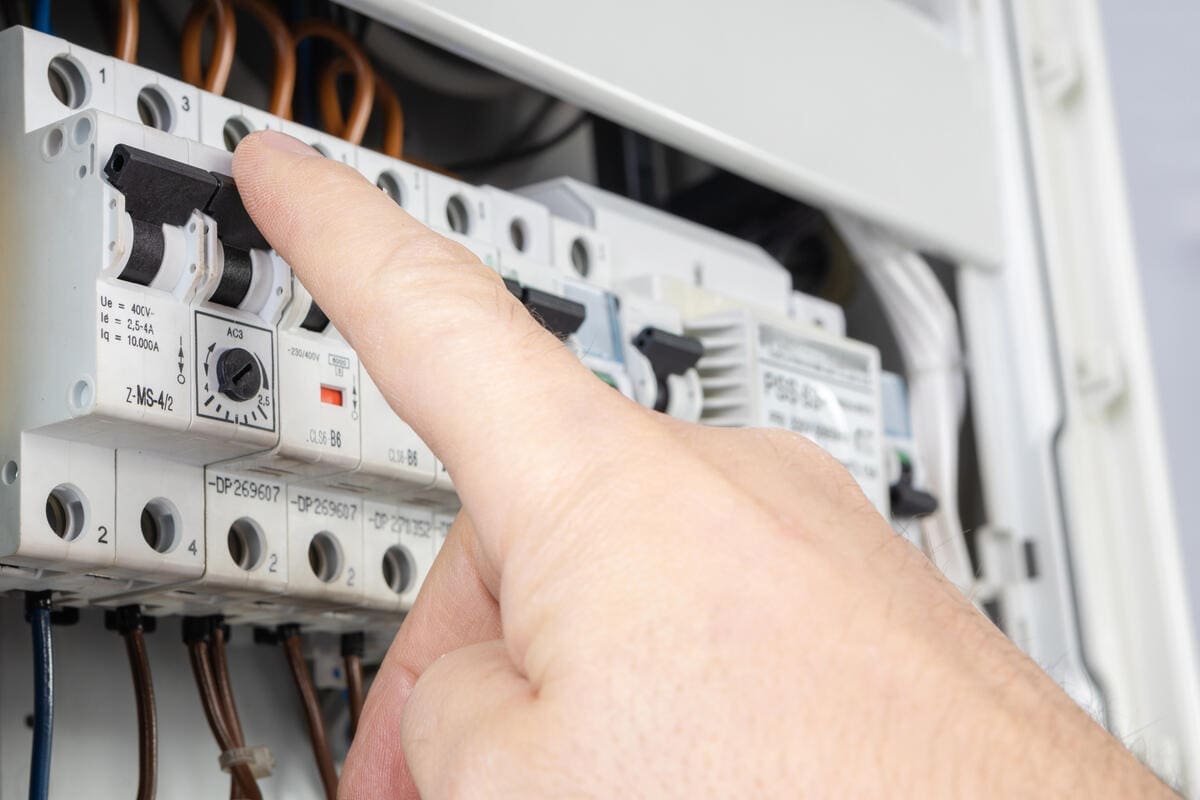
This main entrance or “panel” as is commonly called contains a number of connections that are called fuses or breakers. If your panel is older it will have fuses. These round glass fuses are sized for different amperage, with 15 amps being the most common for a regular home circuit.
Today, more and more home insurance companies are taking a hard line on fuse panels. The reason being is, some homeowners, when the fuse blows and they lack a fuse, a penny will make a temporary fuse. The other issue is if the circuit is fused at 15 amps and the demand for more power keeps blowing the fuse, it’s quite simple and easy to screw in a 20 or 30 amp fuse, seriously overloading the circuit. Hundreds of homes have caught fire due to this overloading. I know of no home insurance company today that will insure a home with a 60 amp service.
All modern panels break down the 100 or 200 amp supply coming to the panel by way of 2 “bus bars” in the panel. These two metal distribution bars each provide 120 volts. They are sometimes called a leg. A bar allows individual breakers to be push locked or screwed to the bar, providing the power the breaker was designed for.
An individual circuit breaker provides amperage as designated by the amp limit of the breaker. Breakers can be of various amperage and they are designated to limit the amperage they provide to operate an individual circuit. Most common are 15 amp but there are 20 amp single pole as well as 30 amp single pole. Appliances like your electrical stove, dryer and electrical hot water tank need more power so they operate with two pole breakers thereby giving the appliance 240 volt supply.
Now the term “voltage” surfaces and in this case the breaker takes power from both bus bars to provide 240 volt power which is controlled by the amperage size of the breaker. A single pole breaker provides 120 volt supply. Power is referred to as either 110 volt or 220 volt.
WATCH || Main electrical panel explained
Upgrading Your Electrical Supply
Alternating current (AC) is just that, the supply coming to your home can vary on average from 110 to 125 volt. I have seen rural homes on an older hydro supply where they tested out at 108 volt. This affected the performance of the appliances in the home significantly. If you are getting an upgrade done, the first thing I recommend is ask your electrician to do multiple “whole house” voltage tests over a period of time to confirm the supply. If this is noted, start with connections, type of wiring and size before you chase your hydro supplier.
Once you get past the main power panel if you are renovating a home, it often becomes a “what do we keep or replace” issue with respect to updating your branch wiring. The first consideration is if you have any of the original wiring known as knob and tube, it has to be removed… period. The next level of wiring was cloth/paper wrapped ungrounded 2 wire that was common until well after WWII. In fact the National Electrical Code did not mandate “whole house” grounded outlets until 1962.
If you are planning a major renovation everyone gets floor plans or layouts done where the appliances, fixtures and lights are going. Few take the time to draw up a complete electrical service floor plan. With media systems, internet and room-by-room usage we are consuming a lot more electricity today. Take the time to plan so you are not faced with extension cords and costly upgrades in the future.
Read more on this topic in Before You Go All-Electric: What to Know About Your Home’s Wiring
Images from Depositphotos
Have a Home Renovation Question?
Write it down below and we’ll get back to you. All questions get answered – every week, we’ll select one for publication in the column.