A History of Factory-Built Homes in Canada
Understanding Build Canada Homes Series (Part 1 of 3)

In this weekly Q&A column, retired builder/building inspector Cam Allen answers readers’ home renovation questions. Have a question? Enter it in the form below.
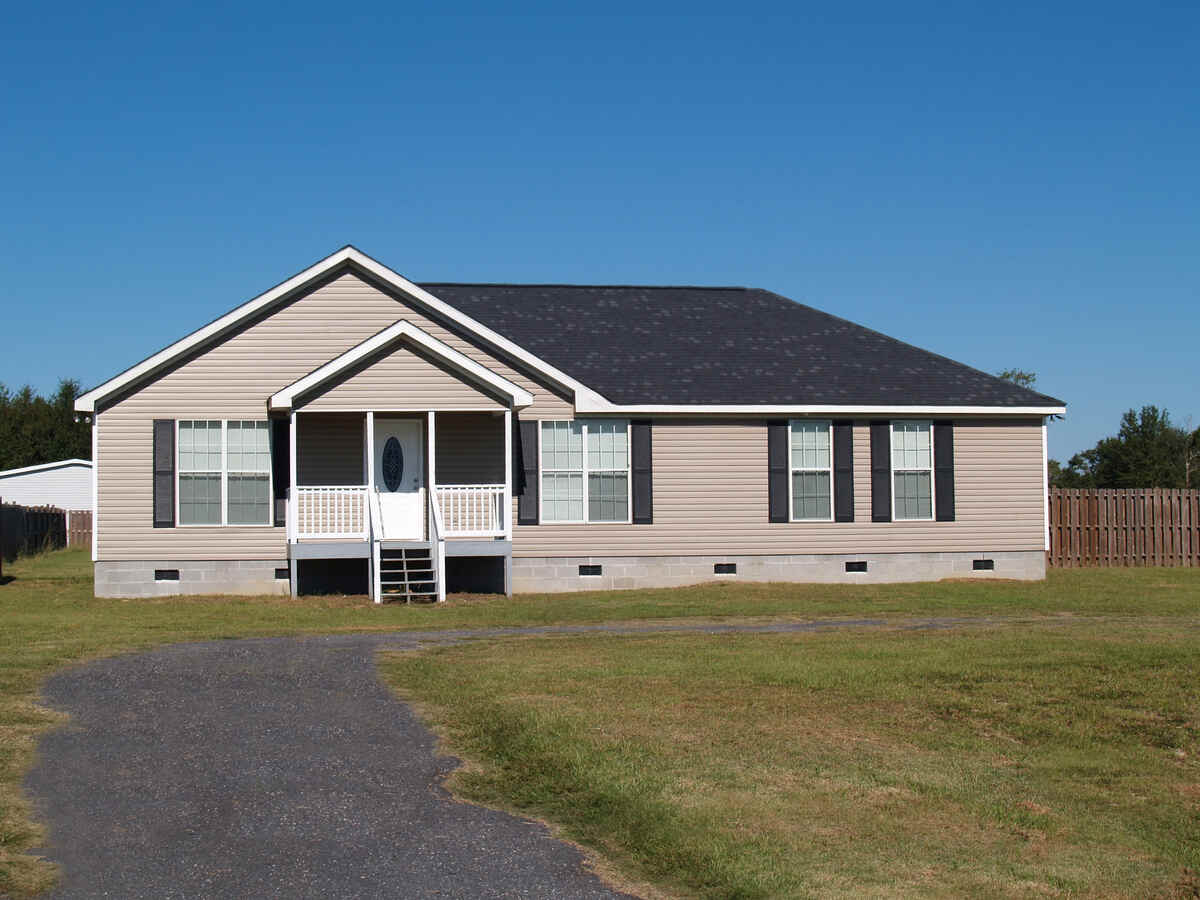
Since the federal government announced its Build Canada Homes program to increase affordable housing, I have had a few questions and comments regarding this. Now that the majority of the program has been released, it’s time to understand what the government is trying to do to help make affordable, energy efficient housing available to all Canadians. This article will be the first in a three-part series to help Canadians better understand Build Canada Homes and factory-built housing in general.
To start, a little history behind this kind of housing is worth understanding. In the past, it has had a “clouded history” and in some cases rightfully so.
Terminology of Factory-Built Homes and the Evolution of Wood Home Building
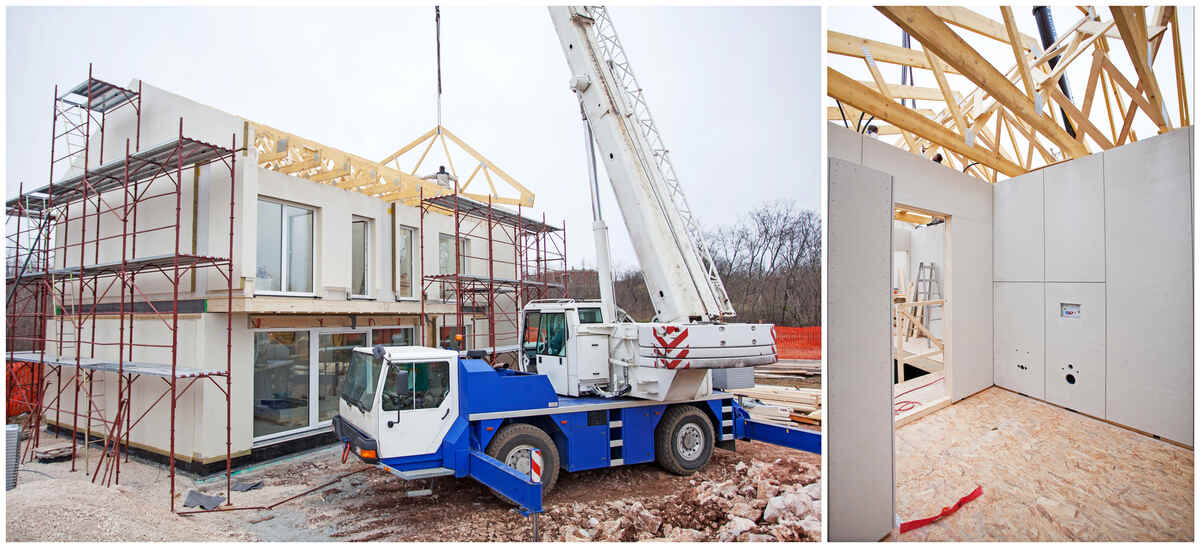
First, there is a long list of names attached to the kind of housing that is being proposed. Modular homes, prefab homes, manufactured homes, Ready to Move homes (RTM), kit komes, single wides and double wide homes are all terms used for homes or parts for homes that are assembled in a factory setting. There is a perception that this kind of housing is recent, as in after the Second World War. In actual fact this method of home building was common well before the First World War.
Conventional wood home building evolved from logs to post and beam to braced frame to balloon frame to stick frame, which is the method most often used today. It is also called platform frame and this term evolved from the United States in the 20s when homes were built with more than one level and each level was called a platform. This method is the most common residential assembly method used today, although it has evolved (eg. materials like wood “I” beams and laminated veneer lumber).
Get the Green Building Project Checklist
Use this handy checklist on your next project to keep track of all the ways you can make your home more energy-efficient and sustainable.
The First Kit Homes
I am going to date myself a little here but I remember when there was a major Canadian catalogue company called the T Eaton Co. They can be given credit for popularizing a kit home back in the early 1900s.
In 1910, Eaton’s began shipping complete kit homes from lumber mills in British Columbia and Manitoba directly to the home buyer via CN rail. These home packages, some 40 different models, were available to purchase starting at just under $1,000 delivered. If you wanted the blueprints that was an extra $2.50. Eatons would deliver this via rail to the closest railway station to where the home was going to be built and the buyer took over from there. They were a package of precut lumber, lathing, basic doors and windows, roof shingles, flooring, paint, stain and even the nails. Fancier windows, doors and some decorative moulding were available as options.
By the 1920s you could also buy a $180 package called the “Plumbing Outfit” that included the toilet, bathtub, sinks for kitchen and bathroom and a 30 gallon boiler for hot water. This option included all the fittings and pipes including the instructions. For $146, you could add a “Hot Air Heating Plant,” which was a furnace, registers and all the necessary ductwork and fittings. The majority of these kits were sold in the prairie provinces of Western Canada where lumber was in short supply. Eaton’s sold hundreds of these homes until the mid 1930s. Some of these homes still stand today, a testament to the Timothy Eaton Company and their foresight. One of their most popular models called the “Earlsfield” was reclaimed, rebuilt and is on display at the Western Development Museum in Saskatoon, Saskatchewan.
Eatons did not have a monopoly in kit homes, however. In the U.S, Sears sold over 70,000 kit homes. Their kit program was patterned after Eaton’s concept and a few did make it to Canada. The largest kit home supplier in central and eastern Canada was an American company from Michigan called Aladdin Homes. They set up shop in Canada late in WWI and actually built entire towns. Espanola, Ontario was one such town. It was started in 1920 with some 130 Aladdin Kit homes. Aladdin Homes remained in business in Canada until 1952 and continued selling kit homes in the U.S. until 1987.
Post WWII Victory Homes
The road to factory-built homes as we know them today was affected by two major issues, the great depression into WWII and the “Trailer Park” stigma of the 1970s. Right after WWII the demand for homes on both sides of the border caused the rise of kit homes again, only this time they were partially prefabricated. In Canada we had thousands of Victory Homes built to house the veterans coming home from the war. Entire subdivisions were built and in the U.S., complete towns were erected in the late ’40s and early ’50s. The largest increase in “housing,” however, was not kit homes but RVs and this spawned the early trailer parks. Unfortunately, the trailer park reputation as cheap, almost slum-like conditions in numerous locations, mostly southern U.S., became widely known and this stigma continued on to single wide trailer homes.
From Mobile Homes to Manufactured Homes

By 1958, in the U.S. they developed a code for single wide and double wide homes built on a flat-bed trailer chassis. Canada followed shortly thereafter using the USA Mobile Home Standards with one difference, all the electrical had to be CSA (Canadian Standards Association) certified. It became clear that the National Building Code and its provincial standards were not working for mobile homes, or single wides as they were called – manufacturers were building in one province and selling in another. It took until the early ’70s before a national CSA standard for mobile home assembly was recognized, in fact it took until 1976 to bring all provinces on stream. Known as the CSA-Z240-MH standard and the CSA also offered an “In-Plant” certification. This included 2×4 walls. In the past many were 2×3 wood studs, R-12 insulation and a 2×12 pitched roof, flat roofs were now frowned upon.
It took until 1989 for the industry to drop the term “mobile” in their advertising and some companies had actually changed their names. They all switched to manufactured home terminology with 2×6 walls being common, as well as insulated windows and vinyl siding that took away that metal wall “trailer” look.
By 1992, Alberta, who had led the way in mobile home regulations, demanded that all manufactured homes comply with their Part 9 building code. CSA had moved ahead with certification and the National CSA-A277 was updated numerous times to where today it is the base standard with most provinces linking it with their building code.
Next week I will explain the difference in the three major terms you will hear in today’s marketplace: modular homes, manufactured homes and RTM homes. These are the assembly methods that the Build Canada Homes program is requesting in order to produce more affordable housing in Canada. The kit home of the early 1900s has evolved to code compliant, quality, energy efficient and affordable housing.
Images from Depositphotos
Have a Home Renovation Question?
Write it down below and we’ll get back to you. All questions get answered – every week, we’ll select one for publication in the column.