The majority of people in North America have central air heating with a furnace, which heats the air and circulates it around the home via ducts and vents.
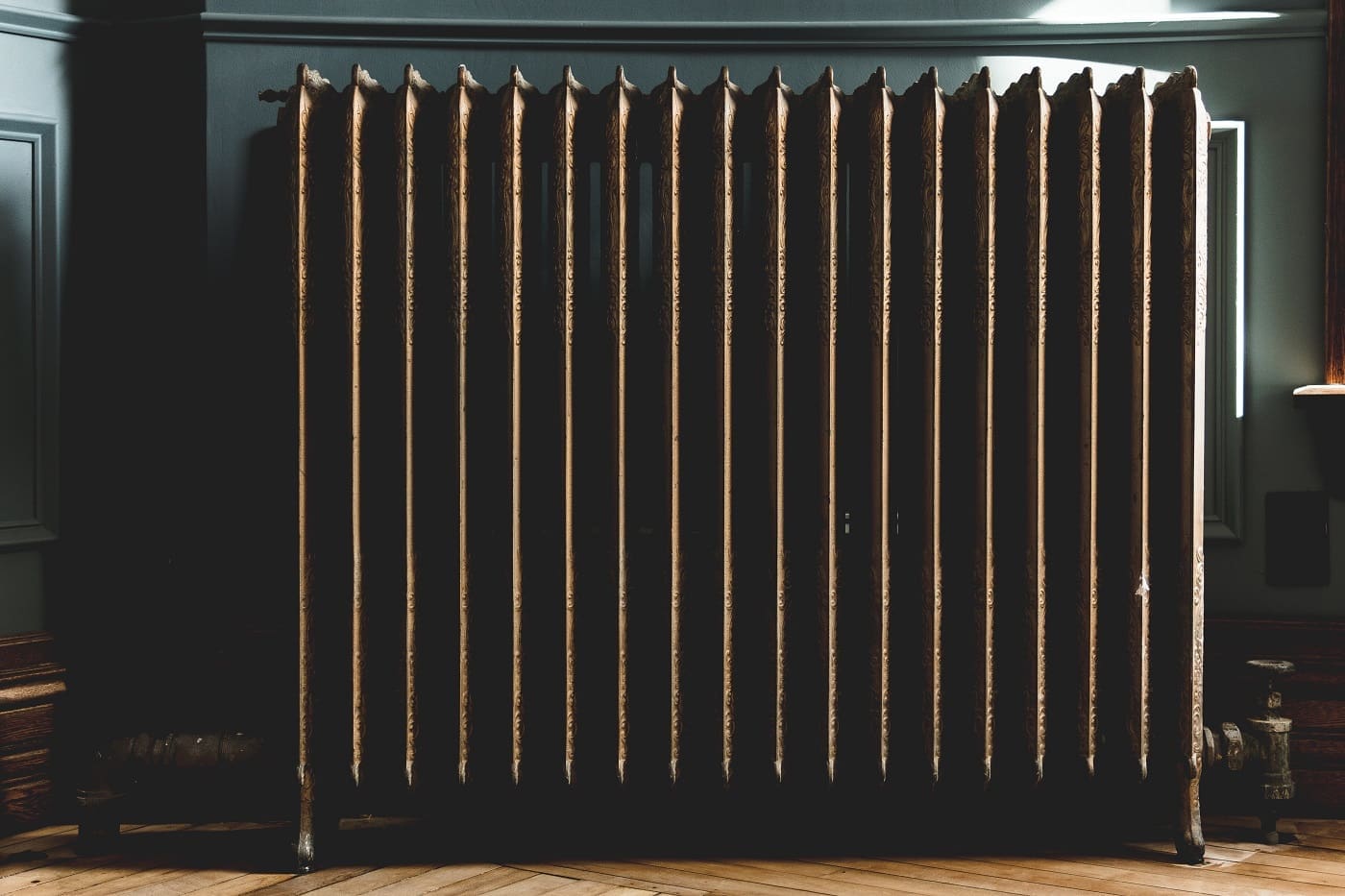
Another common heating method in older homes is a boiler, which heats water that then passes through radiators to provide heat. Vertical radiators offer a more efficient and space-saving solution. They are designed to emit a high level of heat and can be easily installed in any room, making them a popular choice for modern homes. Their vertical design allows for greater heat distribution, and they come in a variety of styles to suit any decor.
Alternatively, many homes may rely on electric baseboard heaters. These may be useful for heating one room, but are largely inefficient for heating an entire home, as a lot of electrical energy is required to produce the appropriate amount of heat (and this is costly).
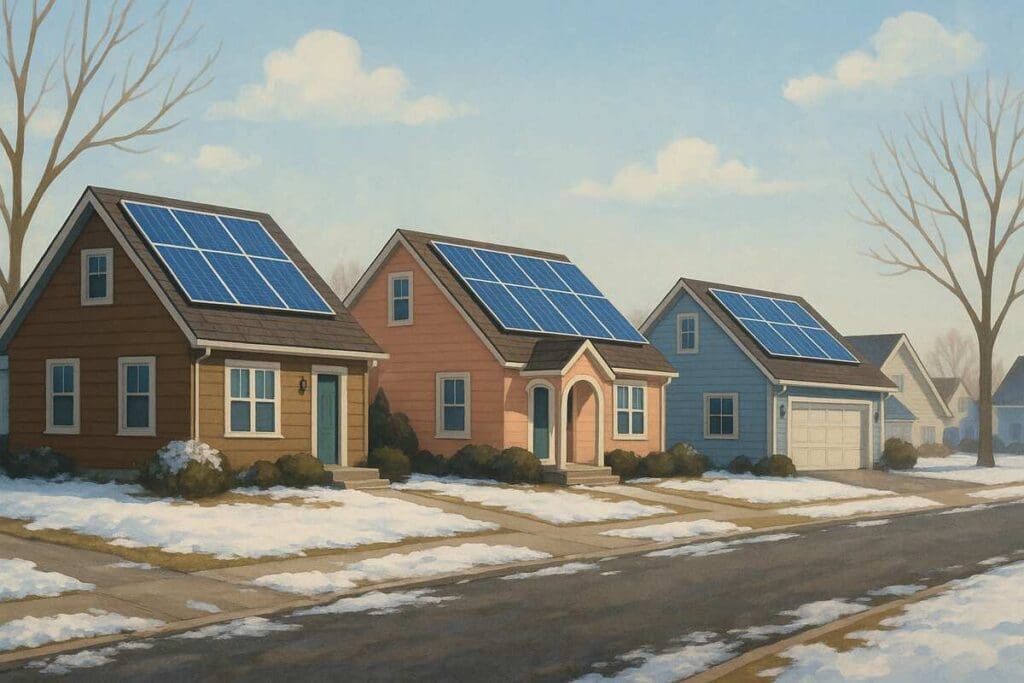
Less common (but more eco-friendly) options for heating an entire home include geothermal heating, air source heat pumps and active solar heating.
Geothermal heating works by making use of the more constant temperatures found underground to regulate the home’s temperature; cool air is exchanged for warmer air in cold seasons, and warm air is exchanged for cooler air in hot seasons. Air source heat pumps work a similar way except they heat/cool air rather than underground coils transferring liquid. Active solar heating uses solar power to heat liquid or air and then circulate it through the home.
Energy Sources: Electricity vs. Natural Gas
Homes are typically heated with either electric or natural gas energy sources. Electric energy is generally more expensive than natural gas (unless using efficient heat pumps).
Forced-air heating and boilers may be powered by natural gas or electricity. If you have an electric system, but natural gas is available in your area, then making the switch may not be very costly since the ductwork or radiators would already be installed.

Get the Green Building Project Checklist
Use this handy checklist on your next project to keep track of all the ways you can make your home more energy-efficient and sustainable.
You can also try to negotiate rates with your utility company, especially if there are multiple utility options in your area. Alternatively, some companies may offer the option of paying a set amount each month based on your previous usage, and then they’ll credit your account if you use less (but with this, be mindful that you’ll also have to pay for overuse).
Lowering Your Heating Costs
Here are 10 suggestions that will help you lower your heating costs. Many of these are applicable to everyone, regardless of how your home is heated and what energy source you primarily use.
1. Layer up!
Turning the heat down by just 2 degrees Fahrenheit can reduce your bill by five percent, so put on some cozy socks and add an extra layer, or snuggle up under a blanket. Put cozy blankets out for guests as well.
2. Make Sure Your Home’s Properly Insulated
Heat rises, so be sure you’re not losing heat to your attic by adding a radiant barrier. Check your windows and doors for drafts, and add weather stripping and caulking where appropriate. Even electrical outlets can leak air! A lot of leaks can easily be fixed with caulking or spray foam. Read How to Properly Air Seal Your Home for a more detailed look.
3. Open Window Coverings When Possible
Window coverings, such as curtains and blinds, can also help regulate the temperature inside your home and keep drafts from getting in. It’s best to keep these open on sunny days, though, to let the warm sunshine heat your home.
4. Monitor and Maintain Your HVAC System
Ensure that your heating system is properly maintained and that it’s running efficiently. Filters need to be cleaned and replaced, and vents need to be cleaned and cleared. Furnaces and hot water pipes should also be properly insulated to prevent heat loss. Remember to book tune-ups and maintenance as needed.
5. Upgrade to a Programmable or Smart Thermostat
These can adjust the temperature for you at different parts of the day. For example, lowering the heat by a few degrees at night when you’re snuggled under the covers can reduce your heating costs, and research has shown that cooler environments lead to better quality sleep. Win-win!
6. Consider Using a Space Heater
If you have a lot of unused space in your home, consider turning the heat down and using a space heater. While electricity is more expensive than natural gas when it’s used to heat an entire home, it’s more cost-effective to turn the heat down (or off!) and rely on a space heater.
7. Use Your Fireplace or Wood-Burning Stove
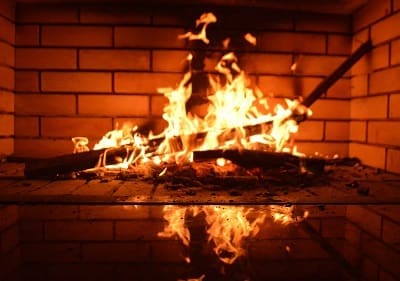
If you’ve got a room with a fireplace or a wood-burning stove, try rearranging your household activities so you can be closer to that heat source. The only cost for either of these forms of heating would be the cost of the wood or pellets burned inside.
8. Redirect Heat
Block or close heat registers and close doors to rooms that aren’t used, in order to redirect heat to the rooms that are being used more often.
9. Be Creative With Heat Sources
Be creative with other sources of heat in your home. When you’re using the oven to cook, leave it open to heat the kitchen. You may also want to leave the bathroom door open after a hot shower to let the hot, steamy air out as long as you can manage the excess humidity with a dehumidifier.
10. Investigate Switching Your HVAC System
Keeping in mind that natural gas is more cost-effective than electric baseboards you may want to consider switching to a boiler. Another option to save money that is also much better for the environment is to switch to heat pump. These do use a lot of electricity so it is best coupled with a solar PV system. There is a sizeable upfront cost you will have to pay for these new systems but those costs will pay for themselves over a period of time, with the savings you’ll reap from using less energy.
Want to Make a Bigger Change?

Geothermal heating is one of the most eco-friendly options for heating your home. There is a high upfront cost to it, but the savings on utilities that come with this method is unrivaled, and while it may take some time for you to make your money back, you’ll have the peace of mind that comes with knowing that you’re having a positive impact on the environment.
Additionally, once installed, the maintenance and repair costs for geothermal is typically much lower than those associated with traditional heating systems.