
In 2022, there were just over 700,000 heat pumps in Canada. A year later, this figure increased by 20 percent to 840,000. Aided by the federal government’s Oil-to-Heat Pump Affordability Program, that number continues to grow.
Air-source heat pumps are a lot more common than ground-source heat pumps (aka geothermal). So here, we’ll be focusing on air-source heat pumps. They come in two varieties: ducted and ductless. The latter is the more common and is typically wall-mounted. Bear with me for one more distinction because ductless air-source heat pumps also come in two varieties: mini- and multi-split.
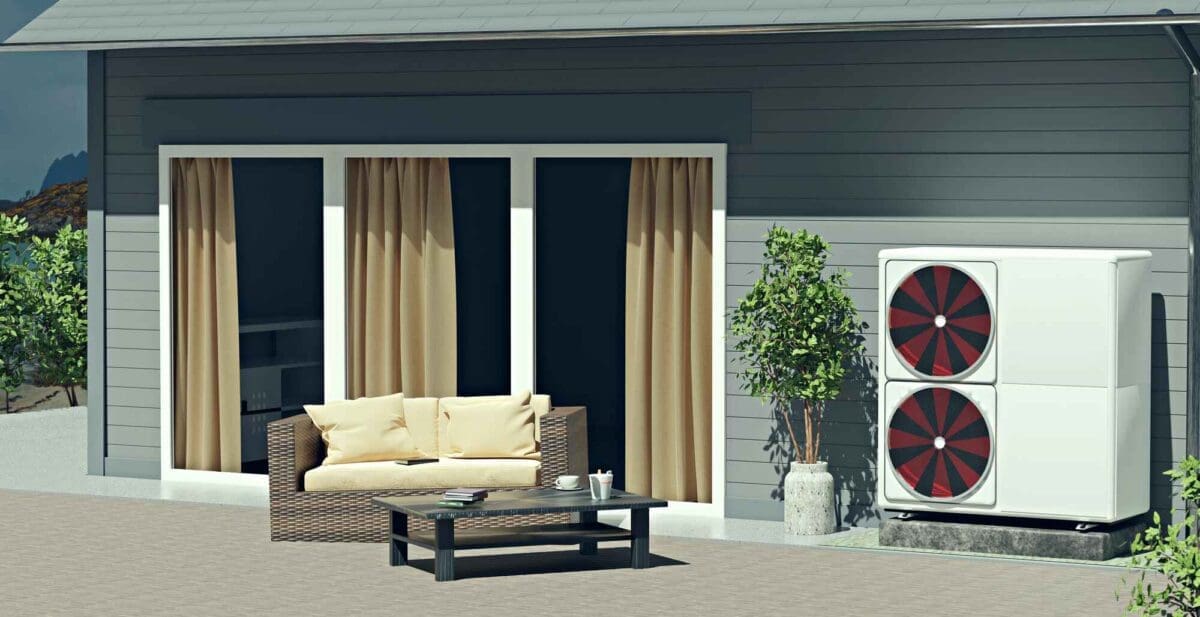
So, in particular, we’re focusing our comparison on multi-split ductless air-source heat pumps. While this is quite a mouthful, it simply means it’s a single outdoor heat pump that draws heat from external air and services a number of internal units.
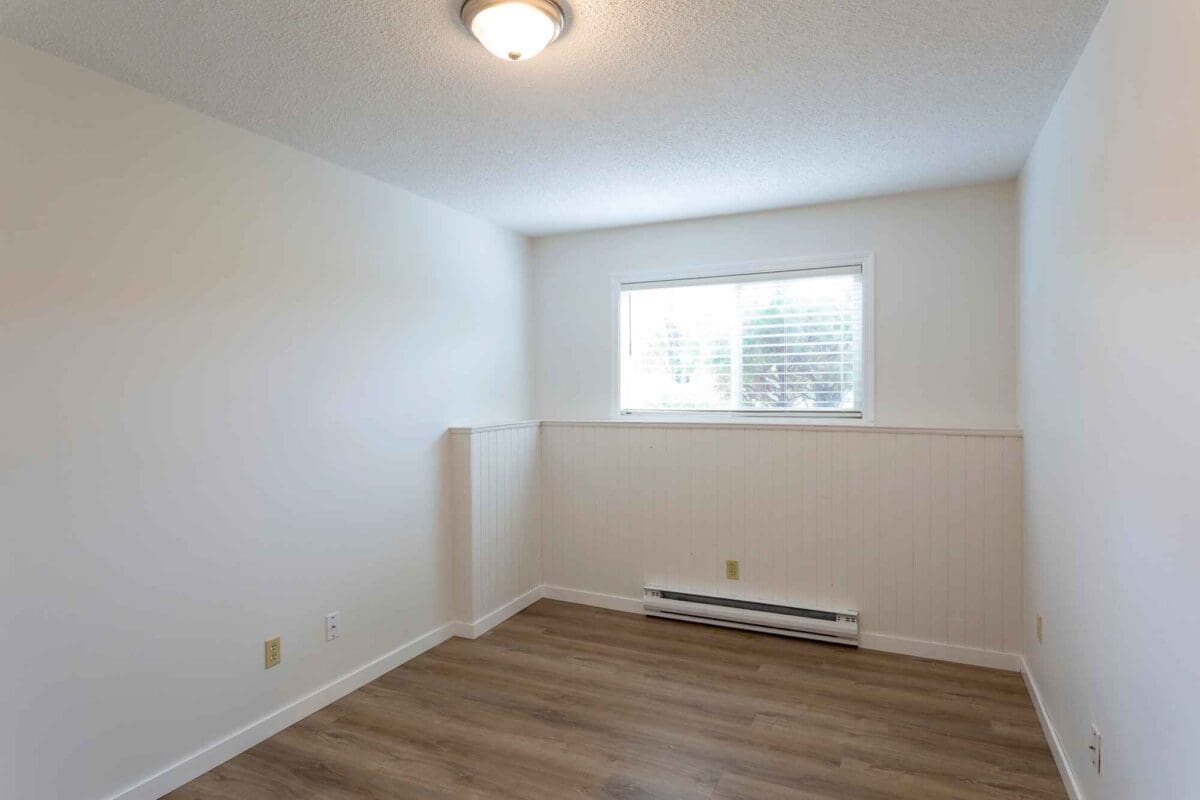
While options like hydronic baseboard heaters are available, the most common type is the electric baseboard heater, typically found in older-style homes, so that’s what we’ll be using here for comparison purposes. They’re easy to install and operate silently. You can expect to pay around $80 for a 1,000W unit and $170 for a 2,000W unit.
The price of electricity significantly influences the economic viability of baseboard heaters. They are supported in provinces where electricity is cheaper, like Quebec and British Columbia.
To compare the efficiencies of baseboard heaters to the air-source heat pump, we need to examine the respective COPs (Coefficients of Performance) briefly. COPs are the technical term used to quantify the difference between the input and output of equipment. So, a heat pump with a COP of 4 means that for every kilowatt hour of electricity used, 4 kilowatt hours of heat are produced.
Baseboard heaters’ COPs have an upper limit of 1. So, air source heating has a distinct advantage in terms of efficiency, but there is one more variable we need to consider. As the ambient temperature falls, so does the heat pump’s COP (for standard models), and at -8°C it ranges between 1 and 3. However, a new innovation in heat pump design called “cold-climate heat pumps” have pushed the limit of cold temperature operation to as low as -30°C (-22°F).
Heat Pump and Baseboard Heating Systems Compared
| Heat Pump | Baseboard | |
|---|---|---|
| Initial Cost | Higher | Lower ($80/unit/room) |
| Efficiency / Running Cost | Very efficient | Dependent on electrical cost |
| Maintenance | Annual maintenance | Minimal |
| Comfort | Fresh air, feels constant temperature | Toasty |
| Environmental | Low to moderate | Moderate to high impact |
| Installation | Professional | DIY / professional |
| Health | Filtered air, healthy | Dry air problems |
Get the Green Building Project Checklist
Use this handy checklist on your next project to keep track of all the ways you can make your home more energy-efficient and sustainable.
Installation Costs
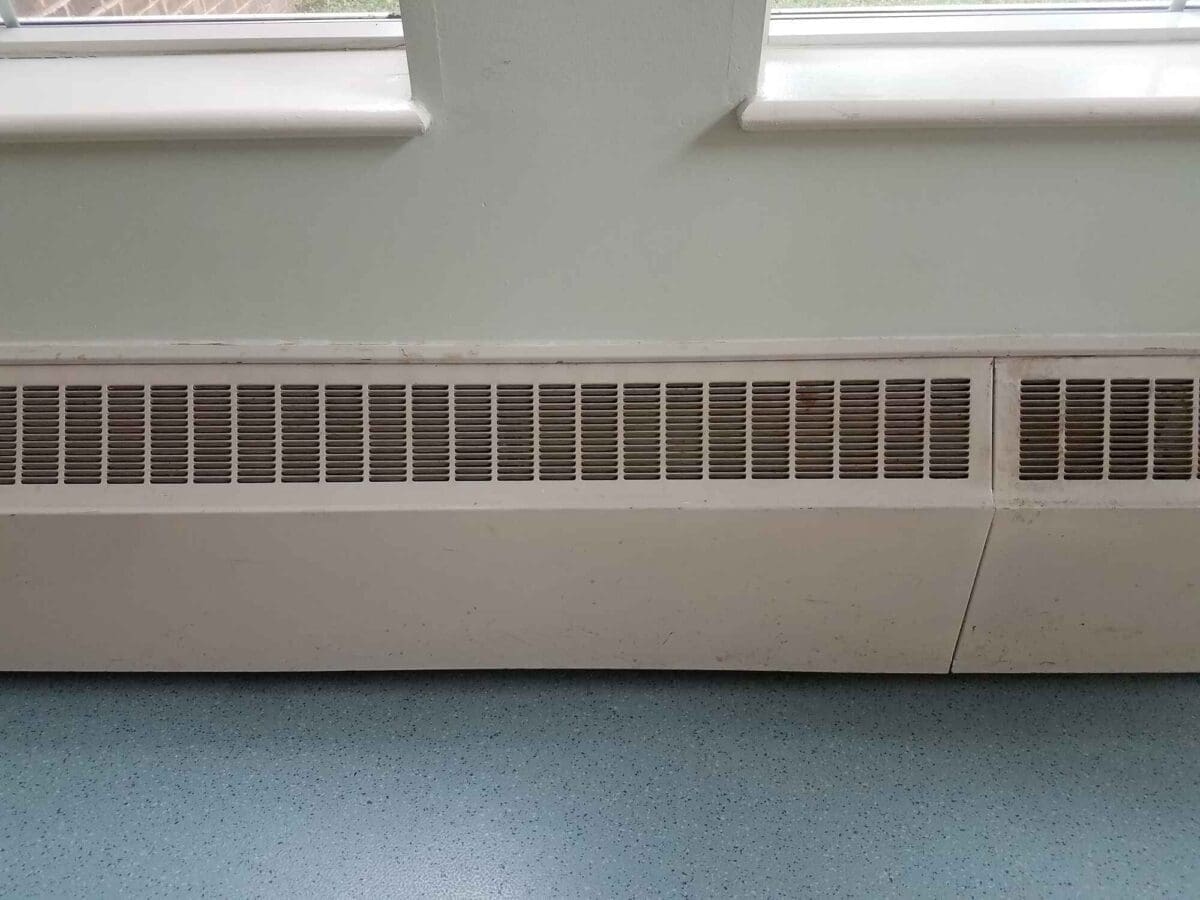
Baseboard heaters have been around for a considerable time and are relatively cheap. They’re also easy to install in rooms as needed, allowing for accurate zoning temperature control. If you can install them yourself, you can expect to pay between $100 and $200 per unit, but this price will rise to around $500 per unit if you hire a professional installer. The overall installation costs depend on the number of units required to heat the home.
A qualified electrician would be required if your home requires additional circuit breakers and wiring for the baseboard heaters. As most baseboard heaters include a thermostat, it’s easy to modify the temperatures in each room.
The average cost of installing an air source ductless mini-split heat pump ranges between $10,000 and $15,000, depending on the house’s size and the heat pump’s sophistication. A licensed technician is required to install air-source heat pumps to ensure compliance with building and safety codes as well as for warranty requirements.
Operating Costs
Heat pumps have a dual function of warming the air in winter and making hot summer days more comfortable by supplying cooler air to your home. Baseboard heaters only have a heating function, so to be fair, let’s treat the cooling function as a bonus for the heat pump option and compare the heating function of the baseboard against that of the heat pump.
The average cost saving of running a heat pump compared to baseboards is 40 to 50 percent of the energy bill. The significant variables that have a marked effect on the economy or both systems are:
- The annual range of ambient temperatures
- Home insulation efficiencies
- Cost of electricity
To calculate the operating cost of the baseboard heater, you need to know the room’s area in square feet. The heater requires 10 watts of power per square foot of room space, and every degree above 20 degrees Celsius will add additional electrical costs.
As a general guide, a baseboard heater running 24 hours a day will use about 300 kWh per month. While the relatively low cost of electricity in Quebec might make the cost bearable at around $30 per month, you can expect to double that bill if you live in most other provinces. Remember, this is the price per baseboard, so you will need to multiply this figure by the number of units in the house.
To compare this usage to an air-source heat pump, we need to make some assumptions about the environment in which it will operate. So, let’s assume an outside temperature range of -5 to -10 degrees Celsius and keep the room comfortable at 20 degrees Celsius. For the heat pump to maintain this temperature, it must work for around 70 percent of the time.
If the heat pump is rated at 1000 Watts (to simplify our math) and 70 percent of 24 hours is 16.8 hours, multiplying the two gives us 16,800 watt-hours. All we need to do now is divide that by 1,000 to get to kilowatt hours because that’s the units your electricity supplier will use, and our answer is 16.8 kWh. If we assume 30 days in the month and use the Quebec price for electricity, we end up with a monthly charge of just $40.
Maintenance Costs
Baseboard heaters have no moving parts apart from the switch, so maintenance costs are restricted to keeping the unit clean and perhaps repainting it if the original paintwork requires attention. If you are going to repaint the unit, make sure you select a heat-resistant paint.
It’s important to keep the electrical element free of dust to avoid strange odours from the baseboard heater.
An air-source heat pump requires annual maintenance, which should cost no more than $250 unless an unexpected breakdown has been found. You can help keep these costs to a minimum by regularly checking and cleaning the filters.
Other factors that influence the maintenance bill are:
- Location. Large metropolitan areas generally experience higher labour rates.
- Age and condition of the heat pump
- Average ambient temperature
Repair costs vary according to which part has failed, but they range from small items like fuses or thermostats, which cost less than $100, to expensive items like evaporator coils, which cost between $500 and $2,500 to replace.
Pros and Cons of Baseboards vs Heat Pumps
If it’s efficiency and cost-savings you’re after, heat pumps easily win this battle due to their high coefficient of performance – they use a lot less electricity to operate and, consequently, will cost you less to run in terms of energy (though they require annual maintenance which baseboard heaters don’t so they cost you more in that regard).
What type of ‘feel’ do you want in your home? If it’s the toasty feeling like putting your freezing hands close to the fire at a campsite, then baseboard heaters may be closer to your choice of heat source. However, if you prefer the more subtle and regular sensation of a stable temperature throughout the house, a heat pump should be your choice.
Baseboard heaters are located in low-visibility areas of the room, but because of the heat they produce, furniture and curtains must be a safe distance from them. Heat pumps are visible, much like air conditioners occupy outside spaces, and the ductless mini-split systems will have units visible in the rooms. I’m afraid it’s a question of pristine decorating versus dedicated room temperature control.
Because they have no moving parts, baseboard heaters are quiet, and under normal conditions, heat pumps should not acoustically intrude into the home except for the gentle tone of a quiet fan pushing out the air. Both systems are pretty good at keeping quiet. However, a failing heat pump will noisily alert you to attend to some much-needed maintenance tasks.
We’ve discussed each system’s financial pros and cons, but what about their respective impacts on the environment?
If your utility produces electricity without fossil fuels, baseboard heaters consequently won’t produce much greenhouse gas pollution. However, if that electricity was produced with hydroelectricity, greenhouse gas emissions are still a factor due to decomposing organic matter in reservoirs. As well, hydro has a host of other environmental impacts like loss of biodiversity, changes in water temperature and alteration of river ecosystems.
Heat pumps take more energy to manufacture since they’re more complex equipment, but when you add up the number of baseboards you’d need for each room, the costs could even out.
Heat pumps do use a lot of electricity, but their efficiency in converting electrical energy into heat sources (and cooling) makes them a far more environmentally friendly choice.
Heat pumps have allowed consumers to benefit from an exceptionally efficient, reliable and long-lasting resource, creating a sustainable method of controlling interior temperatures in an environmentally responsible fashion.
Images from Depositphotos

Thanks for your excellent write up about heat pumps vs electric baseboard heaters. I found it very informative and also relatively easy to understand. Certainly the most helpful information I have found online, from a laymans perspective.
Regarding rebates and grants available for costs of converting to heat pumps, there are numerous online sources of information from Canadian Federal and Provincial governments (I live in BC), which are not always very straightforward. Do you have any plans to tackle the daunting task of putting this information together in one place on your website?
Hi David, glad you found the article useful. About the rebates, yes, we were thinking the same thing so we’ve been in the process of revamping our existing Incentives guide to turn it into a more comprehensive guide that also provides information in a more user friendly way. You can see the existing page here: https://greenbuildingcanada.ca/green-building-grants-incentives/
We’re open to ideas to better tailor that guide according to users’ needs. What kind of information in particular are you looking for? Do you want the details of how to apply for each rebate or just a comparison of the different incentives that are available (and presented in an easy to find way)?