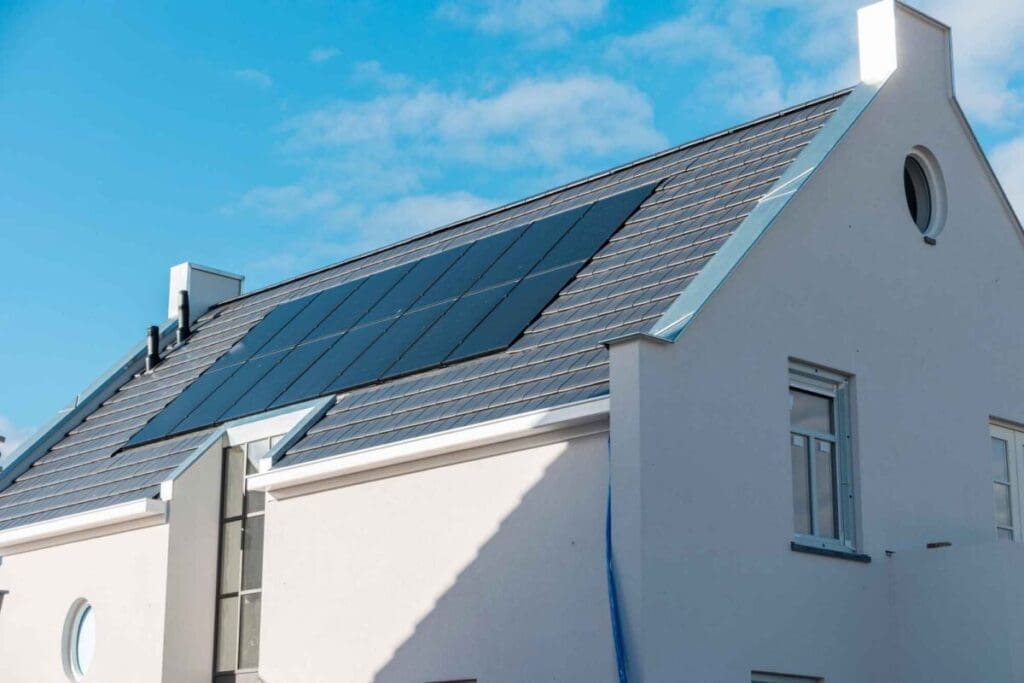
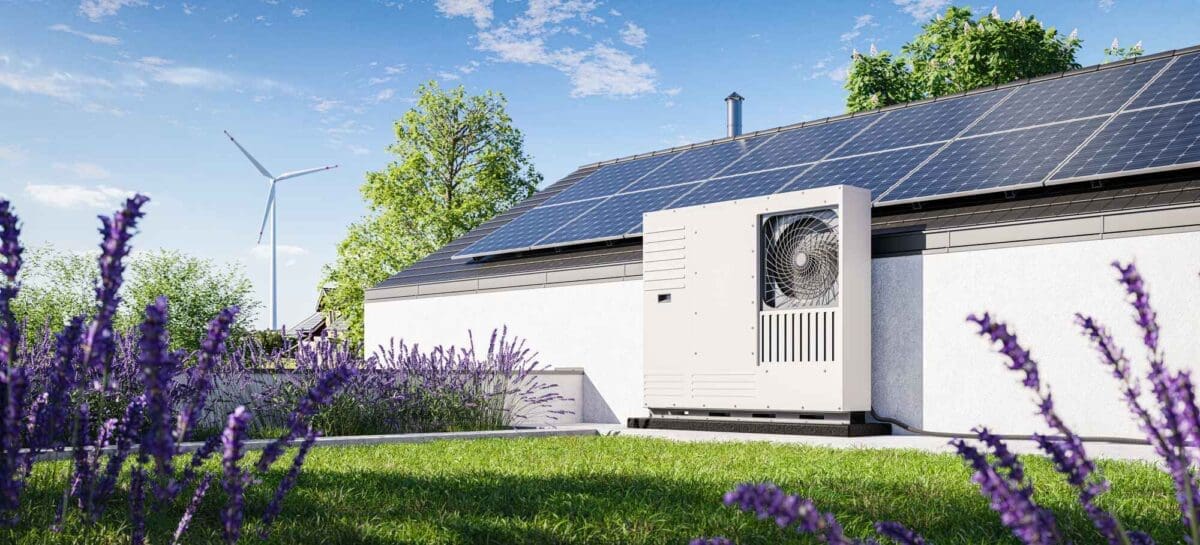
With advancements in technology and economies of scale, solar-powered heat pumps have emerged as a solution for buildings to produce heating and cooling sustainably, and at an affordable price. By harnessing renewable solar energy to power heat pumps, you can significantly reduce your carbon footprint while enjoying long-term savings on energy bills. This article explores how these technologies can work together, highlighting their functionality, benefits, drawbacks as well as some general information on how to choose a system.
How it Works
Heat pumps function by extracting heat from the air, ground or water and transferring it indoors or outdoors, depending on the season. They are highly efficient at heating and cooling, able to deliver four units of heat for every one unit of electricity consumed. However, that efficiency comes at a cost as these systems gobble up tons of electricity.
However, heat pumps can be an even more environmentally friendly solution for your home if you have a good way to generate electricity. By harnessing solar energy to power heat pump systems, you can achieve eco-friendly heating and cooling for your home as long as you have enough solar panels and battery storage to generate and store the necessary amount of electricity. If that’s not possible, you could opt for a hybrid system that covers part of your home’s heating with the heat pump and the gas furnace is used for the remainder.
How Many Solar Panels Do I Need to Power a Heat Pump?
Determining the ideal number of solar panels first depends on the size of heat pump you need, which is a whole other topic with a number of considerations to take into account such as the house’s size and climate. For more info on heat pump sizing read this guide from NRCan.
In general, an average house in southern Ontario of 2,000 square feet that’s of moderate efficiency (average level of insulation, double-pane windows, average airtightness) will require a heat pump of about 3 to 4 tons (36,000 to 48,000 BTU or 10 to 14 kW).

Get the Green Building Project Checklist
Use this handy checklist on your next project to keep track of all the ways you can make your home more energy-efficient and sustainable.
Heat pumps of those sizes operating in southern Ontario will use about 6,000 to 10,000 kWh of electricity per year, depending on how warm you keep the house, outside temperatures, house’s efficiency, if you use it for domestic hot water, if you use it for cooling, how much of the year you use it for, your heat pump’s efficiency and how well your system is maintained.
Solar Insolation Map of Canada
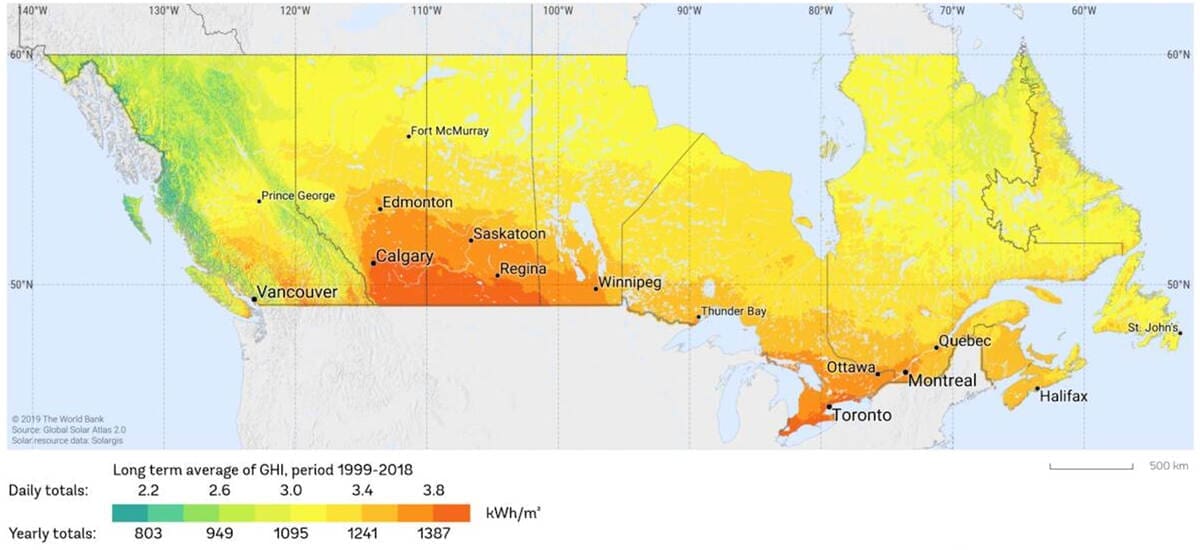
To get that amount of electricity from solar panels you’d first have to determine how much solar energy your region gets (solar insolation – see above map). If you live in Toronto, you’d get about 1,300 – 1400 kWh/m2 so quite a bit higher than the west coast, but lower than the prairies. Using that example, you’d need about 5 to 8 kW of solar capacity to run your heat pump, which is about 10 to 15 solar panels. When you consider that the heat pump is just one appliance running in your house you’d need to size quite a large solar PV system if you want to account for all your other electricity usage.
What Are the Benefits?
1. Reduced Carbon Footprint
Using renewable solar energy in conjunction with heat pumps presents a significant opportunity to reduce carbon emissions. Conventional heating and cooling systems rely on fossil fuels, such as natural gas or oil, which contribute to greenhouse gas emissions and environmental degradation.
By utilizing energy from the sun to generate electricity for heat pumps, you can effectively decarbonize your heating and cooling processes.
2. Cost Savings
One of the most compelling benefits of solar power and ground, water or air source heat pumps is their potential for long-term cost savings on energy bills.
While the initial investment in solar panels and heat pumps is higher than traditional heating systems, the operational costs over time are significantly lower. That is particularly the case if you take advantage of the many incentives that are available. Solar energy is essentially free once the system is installed, allowing homeowners to offset or even eliminate electricity expenses associated with heating and cooling.
As energy prices continue to rise, solar-powered heat pumps offer a financially prudent alternative, providing you with predictable and sustainable energy costs for years to come.
3. Energy Independence
Generating electricity onsite through solar panels grants homeowners greater autonomy over their energy supply. By producing your own electricity, you become less reliant on external energy providers and the grid infrastructure. This energy independence not only enhances self-sufficiency but also insulates homeowners from fluctuations in energy prices and supply disruptions.
During power outages or emergencies, solar-powered heat pumps can continue to operate, providing comfort and security to households even when grid electricity is unavailable. This resilience and self-reliance contribute to a more robust and sustainable energy ecosystem.
4. Environmental Impact
The integration of solar panels and heat pumps has a profound positive impact on the environment by promoting renewable energy usage. Traditional heating and cooling systems often rely on non-renewable resources, depleting finite reserves and causing environmental harm through pollution and resource extraction.
In contrast, solar-powered heat pumps harness clean, abundant sunlight to meet energy needs, minimizing ecological damage and preserving natural ecosystems. By embracing renewable energy solutions, homeowners play a pivotal role in advancing environmental conservation efforts, safeguarding biodiversity and mitigating the adverse effects of climate change.
What Are the Downsides?
High initial costs – Installation expenses for solar panels and heat pumps can be substantial, deterring some homeowners from adopting this technology due to the financial investment required.
Space requirements – Roof space limitations may restrict the installation of a sufficient number of solar panels, thereby limiting energy generation capacity and efficiency.
Seasonal variability – Solar energy production fluctuates with seasonal changes and weather conditions. In the winter, less electricity is produced at a time when heat pumps will require the most electricity for heating.
Grid reliance – Despite utilizing solar energy, homeowners may still depend on the grid during periods of low solar availability, undermining complete energy independence and self-sufficiency.
Deciding on Solar-powered Heat Pumps and Supplementary Technologies
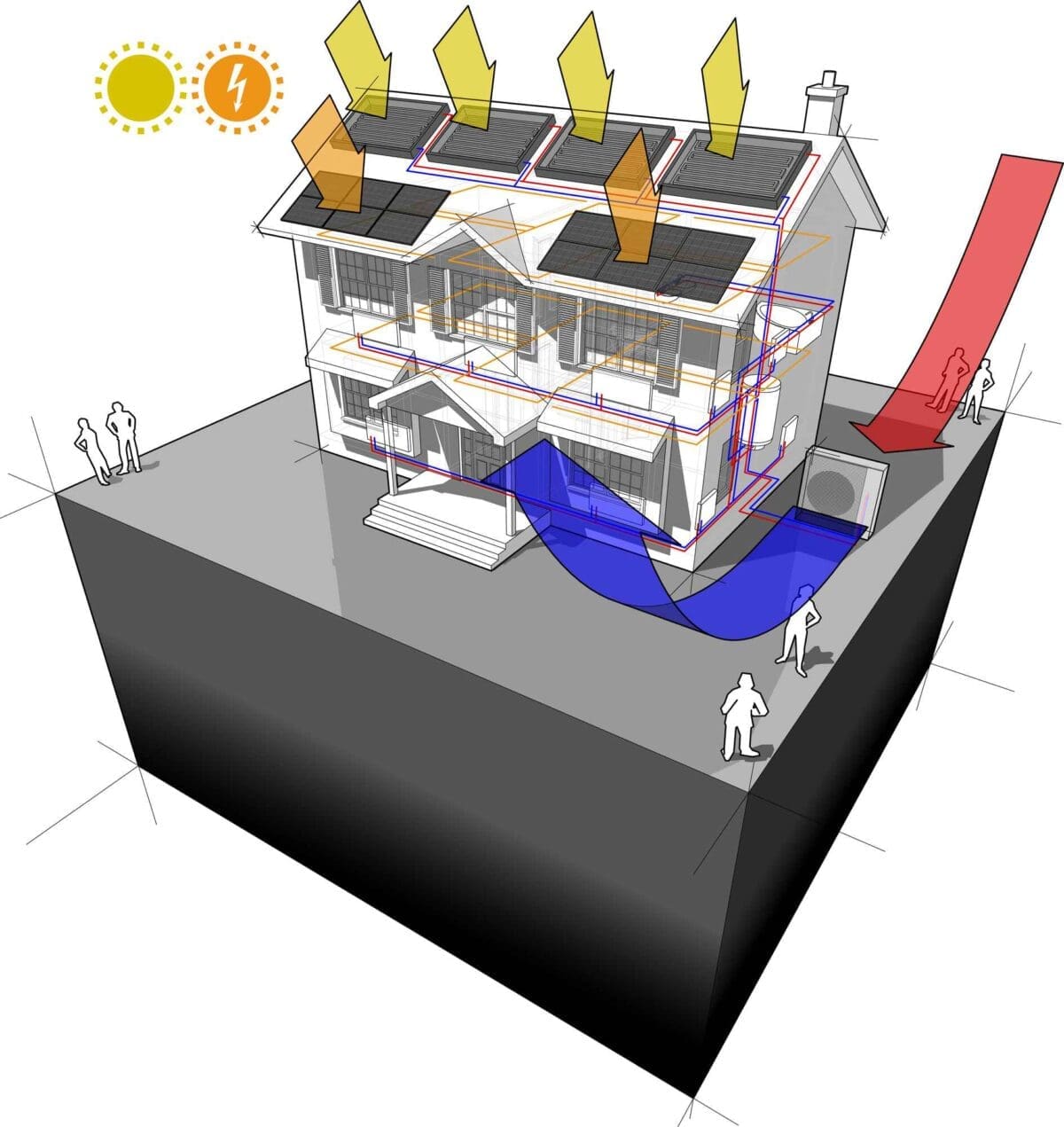
To optimize solar panel integration with running a heat pump, consult with professional installers to assess your energy needs and to design a system tailored for you. Through this process you’ll learn the details of what’s needed. If you have the time, do further research into particular models and setups so you can make an informed decision on the systems that are presented to you.
There are a lot of factors to consider both for your solar PV and your heat pump. For the solar PV you’ll have to think about where to locate your solar panels (e.g. if you have the right orientation on your roof), solar insolation for your location and choosing between different kinds of solar panels to maximize energy generation. Then there’s a whole host of other concerns like warranty, maintenance, reliability and so on.
Deciding on a heat pump requires even more consideration than solar photovoltaic systems. To decide on a heat pump you’ll have to think about the right size you need, whether you want it to also produce domestic hot water, how the heat pump will hook into your building’s HVAC system, the type of refrigerant used (some are more flammable and worse for the environment than others), among other thoughts. Then you’ll want to think about how much of the heat pump’s electricity usage you want to be generated from the solar panels and then size the solar system accordingly.
Consider incorporating supplementary technologies like battery storage to store electricity for cloudy periods, solar thermal panels for producing hot water for months when you would otherwise not be using your heat pump or solar PV immersion controllers to divert electricity production to heating domestic hot water.
Combining solar panels and heat pumps is a fantastic way to reduce your house’s carbon footprint and save costs in the long-term. You can even choose to turn your home all-electric and get it off fossil fuels completely. With a number of incentives available, ever improving technology and lowered prices, now is a great time to make the change.
Get a Quote from a Solar Installer Near You
The following information helps us to find the best local professional to complete your project. You will be contacted by email shortly after submitting the form.
Get a Quote from a Solar Installer Near You
The following information helps us to find the best local professional to complete your project. You will be contacted by email shortly after submitting the form.