Heat Pumps 101
Heat Pump Basics and Operating Tips

In this weekly Q&A column, retired builder/building inspector Cam Allen answers readers’ home renovation questions. Have a question? Enter it in the form below.
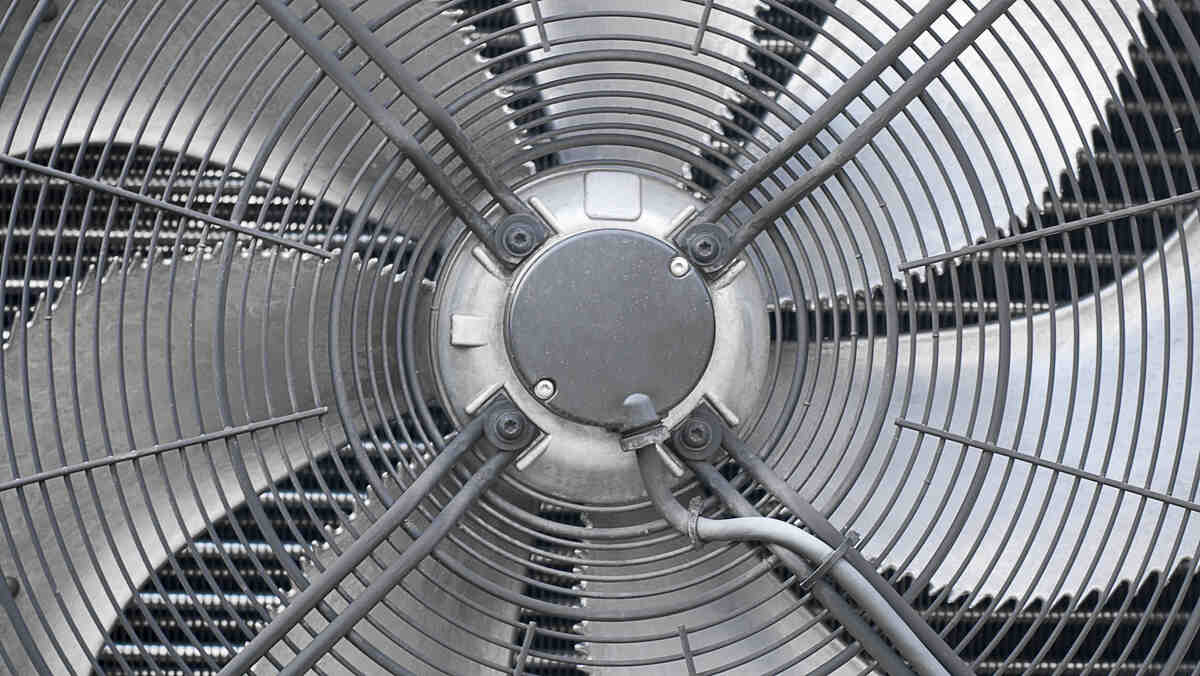
Last week we looked at heating systems in general and finished with a brief introduction to heat pumps. Heat pumps, both air and ground source, are recognized as, currently, the most efficient method of zone or central heating worldwide.
A Brief History of Heat Pumps
First, a quick history of heat pumps as I often get, during our group presentations, the comment, “these are a really new heating method” or “they are very expensive”. The fact is, the first heat pump of its kind was invented in 1856 by an Austrian named Peter Von Rittinger. He was looking for a way to use water vapour for evaporation for salt brine. He was attempting to dry salt from the salt marshes in Austria. The first practical air source heat pump was invented by a British gent John Sumner in 1945.
The technology grew very slowly and it was not until the oil crisis in the 1970s that governments and companies started to emphasize the development of heat pumps. The Europeans led the way – by the 1990s Swedish and German homes by the hundreds were heated with heat pumps. By 2008, the small country of Switzerland had over 45,000 homes using heat pumps. In the United States they picked up on this technology quicker than we did and only in the past 10 to 15 years have heat pumps become popular in Canada, especially with the development of cold-climate heat pumps.
Types of Heat Pumps

Get the Green Building Project Checklist
Use this handy checklist on your next project to keep track of all the ways you can make your home more energy-efficient and sustainable.
There are two methods of heat pumps (don’t get hung up on all the terminology). Air source is the most common and cost reasonable and then there is ground source.
With an air source system, you can use your existing ducting to become a whole house heat pump system and use your furnace as a backup for any unexpected or extreme cold.
If you do not have a ducting system, then a cold-climate multi-head mini-split system works well, These systems have “heads” which are wall mounted modules that are individually zone controlled. I have seen mini-split systems with as many as 8 heads.
As an example, my residence is a heritage home, 2 storeys high. We have a 10-year-old ducted natural gas furnace. When we elected to add air conditioning a few years ago, I passed on a conventional cabinet A/C unit and installed a mini-split system instead.
We now have 2 heads with control over the comfort on each level of the home. Fortunately our main level is an open concept for one head. The other unit is located on the second floor where we have two bedrooms and an open office area. We passed on the basement as it’s cool enough in the summer and too divided up for a head to be efficient.
We use the furnace for a quick heat if needed and where we live in Ontario with the climate crisis, unexpected extremes in winter temperatures are becoming more common.
Heat Pump Operating Tips
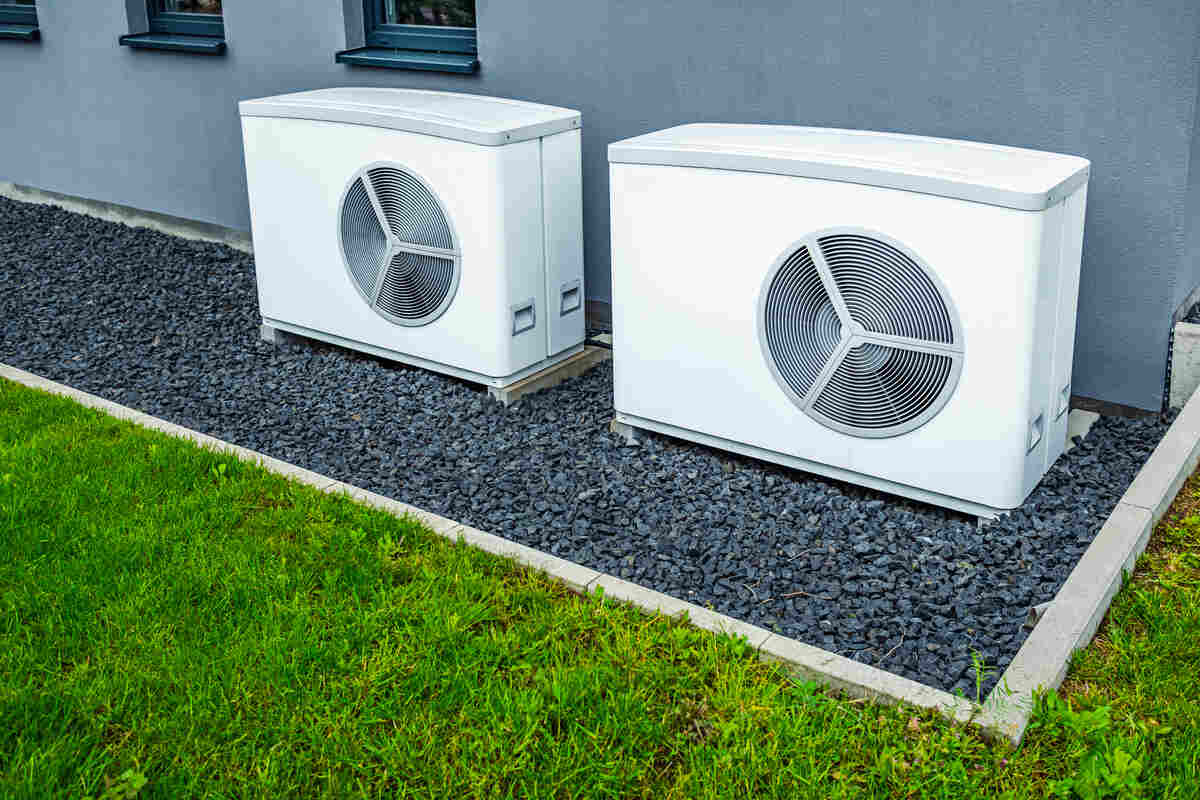
Heat pumps have come a long way in the past 10 years and I would not hesitate to recommend one for most Canadian homes. There are some tips to remember with respect to operating and maintaining this kind of heating system.
Temperature Settings
They do not heat quickly, unlike a forced air furnace. If you have ever lived in a home with a radiator and boiler as most heritage homes do, they heat the home in a similar radiant heat feeling. It’s a slow, usually quiet fan forced, constant heat source. Find a temperature that you are comfortable with, usually a degree or so higher than you would with a forced air furnace. Set this temperature and leave the setting alone. If you like a cooler bedroom for sleeping, open a window a tiny amount and close the door.
Your heat pump is both your air conditioning and heating and as such they have an auto mode. I admit I am not a fan of these especially in the early fall or late spring where your system can fluctuate back and forth from heating to cooling, taking away its efficiency. Set your home at either the heating or cooling setting and change the fan speed if you want more circulation of the conditioned air in the home.
Ducts and Filters
If your home has a ducted system, open all ducts and please do not install the small floor register filters – they will quickly upset the efficiency of your system, depending upon how your ducted system is set up.
If you can, upgrade to a 4” HEPA style box filter when your heat pump is installed and make sure your HVAC tech sizes the heat pump to accommodate this.
Multi-head Mini-Splits and Backup Systems
If you have a multi-head mini-split system, remember to keep the zone area localized. This means leaving the individual room doors open in that particular zone. If you have a backup system like a furnace or baseboard heaters, set their thermostat(s) at 10 degrees lower than the heat pump setting.
Maintenance
Heat pumps require minimal maintenance, however with their constant air flow and temperature levels the air filter in the cabinet unit or in the head should be monitored and cleaned regularly.
The days of cleaning or changing the filter every couple of months are gone. Check your system monthly, especially in the winter and keep the area around the external cabinet clear from leaves and insects – no shrubs within 3 feet of the cabinet.
I take a shop vac to my unit every spring and fall and bring in our HVAC tech every other year for a service check. Maintenance is simply good insurance for the longevity of your air source heat pump.
Cost and Advantages
Finally the cost consideration and yes they are more expensive to install to an existing forced air system. The advantages are economic longevity, reduced maintenance costs and the fact you have both heating and cooling in one package.
They are coming down in cost and I fully expect the difference to decline as more HVAC companies become familiar with them. What you are really doing is reducing your carbon footprint, which benefits everyone. It is recognized that a heat pump system can reduce this footprint by upwards of 40 percent.
Images from Depositphotos
Have a Home Renovation Question?
Write it down below and we’ll get back to you. All questions get answered – every week, we’ll select one for publication in the column.