Hardwood Flooring vs Engineered Wood
A Guide That Will Help You Decide Which Option is Best for Your Home

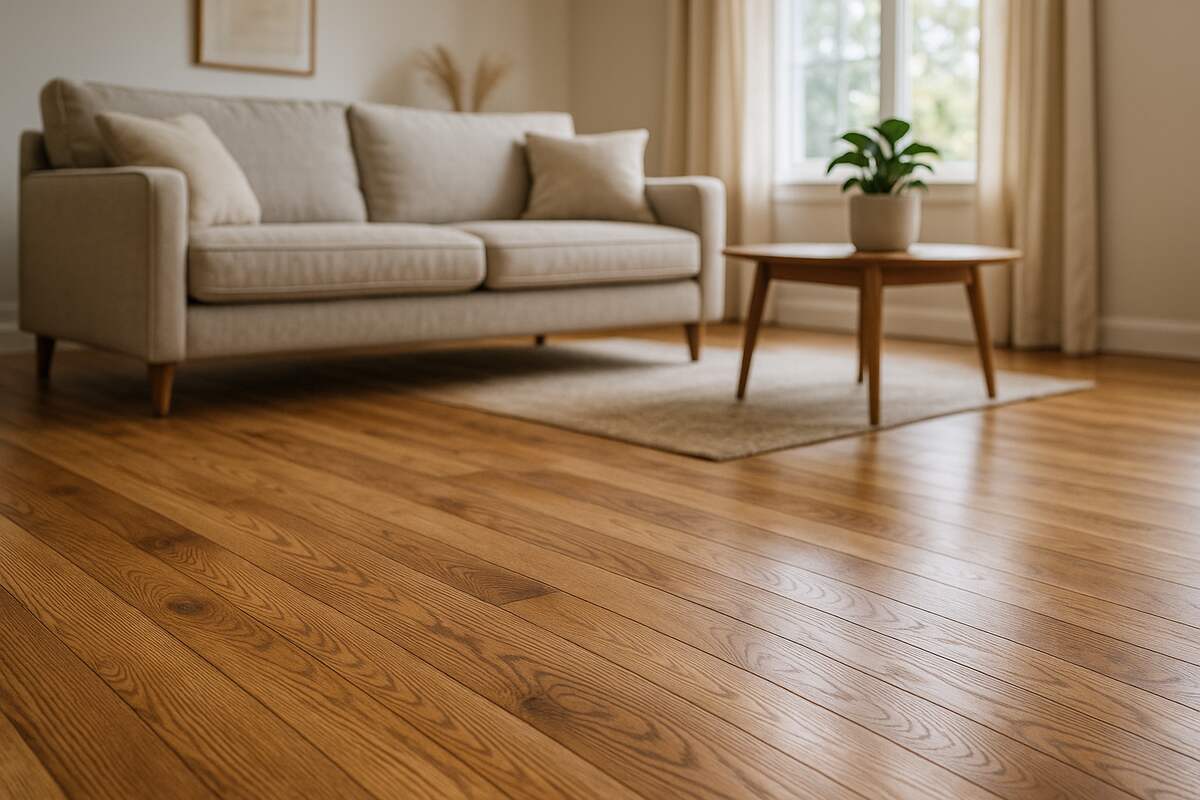
Why choose an imitation when the real product is available? Well, price may be one determinant, but then what about quality, appearance and durability? Solid wood flooring has a reputation that stretches back many centuries, while engineered wood benefits from the technical advances of modern materials and product design.
In this guide we explore both options in detail to help you make the right choice.
Solid Hardwood Flooring
Solid hardwoods have a heritage of sophistication and good looks. The natural variation in texture, colour and grain patterns complements both traditional and contemporary design.
By selecting a particular wood species, tones and colours can be chosen to blend with a specific ambiance. The ability of solid wood flooring to maintain its colour for many decades is a valued quality that plays a positive role in substantiating the price of the flooring.
The American Lung Association endorses solid wood flooring because it resists trapping dust, pollen and other pollutants that may cause allergies or respiratory problems. In addition, solid wood flooring is easy to clean with regular sweeping.
Get the Green Building Project Checklist
Use this handy checklist on your next project to keep track of all the ways you can make your home more energy-efficient and sustainable.
The texture of solid wood flooring creates a comfortable underfoot surface that offers a warmer sensation than tiles or concrete.
Solid wood flooring is eco-friendly if it is sourced from responsibly managed forests that promote the use of renewable sources. At the end of its lifecycle it can also easily be reused or recycled. They are also known to last a long time and can be restored to showroom condition by sanding to remove scratches and blemishes, so they don’t need to be replaced often. Solid wood flooring is hard-wearing, but it’s important to choose the type of wood based on the anticipated wear the floor will experience. In general it can last 75 to 100 years or more.
Wood, as a natural product, is affected by moisture, particularly the subfloor’s moisture content. To avoid damaging solid wood flooring, the subfloor moisture content should be below 6 percent. An additional requirement is the installation of expansion gaps around the perimeter of the flooring to allow for the wood’s natural expansion as humidity increases in warmer seasons.
Solid hardwood flooring exposed to high levels of moisture can suffer from cupping, where the edges of individual planks warp, creating a hollow in the centre of each plank.
Types of Hardwood Flooring
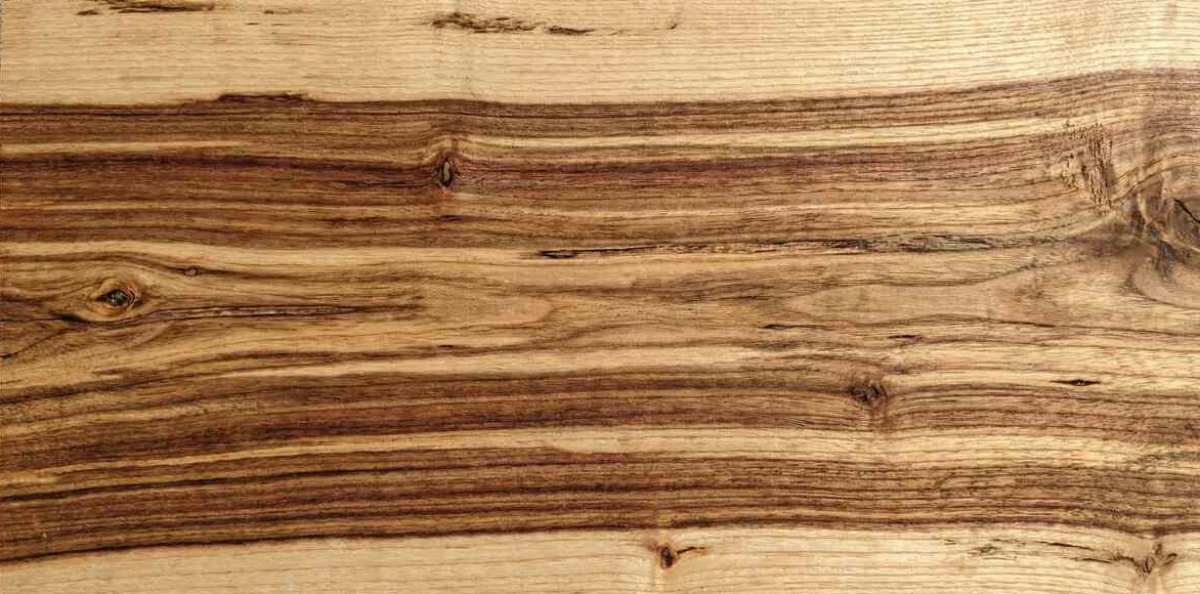
Hickory
At the top of the hardness list is hickory, making it ideal for areas likely to be occupied by active children, pets or heavy traffic.
There are at least four species of hickory native to North America, and shellbark is the most favoured for flooring.
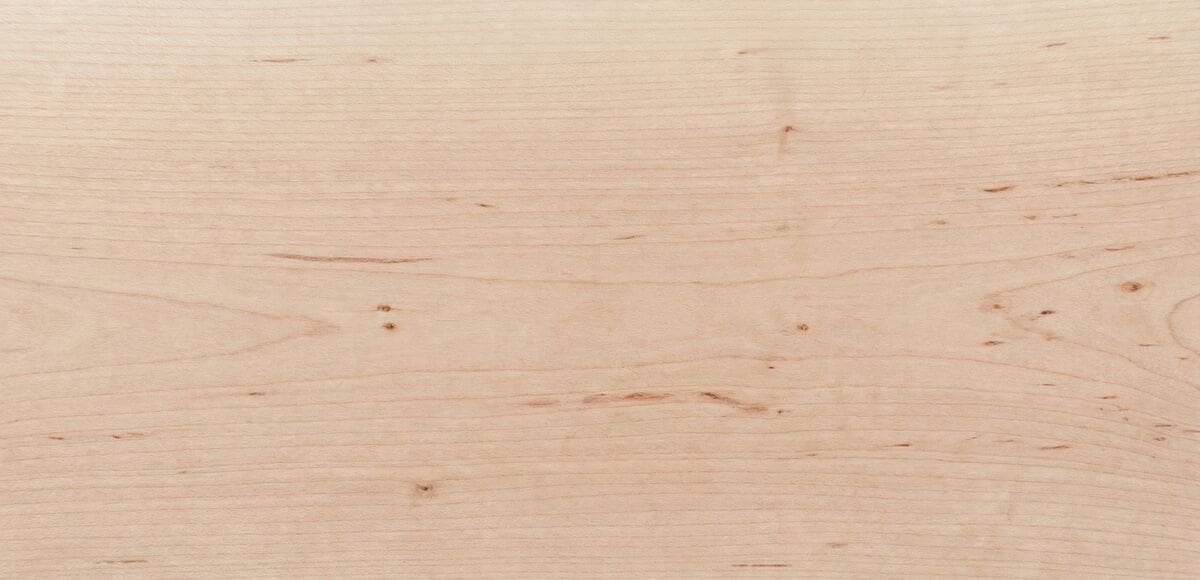
Hard Maple
Maple is the next hardest native Canadian timber flooring.
It has good moisture resistance and a lighter appearance, which, along with subtle grain variation, suits many modern interiors.
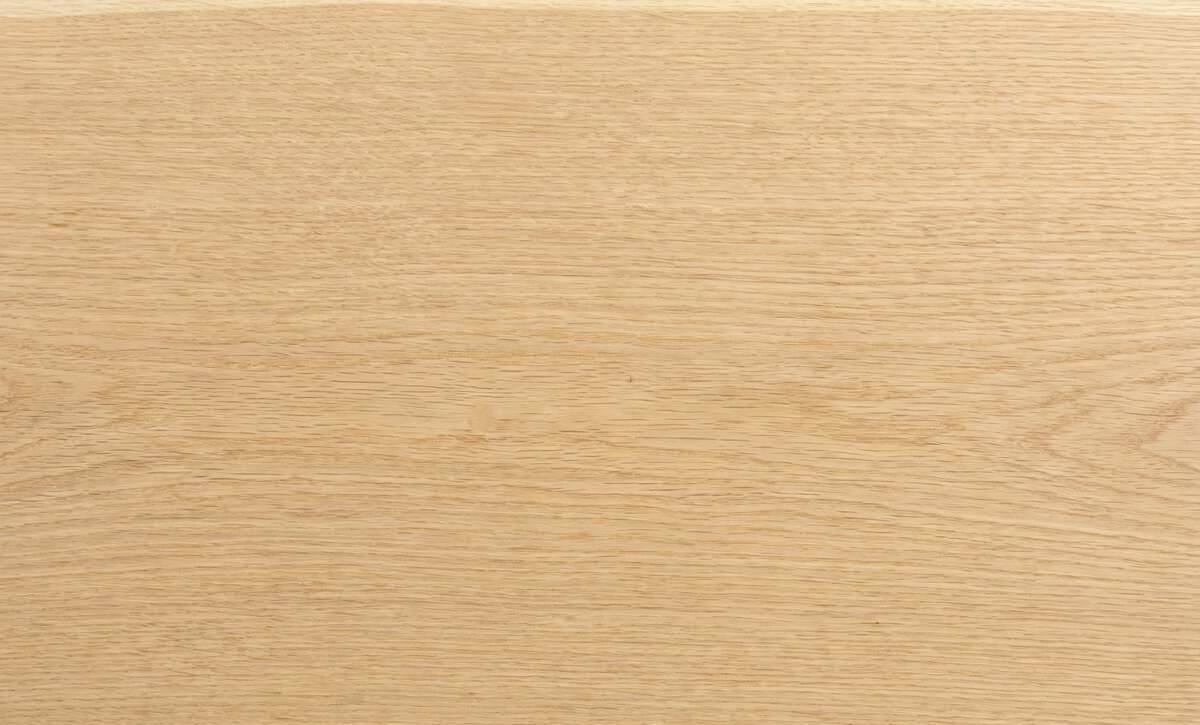
White Oak
The closed grain of white oak, coupled with its ranking as the third-hardest native wood, makes it a popular flooring choice.
The natural variation in grain colour and pattern creates a classic appeal.
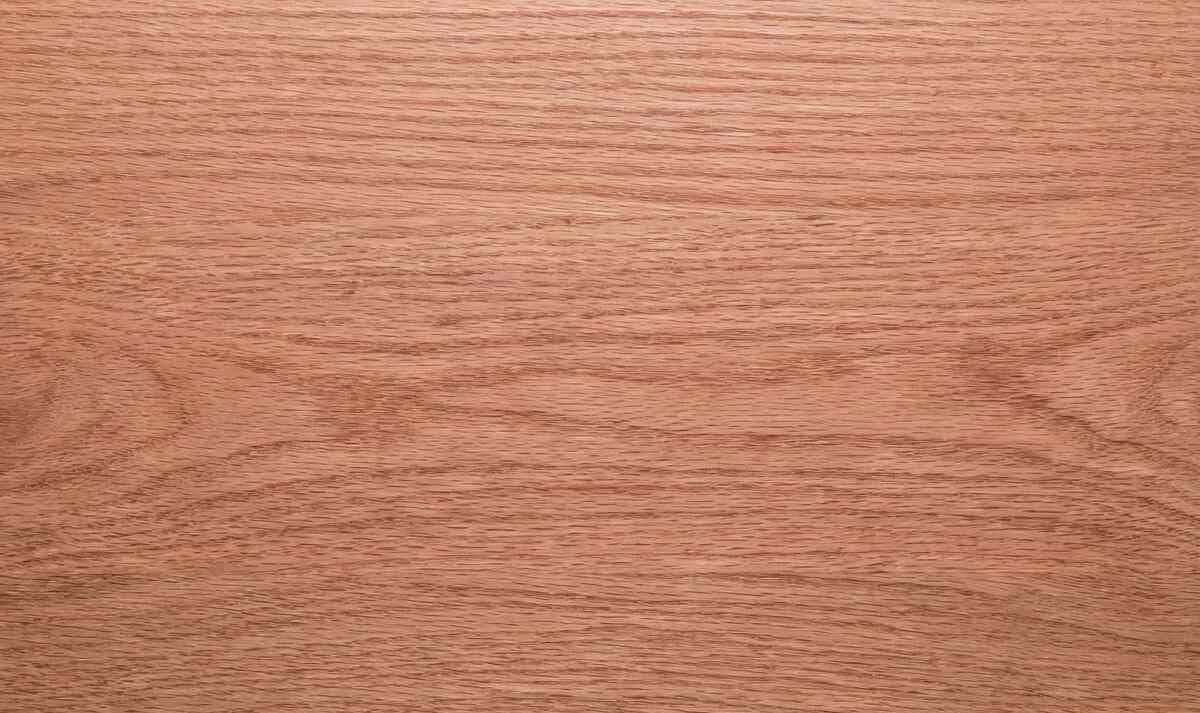
Red Oak
Red oak, with its warm red tones, is a particularly popular choice to provide a homely ambiance.
Its competitive pricing and widespread availability ensure its significant position in the flooring market.
Solid Wood Flooring Species at a Glance
| Type | Janka Hardness | Appearance | Sustainability | Price |
| Hickory | Very hard (1820lbf) | Light to medium brown | Widely available | $8-18 per sq ft |
| Hard maple | Hard (1450lbf) | Pale white to reddish brown | Widely available | $7-13 per sq ft |
| White oak | Hard (1360lbf) | Olive to light beige | Widely available | $6-12 per sq ft |
| Red oak | Hard (1290lbf) | Light brown with reddish hues | Widely available | $4-9 per sq foot |
Engineered Wood
One of the key advantages of engineered wood flooring is its impressive stability, achieved by laminating layers of plywood to a top veneer layer. This limits the amount of movement in the individual planks and also prevents cupping.
Engineered wood is often described as the best of both worlds, combining the beauty of genuine hardwood with the stability of laminated construction. The veneer on engineered flooring provides the beauty of genuine hardwood but the thickness varies according to price.
The higher-priced products tend to have a 5mm-thick veneer, which allows for light sanding to restore the wood’s natural beauty. In contrast, the cheaper varieties have thinner veneers, which limit the ability to sand blemishes away.
So engineered wood has a very similar appearance to solid hardwood flooring, but there are some differences you should consider before deciding which product suits you better.
Engineered wood has the advantage when it comes to ease of installation, particularly if the wooden floor is going to be laid over a concrete substrate.
For DIY enthusiasts, engineered wood comes with several advantages. Versatility is a significant advantage as it can be laid using nails, glue or the click-lock system, which floats on the substrate.
Modern manufacturing techniques ensure that engineered wood is perfectly flat and straight, avoiding the potential installation problems of solid wood sections that may have a slight warp or bend.
Modern click-and-lock systems used in engineered wood installations provide a fast, easy way to complete flooring projects without specialized tools or professional installers.
Sustainability of Solid Hardwood Flooring vs Engineered Wood
Solid hardwood flooring is the more resource-demanding product as it uses more hardwood per square foot than its engineered counterpart. While it is true that the common hardwoods used for flooring are sustainably sourced, they are slow-growing, so reducing the amount of hardwood required does have a positive sustainability impact.
Engineered wood uses other types of wood products as the core of the flooring. These are usually sourced from fast-growing species or recycled wood, which reduces the environmental impact of the flooring material. Choosing FSC (Forest Stewardship Council) certified products provides some reassurance about the product’s sustainability.
Since engineered wood uses a lot of adhesives to bind itself together, its VOC (Volatile Organic Compound) content has a marked effect on its sustainability, and good practice requires avoiding products with high chemical content.
A big part of sustainability is durability and recyclability. Here hardwood has the upper hand, as it generally lasts 75 to 100 years or more compared to engineered, which will typically last around 20 to 40 years. Since solid hardwood flooring is 100 percent wood, it is easy to recycle. You can repurpose it into something new, chip it, burn it. Whatever you want. Engineered on the other hand, has restrictions as to what you can do with it because of the adhesives inside it.
Price Comparison
There was a time when engineered wood flooring was the cheaper choice. Historically, the flooring market placed a 10 to 30 percent premium on solid flooring, but as top-quality engineered wood flooring with significantly thicker veneers became available, the price difference between the two products diminished.
Engineered wood flooring is cheaper to lay and is generally more tolerant of changes in temperature and humidity.
In appearance, the two products are almost identical, and although solid hardwood flooring can be sanded and restored several times, this would be necessary only in heavy-traffic areas.
If I was planning a DIY floor-laying project, I would be scanning the engineered wood samples and leaving the solid hardwood flooring to the professionals.
Which One Has the Better Appearance?
I’m biased towards solid wood only because I once worked in a mill where sacks of grain had been dragged across the flooring planks for decades. The sheen created by the friction of the sacks over the floor created a glow from within the wood; it was beautiful, but we don’t have similar opportunities today, and modern engineered flooring has made breathtaking strides in improving the product’s appearance. So, I’m going to leave the selection based on appearance to your personal choice, while I go through other factors that can sway your decision.
Essential Comparisons
Engineered wood scores high on:
Solid wood scores high on:
- Ease of installation / DIY
- More efficient use of wood
- Stability
- Ability to withstand changes in humidity and temperature
- Durability
- Lifespan
- Recycling / Repurposing
- Biodegradability