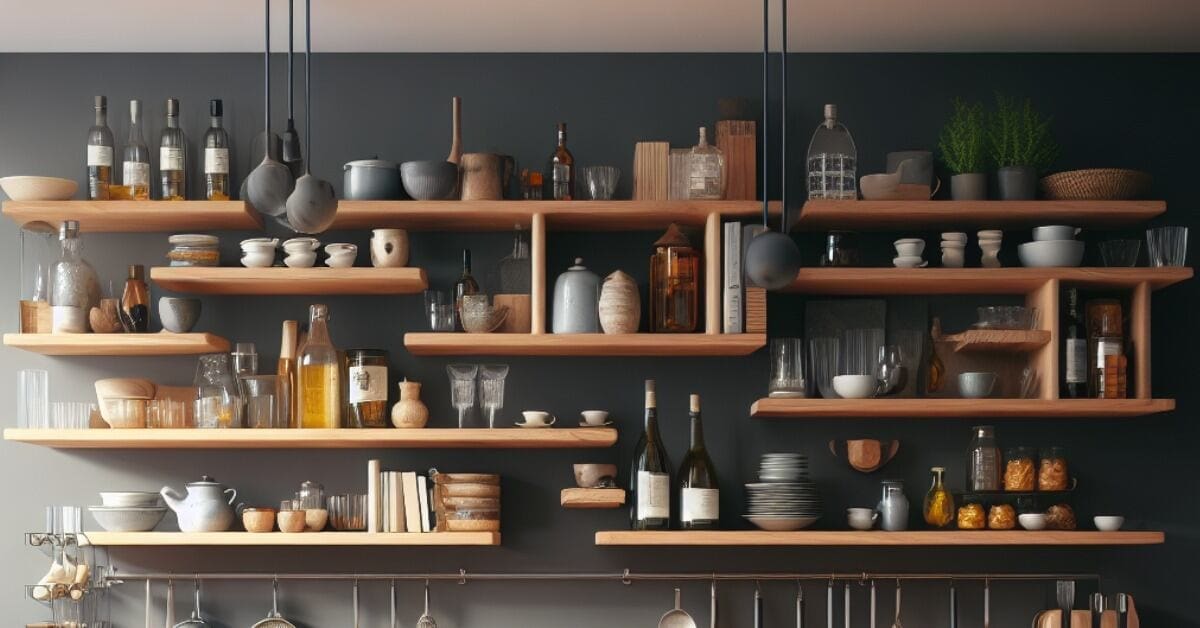
Enhancing both functionality and aesthetics, floating shelves have become a popular choice in modern kitchens. However, the question of ideal placement—how high to hang these shelves—remains a pivotal consideration for homeowners seeking both utility and style in their kitchen spaces. Achieving the perfect balance between practicality and visual appeal involves understanding several key factors.
Firstly, assessing the purpose and items to be stored on the shelves is crucial. Whether it’s for showcasing decorative pieces or storing frequently used kitchen essentials, the shelf height should accommodate easy access without compromising the overall design. Additionally, considering the ergonomic aspect plays a vital role. Placing shelves at a height that aligns with the user’s reach ensures convenience and usability.
In this article, we’ll delve deeper into these factors, offering insights and guidelines to help you determine the perfect height for floating shelves in your kitchen, ensuring a harmonious blend of functionality and style.
What Are Floating Shelves?
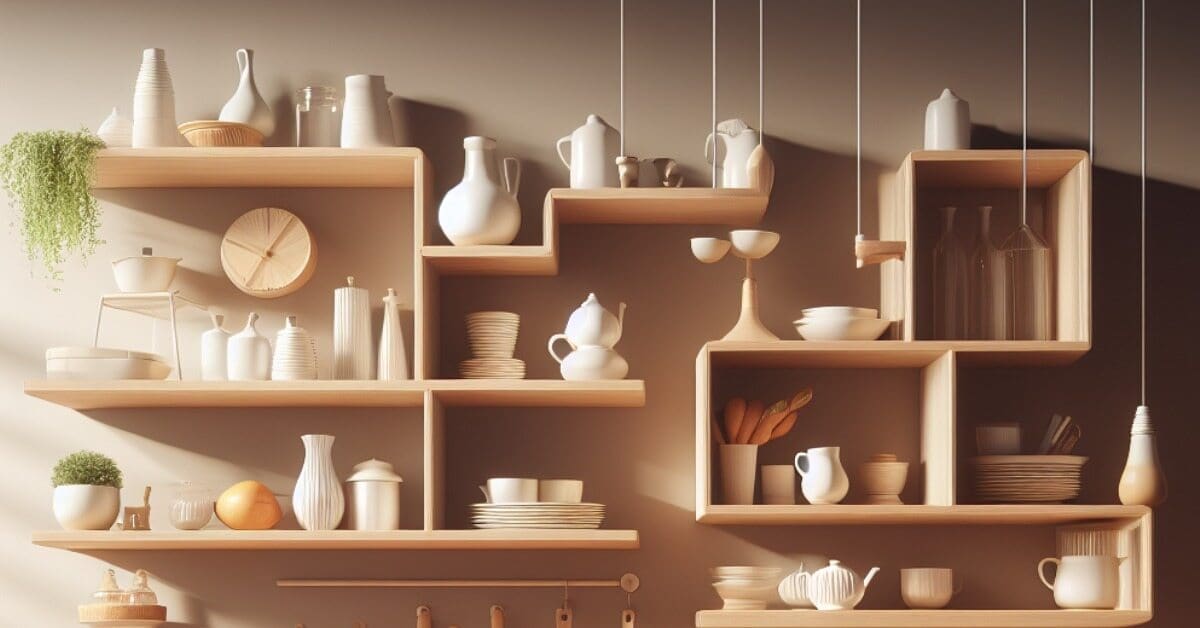
Floating shelves are versatile, wall-mounted shelving units that offer both functional storage and aesthetic appeal without visible brackets or supports. They derive their name from the illusion that they are “floating” on the wall, appearing to have no visible means of support. These shelves are typically made of various materials such as wood, metal, glass, or composite materials and come in an array of sizes, shapes, and designs to suit different decor styles.
The design of floating shelves involves hidden brackets or support mechanisms within the shelf itself, allowing it to be securely attached to the wall while concealing the mounting hardware. This construction creates a clean, minimalist look, emphasizing the items displayed on the shelf rather than the shelf’s support.
Floating shelves offer several advantages. They maximize vertical space, making them ideal for small or compact areas where floor space is limited. These shelves can be installed at various heights, catering to different storage needs and design preferences. They are commonly used in kitchens, living rooms, bedrooms, and offices to display decorative items, books, photo frames, plants, or other personal belongings.

Get the Green Building Project Checklist
Use this handy checklist on your next project to keep track of all the ways you can make your home more energy-efficient and sustainable.
Installation of floating shelves typically involves locating wall studs or using sturdy wall anchors to ensure they can support the intended weight. Proper installation is crucial for stability and safety.
Overall, floating shelves serve as practical and stylish storage solutions, adding functionality and visual interest to spaces while maintaining a sleek and modern appearance. Don’t forget, kitchens can be green too!
Factors to Consider – How High Should You Hang Floating Shelves in a Kitchen?

Determining the ideal height for hanging floating shelves in a kitchen involves several considerations to achieve both functionality and aesthetic appeal. While there’s no one-size-fits-all answer, several factors can guide your decision.
Purpose and Use
Understanding the intended function of your floating shelves significantly impacts their height. If the goal is to showcase decorative items or display occasional-use kitchenware, a higher placement could be suitable.
This higher placement not only draws attention to these items but also frees up lower spaces for more functional storage. Conversely, if the shelves are intended for daily-use items like spices, condiments, or cookbooks, a more accessible height—around eye level or slightly lower—is preferable. This accessibility ensures ease of use and convenience in grabbing frequently needed items while cooking or preparing meals.
User Accessibility
Ergonomics play a crucial role in determining the height of floating shelves in a kitchen. The ideal shelf height should align with the users’ comfortable reach, preventing strain or discomfort while accessing items. A commonly recommended range is between 18 to 24 inches above countertops. This range caters to most individuals’ average eye level and arm reach, allowing for easy retrieval of items without requiring excessive stretching or bending.
Kitchen Layout and Fixtures
Harmonizing the height of floating shelves with existing kitchen fixtures creates a cohesive and visually appealing space. Aligning shelves with adjacent countertops or cabinets maintains a sense of continuity in the kitchen design. Consider the spacing between shelves in relation to nearby fixtures to ensure that they don’t obstruct each other and that there’s enough room for taller items if needed.
Ceiling Height
In kitchens with higher ceilings, maximizing vertical space is beneficial. Consider staggered shelf heights to utilize the available space efficiently. Taller shelves can accommodate larger or less frequently used items, while shorter ones within easy reach can house everyday essentials. This staggered arrangement not only maximizes storage but also adds visual interest and depth to the kitchen design.
Design and Aesthetics
The chosen shelf height significantly impacts the overall aesthetic of the kitchen. It’s crucial to strike a balance between functionality and style. Ensure that the selected height complements the kitchen’s design and doesn’t disrupt the visual flow. A well-placed shelf enhances the space, highlighting decorative elements or providing a neat organization without appearing cluttered or too sparse.
Trial and Adjustment
Before final installation, consider experimenting with temporary placements of the shelves using removable hooks or brackets. This trial-and-error approach allows you to test various heights, observing their practicality and visual impact. Adjustments can then be made based on personal preference, ensuring that the final placement suits your needs while maintaining functionality and aesthetics in your kitchen space.
The Benefits of Floating Shelves

Floating shelves offer numerous benefits that make them a popular choice for modern interior design:
Space Maximization
They optimize vertical space, making them perfect for smaller rooms or areas with limited floor space. Without visible brackets or supports, they create an illusion of openness, making rooms feel more spacious.
Aesthetic Appeal
Their minimalistic design adds a sleek and contemporary look to any space. By showcasing items without visible brackets, they draw attention to the items displayed rather than the shelving itself, enhancing the overall aesthetic.
Versatility in Design
Available in various materials, sizes, and shapes, they cater to diverse design preferences. Whether it’s wood, metal, glass, or composite materials, there’s a wide range to suit different decor styles.
Customization
Floating shelves can be easily customized to fit specific needs. They can be installed at different heights and arranged in various configurations to accommodate different items and design preferences.
Functional Storage
Despite their elegant appearance, floating shelves offer practical storage solutions. They can be used to display decorative items, books, plants, kitchenware, or any essentials, keeping them organized and easily accessible.
Easy Installation
While proper installation is crucial, the process of mounting floating shelves is generally straightforward. With the right tools and hardware, they can be installed relatively quickly compared to traditional shelving units.
Adaptability
Floating shelves are versatile and adaptable. They can be added or rearranged easily, allowing for flexibility in changing or updating the decor or storage setup over time.
Room Accentuation
When strategically placed, floating shelves can accentuate specific areas or architectural features in a room, drawing attention to focal points or creating a visual impact.
Determining the ideal height for hanging floating shelves in your space is a balancing act that considers functionality, aesthetics, and usability. While there’s no universal standard, a range between 18 to 24 inches above countertops often works well, catering to accessibility and visual appeal for most users. However, individual needs, purposes, and the surrounding environment play crucial roles.
It’s about finding the right harmony between convenience, design coherence with existing fixtures, and personal preferences. Ultimately, experimenting with trial placements and considering factors like purpose, user accessibility, kitchen layout, and design aesthetics will guide you to the perfect height for your floating shelves, ensuring they become a seamless and practical addition to your space.