
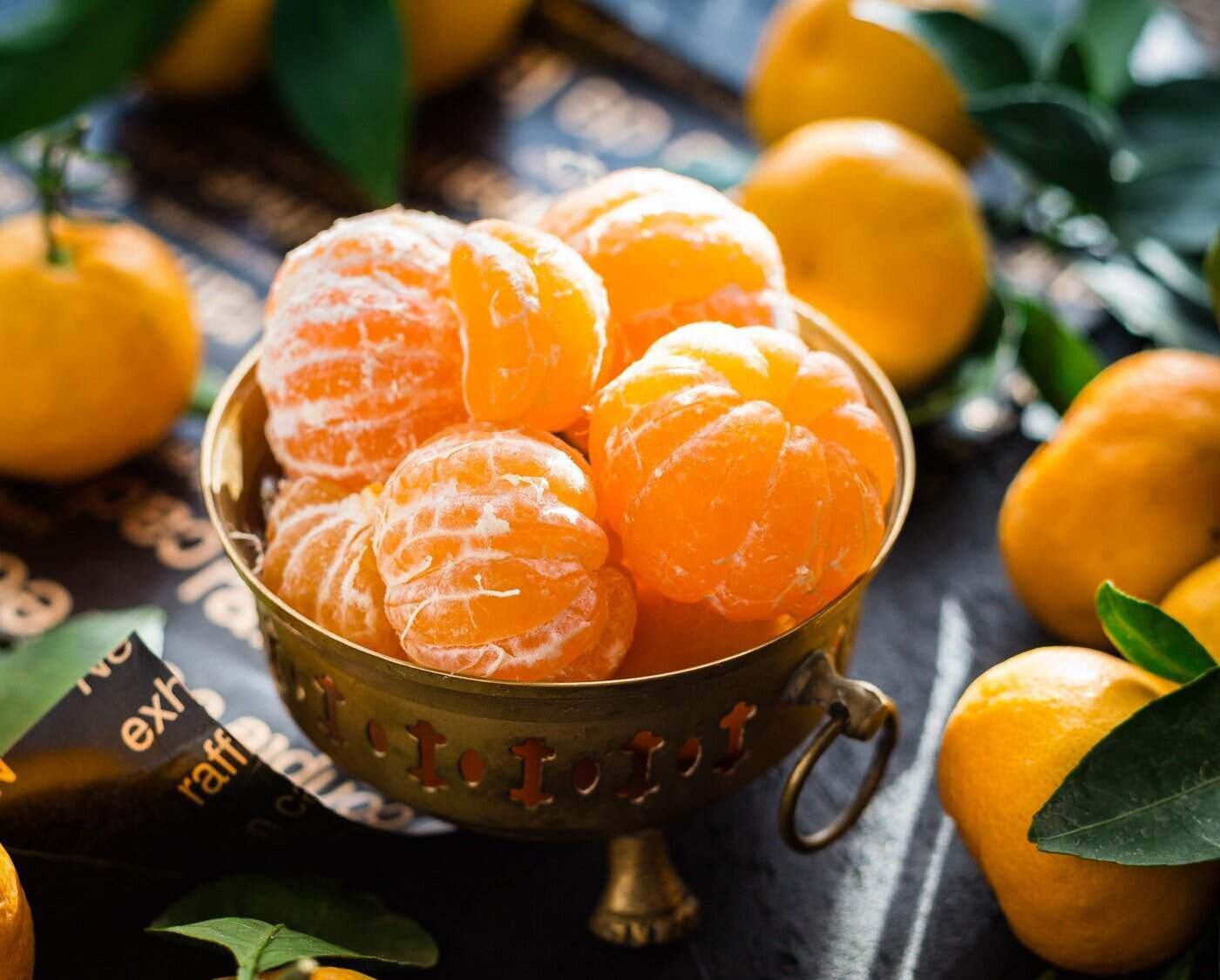
Gardening and growing your own food can be a cornerstone of an eco-friendly home that promotes a sustainable lifestyle. When you create a garden, you lower your carbon footprint by consuming fruit and veggies that are as local as you can get. But what if you’re craving tropical fruit and still want to keep your carbon footprint small? The good news is, you can grow citrus trees yourself.
In our northern climates we don’t have the luxury of growing fresh citrus fruit outside in our backyards. Citrus trees tend to need the warmth of the south. With that said, there are some trees you can grow in colder climates, such as clementines and Meyer lemon trees.
Both can be grown indoors or in a greenhouse, but the two trees also require different care regimens. You can’t go wrong with either one, though, if you want to eat local without having to give up these delicious fruits. Let’s look at how to grow both of these delicious fruits.
Clementine Trees
Clementine trees, also known as Mandarin oranges, are fruit from a sub-tropical tree. Clementines stand out for being some of the most cold-resistant citrus trees. Clementines can be grown in Hardiness Zones 8 to 11. These trees adjust well to being grown indoors in containers, meaning that you can bring them in during the winter.
What Containers are Suited for Clementines?
The two main container requirements for indoor clementines are that the container is large enough and has a way for water to drain from the bottom. Outdoor clementines grow to be small trees, but they will likely remain shrubs when grown in planters. Clementines grow according to the size of their containers. Dwarf clementines are suited to 20-gallon containers, while standard clementines should be kept in a 30-gallon container.
Excellent Cold-Hardiness

Get the Green Building Project Checklist
Use this handy checklist on your next project to keep track of all the ways you can make your home more energy-efficient and sustainable.
Mandarins are surprisingly cold-resistant for citrus fruits. These trees have allegedly survived in temperatures as low as -15°C. Most clementine varieties are considered hardy down to -3°C. Keep in mind that young trees and potted trees are more susceptible to cold damage. Given that other factors also affect cold hardiness, we recommend keeping your clementine at temperatures above -1°C.
Caring for Clementines
Sunlight is often the most limiting factor when it comes to growing indoor citrus trees. Mandarin trees like to have year-round access to sunlight. Ensure your plant gets enough sunlight, and consider taking it outside if the weather is warm enough.
Potted clementines need more fertilizer and water than outdoor trees. Use a citrus fertilizer at least once per month to keep your tree healthy. Clementine trees should be watered around twice a week, depending on the humidity and temperature.
Meyer Lemon Trees
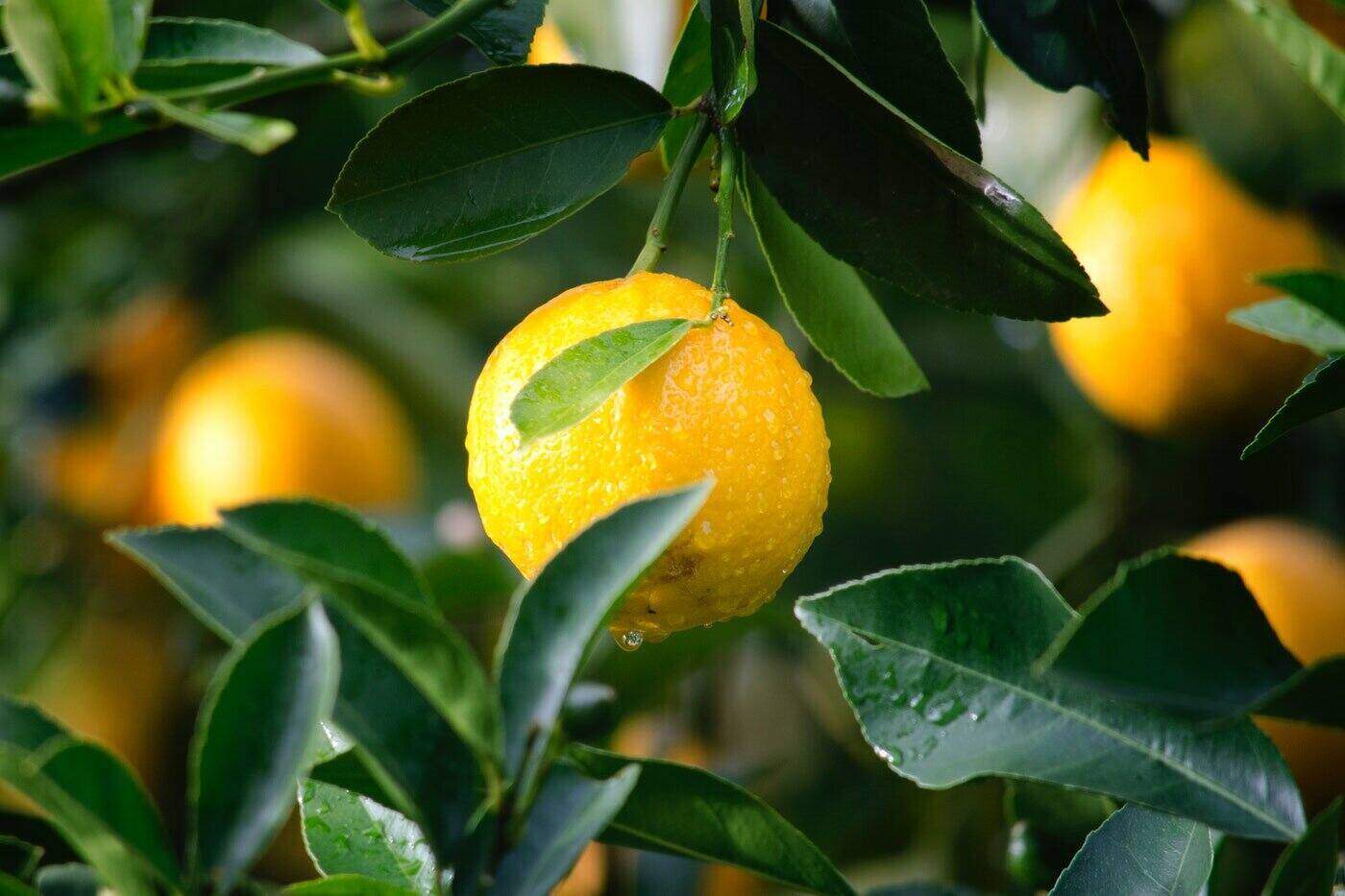
Meyer lemon trees are a variety of indoor lemon trees. Like clementines, these trees can be grown indoors in areas where it would be too cold to keep them outdoors. With the right tree, container and care levels, Meyer lemon trees offer plenty of delicious fresh lemons year-round.
Choosing a Pot for Your Meyer Lemon Tree
It’s tempting to choose a pot suited for a fully-grown lemon tree, but it’s better to start small. Large pots make it challenging to tell when the tree is ready for more water. Start with a smaller 12-inch diameter container. Switch to a container twice this size as the tree grows. Meyer lemons do well in most pots, so long as there are drainage holes at the bottom. Avoid dark-colored pots that absorb sunlight, as lemon trees like to keep their roots cool.
Planting an Indoor Lemon Tree
Fill the bottom of the container with soil and tamp it down. Keep adding soil until you have enough soil for the root ball. This gives your tree a solid foundation and stops it from sinking in too deep. Make sure there are a few inches of space above the soil for water.
Pick a pot with drainage holes to prevent your plant from draining. Add some fertilizer, preferably one made for citrus plants, to give your tree the best start to life.
Where to Keep an Indoor Lemon Tree
The two most important factors for growing lemon trees are light and temperature. Where you keep the plant depends on these factors.
Light – Indoor lemon trees need eight hours of sunlight per day. Brighter sunlight brings better growth for trees. Lemons do well when kept near south-to-southwest-facing windows. Don’t be afraid to add some artificial light for your lemons.
Temperature – Lemon trees do well with an indoor temperature of around 18°C. They don’t tolerate extreme temperatures so keep them away from heating ducts and air conditioning vents to maintain an even, cool temperature. Consider letting the plant hang out in the garden over a warm summer.
Caring For Meyer Lemon Trees
Let the soil dry to around three inches deep before watering the tree again. Water the tree thoroughly until water comes out of the drainage holes. The soil should be moist – not too wet but not dry. Use your index finger or a moisture meter to assess how moist the soil is. Your tree might need daily watering during the active growth season. Watch for signs such as yellow leaves, which indicate your plant lacks water or nutrients.
Like most lemon trees, Meyer lemons do best when fed a nitrogen, magnesium, and iron diet. There are many citrus-friendly fertilizers to choose from, so find one that fits your needs and budget.
Feature image: Pixabay; Image 1: Ryan Baker


Where can I get clementine seeds to grow in a pot and also where can I find citrus seeds ..
Thanks
Joy
I just took the seeds from the fruit I bought at the store. Soaked them in water to soften the outer. Then I folded them in damp (not soaking wet) paper towel, stuck them in a zip lock baggy and taped the baggy to my sunniest window. After a couple weeks they started to sprout.