
The federal government recently released the Canada Green Buildings Strategy, a document that outlines the country’s goal to reach net-zero emissions by 2050 through various means. One of the major commitments outlined in this document is the replacement of oil furnaces in favour of the much more energy efficient heat pumps. However, an issue with the strategy is that it did not account for natural gas.
Natural Gas – The Most Used Home Heating Energy Source
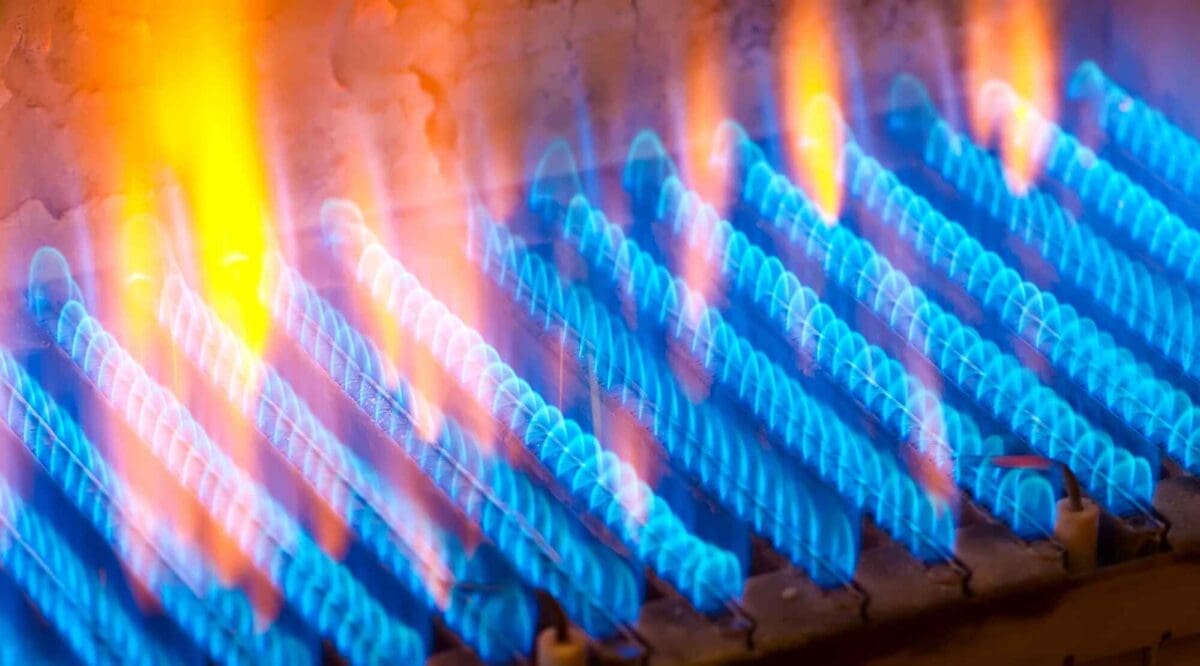
Natural gas is the most used energy source for home heating in Canada, and it is a fossil fuel that is highly polluting. According to recent statistics, in 2021, natural gas accounted for 51.5 percent of home heating and home energy production in Canada.
Heat pumps, on the other hand, are up to three times more efficient than traditional heating, such as natural gas. Aside from not releasing dangerous greenhouse gas emissions through the combustion of natural gas, electric heat pumps, due to their increased efficiency, also result in financial savings.
New homes built with heat pumps as opposed to natural gas furnaces would also prove to be easier to build, as these homes would not require connections to new gas lines. According to recent statistics, building a conventional home that is highly polluting costs about the same as building a zero-carbon home.
“While we applaud the government for addressing the urgent need to build homes in a climate-friendly manner, much more needs to be done to rein in this highly polluting sector if we are to meet our national climate targets,” said Lana Goldberg, a notable climate campaigner. “This strategy release was an opportunity to ensure that new homes would be built with clean and modern heating technologies, making them less polluting and more affordable to heat and cool. By neglecting to develop a policy to address ‘natural’ gas in new buildings, the plan ignores the elephant in the room.”
Images from Depositphotos