Green roof adoption varies greatly from one country to the next. In some cases it’s a matter of a country having a longer history with green roofs and just being ahead of the game (Germany comes to mind here), but in most cases, the underlying factor that determines the number of green roofs a city has is the amount of government support provided in the form of financial incentives as well as regulations that mandate the installation of green roofs.
We’ll take a look at how some of the most advanced economies in the world stack up against each other in their support and regulation of green roofs.
Green Roof Adoption in Canada
Canada has been growing its forest of green roofs over the years, but it’s not one of the leaders on the global stage. The growth here can be attributed mainly to municipal regulations rather than any overarching national policies.
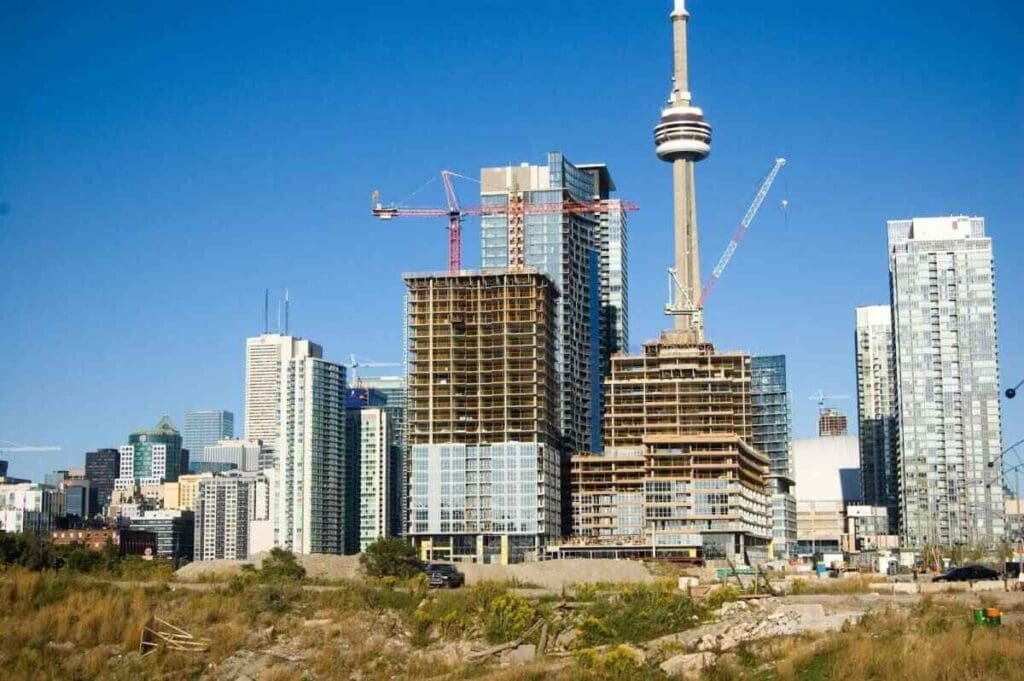
One municipality that has stood out is Toronto, which in 2009, became the first North American city to enact a Green Roof bylaw. This bylaw mandates that new commercial and industrial developments above 2,000 m2 incorporate green roofs on a minimum 20 percent (and up to 60 percent) of the available roof area.
The city has further helped stimulate the adoption of green roofs through incentivization. The Eco-Roof Incentive Program provides up to $100,000 in funding for both new and existing residential, industrial, commercial and institutional buildings to install green roofs. Since 2009 has contributed to the installation of more than 600 green roofs have been installed in the city, together covering over 1.1 million m2.
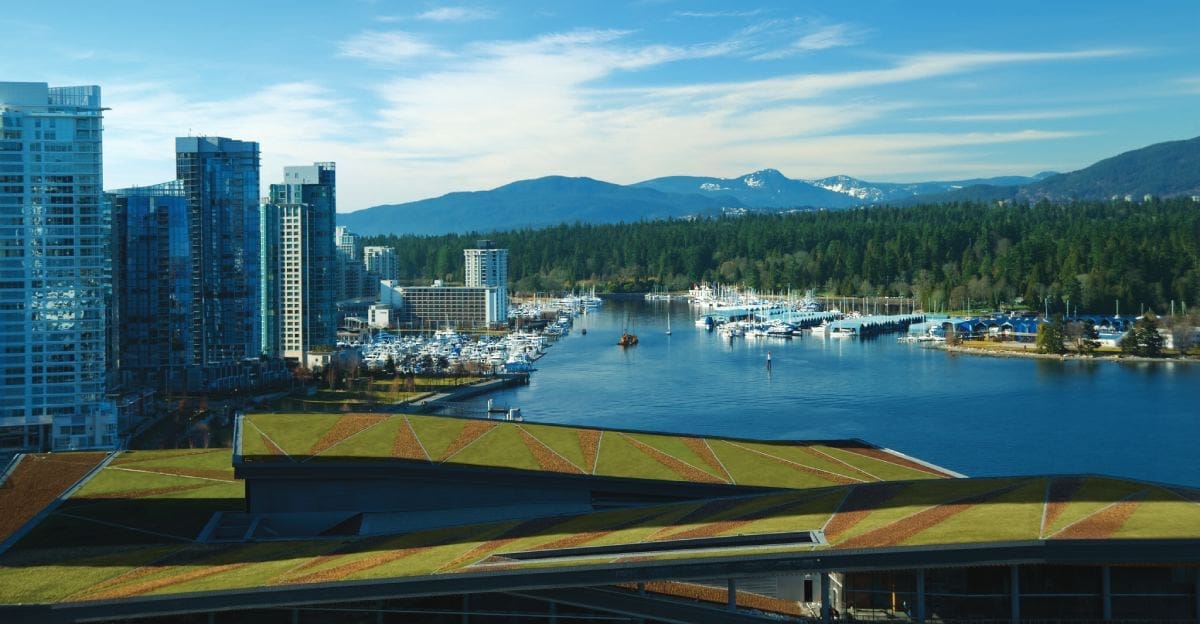
Beyond Toronto, however, incentives are limited. One modest example is the City of Saskatoon, which offers a rebate on stormwater charges for buildings with green roofs; Port Coquitlam, B.C., expedites planning permits for projects incorporating green roofing. Vancouver’s Rain City Strategy has, without direct incentives, encouraged some notable projects like the Vancouver Public Library and the Vancouver Convention Centre; the latter hosts, at six acres, the largest green roof in Canada.

Get the Green Building Project Checklist
Use this handy checklist on your next project to keep track of all the ways you can make your home more energy-efficient and sustainable.
Singapore
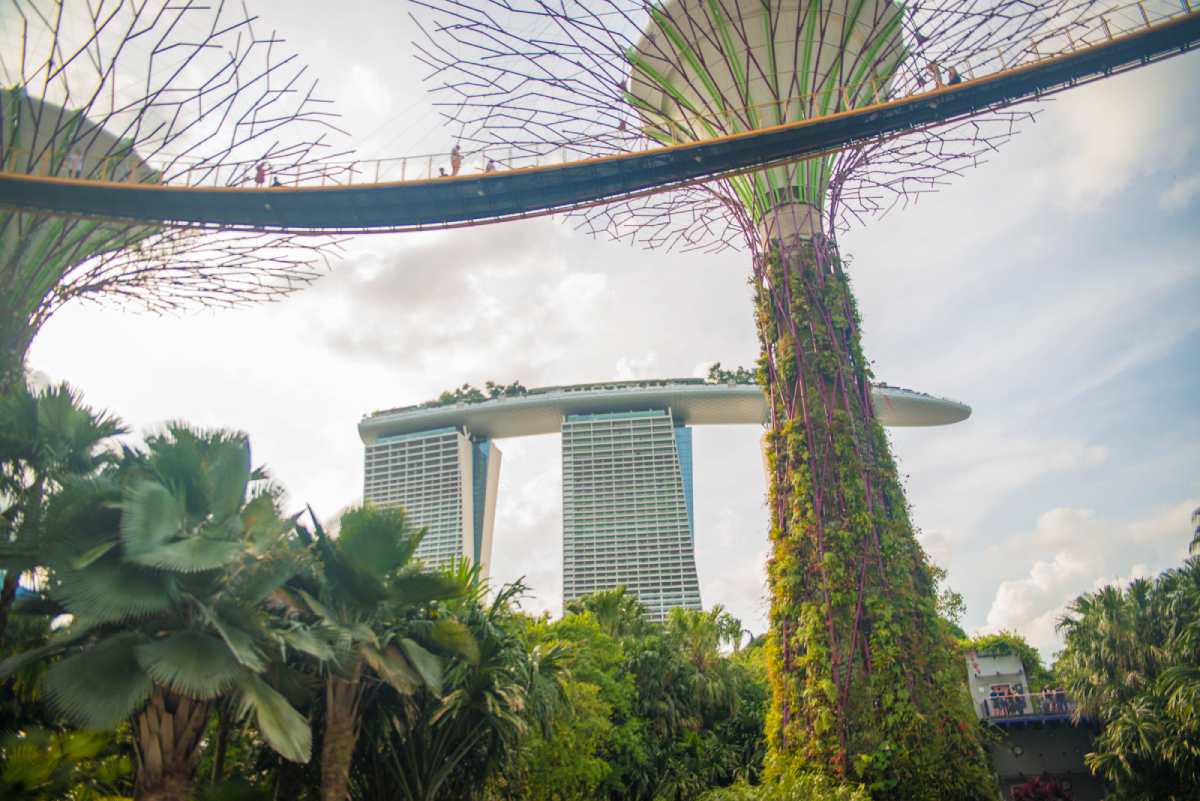
Singapore stands out for its Skyrise Greenery Initiative, which has made it a global leader in green roof adoption. Given its status at the top of the charts of the most business friendly countries, it’s no surprise that the city-state offers generous grants which cover up to 50 percent of installation costs for green roofs and vertical gardens. This financial support, along with information and technical supports, has helped establish some 155 hectares (1.55 million m2) of green roofs in just a few years.
Property developers can also receive additional floor area allowances when incorporating green roofs into their projects, making them more attractive from a business perspective. These policies together have encouraged widespread adoption of green roofs, with numerous projects completed across the city-state.
Switzerland
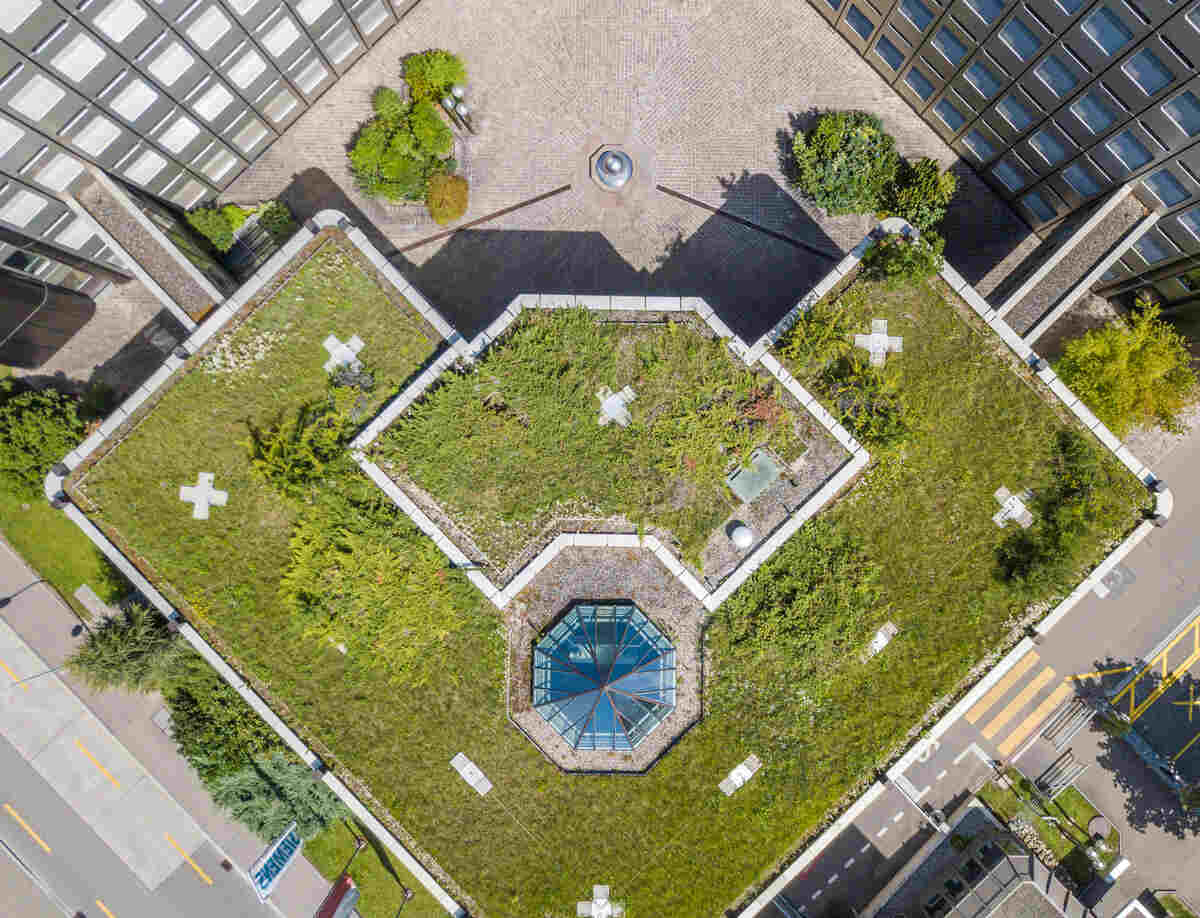
Switzerland is a global leader in green roof adoption due to several effective policies and incentives. For more than a decade now, the city of Basel has required all new flat roofs to be green. The result is that in this city of 200,000 inhabitants, 46 percent of flat roofs are vegetated for a total of 7.5 m2 of green roof per inhabitant. To help businesses out the city’s government has provided funding for that to happen.
While Basel set the path, today almost every city in Switzerland has some combination of mandate and incentives for green roofs. Green roofs are close to a building standard, making Switzerland perhaps the most advanced nation on Earth when it comes to this building technology.
Netherlands
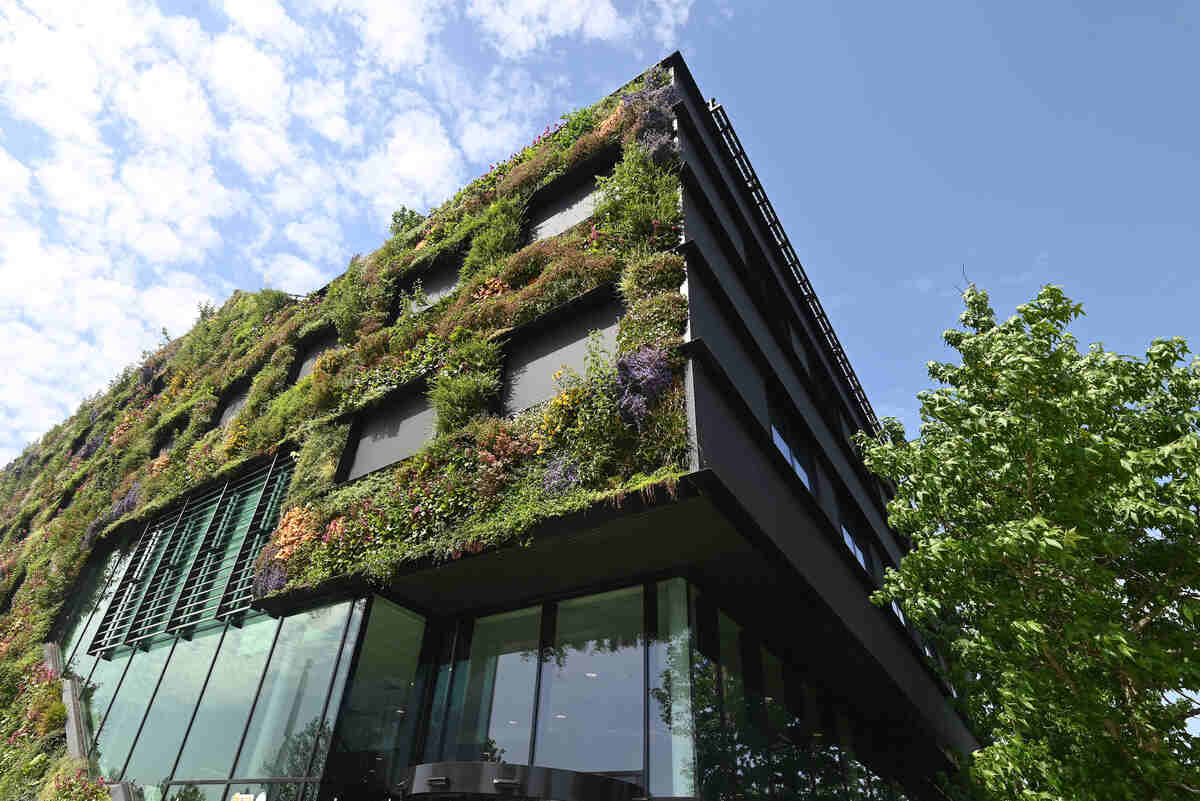
The Netherlands has taken a proactive stance on green roofs. The Dutch government offers various incentives that have boosted green roof adoption. Local municipalities provide financial support that covers a substantial portion of installation costs, making it more feasible for businesses to invest in green roofs.
These subsidies have led to a remarkable increase in green roof coverage – Amsterdam started offering a 50 percent incentive to install green roofs in 2009 and they now have more than 120,000 m2 of green roofs across the city.
Some municipalities offer tax deductions for property owners who install green roofs. Such incentives have encouraged businesses to integrate green roofs into their buildings, allowing them to reap the benefit of reduced energy consumption and increased property values.
Denmark
Denmark’s capital, Copenhagen, is a pioneer in green infrastructure, being the first Scandinavian city to mandate green roofs. In line with its planning on wastewater, climate, and biodiversity, in 2010 Copenhagen adopted policies requiring green roofs on all new and renovated buildings with roof slopes below 30 degrees, which has predictably delivered a steady increase in installations.
Installing green roofs on existing buildings is challenging due to the structural reinforcements needed to bear the additional weight loads. While most financial incentives are geared towards new construction, Copenhagen also provides financial assistance for retrofitting existing buildings, enabling older structures to both contribute to and enjoy the benefits of green roofs.
United States
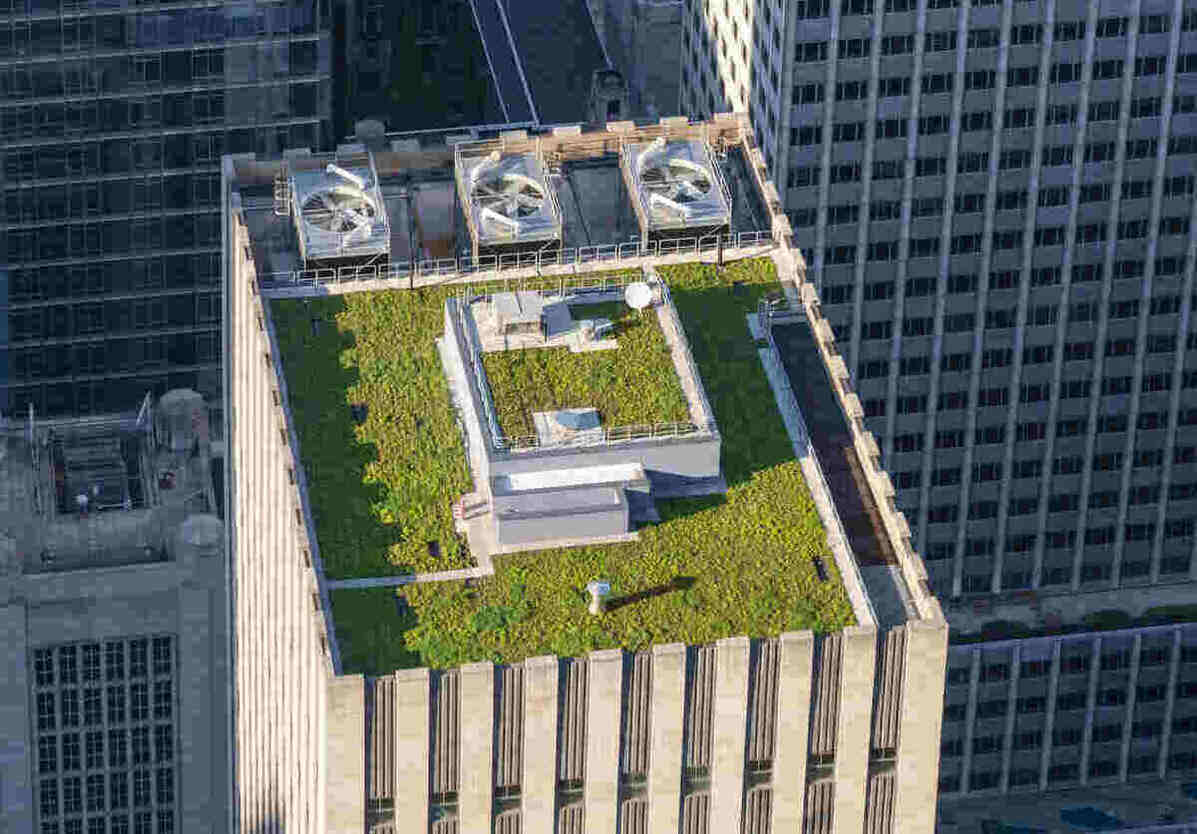
There’s no national mandate for green roof implementation in the United States, but some cities have developed effective regulations to support their adoption. Chicago’s Sustainable Development Policy, for one, requires certain buildings to meet sustainability standards, with green roofs as a key component. In addition to a mandate, the policy also offers developers density bonuses and expedited permits. The city also provides grants to promote green roofs, specifically targeting projects that address stormwater management and energy efficiency. As a result of this basket of incentives, Chicago has more green roofs than any other city in North America at 517,000 m2 (5,564,412 sq. ft.).
New York is another leader. The city’s Green Roof Tax Abatement Program offers a property tax credit for buildings that install green roofs. This program complements the city’s Local Laws 92 and 94, which requires new buildings, new roof additions and the replacement of entire roofs to be partially covered with green roofs or solar panels.
Australia
Cities like Melbourne and Sydney are adopting policies to encourage green roofs, though the overall approach has been slower here than in many countries.
Melbourne’s Green Our City Strategic Action Plan offers grants and subsidies for businesses that implement green infrastructure, and has helped the city realize a growing adoption of green roofs. This plan is aided by a joint initiative with the Victoria (state) government, the Green Our Rooftop project, which provides funding for education and research.
Sydney’s efforts centre around its 2012 Green Roofs and Green Walls Policy, which so far appears to be limited to offering technical guidance. Such guidance helps remove some of the uncertainties around green roofs that may be experienced by owners and builders.
While many building improvements are under discussion in Australia, there appears to be little thought for green roofs at the federal government level, or even in the green building sector. A recent report by the Green Building Council and the Property Council offered a slew of recommendations for action at local, state and federal levels, but green roofs were not mentioned.
Germany
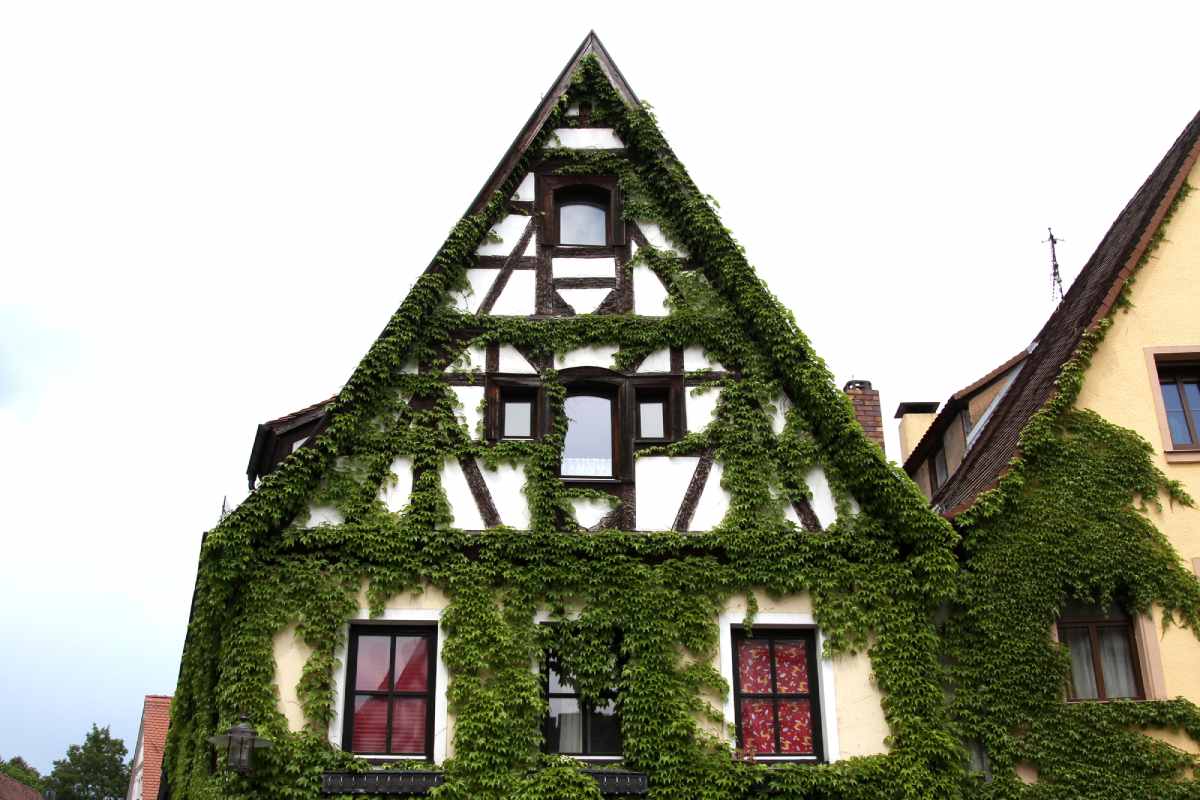
Germany is often credited with pioneering the modern green roof movement. Since the 1970s the country has supported the growth of green roofs in its cities, and the results show. On this list of the cities with the most green roofs per capita, six of the top 10 are in Germany.
Germany has achieved this high level of green roofs by offering subsidies and grants. One example of this is Hamburg. The city’s Green Roof Strategy aims to install 100 hectares of green roofs. Currently, they subsidize 30 to 60 percent of voluntary greening measures and they intend to make green facades compulsory for suitable buildings.
France
France has made strides in green roof adoption, particularly in Paris, where several initiatives have been launched. In 2015, Paris implemented a regulation mandating the installation of green roofs on new buildings with a footprint of more than 1,000 m2.
France really made headlines, however, when the national government made it mandatory that either green roofs or solar panels be installed on all new buildings in commercial zones throughout the country.
To help ease the cost burden, various levels of government in France offer incentives to support the installation of green roofs and facades, making them more accessible to property developers and homeowners. One example of this is Paris’ Coproasis program which provides financial assistance of up to €5,000 for the completion of technical studies and up to 80 percent (to €30,000) for the completion of a green facade.
Japan
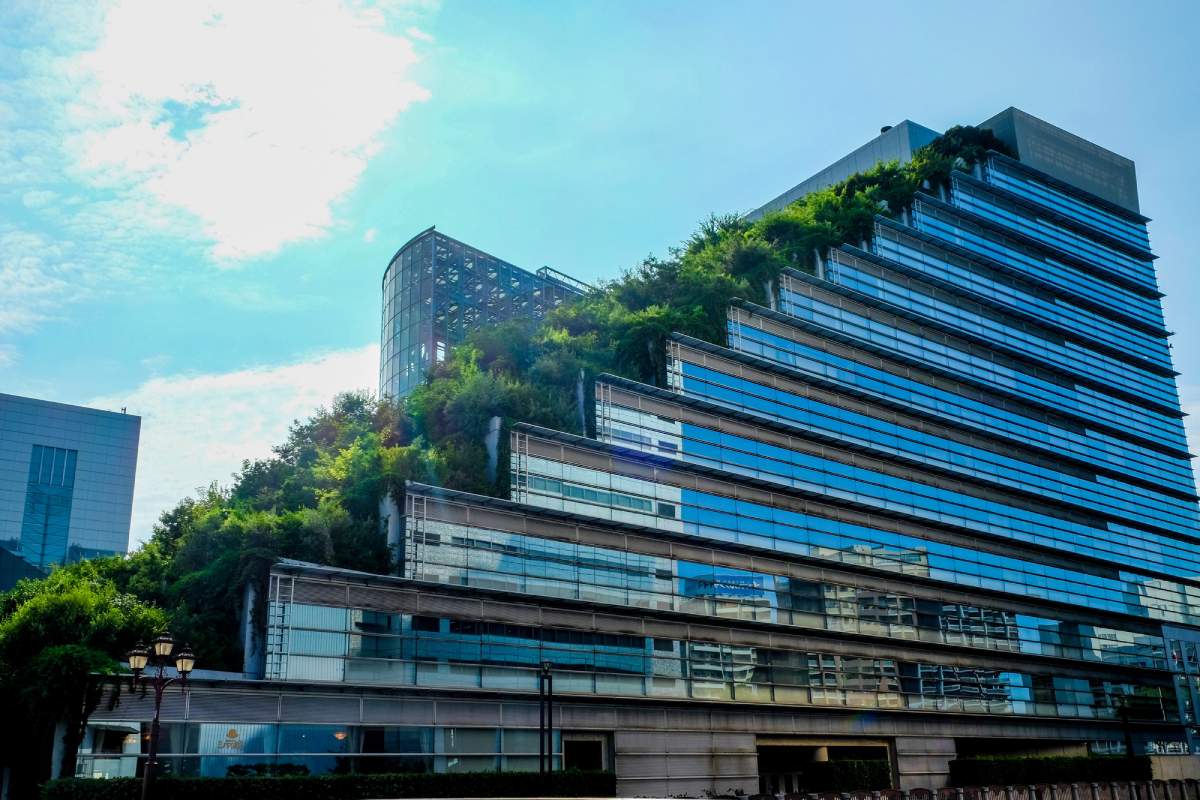
Japan has implemented various policies to encourage green roofs, recognizing their potential to combat urban heat islands, improve air quality and provide habitat for urban wildlife. Tokyo was ahead of its time when it established its Nature Conservation Ordinance in 2001. The law requires new buildings with a roof area of more than 1,000 m2 to incorporate vegetation (20 percent coverage for buildings 1,000 to 5,000 m2 and 25 percent for buildings above 5,000 m2). The ordinance has led to the creation of 180,000 m2 of new green roofs.
United Kingdom
In the UK, growth in green roof adoption is attributed to some key regulatory support, particularly in London. Though the London Plan’s Living Roofs and Walls Policy does not make green roofs mandatory for new development, it encourages them wherever feasible. By 2017 the city had around 1.5 million m2 of green roofs, some 42 percent of the nation’s total. If developers have not included green roofing without having a strong justification, their planning approval can be challenged.
As well, the Community Infrastructure Levy has given local authorities from cities like Manchester, London and Bristol a means of raising funds for green infrastructure projects, such as green roofs, by charging new developments.
In addition to regulations, Japan offers financial incentives to promote green roof development. The government and local municipalities provide subsidies primarily for improving energy efficiency, which indirectly includes green roofs. One performance-based incentive is the Energy Conservation Promotion Project for Existing Buildings, which supports the renovation of office buildings. Under this program, the government will fund one-third of renovation costs if the energy consumption of the building drops 20 percent post-renovation.
With a host of benefits that range from improving a building’s energy efficiency to supporting biodiversity, the case for green, living roofs is clear. Governments around the world realize this and so are cultivating the number of green roofs across their countries. While Canada has made significant strides, particularly in cities like Toronto and Vancouver, it still lags behind global leaders like Germany, Switzerland and the Netherlands in terms of mandates and financial incentives.
Read more on this topic in A Guide to Green Roofs.
Images from Depositphotos