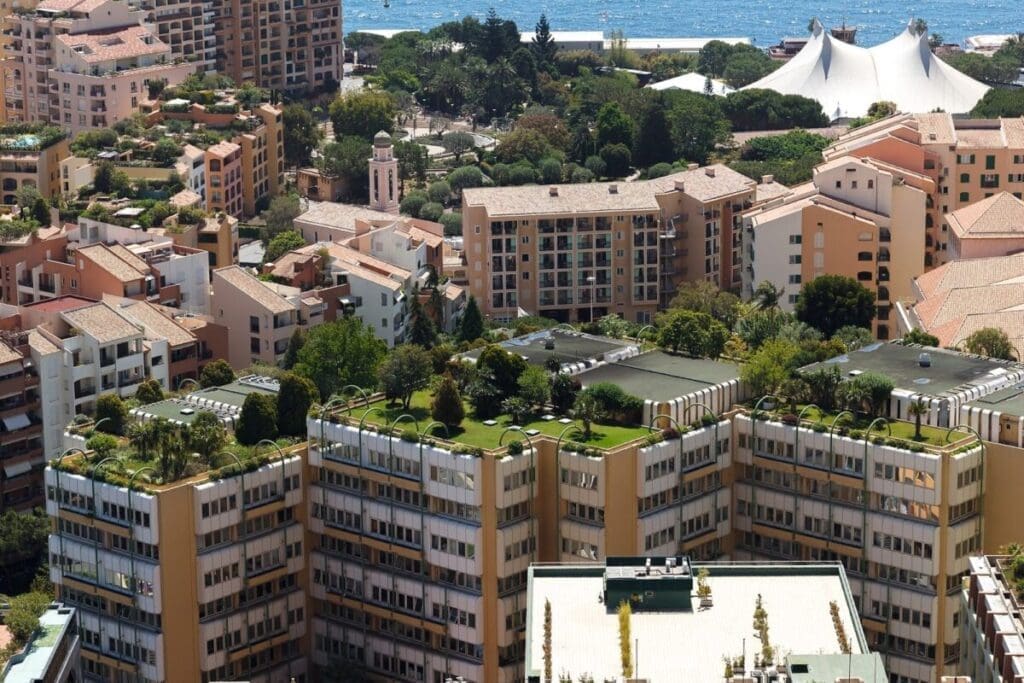
Between flooding, heatwaves, and wildfires, many Canadian cities are dealing with the challenges caused by climate change. Given their lack of vegetation, cities are at a disadvantage due to the urban heat island effect, which causes cities to be hotter than surrounding areas. And it’s a problem that green roofs can help with. Some innovative cities like Halifax are showing great promise in mitigating these environmental issues through green roofs.
With an average annual rainfall of more than 1.35 metres, Halifax is putting green roofs to work to reduce flooding and filter runoff. By 2009, the Halifax Regional Municipality already had more than 50 green roofs. Now, as ecologists learn better ways of implementing green roofs, they’re recommending native plant species and simpler layers of green roofs to provide bigger benefits.
An Innovative Approach to Green Roofs

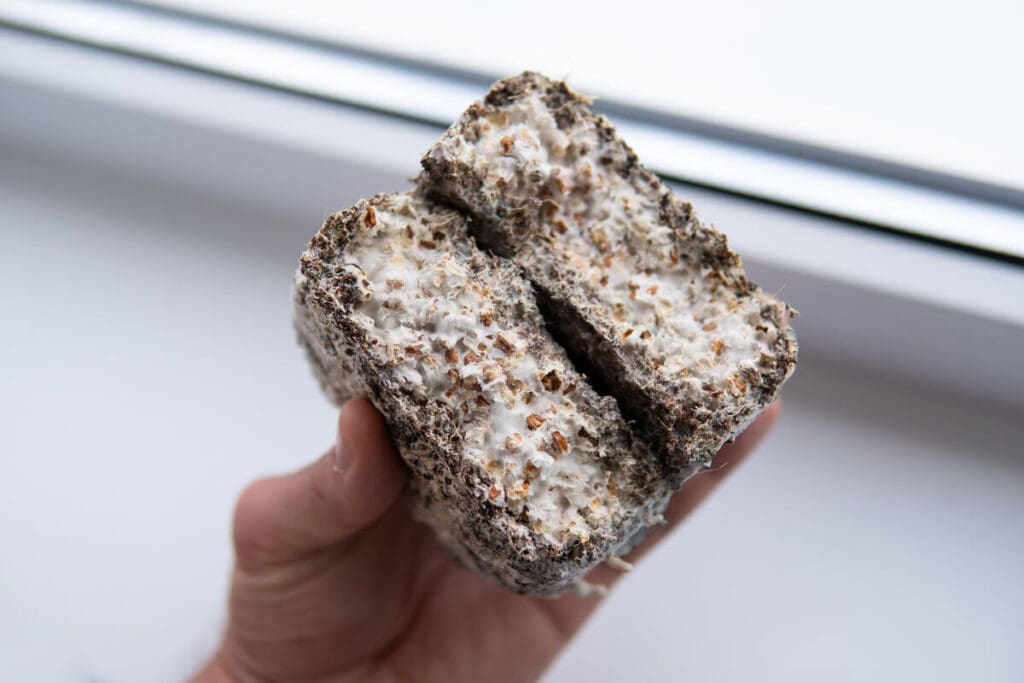
Green roofs are currently overdone – they have far too many layers, which means that they are both expensive and heavy to support. Recently, a team from Denmark’s Faroe Islands worked together with Sue Sirrs, the founder of Outside! Landscape Architects, where she learned that the Danes use a special method of anchoring sod using rocks and fishnet.
The Danish method of creating green roofs is easier to maintain, costs less, is easier to fix if damaged, and applies perfectly to the Canadian climate on the East Coast. The reason why it’s so efficient is because there are gaps in the netting that allow the inner layers of sod to nourish the outside layers. For this reason, Sue Sirrs now recommends that native sod and simple plant mats be used to create green roofs.
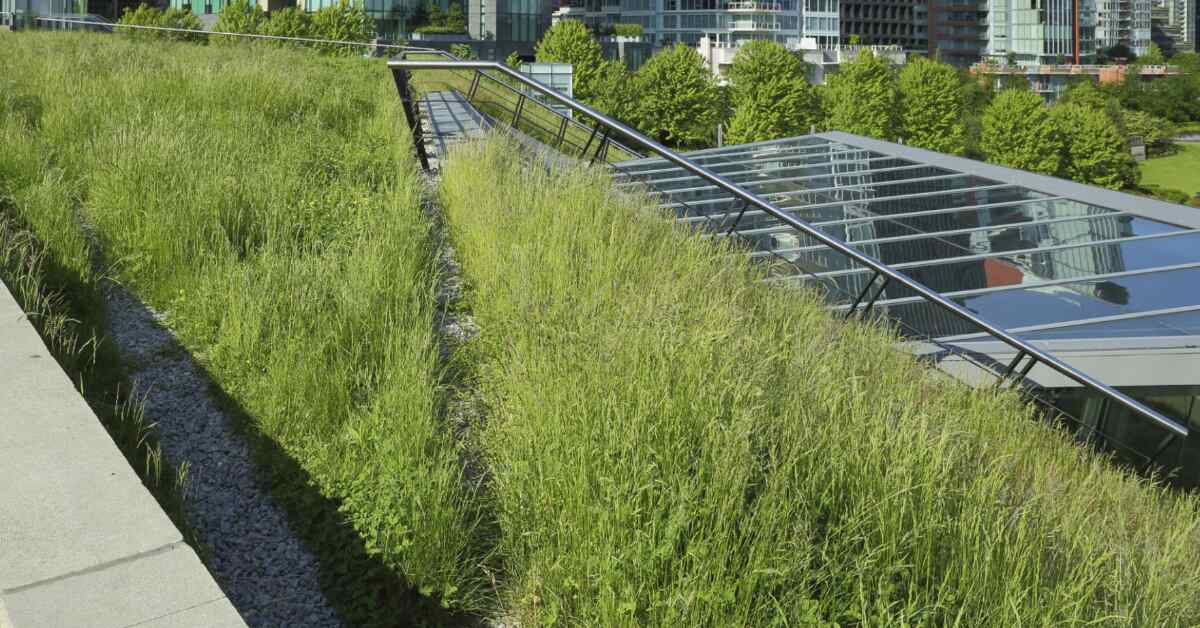
Using native plants is one of the most efficient ways to create green roofs in Canada that are resilient towards wind and require minimal soil. Some of the best options are drought-tolerant plants such as silverrod, three-toothed cinquefoil, poverty oatgrass, and roseroot.
One of the best examples of a green roof in Halifax at this time is the Halifax Central Library. It features a main section with over 650 square metres of sedum, although this does require a good deal of maintenance.
Get the Green Building Project Checklist
Use this handy checklist on your next project to keep track of all the ways you can make your home more energy-efficient and sustainable.
Whatever water the soil and plants don’t absorb is filtered down through a gray water cistern, which is then used for the library’s toilets and for other such purposes, allowing for a higher degree of sustainability. This is just one of the many green initiatives that the city of Halifax is taking to combat climate change and flooding.