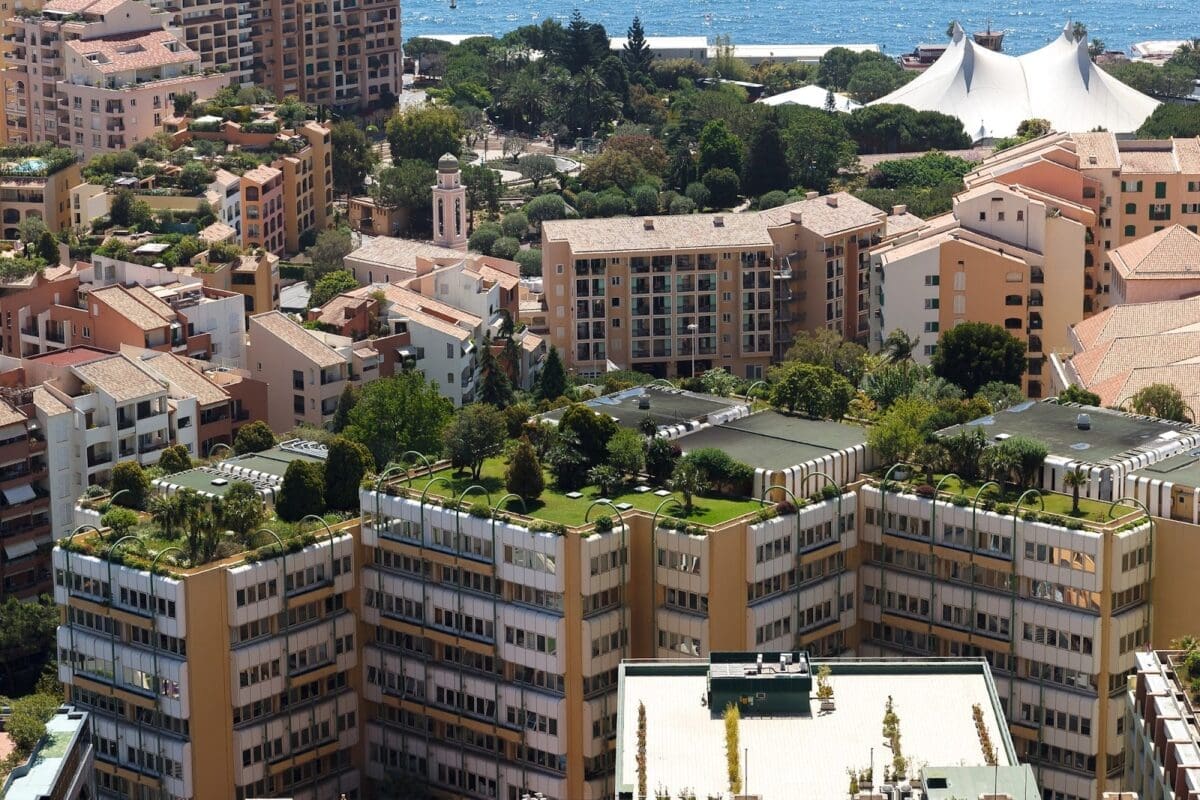
The Toronto Green Roof Bylaw, which made Toronto the first city in North America to legislate mandatory green roofs when it was adopted in May 2009, has been quietly repealed by the provincial government via an order-in-council.
The requirement previously mandated that new commercial, institutional and large residential buildings devote 20 to 60 percent of available roof space to green roofing. City officials say they no longer have the authority to enforce the requirement, though the city may still set voluntary standards.
A Global Template for Sustainable Construction
When the bylaw passed, it was groundbreaking. Toronto’s model inspired cities around the world – including London, Chicago, Seoul and Sydney – to adopt similar regulations, turning green roofs from a niche innovation into mainstream practice.
The legislation spawned an entire local industry: more than one million m² of green roofing have been installed in Toronto since 2010, forming the foundation of the city’s low-carbon building strategy.
The Domino Effect: Green Roofs and the Toronto Green Standard
The green-roof regime became a key component of the broader Toronto Green Standard, the city’s tiered set of sustainability benchmarks for new buildings.
Get the Green Building Project Checklist
Use this handy checklist on your next project to keep track of all the ways you can make your home more energy-efficient and sustainable.
That standard was already under pressure as the provincial Protect Ontario by Building Faster and Smarter Act (2025) prohibits municipalities from imposing environmental building requirements that exceed the provincial building code. The repeal of the green roof bylaw sends ripple effects across the entire environmental regulatory framework.
Together, these moves threaten to erode Toronto’s once-unrivalled lead in green building bylaws.
What’s At Stake?
Green roofs offer significant benefits: they retain stormwater, reduce pressure on sewer systems, cut heating and cooling costs through insulation and mitigate the urban heat island effect.
By eliminating the mandatory requirement, critics say the province risks losing long-term savings, higher value construction and local industry jobs built around green-roof expertise.
With housing and infrastructure pressures mounting, however, proponents of the repeal argue that regulatory burdens must be lowered to speed up development.
Looking Ahead
The end of Toronto’s mandatory green-roof era marks a shift. The bylaw once served as a global template and a catalyst for thousands of projects and a healthy local sector.
Now, its repeal leaves unanswered questions about how municipalities can continue to advance high-performance building standards.
As environmental goals become weighed against housing and growth imperatives, Toronto may find itself navigating a balancing act it once led.
Images from Depositphotos