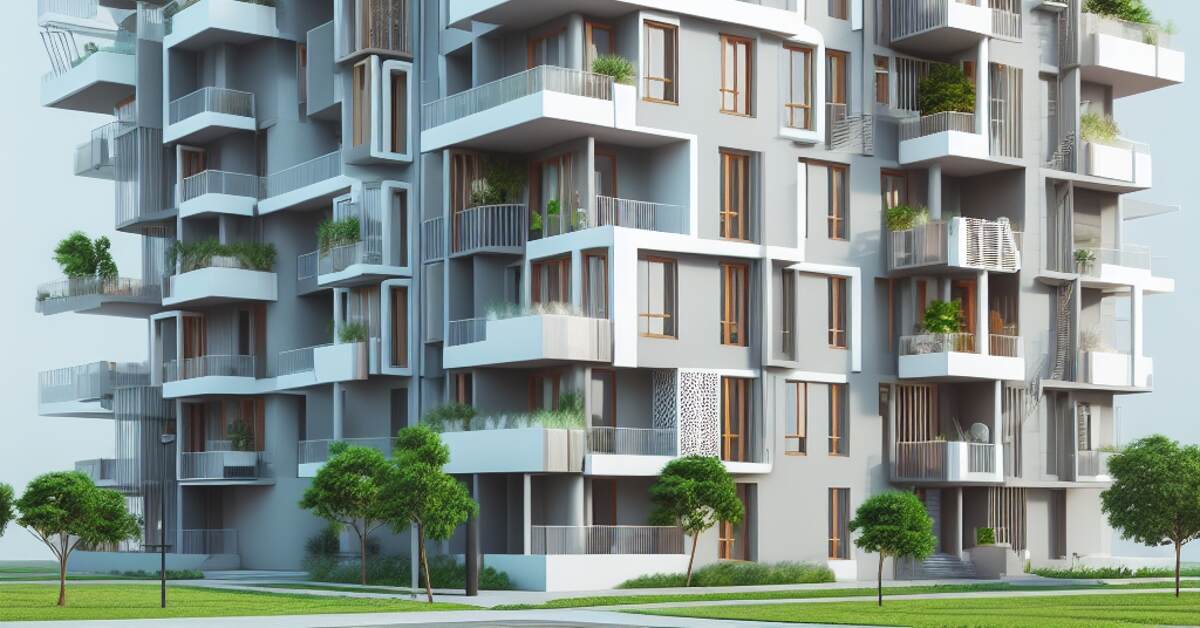
The core idea behind green housing is to promote a living space that is not only comfortable for its occupants but also beneficial for the environment. This approach to housing is rooted in the principles of sustainability, energy efficiency and minimal ecological impact.
But how does this impact the role of those who manage these properties? How does managing green homes differ from traditional property management?
Let’s explore how green housing is changing the rules of the game.
Property Management in Green and Conventional Housing
In Green Homes – Property managers in green housing play a multifaceted role. They are not just responsible for the usual administrative tasks, but also for ensuring the functionality and efficiency of sustainable features of the property. This includes monitoring and optimizing energy-efficient systems, promoting sustainable living practices among tenants and staying updated on the latest environmental regulations and green technologies.
In Conventional Homes – Traditional property management primarily focuses on basic operations such as rent collection, tenant relations and general maintenance. The emphasis is less on sustainability and more on cost-effectiveness and ensuring the basic comfort and safety of the tenants.
Inspections
Green Homes – Inspections in green homes are more specialized. They involve evaluating the performance of eco-friendly installations like solar panels, checking the integrity of sustainable materials and ensuring adherence to green building standards. Inspections are done to maintain the efficiency of energy systems and the overall environmental impact of the property.
Get the Green Building Project Checklist
Use this handy checklist on your next project to keep track of all the ways you can make your home more energy-efficient and sustainable.
Conventional Homes – Inspections in conventional homes generally focus solely on structural integrity, safety regulations and general maintenance needs. While energy efficiency might be a consideration, it is usually not as central as in green homes.
Maintenance
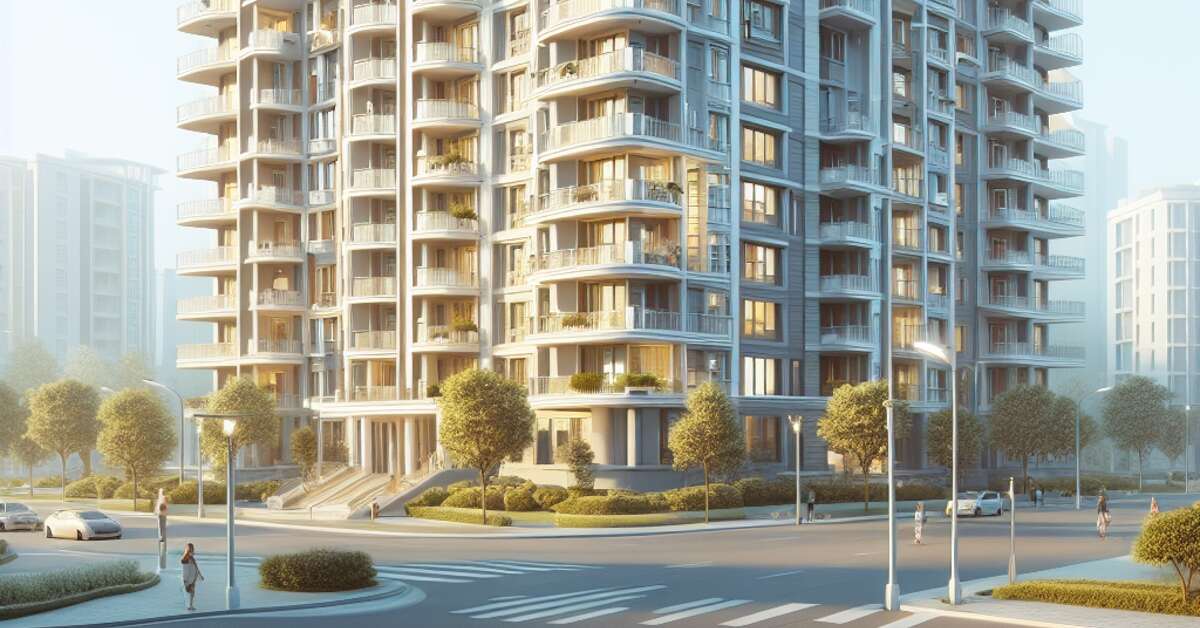
Green Properties – Maintenance in green properties involves specific challenges, such as caring for advanced eco-friendly systems (e.g., solar panels, rainwater harvesting systems, smart technologies) and using environmentally sustainable products for repairs and upkeep. The approach to maintenance is proactive, aiming to preserve the efficiency and longevity of green features.
Conventional Properties – Property maintenance in conventional properties tends to focus on fixing immediate issues and ensuring the property is functional and aesthetically pleasing. Sustainable practices may not be a primary focus, and the choice of materials and methods might be guided more by cost considerations than by environmental impact.
Technical Knowledge and Training
Green Property Managers – These managers require a higher level of technical knowledge about green technologies and sustainable practices. They need to understand how different systems work and how to maintain them effectively. Ongoing education and training are often necessary to keep up with the evolving field of green technology.
Conventional Property Managers – While technical knowledge is important, it typically revolves around general property maintenance and management skills. The need for specialized knowledge in sustainability or eco-friendly systems is less critical.
Cost and Resource Management
In Green Housing – The focus is on long-term sustainability and efficiency, which can lead to significant cost savings over time, despite potentially higher initial investments. Let’s say you’re searching for a new apartment. Two options are available – one with traditional amenities and another with eco-friendly features. By choosing the sustainable option, you’ll save on utilities every month, which adds up substantially over time. Additionally, sustainable properties often qualify for tax incentives and rebates, making them an attractive choice for both residents and property investors.
In Conventional Housing – The emphasis is often on immediate cost-effectiveness. Investments in sustainability are usually made if they promise short-term returns or are mandated by regulations.
Tenant Relations and Education
Green Housing – Can involve a significant amount of tenant education and engagement in sustainable practices, especially if tenants aren’t familiar with principles of sustainability. Property managers often take on the role of educators, helping tenants understand and make the most of the green features of their homes.
Conventional Housing – Tenant engagement typically revolves around standard property rules and maintenance issues. There is less focus on educating tenants about sustainability unless it directly impacts their living costs or comfort.
To Sum Up
Property management in green housing demands a broader skill set, a focus on sustainability, and a commitment to long-term environmental goals. In contrast, conventional property management tends to be more focused on the immediate operational aspects of property upkeep, with less emphasis on environmental impact.